












Overview
The Isle of Man TT is a historic motorcycle race that has evolved significantly in terms of safety measures since its inception in 1907. Initially lacking protective gear, the race has seen the introduction of mandatory helmets, advanced protective equipment, improved medical response, and stricter regulations over the decades. Modern safety innovations include telemetry for real-time monitoring and future prospects involve AI and machine learning to enhance rider safety. The ongoing challenge is to balance thrilling racing with the well-being of participants.
Key Takeaways
- The Isle of Man TT began in 1907 and has a rich history of motorcycle racing on public roads.
- Initial safety measures were minimal, with mandatory helmet requirements and basic medical support introduced in the 1950s.
- Significant advancements in protective gear emerged in the 1970s and 1980s, including racing leathers and improved helmets.
- The 1990s saw the introduction of technology-driven safety innovations, such as data acquisition systems and enhanced safety barriers.
- In the 2000s, stricter regulations were enforced, including mandatory safety briefs and rigorous motorcycle checks.
- Modern safety measures now incorporate real-time telemetry to monitor rider performance and improve safety on the track.
- Future safety prospects include the integration of AI and machine learning for predictive analytics and enhanced monitoring capabilities.
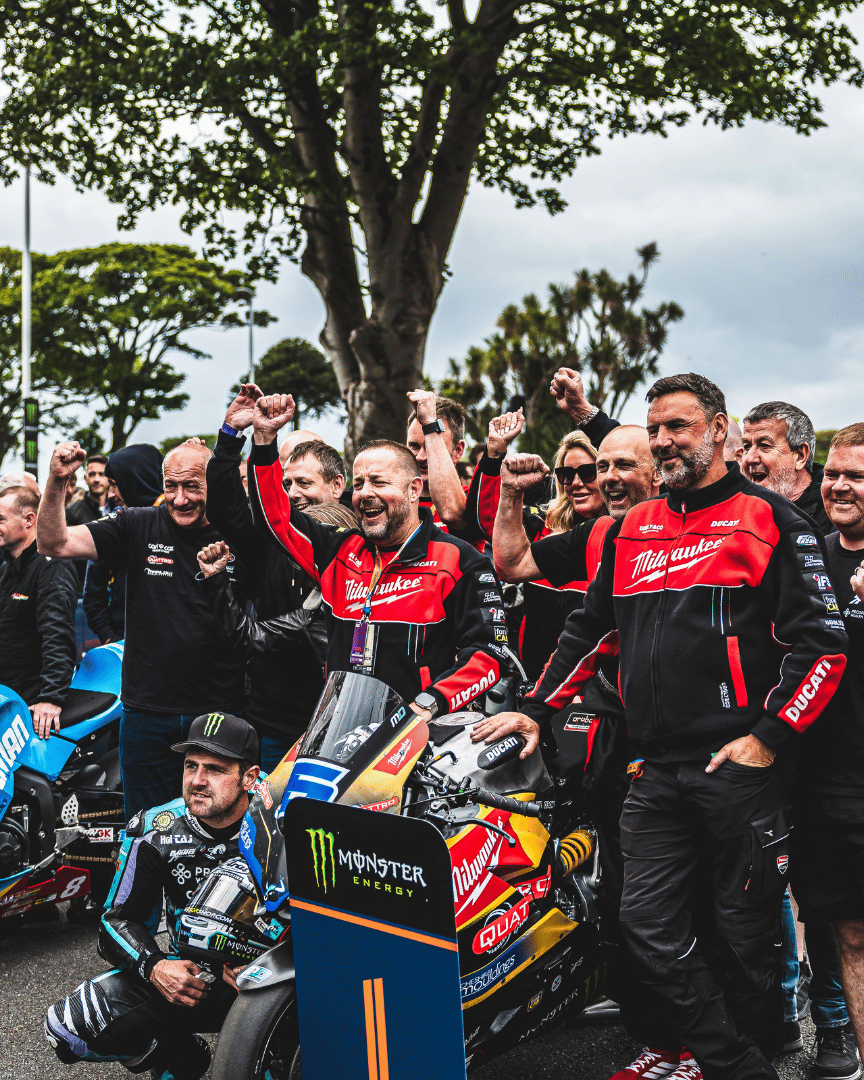
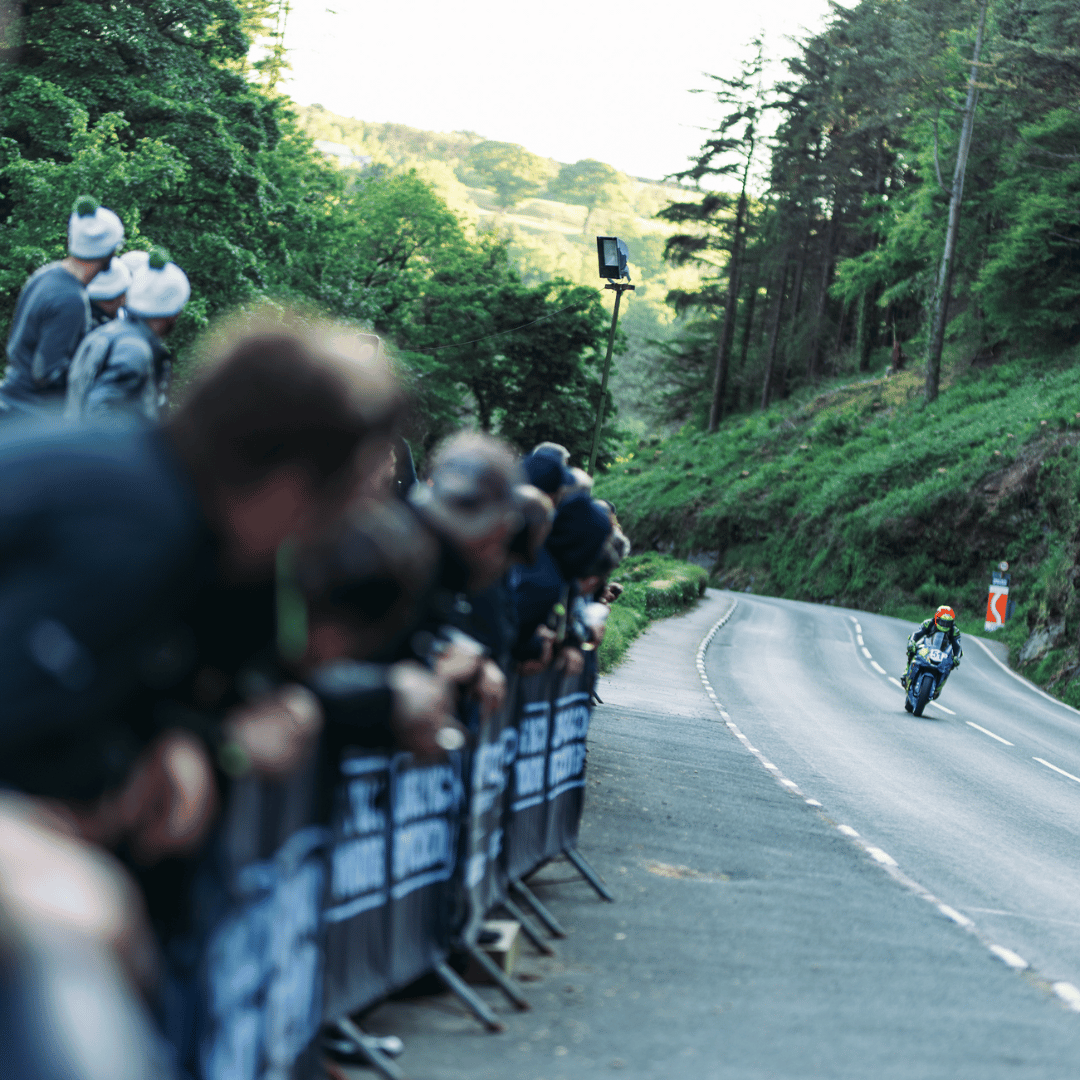
The Isle of Man TT (Tourist Trophy) is more than just a motorcycle race; it is a crucial event steeped in history and tradition that attracts motorcycle riders from all corners of the globe. It represents not only a thrilling showcase of speed and skill but also a complex relationship with safety that has evolved over the decades. In this article, we will explore how safety measures have changed throughout the history of the Isle of Man TT, ensuring that motorcycle riders can embrace the exhilarating experience while minimizing risks.
The Early Days of the Isle of Man TT
The first Isle of Man TT race was held in 1907, and it has since attracted daring motorcycle riders eager to push the limits of speed on public roads. In the early days, safety was not a primary concern, as participants would race on the challenging 37.73-mile mountain course with little to no protective gear. Helmets were often optional, and machines were rudimentary by modern standards, which means that riders faced significant risks.
Initial Safety Measures
As the years progressed, the catastrophic accidents and fatalities in the sport led to a growing recognition of the need for safety. The Isle of Man TT officials slowly began to introduce basic safety measures in the 1950s, including:
- Mandatory helmet requirements
- Medical crews positioned around the circuit
- Improved barriers, though still minimal
However, despite these advancements, many riders still faced life-threatening risks as crashes remained a major issue. The TT's high-speed nature on public roads meant that even with basic safety measures, the sport continued to be perilous.
Safety Innovations in the 1970s and 1980s
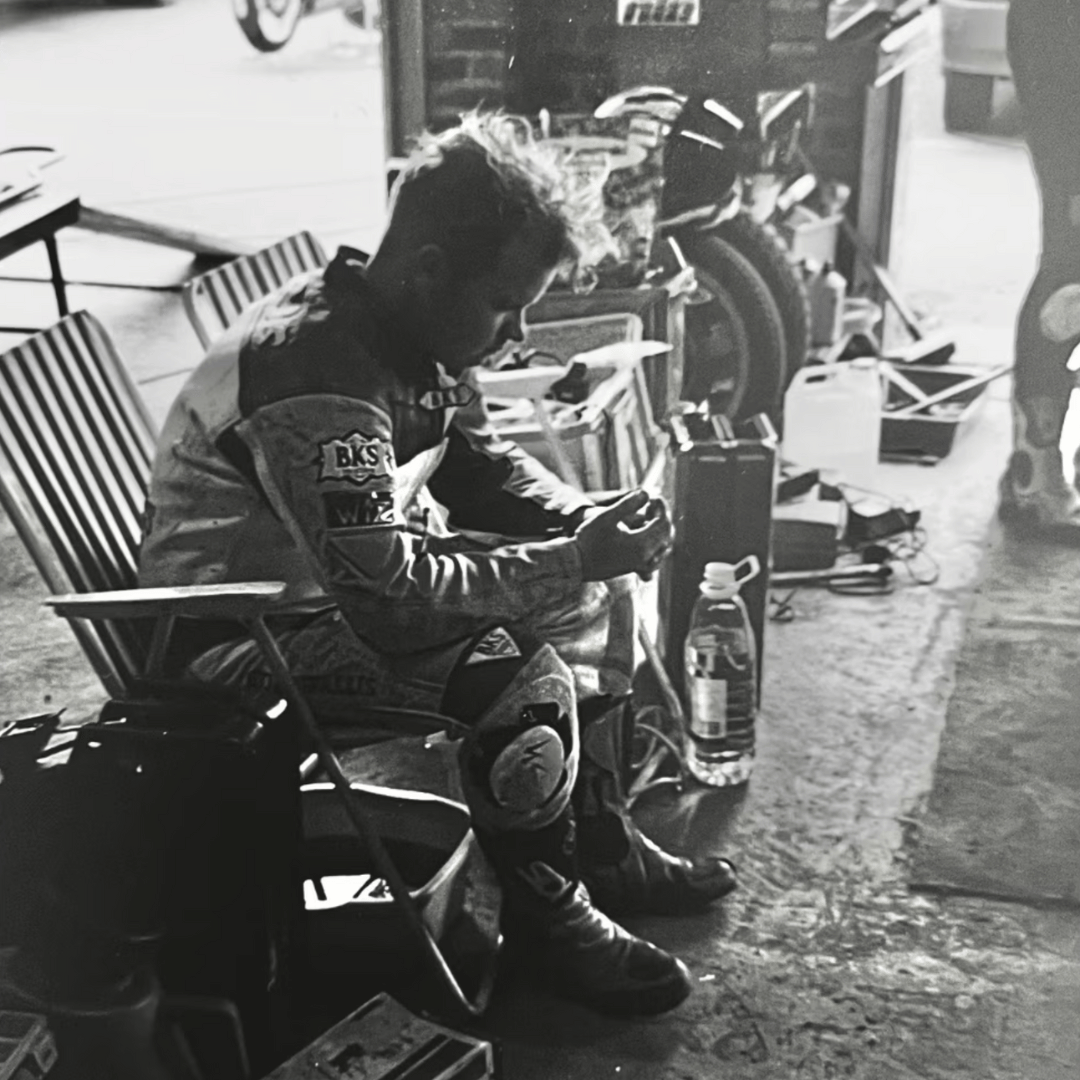
By the 1970s and 1980s, dramatic changes in safety protocols and equipment began to take shape. The impact of crashes during this time played a vital role in shifting perspectives on rider safety. Motorcycle riders began to advocate for more effective safety measures, leading to significant improvements in protective gear.
Introduction of Advanced Protective Gear
The call for better protection led to the introduction of advanced safety equipment. Riders during this era started to wear:
- Racing leathers
- More sophisticated helmets with improved padding and design
- Protective boots and gloves that offered greater protection
These changes were revolutionary, allowing motorcycle riders to enhance their chances of survival during crashes. As protective gear evolved, manufacturers began to focus on creating fully protective off-road jerseys designed to cater to the specific needs of riders, balancing safety with mobility.
Turning a New Leaf: Safety in the 1990s
The 1990s ushered in a new era of safety regulations for the Isle of Man TT. The increasing visibility of motorsport ethics and the rising demand for safety led to a series of reforms that prioritised rider protection and well-being.
The Role of Technology
During this decade, technology began to play a prominent role in rider safety. Some notable innovations included:
| Safety Innovation | Description |
|---|---|
| Data Acquisition Systems | Allowed riders to analyse their performance and identify potential hazards. |
| Enhanced Safety Barriers | Installation of more robust barriers to shield riders from perilous impacts. |
| Increased Medical Preparedness | Pursuit of improved medical response times and resources for emergencies. |
These innovations not only made the racing experience more thrilling but significantly reduced the likelihood of fatal incidents during the competition. Policy changes reflected the need for a safer racing environment and a growing concern for the welfare of motorcycle riders.
Safety Milestones in the 2000s
Entering the 21st century, the importance of safety became paramount to the Isle of Man TT's reputation. With continual advancements, officials sought to foster a culture where safety and competitive spirit could coexist harmoniously.
Enforcing Strict Regulations
The Isle of Man government implemented stricter guidelines for participating racers to enhance their safety further. Key regulations included:
- Mandatory safety briefs before races
- Rigorous checks of motorcycles to ensure compliance with safety standards
- Age restrictions to ensure that only qualified riders are allowed to participate
These guidelines aimed to instil a robust safety-first mentality among motorcycle riders at the TT, leading to a decline in serious injuries and fatalities on race day.
Modern-Day Safety Measures
In recent years, safety protocols have focused on leveraging technology and data to protect riders. The Isle of Man TT has embraced cutting-edge advancements resulting in a well-rounded approach to rider safety. Today, motorcycle riders not only benefit from exceptional safety gear but also from comprehensive on-track practices.
The Impact of Telemetry and Real-Time Monitoring
Telemetry has revolutionised the racing environment, allowing for real-time performance monitoring. Race officials and teams can evaluate various data, including speed, acceleration, and braking performances. Here’s how telemetry enhances safety:
- Identifying risky racing patterns
- Immediate feedback to riders for improving techniques
- Enhanced decision-making for teams and officials
Future Prospects for Safety in the Isle of Man TT
The tradition of the Isle of Man TT continues, and with it, the ongoing challenge of balancing safety with the thrill of motorcycle racing. As we look to the future, we can expect to see further innovation aimed at fostering safer conditions while sustaining the race's remarkable allure.
The Integration of AI and Machine Learning
As we climb further into the age of technology, artificial intelligence and machine learning are set to play a pivotal role in enhancing safety. Predictive analytics can provide insights into performance trends and risks, allowing teams to make informed decisions concerning rider safety. Furthermore, innovations like drones for safety monitoring and contingency planning are on the horizon.
Embracing the Spirit of Safety
Engaging with the Isle of Man TT is an emotional experience for both the motorcycle riders and the audience. The winding roads, breathtaking views, and robust sense of community create an atmosphere like no other. As safety continues to evolve, it remains imperative for all stakeholders to remain committed to making the race as safe as possible. As history unfolds, we can only hope for the continued embrace of safety, ensuring that the thrill of the TT preserves its legacy while prioritising lives and well-being.
Frequently Asked Questions
1. What is the Isle of Man TT?
2. When was the first Isle of Man TT race held?
3. What safety measures were introduced in the 1950s?
4. How has technology impacted safety in the Isle of Man TT?
5. What future advancements in safety are expected at the Isle of Man TT?
Glossary
| Term | Meaning |
|---|---|
| Isle of Man TT | A prestigious motorcycle race held annually on public roads. |
| Safety Measures | Protocols and equipment designed to protect riders during races. |
| Mandatory Helmets | Requirement for riders to wear helmets for safety. |
| Advanced Protective Gear | Enhanced safety clothing and equipment for better rider protection. |
| Telemetry | Real-time data monitoring to improve rider performance and safety. |
| Data Acquisition Systems | Tools that help riders analyse performance and identify hazards. |
| Enhanced Safety Barriers | Stronger barriers installed to protect riders from impacts. |
| Medical Preparedness | Improved emergency response resources for racing incidents. |
| AI and Machine Learning | Technologies used to predict risks and enhance rider safety. |
Linked Product

Chequered Vintage Motocross Jersey
The Chequered Vintage Motocross Jersey from Uggly&Co is designed for those who embrace the thrill of off-road adventures. Featuring a striking blue and white chequered pattern, this jersey combines bold style with comfort, making it suitable for both motocross tracks and casual outings. Its versatile design allows for wear as a standalone piece or layered for added warmth, catering to a variety of riding and lifestyle scenarios.
View Product