











Overview
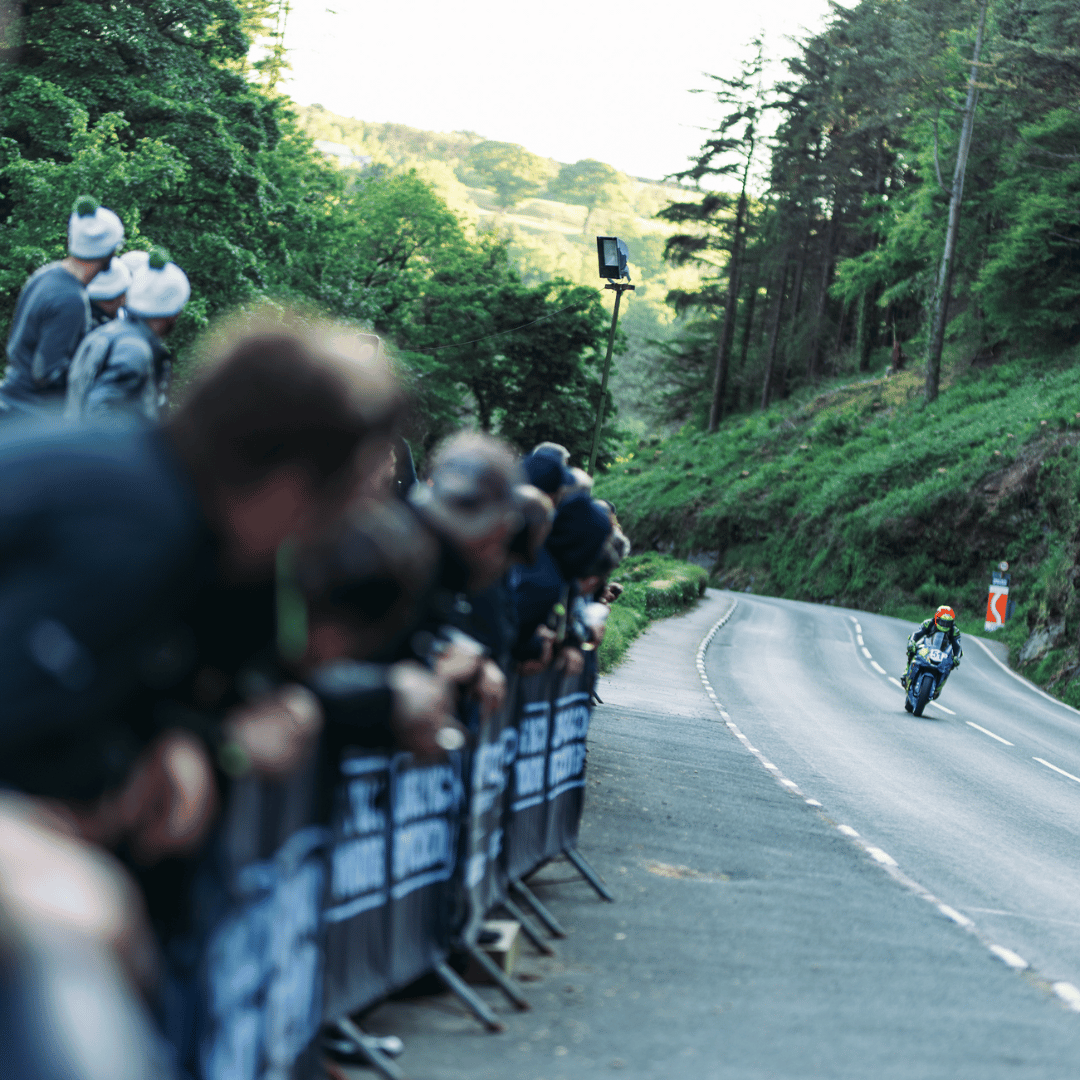
The Isle of Man TT is a legendary motorcycle race that began in 1907, showcasing the evolution of motorbikes from basic designs to modern high-performance machines. Key advancements over the decades include improved engine technology, aerodynamics, and safety features, leading to average speeds now exceeding 130 mph. As the event embraces electric motorcycles, it continues to innovate while celebrating its rich heritage, promising excitement for future generations.
Key Takeaways
- The Isle of Man TT began in 1907, establishing a rich tradition in motorcycle racing.
- Early motorcycles featured single-cylinder engines and minimal safety, with the first winner averaging just over 20 mph.
- The 1920s and 1930s introduced significant technological advancements, including twin-cylinder engines and streamlined designs.
- The post-war era saw the rise of British Superbikes, with iconic brands like Norton and Triumph leading the way.
- By the late 1970s, average lap speeds surpassed 100 mph, showcasing the evolution of motorcycle engineering.
- Modern bikes now achieve speeds over 130 mph, benefiting from advanced materials and safety features.
- The future of the TT includes a focus on electric motorcycles and sustainable racing technologies.
The Isle of Man TT (Tourist Trophy) is not just a motorcycle race; it’s a storied tradition that dates back to the early 20th century. This thrilling event has seen a remarkable evolution in motorbikes from classic models to modern machines, reflecting both the development of technology and the dynamic nature of motorcycle racing itself. In this article, we’ll explore this transformation while delving into the rich heritage and the exciting future of the Isle of Man TT and British Superbikes.
The Birth of the Isle of Man TT
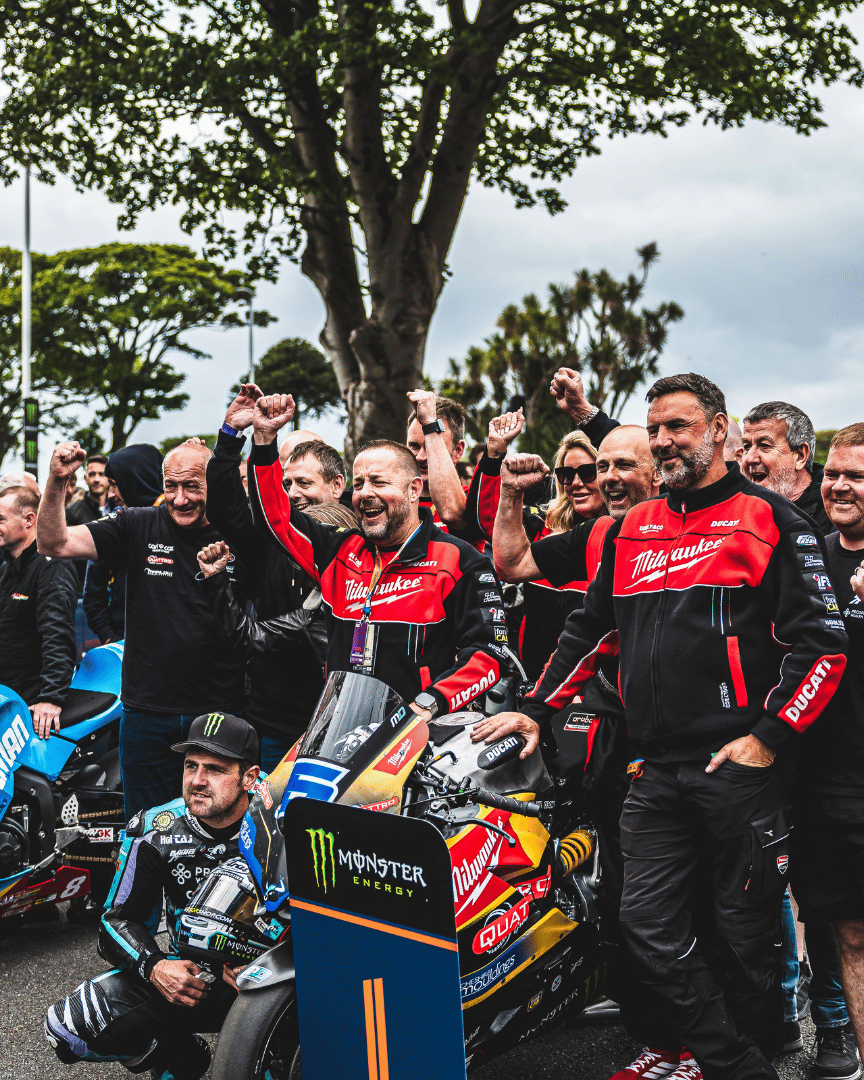
The Isle of Man TT race commenced in 1907, marking the beginning of a legendary journey for motorbiking enthusiasts. The first race was a modest affair with only a handful of competitors riding machines that were raw and powerful but far from the sleek models we know today.
Early Days of Motorcycle Racing
During its inception, the Isle of Man TT was a means to showcase engineering prowess amid the relative chaos of the Edwardian era. These early motorbikes featured:
- Single-cylinder engines
- Minimal safety features
- Heavy frames and basic suspension
- No sophisticated aerodynamics
The first winner, Charlie Collier, completed the race at an average speed of just over 20 mph. This snail’s pace compared to today’s standards reflects a time when the thrill of speed was just beginning to capture the imagination of the public. Nonetheless, the Isle of Man TT quickly gained traction and became an essential fixture for bike manufacturers to demonstrate their capabilities.
The Roaring Twenties and Thirties
As motorcycle design and engineering evolved, so too did the TT race. The 1920s and 1930s marked a pivotal period for both the event and motorbikes themselves. Innovations began to emerge that would radically transform the motorcycling landscape.
Technological Advancements
During these decades, the introduction of:
- Sidecars offered a new dimension to racing, accommodating more participants and changing the dynamics of competitive events. - Advanced engine designs allowed bikes to achieve higher speeds. Models began to adopt twin-cylinder engines, providing a significant leap in performance. - Streamlined designs paved the way for better aerodynamics, leading to a significant enhancement in racing speeds.By 1939, the average speed for winning racers had climbed to an impressive 68 mph. This growth not only reflected technological advancements but also offered riders increased safety measures and reliability.
The Post-War Revolution
The aftermath of World War II triggered another evolution in the motorcycle world. With a return to peacetime manufacturing, motorbikes became widely accessible, introducing a new generation of motorcyclists to the thrill of racing.
The Rise of British Superbikes
The 1950s is often regarded as the golden age of British Superbikes. Renowned manufacturers such as Norton, Triumph, and AJS developed some of the most iconic motorcycles, combining performance artistry with engineering finesse. These bikes represented not just speed but a cultural movement that shaped the motorcycle landscape.
Going Global: The 1960s and 70s
As the Isle of Man TT continued to capture the imagination of motorcycle enthusiasts, the race began attracting global competitors, effectively turning it into a prestigious international event. The era was marked by legendary racers like Mike Hailwood and Giacomo Agostini, who solidified the race’s status on the world stage.
Increased Popularity and Competition
During the 1960s and 70s, advancements in:
- Gear technology improved handling and control, offering riders better feedback during high-speed races. - Fuel composition led to more potent engine performance, elevating speeds significantly. - Safety equipment, such as helmets and protective gear, emerged, greatly reducing the risks involved in racing.By the end of the 1970s, average lap speeds at the TT eclipsed 100 mph, showcasing the booming competitive spirit and motorcycle engineering standards.
Modern Era: 1980s to Present
The evolution of the Isle of Man TT has continued dynamically through the 1980s to today. This era has been defined by cutting-edge technology and innovative designs that have continually pushed boundaries. Bikes have become not just faster, but also more efficient and safer.
Current State of the Isle of Man TT
Today’s motorcycles represent the pinnacle of engineering and design innovation:
| Feature | Classic Models | Modern Machines |
|---|---|---|
| Engine Type | Single and Twin-cylinder | Multi-cylinder and Inline engines |
| Aerodynamics | Basic design | Highly engineered, wind-tunnel tested |
| Learning Curve | High; minimal tech | Data analytics, telemetry |
| Safety Features | Limited | Advanced materials; electronics for stability |
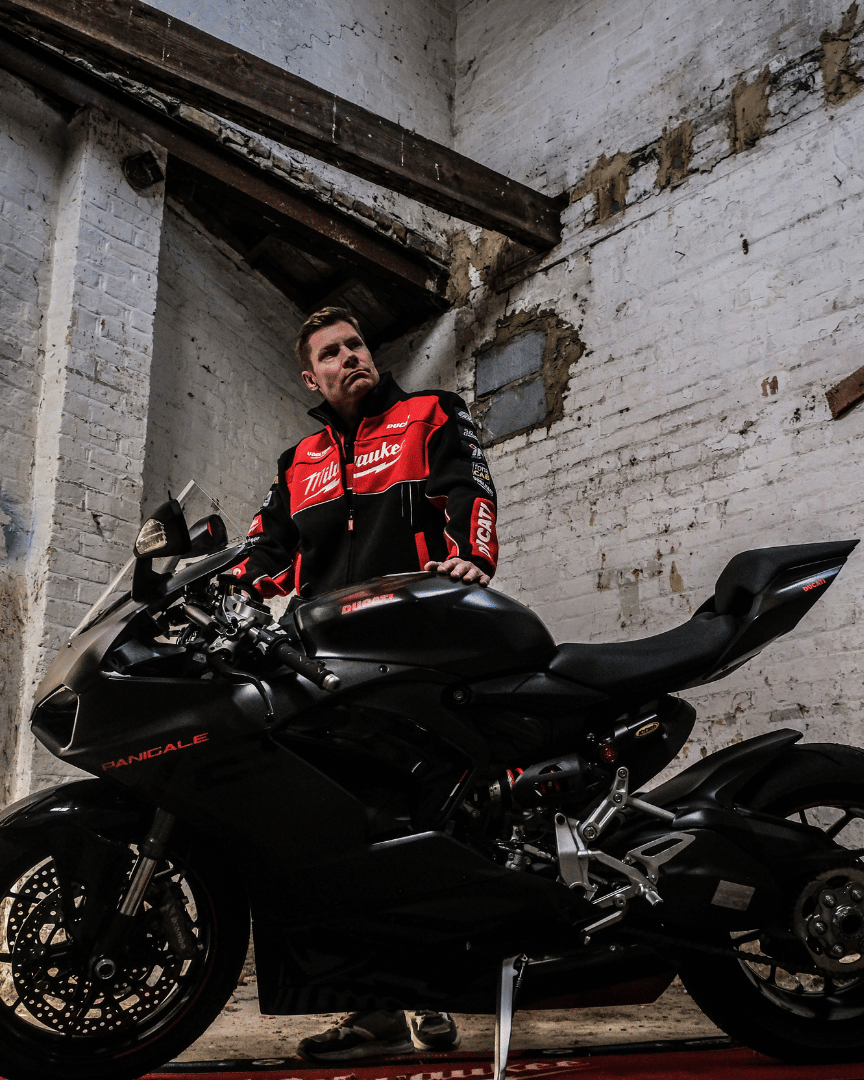
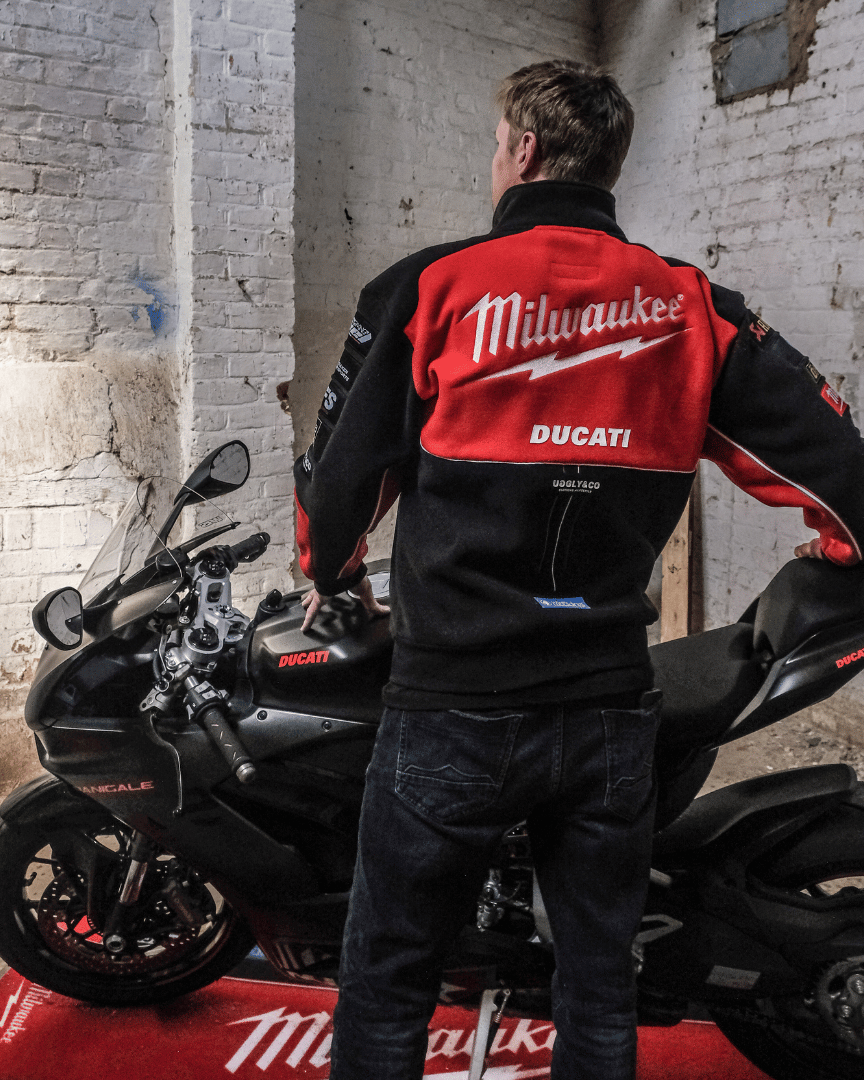
Modern riders benefit from advanced materials, enhanced braking systems, and state-of-the-art suspension technology, which collectively make racing safer and more thrilling. The culmination of years of innovation has seen the average speed shoot up to over 130 mph, bringing newfound excitement and thrilling competitiveness to the Isle of Man TT.
The Future of the Isle of Man TT
As we look to the future, the Isle of Man TT remains at the forefront of motorcycle racing. Manufacturers are investing heavily in performance electric motorcycles, paving the path for greener technology and reshaping the way we think about high-speed racing. With electric bikes making their entry into the scene, riders will experience a radically different aspect of racing.
Looking Ahead
The potential of futuristic racing formats could open doors to a whole new audience and foster a culture of sustainability in motorcycle racing. While exploring new technologies, the TT will continue to celebrate its rich heritage, promising excitement for generations of bike enthusiasts yet to come.
Final Thoughts: Revving Towards the Future
The evolution of motorbikes in the Isle of Man TT has been nothing short of monumental, redefining the boundaries of speed, safety, and engineering excellence. This prestigious event has not only witnessed changes in its motorcycle designs but has also become a symbol of passion, innovation, and camaraderie within the motorcycle community. As we rev into the future, the Isle of Man TT is poised to write even more exciting chapters in its already storied history, ensuring that it remains a vital part of the motorcycle racing world for years to come.
Frequently Asked Questions
1. What is the Isle of Man TT?
2. When did the Isle of Man TT race begin?
3. What were some characteristics of early motorcycles in the Isle of Man TT?
4. What advancements occurred in motorcycle design during the 1920s and 1930s?
5. What does the future hold for the Isle of Man TT?
Glossary
| Term | Meaning |
|---|---|
| Isle of Man TT | A prestigious motorcycle race held annually on the Isle of Man. |
| Motorbike | A two-wheeled vehicle powered by an engine. |
| Single-cylinder engine | An engine with one cylinder, typically simpler and lighter. |
| Twin-cylinder engine | An engine with two cylinders, offering improved power and performance. |
| Sidecar | A one-wheeled attachment to a motorcycle for carrying passengers. |
| Aerodynamics | The study of how air interacts with moving objects, crucial for speed. |
| Telemetry | Data collection technology used to monitor bike performance in real-time. |
| Electric motorcycles | Motorcycles powered by electric engines, promoting sustainability. |
| Safety equipment | Gear designed to protect riders, including helmets and protective clothing. |
| Engineering prowess | The skill and expertise in designing and building effective machines. |
Linked Product

Isle of Man TT Greats: In Their Own Words — Volume One by Dave Moore
"Isle of Man TT Greats: In Their Own Words — Volume One by Dave Moore" offers an authentic glimpse into the lives of legendary riders through their personal stories. This collection reveals the challenges and realities of racing on the Isle of Man, providing insights into the dedication and passion required to compete on one of the world's most dangerous road courses. Ideal for fans of road racing and Isle of Man history, this book delivers a unique perspective that resonates with both enthusiasts and newcomers alike.
View Product