











Overview
The Isle of Man TT is a historic motorcycle race known for its challenging course and thrilling atmosphere, but it has faced serious safety concerns over the years. This blog outlines the evolution of safety measures from its inception in 1907 to the present day, highlighting advancements in protective gear, modern regulations, and ongoing community involvement to enhance rider safety. Key measures include mandatory helmets, enhanced training, and technological innovations like smart helmets and live tracking. The focus remains on balancing thrilling racing with rigorous safety protocols to ensure the well-being of competitors.
Key Takeaways
- Historical Significance: The Isle of Man TT has been held since 1907, making it one of the oldest motorcycle races globally.
- Evolution of Safety: Safety measures have significantly advanced from rudimentary practices in the early years to modern regulations and gear.
- Mandatory Safety Gear: All riders must wear helmets and protective clothing that meet stringent safety standards.
- Enhanced Training: Riders undergo safety training and workshops to improve their skills in risk management and emergency handling.
- Real-Time Monitoring: Live tracking devices are used to monitor riders' locations during the race for enhanced safety.
- Community Involvement: Fans and teams play a crucial role in advocating for safety and promoting responsible racing practices.
- Future Focus: Continuous improvement in safety measures is essential to balance the thrill of racing with the well-being of riders.
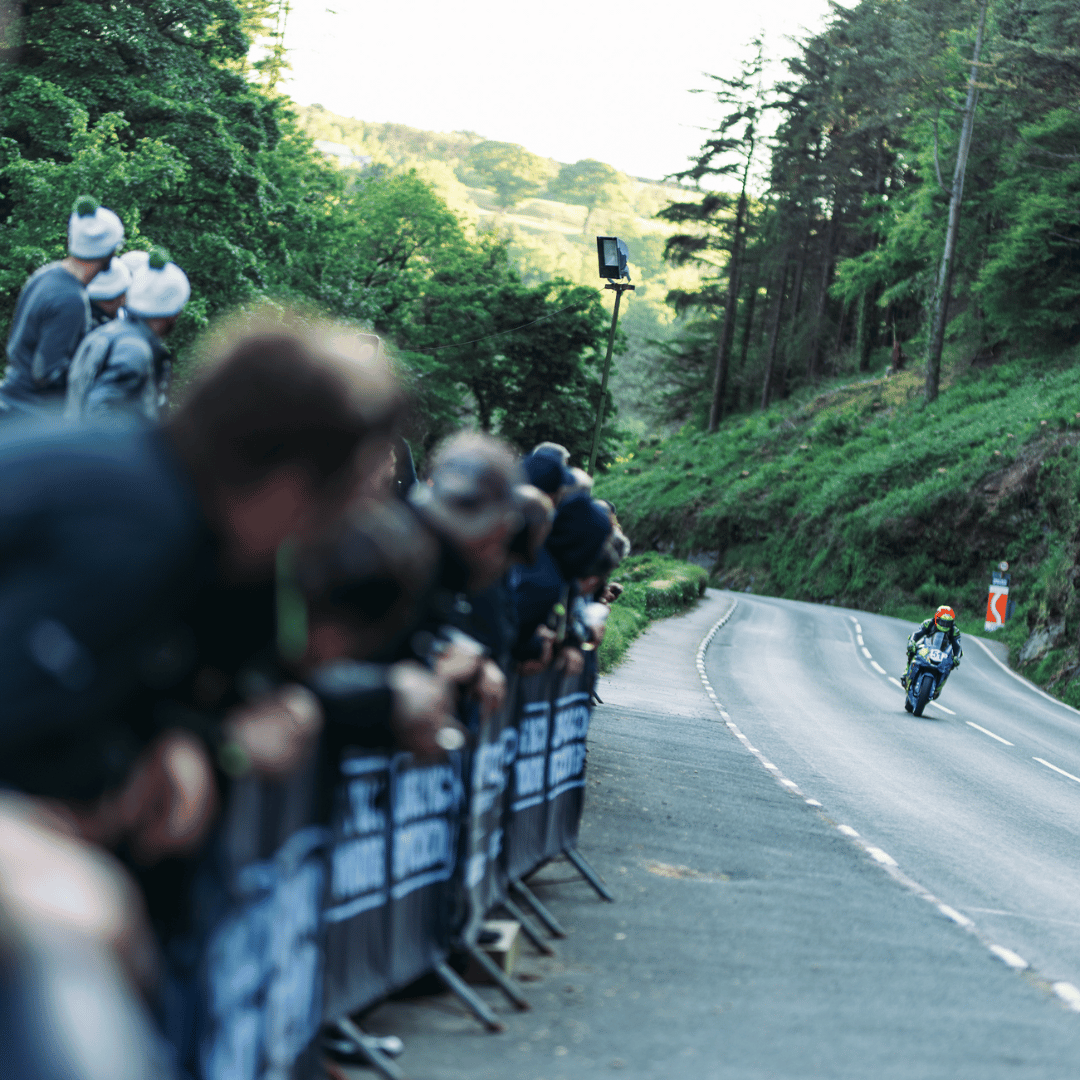
The Isle of Man TT (Tourist Trophy) race is one of the oldest and most prestigious motorcycle races in the world, famous for its demanding course and thrilling atmosphere. While this event has a rich history steeped in speed and adrenaline, it has also faced significant challenges regarding rider safety. In this blog, we will explore the various safety measures that have been implemented over the years, how they have evolved, and their impact on the riders competing in this legendary race.
The Evolution of Safety Measures
Since its inception in 1907, the Isle of Man TT has constantly evolved to enhance safety for both riders and spectators. The first race took place on public roads, exposing racers to various hazards, including unpredictable weather and challenging road conditions. Over the years, various safety measures have been introduced, ranging from changes in racing rules to advancements in protective gear.
Early Years: The Wild West of Racing
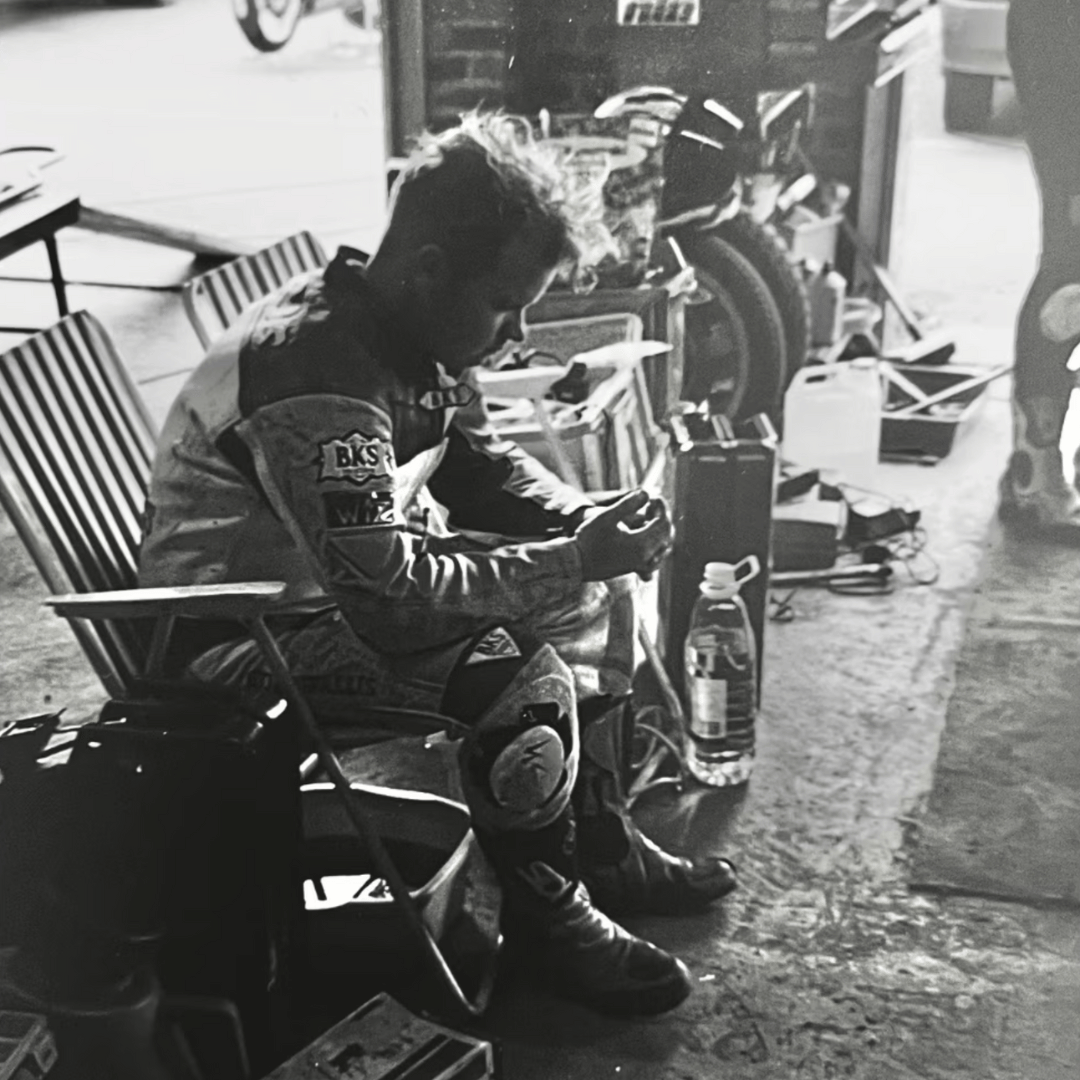
In the early days of the Isle of Man TT, safety practices were rudimentary at best. Riders often wore leather jackets and goggles, and the concept of protective gear was almost non-existent. With high speeds and limited safety precautions, the race resulted in numerous fatalities and serious injuries.
The 1960s to 1980s: A Shift in Focus
As motorcycle racing began to gain popularity, the governing bodies recognised the importance of rider safety. The 1960s saw the introduction of safety regulations, such as speed limits in certain parts of the course. Track marshals started to receive training to manage accidents more effectively, and the use of barriers began to be discussed.
Modern Era: Stricter Regulations and Enhanced Gear
In the modern era, safety measures have become much more advanced. The implementation of higher safety standards includes:
- Mandatory Helmets: All riders must wear helmets that meet specific safety standards.
- Protective Clothing: Riders are now required to wear full leathers, gloves, and boots. Items like motorcycle neck tubes have become popular for added protection against the elements.
- Safer Bikes: Technological advancements have resulted in safer and more reliable motorcycles.
- Increased Training for Riders: Riders participate in safety training and workshops focusing on risk management, enhancing their skills in handling emergencies.
- Road Safety Improvements: Ongoing efforts have been made to improve the road conditions used for the TT, including better surface maintenance and clearer signage.
Current Safety Protocols at the Isle of Man TT
Today, the Isle of Man TT remains one of the most challenging races, but rigorous safety protocols are in place to protect riders. Here’s a breakdown of some of the critical safety measures that are currently enforced:
| Safety Measure | Description |
|---|---|
| Rider Briefings | Mandatory pre-race briefings cover track conditions, emergency procedures, and safety protocols. |
| Event Marshals | Trained marshals are positioned at various points around the track to assist in case of incidents. |
| Medical Support | A full medical team is on standby to provide immediate assistance to anyone injured during the race. |
| Live Tracking | Riders are equipped with live tracking devices, allowing race organisers to monitor their locations in real-time. |
| Speed Restrictions | Speed limits are enforced in specific areas, particularly in high-risk zones, to reduce the risk of accidents. |
Technological Innovations in Safety Gear
As technology advances, so does the safety gear used by riders. Innovations have been pivotal in protecting competitors at the Isle of Man TT. Some key developments include:
Smart Helmets
Recent developments have led to the creation of smart helmets with built-in communication devices, providing riders with real-time information about their surroundings. These helmets can alert riders to hazards or changes in road conditions, enhancing their situational awareness.
Advanced Body Armour
Modern body armour offers improved impact protection while remaining lightweight and comfortable. Riders today have access to suits equipped with airbag technology, activating in the event of a crash to cushion impacts significantly.
Climate Control Gear
With variable weather conditions often experienced during the TT, climate control garments, such as motorcycle neck tubes, have gained prominence. These neck tubes provide warmth and protection against wind and rain, allowing racers to focus on their performance without distraction.
The Role of Regulations in Enhancing Safety
The Isle of Man Government and various motorcycle racing federations have worked hand in hand to implement safety regulations that benefit the riders. Several measures ensure the continued safety of competitors while maintaining the event's allure and challenge.
Licensing and Eligibility
Only trained and licensed riders are allowed to compete in the TT. A rigorous application process assesses each rider's skills and experience in motorcycle racing, ensuring a level of competency on the notoriously challenging course.
Track Inspections and Maintenance
Regular inspections of the course ensure safety standards are met. Maintenance work, including repairs to road surfaces and the installation of safety barriers, is carried out to reduce risks faced by riders.
Preparing for the TT: Rider Safety Training
For any rider planning to participate in the Isle of Man TT, preparation extends far beyond just getting their motorcycle ready. Proper training and preparation are crucial for ensuring safety during the race.
The Importance of Physical Fitness
Physical fitness plays a vital role in a rider's performance and safety. Endurance training, core strength sessions, and flexibility exercises can enhance a rider's control and response time during the race. Aspects like strength and stamina are paramount on the demanding course of the TT, where every twist and turn requires maximum focus.
Continuous Learning
As technology and safety measures evolve, riders must adapt. Participating in training sessions, safety workshops, and simulation sessions can drastically improve a rider’s chances during the TT. Many seasoned racers emphasize the importance of frequent communication with other riders to share tips and insights that can enhance safety.
The Community's Involvement in Enhancing Safety
The motorcycle racing community plays a pivotal role in promoting safety at the Isle of Man TT. From racers and teams to fans and sponsors, everyone has a part in ensuring a safer event.
Fan Engagement
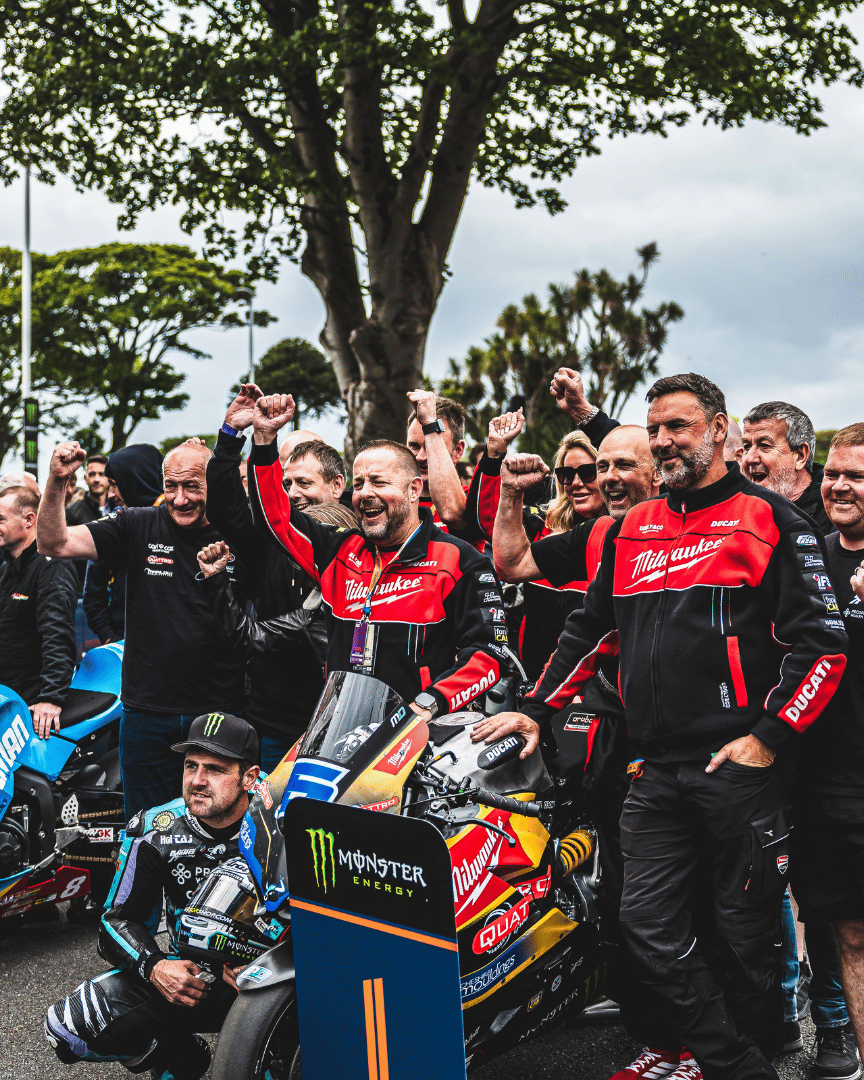
Fans are often the backbone of the TT, and their involvement in promoting safety is critical. Organised fan groups often advocate for safer race conditions, raising awareness about the importance of safety precautions and responsible racing practices.
Team Support and Guidance
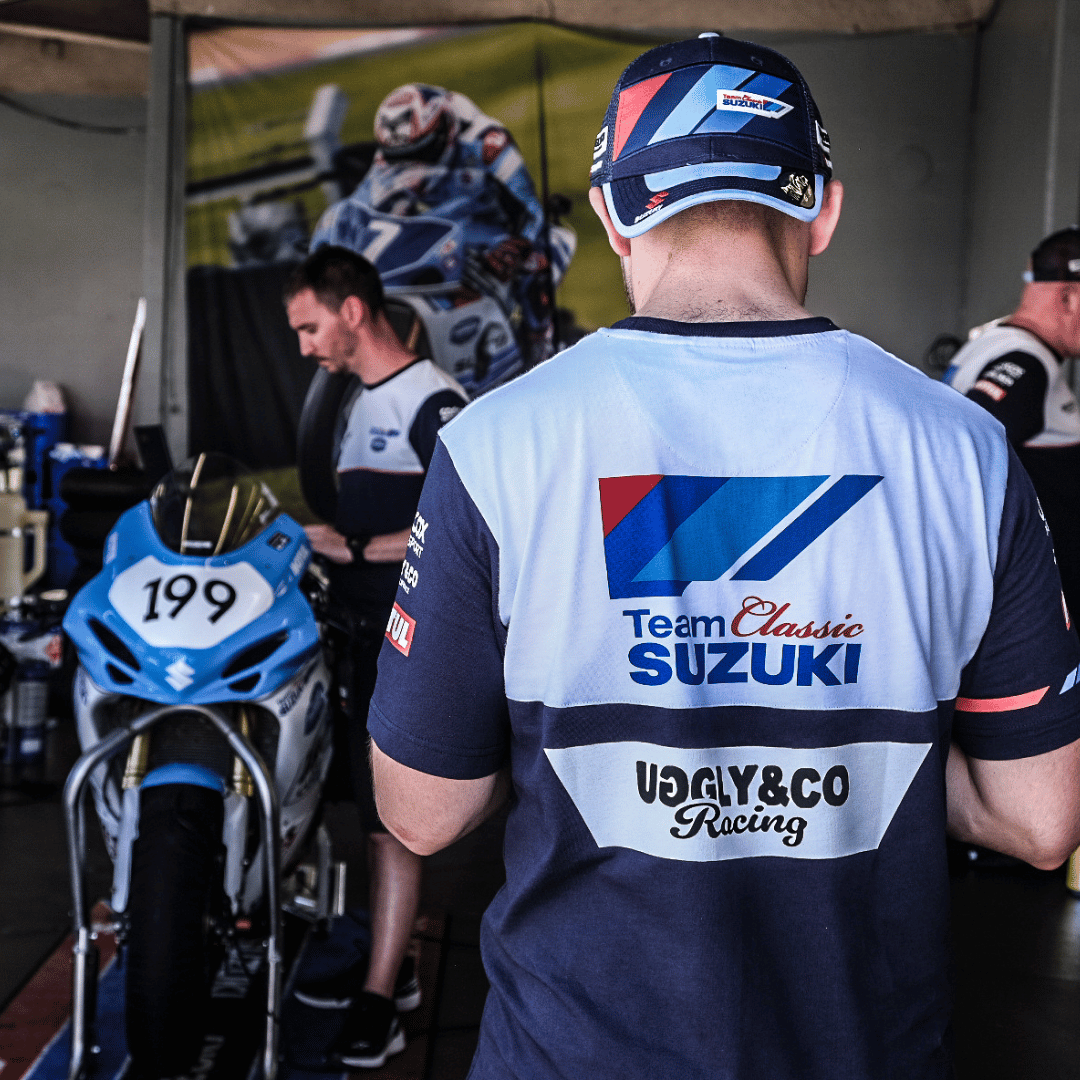
Many teams provide their riders with comprehensive support that goes beyond mechanical assistance. Teams invest in safety training, support psychological resilience, and ensure that riders are equipped with the best possible gear. Team collaboration fosters a culture of safety that permeates throughout the racing community.
Looking Ahead: The Future of Safety at the Isle of Man TT
The journey toward improved safety measures is ongoing. As technology arsenals, and the risks of motorcycle racing evolve, so will the strategies employed to keep riders safe. Engagement from both the governing bodies and the racing community assures that the focus on safety continues to remain paramount.
Moving forward, the balance between thrilling racing experiences and stringent safety measures will be critical. Incorporating feedback from riders, fans, and officials can only enhance the strategies in place, ensuring that the Isle of Man TT upholds its legacy while prioritising safety. Despite its inherent dangers, the allure of the TT is irreplaceable, and with careful planning, the race can continue to thrive as one of the most celebrated motorcycle events in the world.
As safety technologies advance and the commitment to rider well-being deepens, one thing is certain: the spirit of the Isle of Man TT will endure. With every passing year, we can expect to see improvements in safety measures that allow riders to face the exhilarating challenges of the course with courage and confidence.
Frequently Asked Questions
1. What is the Isle of Man TT race?
2. How has rider safety evolved at the Isle of Man TT?
3. What current safety measures are in place for the Isle of Man TT riders?
4. What role does technology play in rider safety gear?
5. How does the community contribute to enhancing safety at the Isle of Man TT?
Glossary
| Term | Meaning |
|---|---|
| Isle of Man TT | A prestigious motorcycle race known for its challenging course. |
| Rider Safety | Measures implemented to protect motorcycle racers during events. |
| Protective Gear | Clothing and equipment designed to enhance rider safety. |
| Event Marshals | Trained personnel assisting in managing incidents during the race. |
| Smart Helmets | Helmets equipped with technology for real-time hazard alerts. |
| Live Tracking | Devices used to monitor riders' locations during the race. |
| Speed Restrictions | Enforced limits on speed in high-risk areas of the course. |
| Rider Briefings | Mandatory meetings covering safety protocols before races. |
| Track Inspections | Regular checks to ensure the safety of the racing course. |
| Community Involvement | Engagement from fans and teams to promote safety in racing. |
Linked Product

Black Dub, Isle of Man Road Sign Motorcycle Bandana
The Black Dub, Isle of Man Road Sign Motorcycle Bandana pays homage to a significant corner of the TT course with its striking design. Made from soft, breathable polyester, it provides comfort and protection from wind and dust while riding. Its lightweight and quick-drying properties make it a practical accessory for both riders and fans of the Isle of Man TT.
View Product