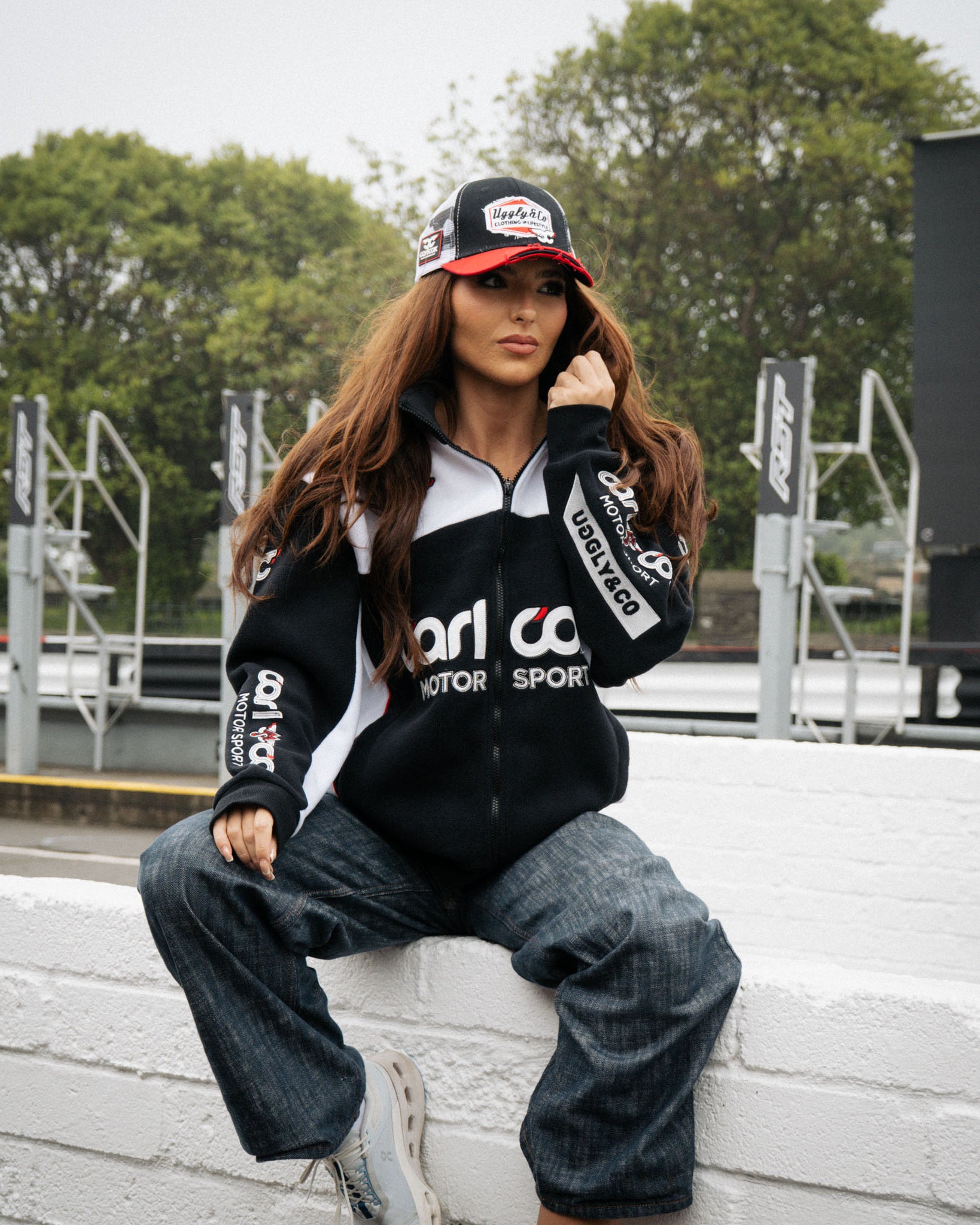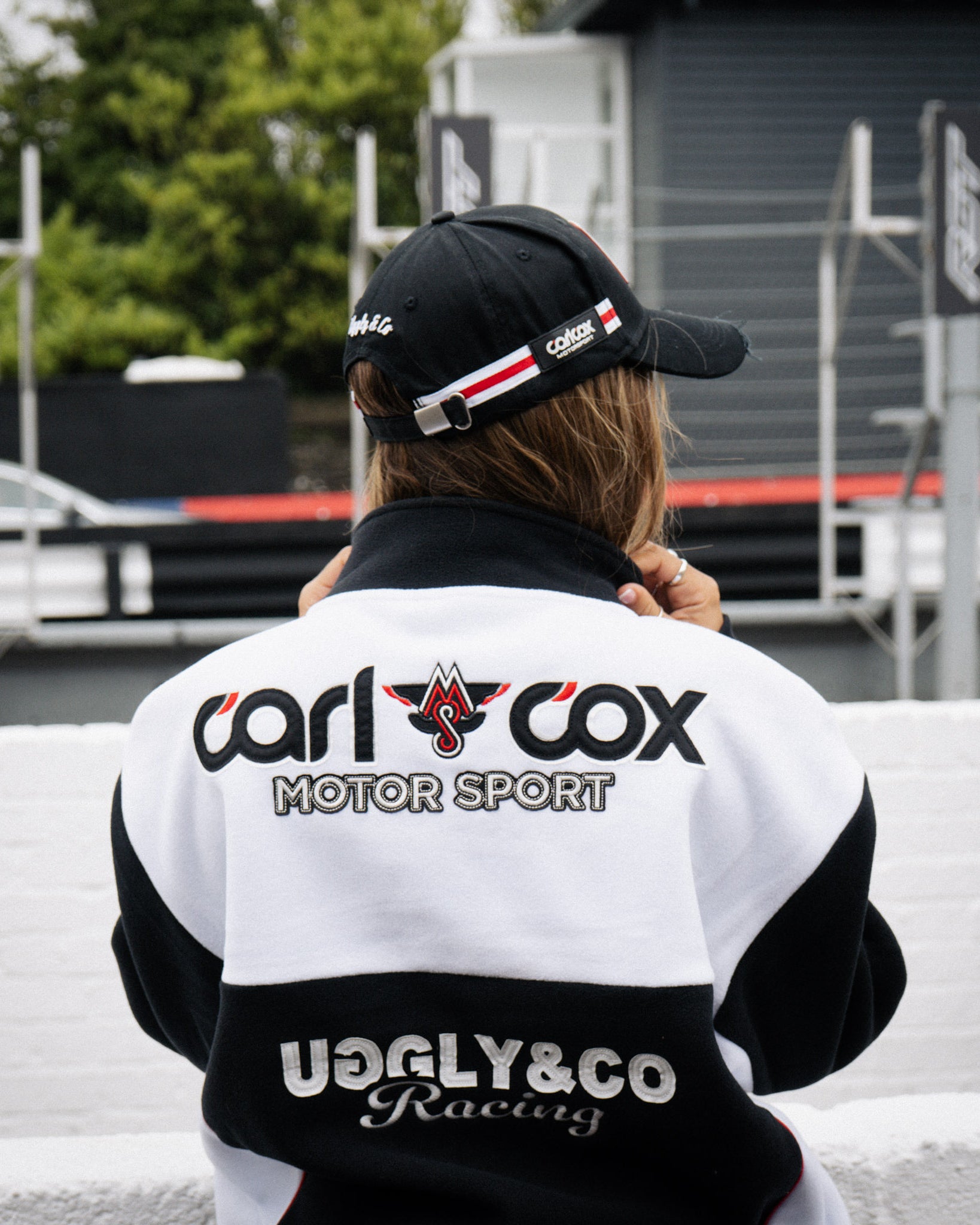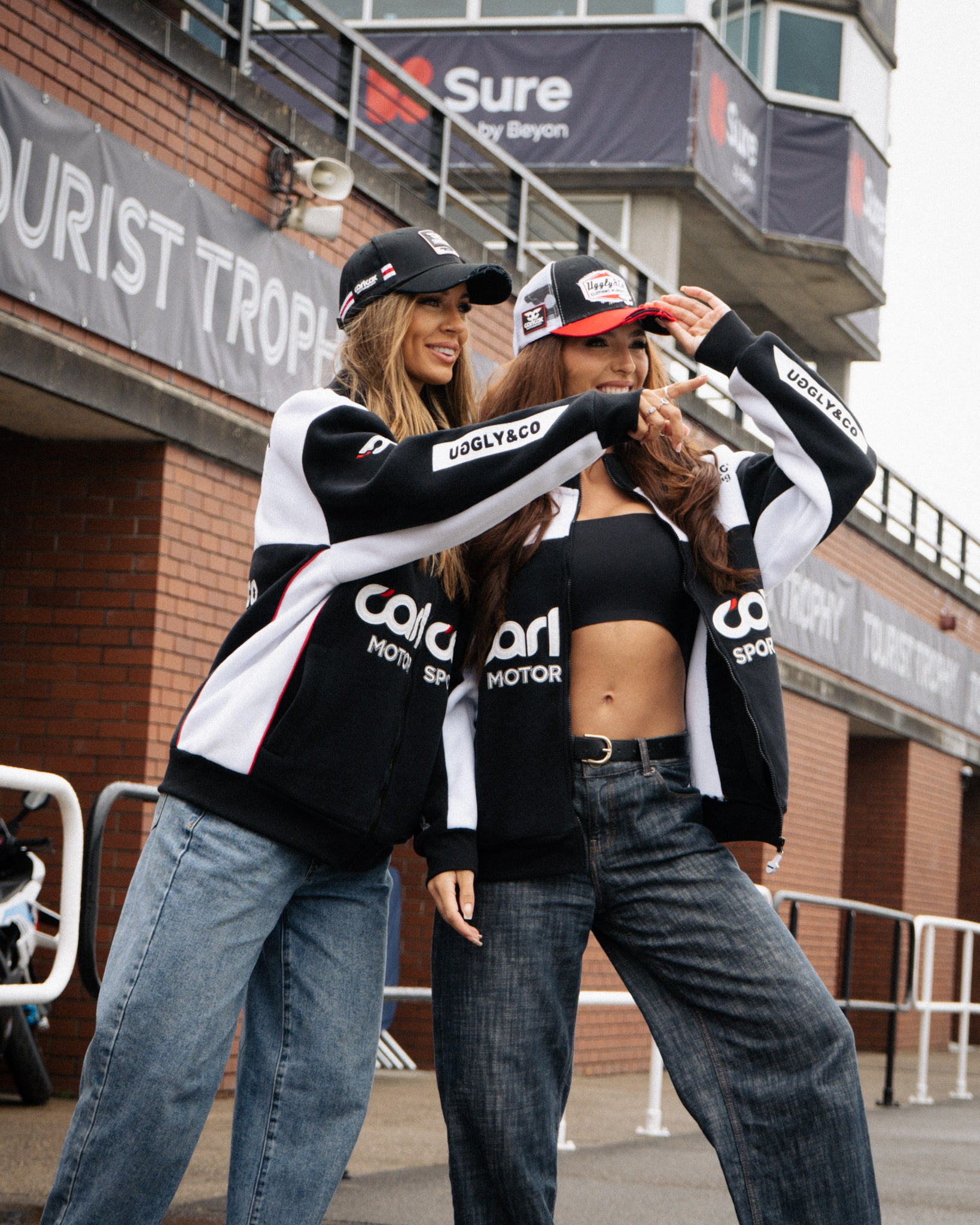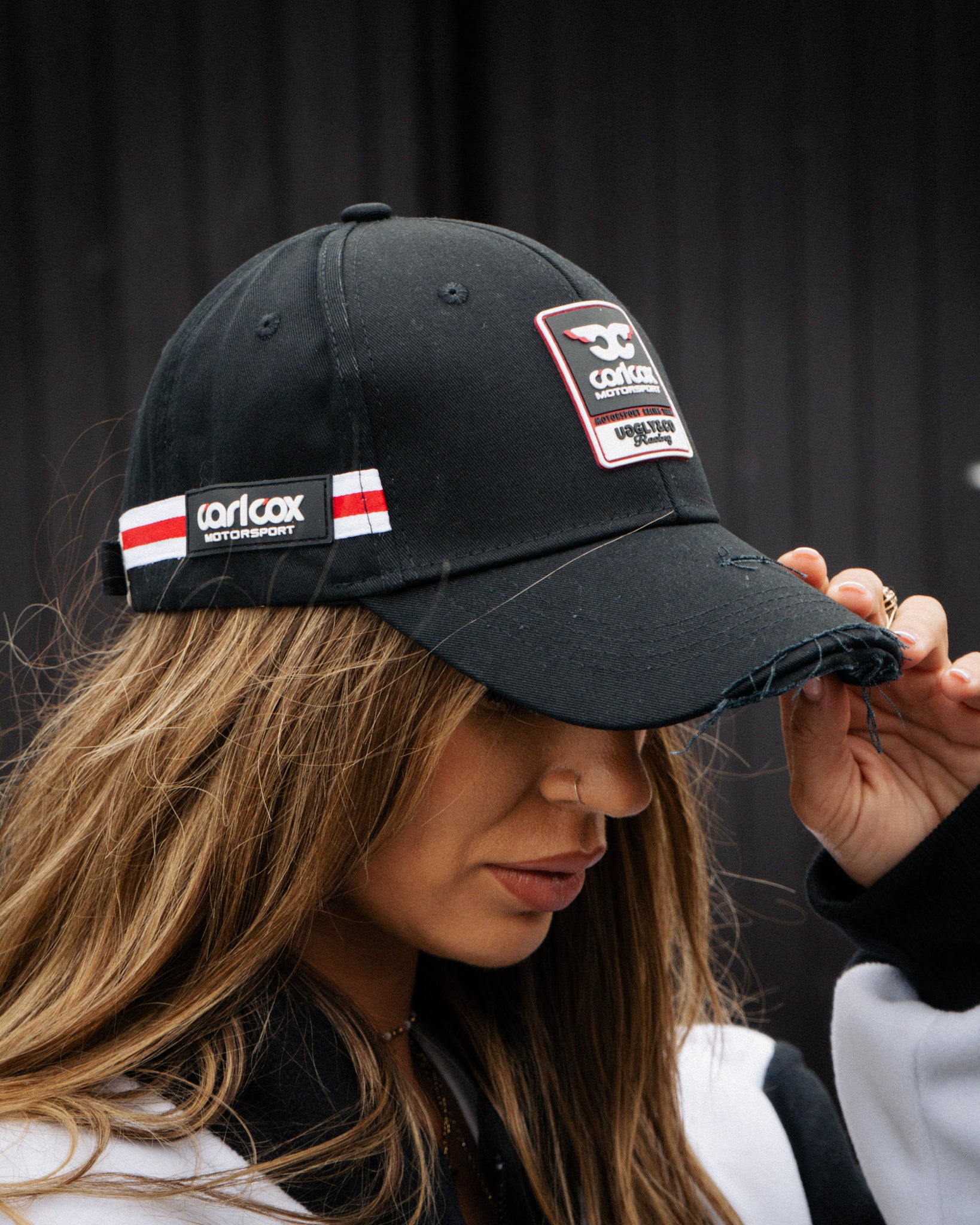










Overview
The Isle of Man Tourist Trophy (TT) is a historic motorcycle race that began in 1907, evolving into a significant cultural event with a challenging 37.73-mile course. Over the decades, it has seen advancements in motorcycle technology and safety, attracting elite riders and a passionate community. The TT celebrates motorcycling, camaraderie, and local culture, while its future promises continued innovation and excitement.
Key Takeaways
- Inaugural Race: The Isle of Man TT began in 1907, aimed at promoting tourism and showcasing motorcycle capabilities.
- Course Challenges: The Snaefell Mountain Course spans 37.73 miles with over 200 corners and a maximum elevation of 1,386 feet.
- Safety Measures: Stricter safety regulations and advanced gear have been implemented to protect riders during the race.
- Cultural Impact: The TT fosters a sense of community, uniting motorcycle enthusiasts and local businesses during the event.
- Technological Advancements: Recent decades have seen improvements in motorcycle technology and data analytics, enhancing race performance.
- Historical Milestones: Key moments include the introduction of the Junior TT race in 1923 and the establishment of Sidecar TT races in the 1950s.
- Future Outlook: The TT continues to evolve with opportunities for partnerships and sustainable practices to enhance the event's relevance.
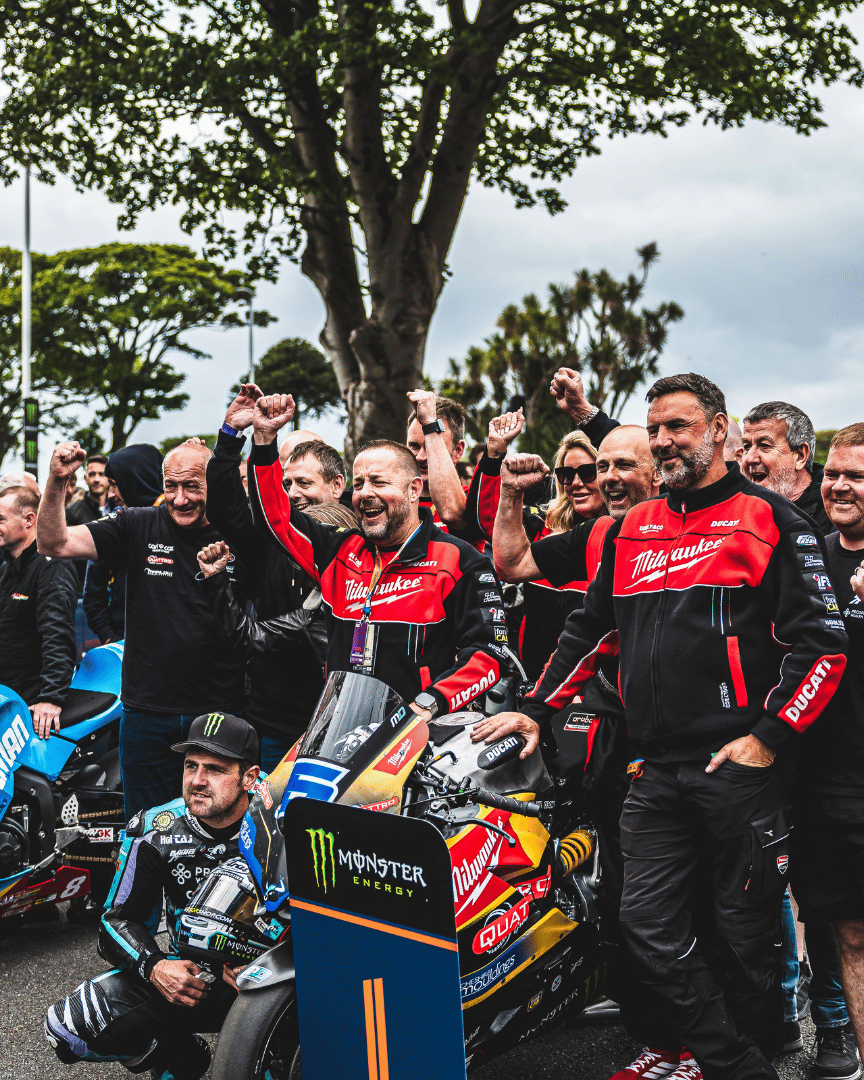
The Isle of Man Tourist Trophy (TT) is an iconic motorcycle event steeped in rich history and tradition. This exhilarating race has not only become a thrilling spectacle for adventure aficionados but also a significant cultural landmark for the Isle of Man. In this post, we dive into the fascinating origins and evolution of the Isle of Man TT, exploring its impacts on motorcycle riders and the motorsport world.
The Origins of the Isle of Man TT
The tale of the Isle of Man TT begins in the early 1900s. The inaugural race took place in 1907, primarily aimed at promoting the Isle of Man as a tourist destination and showcasing the capabilities of motorcycle design. The island's unique attributes made it a suitable venue for racing: its scenic routes, picturesque landscapes, and lack of speed limits played a pivotal role.
The First Races
The first TT race in 1907 attracted nineteen competitors, showcasing a mix of motorcycle models. Among them was the groundbreaking 'Indian' motorcycle—a truly impressive machine at the time. The initial race course was 15 miles long, covering public roads, and the competitors faced various conditions, from winding roads to elevations that challenged their skills.
The Evolution Over the Decades
Throughout the years, the Isle of Man TT has undergone numerous changes, both in terms of its race structure and the motorcycles themselves. From its humble beginnings, the TT has evolved into one of the most significant motorcycle races globally, attracting elite motorcycle riders and enthusiasts alike.
The 1920s – 1930s: Growth and Innovation
The 1920s marked a period of growth for the TT, with manufacturers increasingly investing in their racing teams to showcase their innovation. This era saw the development of lightweight and powerful motorcycles, resulting in further exhilarating races and breaking speed records. The introduction of the motorcycle bandana became popular during this time, as riders needed practical gear to protect themselves from dust and debris while racing.
The Post-War Era
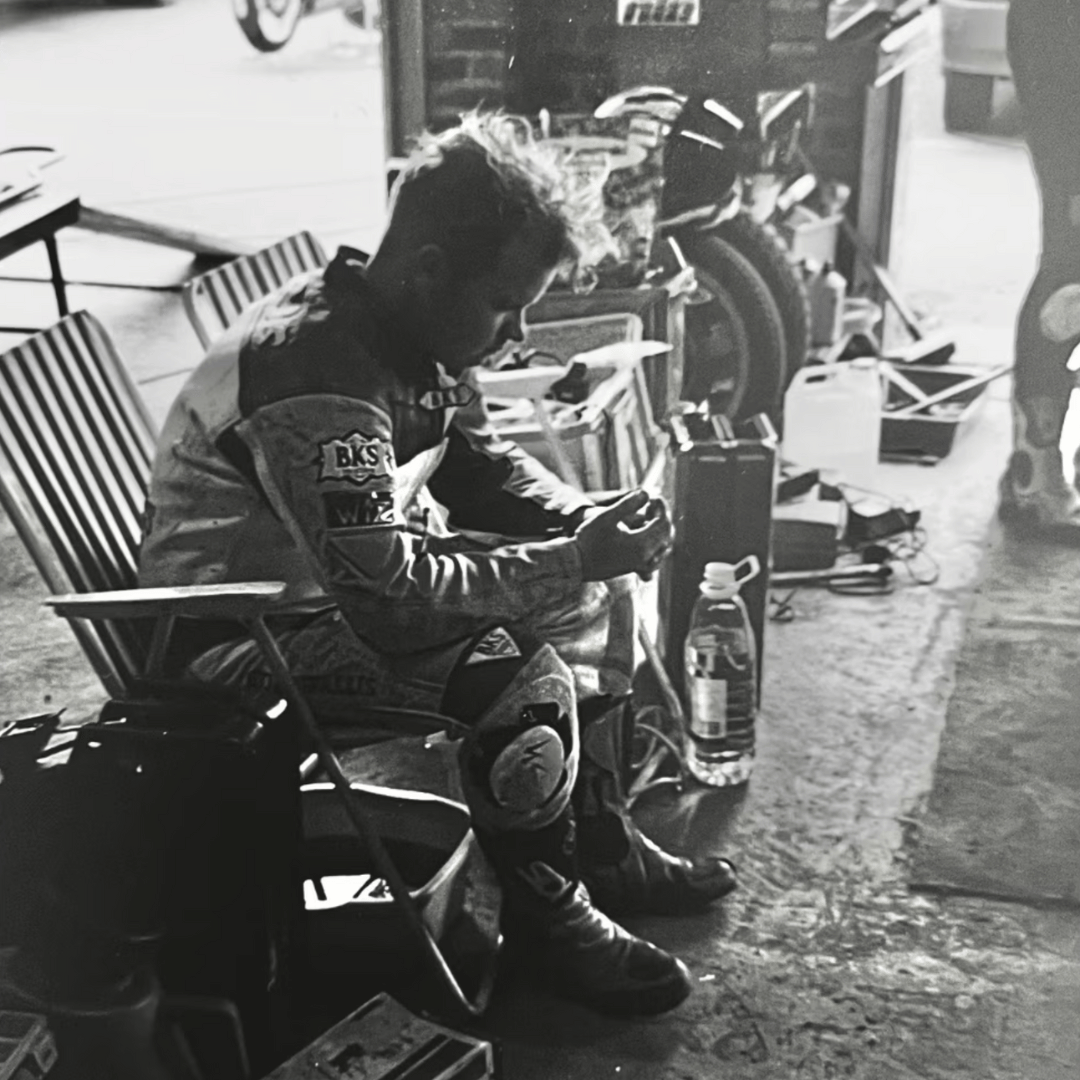
After World War II, the TT experienced a resurgence as cycling enthusiasts and motorcycle riders picked up the sport once again. This period was marked by a significant increase in participation, alongside improvements in bike engineering and rider safety. The race framework evolved further, establishing stricter safety regulations aimed at minimizing risks to competitors. The courses expanded to cover greater distances, demanding even more skill and bravery from riders.
Key Milestones in TT History
Here's a quick overview of key milestones in the history of the Isle of Man TT that has shaped its legacy:
- 1907: Inaugural race takes place with 19 competitors.
- 1911: The first appearance of the famous TT trophy.
- 1923: The introduction of the Junior TT race.
- 1950s: Establishment of the Sidecar TT races.
- 1970: The introduction of the modern 37.73-mile Snaefell Mountain Course.
- 2007: Celebrating the 100th anniversary of the TT with special events.
- 2020: The event is cancelled for the first time since WWII due to the COVID-19 pandemic.
The Unique Course and its Challenges
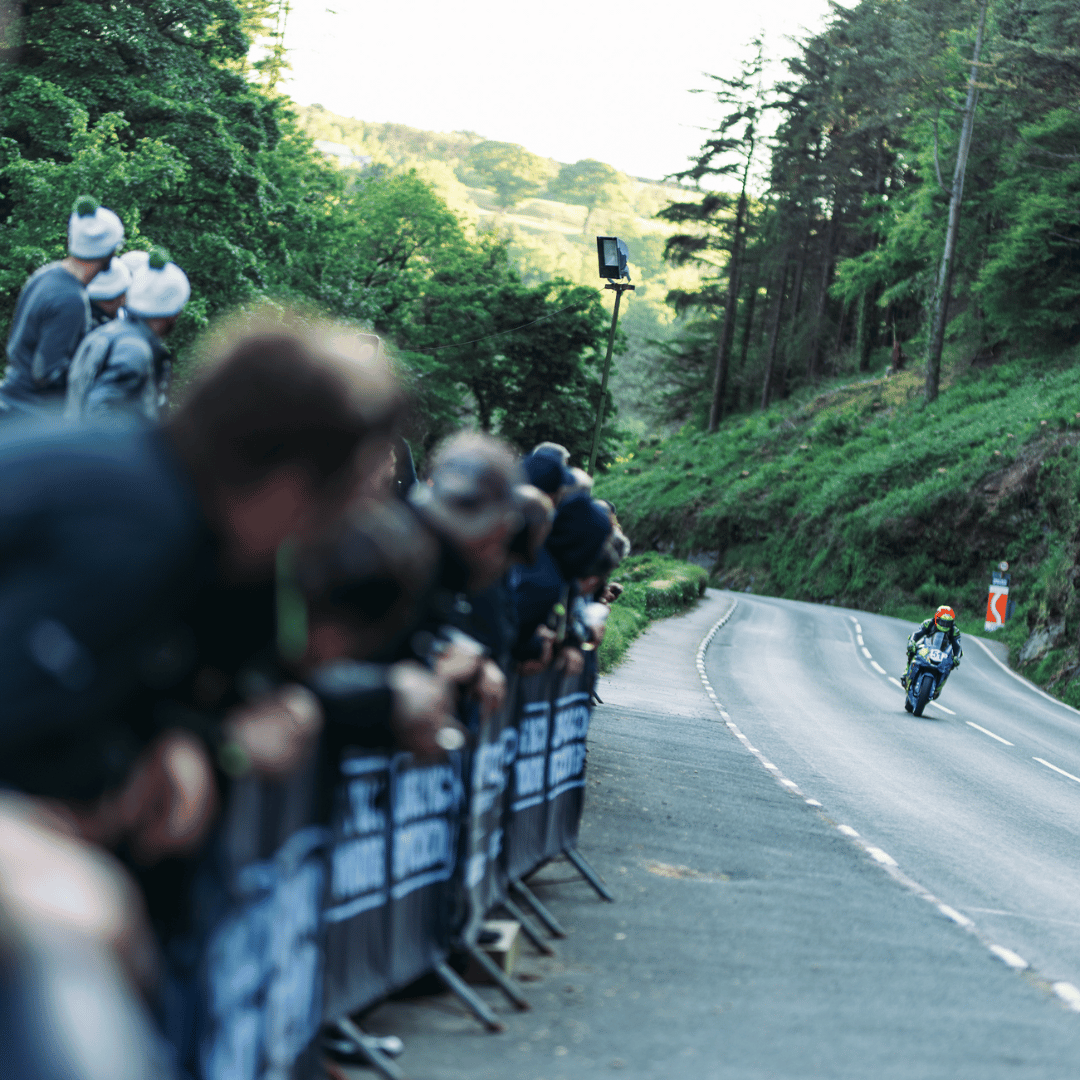
The Snaefell Mountain Course, measuring 37.73 miles, is the crown jewel of the Isle of Man TT. The course meanders through a variety of terrains—including streets, rural roads, and challenging mountain passes—making it one of the most demanding courses in the world. Riders must exhibit immense skill and focus to navigate the twists, turns, and unpredictable weather conditions that typify this iconic track.
Key Features of the Course
| Feature | Description |
|---|---|
| Length | 37.73 miles |
| Elevation | Maximum height of 1,386 feet at Snaefell summit |
| Curves | Over 200 corners |
| Road Type | Public roads closed for the event |
| Speed Record | Fastest lap in 2019 recorded at 134.432 mph |
The Modern Era of the TT
The last few decades have seen the Isle of Man TT evolve into a grand spectacle, incorporating newer technology, enhanced safety measures, and a wider audience. Advancements in aerodynamics, as well as the use of data analytics, have changed how riders prepare for this legendary race, pushing the envelope of speed and performance. Additionally, the Isle of Man TT has expanded its reach globally, attracting diverse spectators and fostering a vibrant online community of motorcycle enthusiasts.
Impact on Culture and Community
The significance of the Isle of Man TT transcends the race itself. It heralds a celebration of motorcycles and camaraderie, uniting riders and fans from all walks of life. Motorcycle riders find joy in the shared adrenaline rush, the challenge of the course, and the raw beauty of the landscape around them. Social media platforms and online forums allow enthusiasts to connect, share experiences, and celebrate their devotion to this remarkable event.
Safety and Innovation
In light of the inherent risks involved, safety has become a top priority at the Isle of Man TT. The governing body has implemented strict guidelines and regulations that riders must adhere to, which include advanced safety gear and promotes the use of motorcycle bandanas to shield against wind and debris. Furthermore, constant enhancements to the motorcycle technology have contributed to improving rider safety during the race.
The Role of Community in Safety
The contributions and camaraderie from the local community play a vital role in ensuring that the Isle of Man TT continues to be a memorable experience for everyone involved. Local businesses thrive during the event, with many offering motorcycle gear, merchandise, and the iconic Isle of Man motorcycle bandana that has become symbolic among fans.
Upon entering the festival, riders and fans alike receive warm hospitality from the local population, as well as the support required for a successful race season. It highlights how the Isle of Man TT isn’t merely a race but a cornerstone for the community's identity.
The Future of the TT
As the Isle of Man TT moves forward, the passion for motorcycle racing shows no sign of fading. The combination of cutting-edge technology, a dedicated fan base, and an ever-evolving motorcycle scene suggests that the TT will continue to thrive as a cherished event for years to come. Additionally, as motorcycle brands push boundaries regarding performance and safety, the upcoming editions of the TT will undoubtedly showcase new innovations and leave an indelible mark on its storied history.
Exciting Developments Ahead
Looking ahead, there are myriad opportunities for partnerships, collaborations, and promotions that could elevate the Isle of Man TT to new heights. Incorporating sustainable practices and enhancing the viewer experience can keep this historic event as relevant as ever. The demand for merchandise, such as apparel and accessories that cater to fans—from iconic motorcycle bandanas to branded gear—will only fuel the ongoing enthusiasm.
Keep Your Spirit Alive
As we reflect on the remarkable journey of the Isle of Man TT, it’s vital to celebrate not just the races but also the passionate individuals, thrilling stories, and rich culture intertwined with this legendary event. Whether you're a motorcycle rider participating in the race or an enthusiastic spectator cheering on your favourites, the Isle of Man TT will forever hold a significant place in the heart of motorsport.
Join the community, embrace the spirit of adventure, and keep the passion for motorcycling alive! It's an exhilarating journey that beckons and inspires bikers to conquer the open roads with unmatched zeal.
Frequently Asked Questions
1. What is the Isle of Man TT?
2. When did the Isle of Man TT first take place?
3. What are some key milestones in the history of the Isle of Man TT?
4. What challenges does the Snaefell Mountain Course present to riders?
5. How has safety evolved during the Isle of Man TT?
Glossary
| Term | Meaning |
|---|---|
| Isle of Man TT | An iconic motorcycle race held annually on the Isle of Man. |
| Snaefell Mountain Course | The main race course, measuring 37.73 miles with over 200 corners. |
| Motorcycle Bandana | A practical accessory for riders to protect against dust and debris. |
| Junior TT | A specific race category introduced in 1923 for younger competitors. |
| Sidecar TT | A race category featuring motorcycles with sidecars, established in the 1950s. |
| Speed Record | Fastest lap record achieved during the race, notably 134.432 mph in 2019. |
| Safety Regulations | Guidelines implemented to ensure rider safety during the event. |
| Community Impact | The local community's support and involvement during the TT event. |
| Adventure Aficionados | Enthusiasts who seek thrilling experiences, particularly in motorsports. |
| COVID-19 Pandemic | The 2020 event cancellation marked the first absence since WWII. |
Linked Product

Black Dub, Isle of Man Road Sign Motorcycle Bandana
The Black Dub, Isle of Man Road Sign Motorcycle Bandana offers both style and functionality for motorcycle enthusiasts. Made from lightweight, breathable polyester, it provides comfort while blocking wind and dust during rides. Its compact design makes it easy to pack, making it suitable for both racing events and everyday use.
View Product