







Overview
The Isle of Man TT is a historic motorcycle race, originating in 1907, known for its challenging course and thrilling atmosphere. Over the years, it has evolved into a major motorsport event, facing challenges like world wars and safety concerns while fostering a vibrant culture and community. The race now includes modern innovations, such as electric categories, engaging a new generation of fans and racers, with merchandise like vintage motorcycle tees symbolising the enduring legacy of this iconic event.
Key Takeaways
- The Isle of Man TT started in 1907, established as a thrilling motorcycle race that attracts global attention.
- Safety measures have evolved significantly, reducing fatalities and improving rider protection over the years.
- Post-war period marked a golden era for the TT, with legendary riders showcasing their skills and pushing technological advancements.
- The race has adapted to modern trends, including the introduction of electric motorcycle categories to engage younger audiences.
- British Superbikes influence the TT by nurturing talent that competes at the international level, enhancing the competitive landscape.
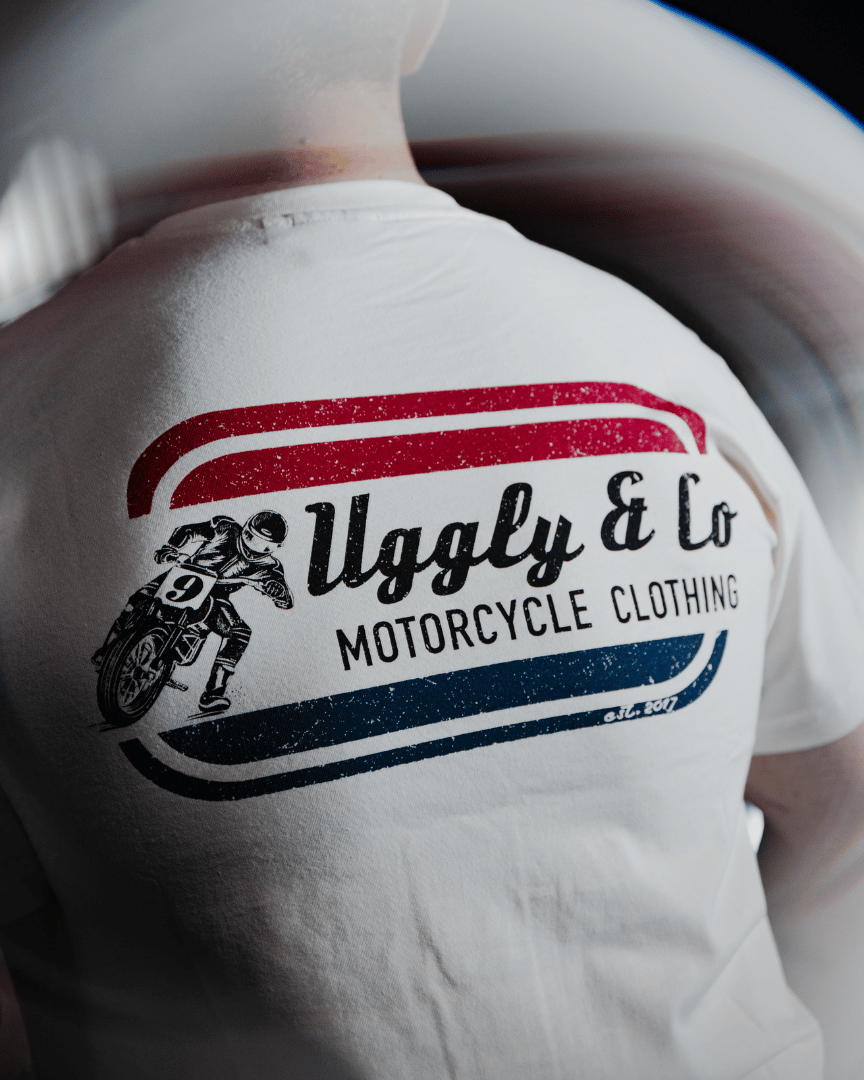
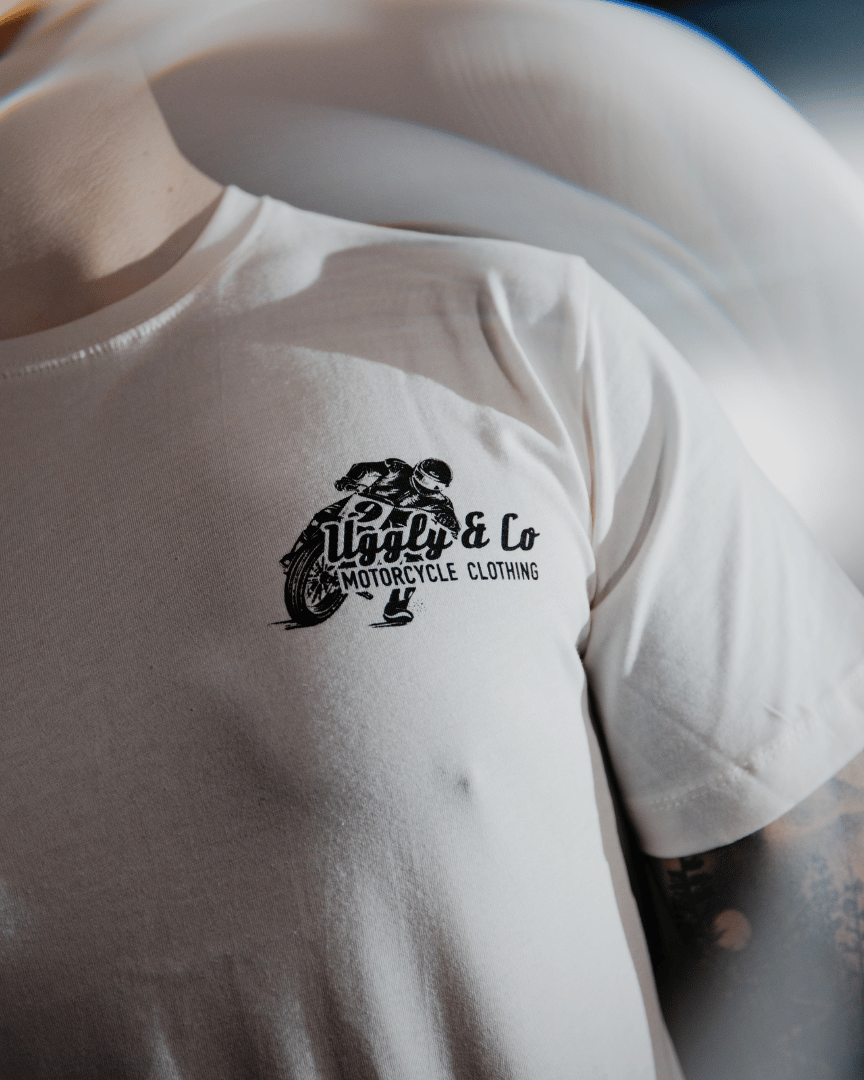
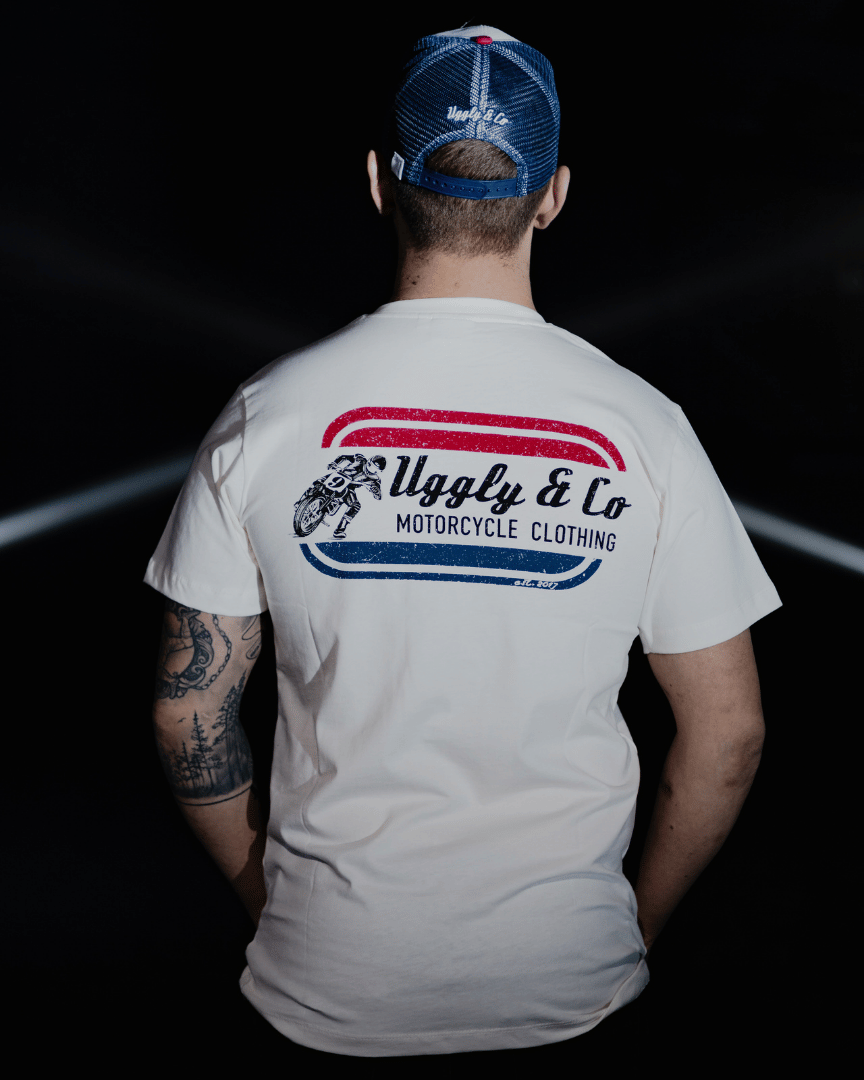
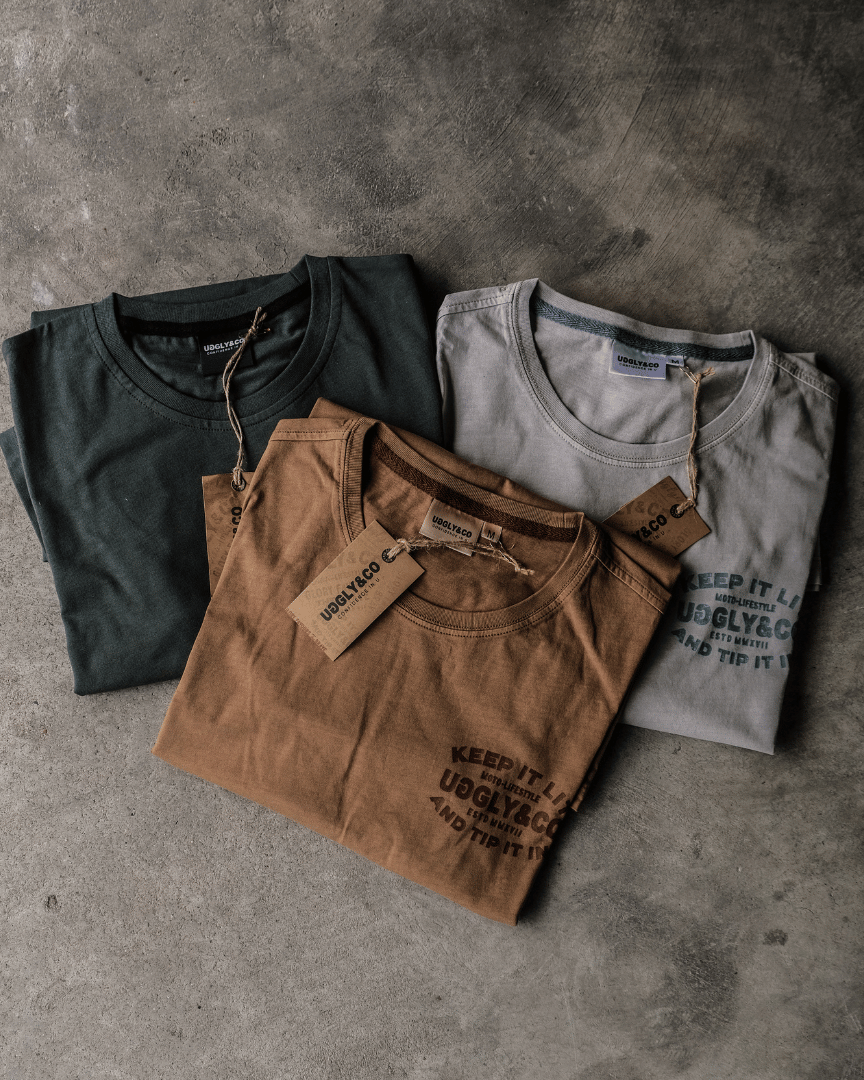
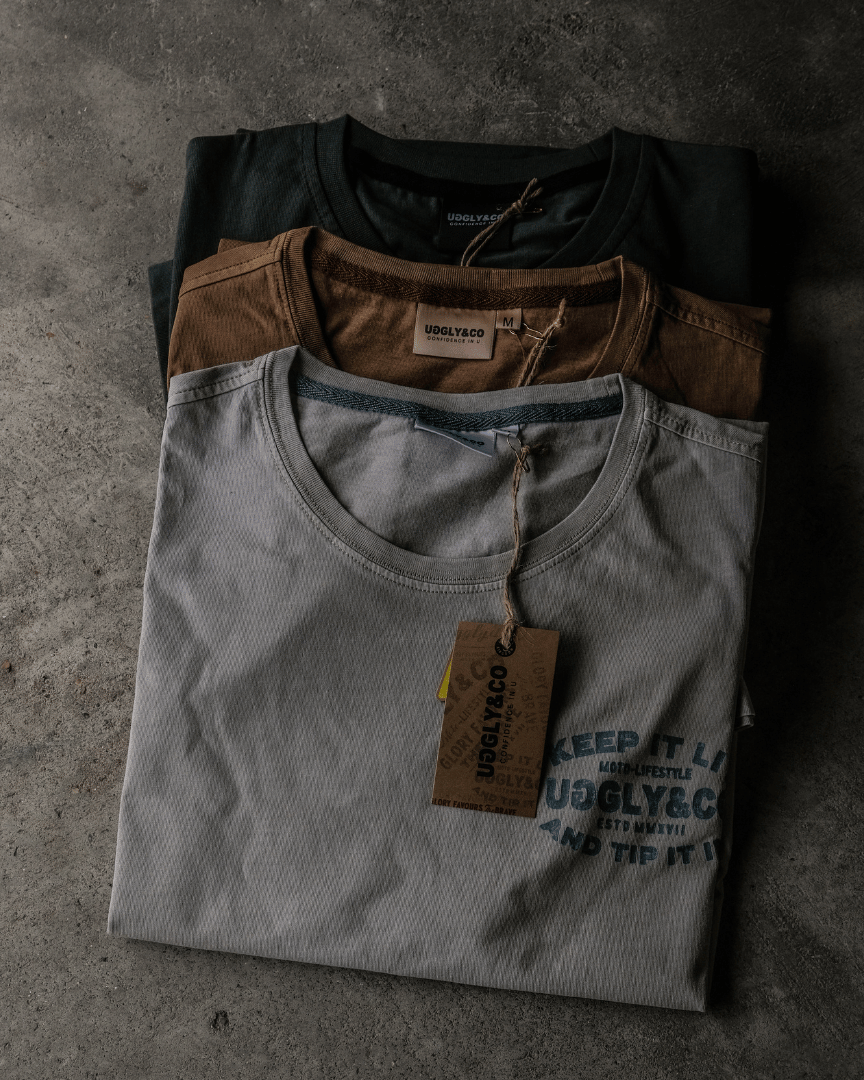
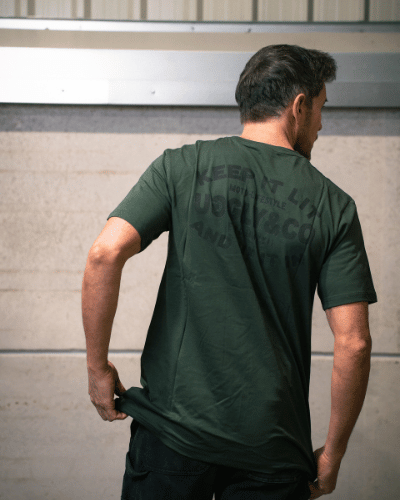
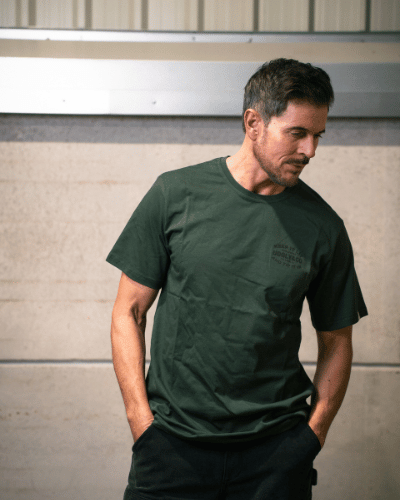
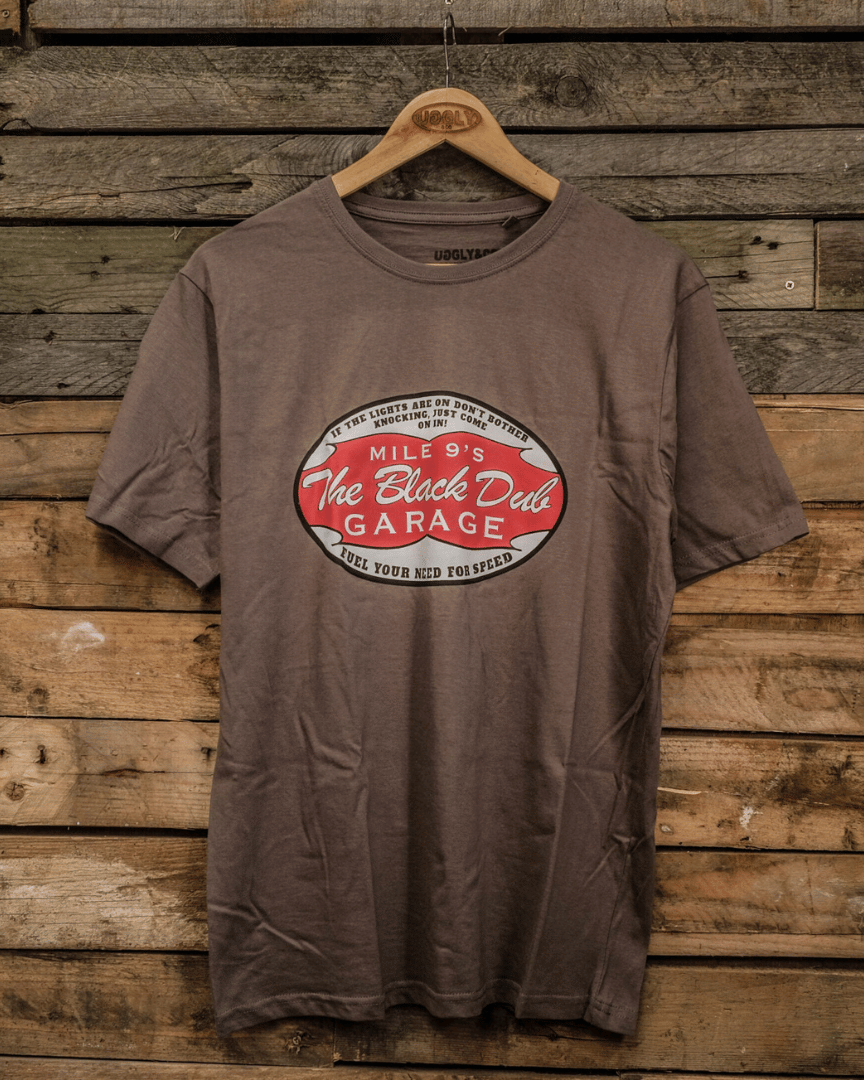
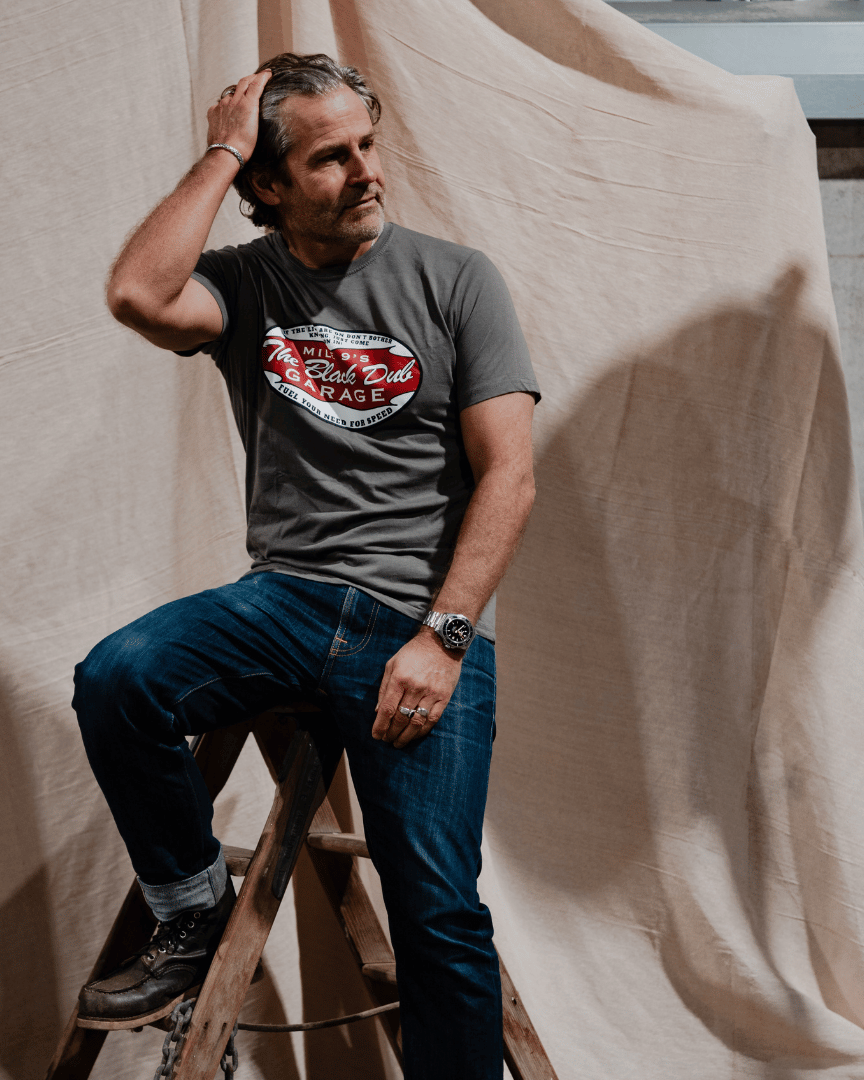
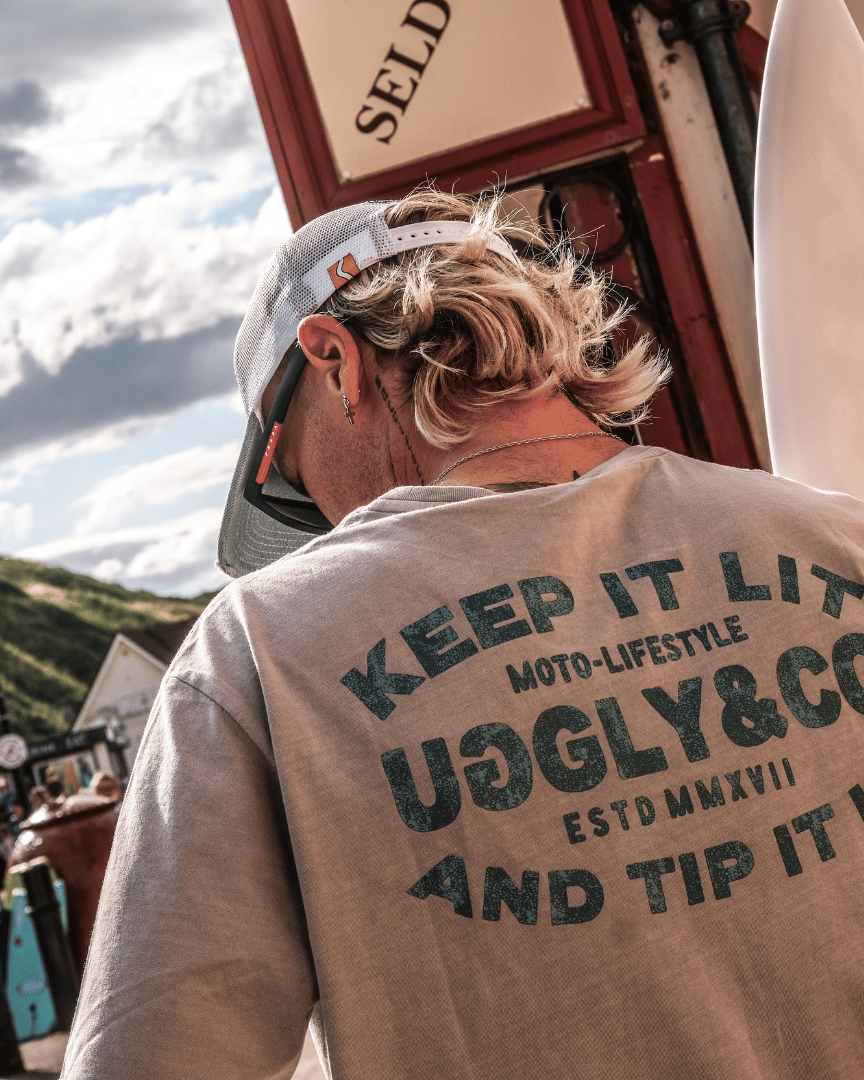
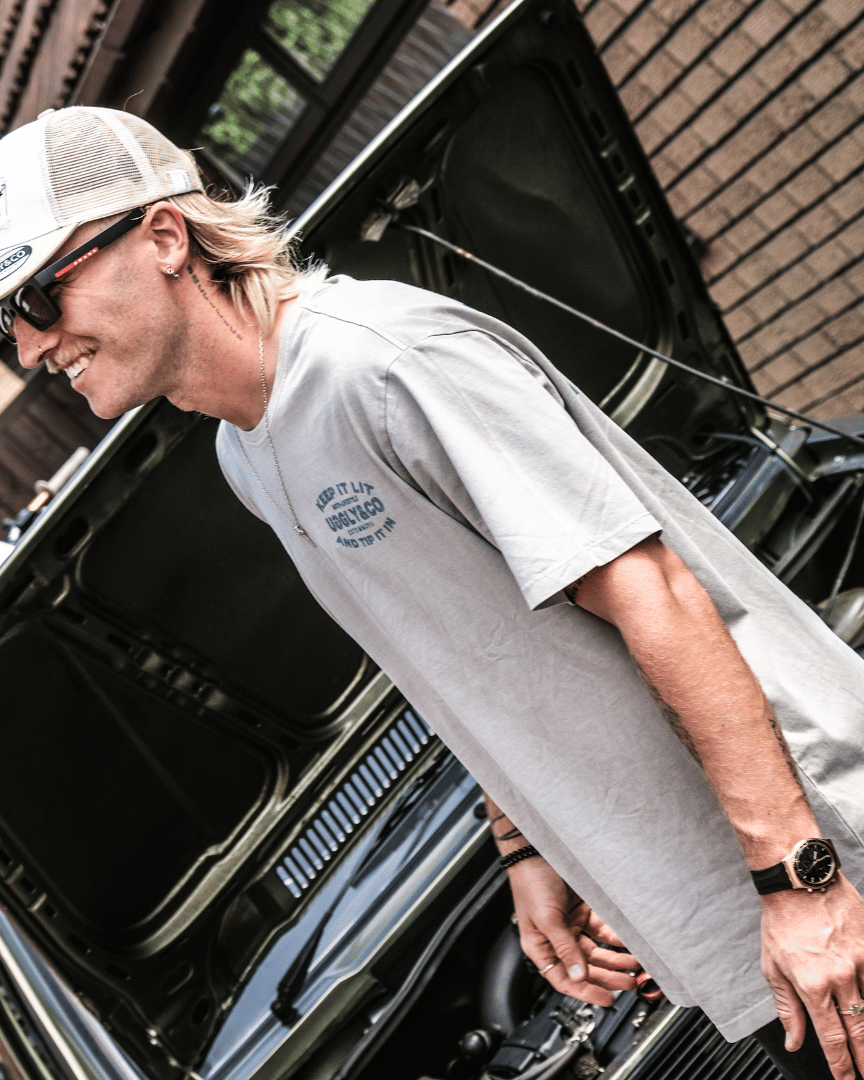
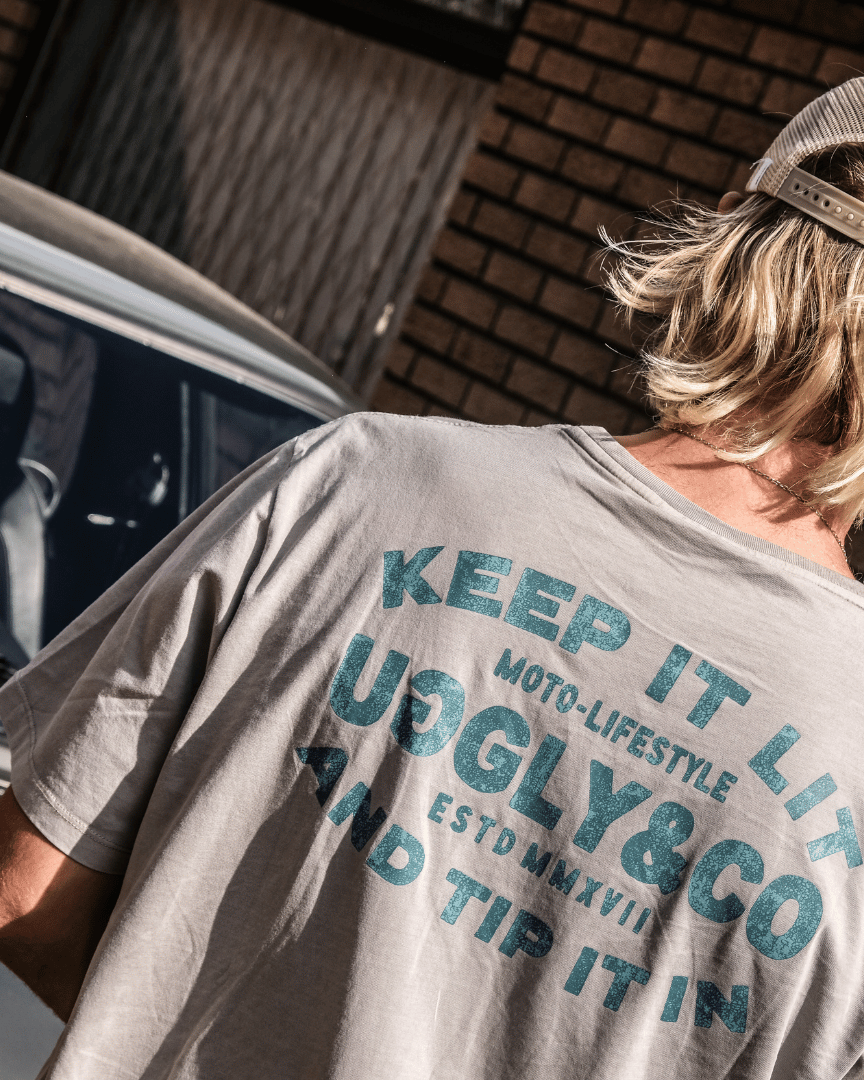
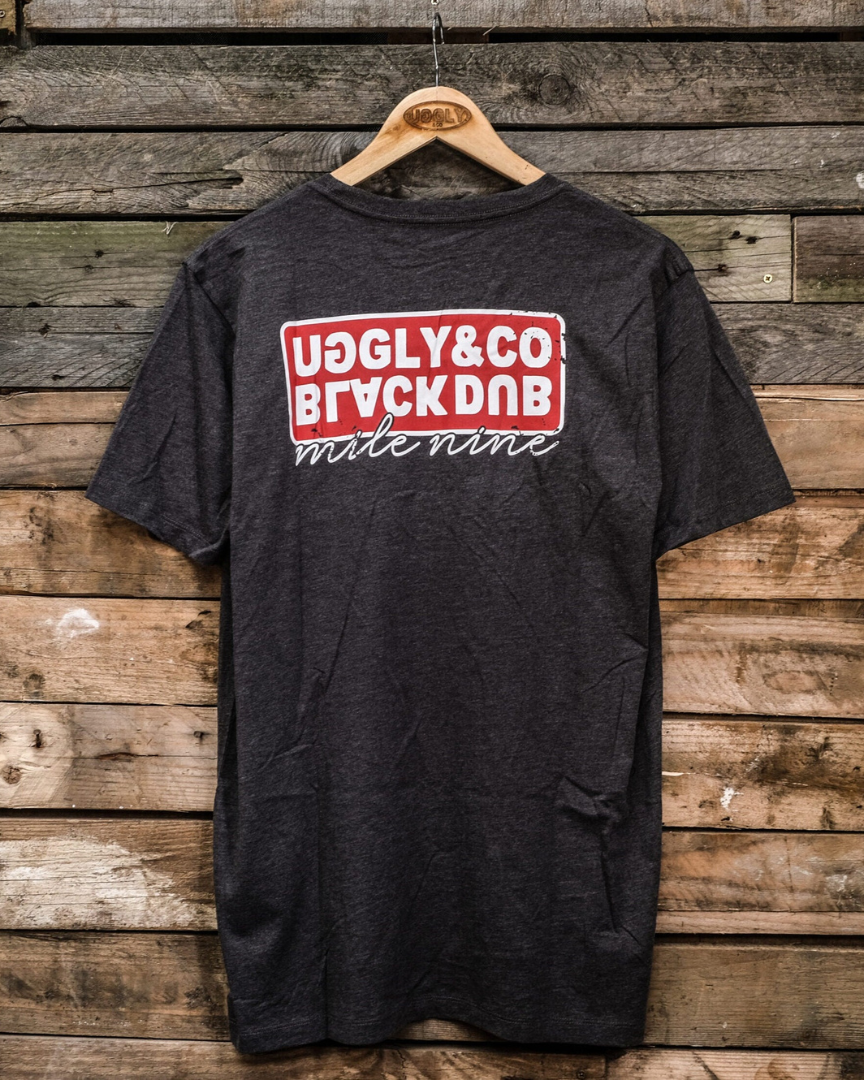
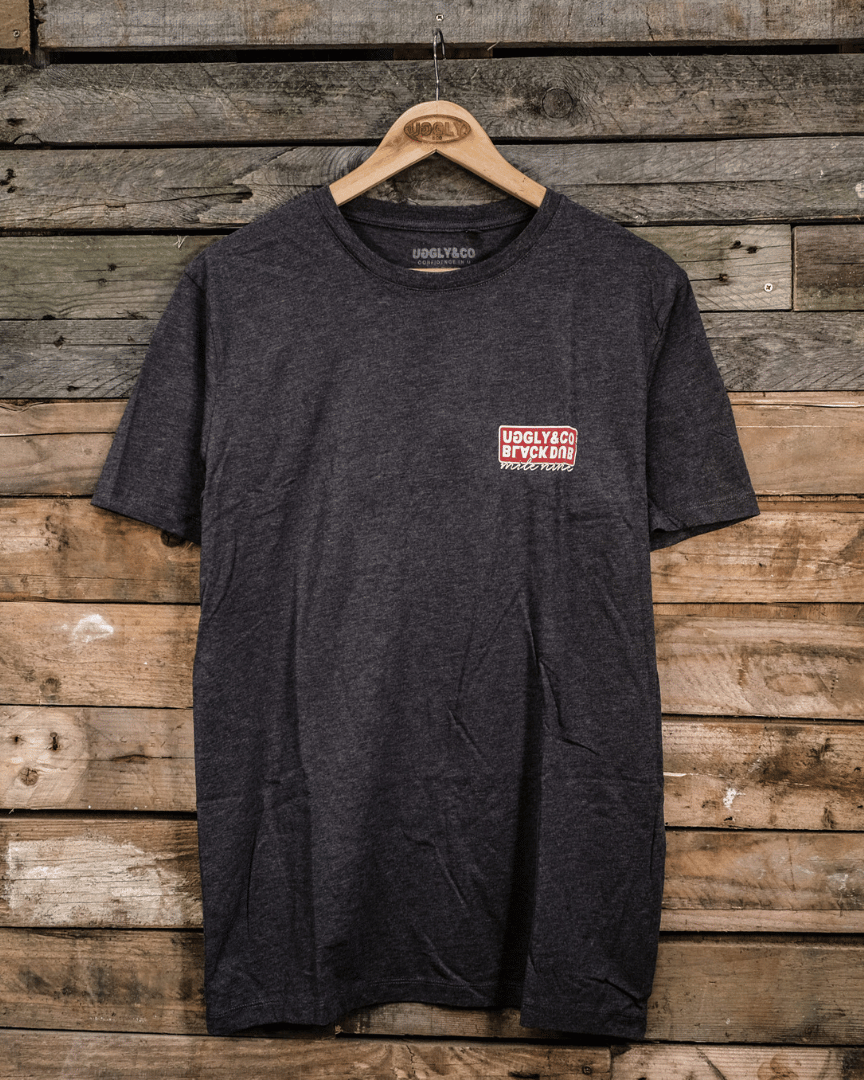
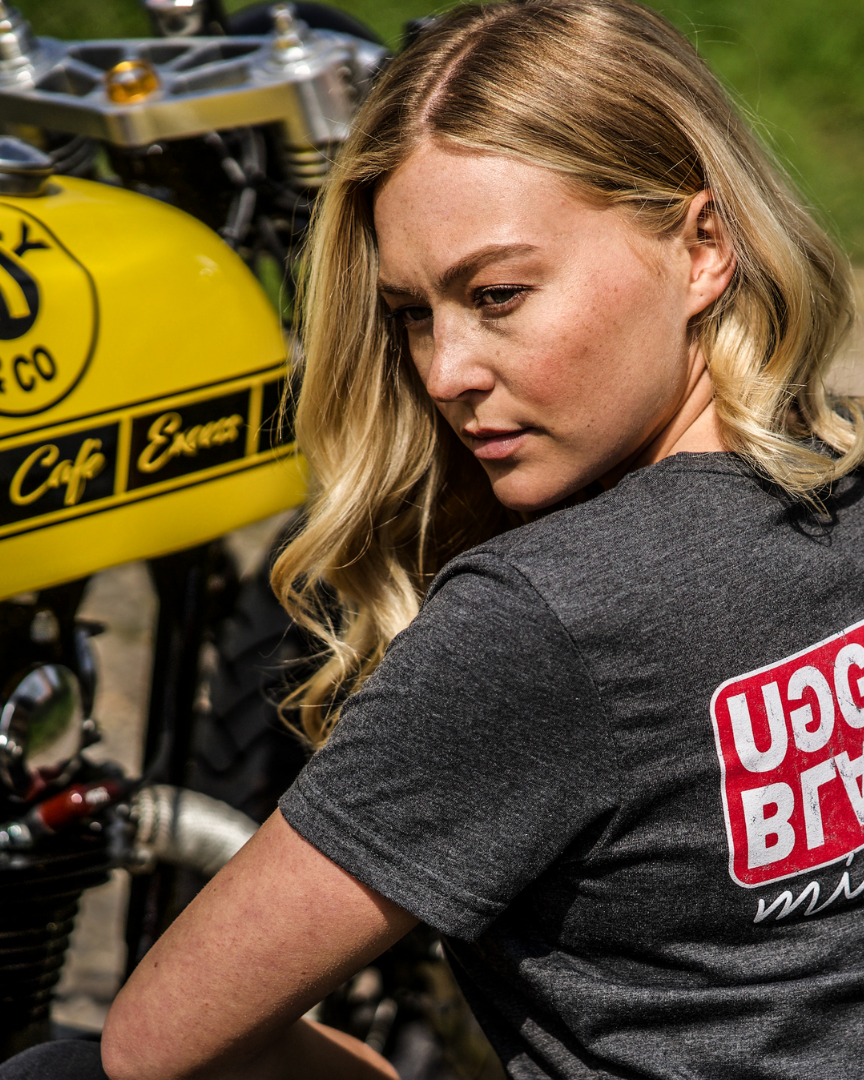
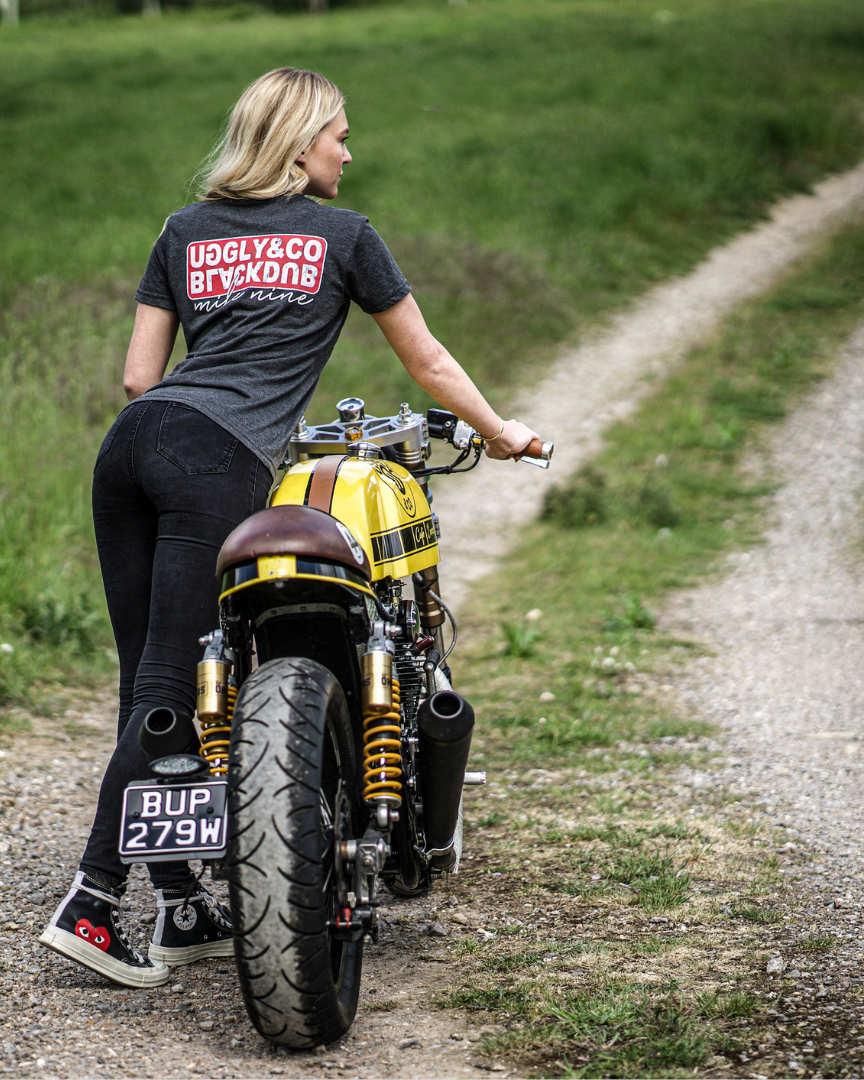
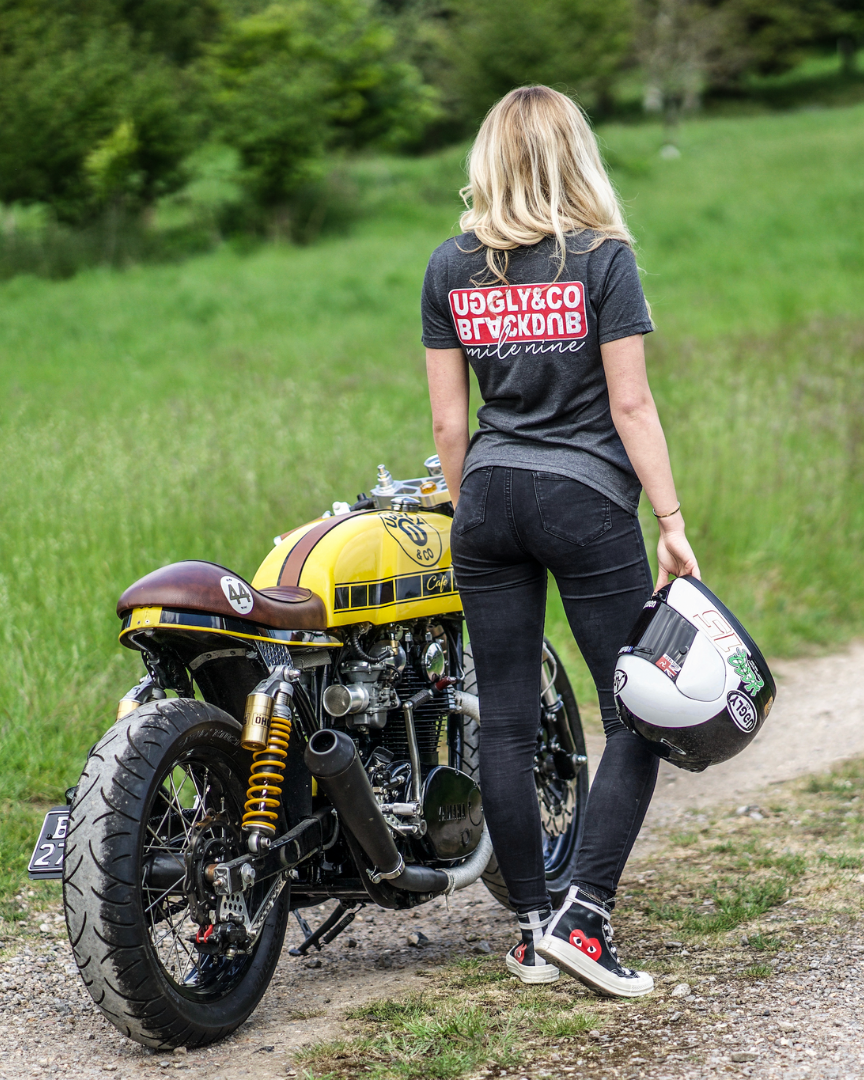
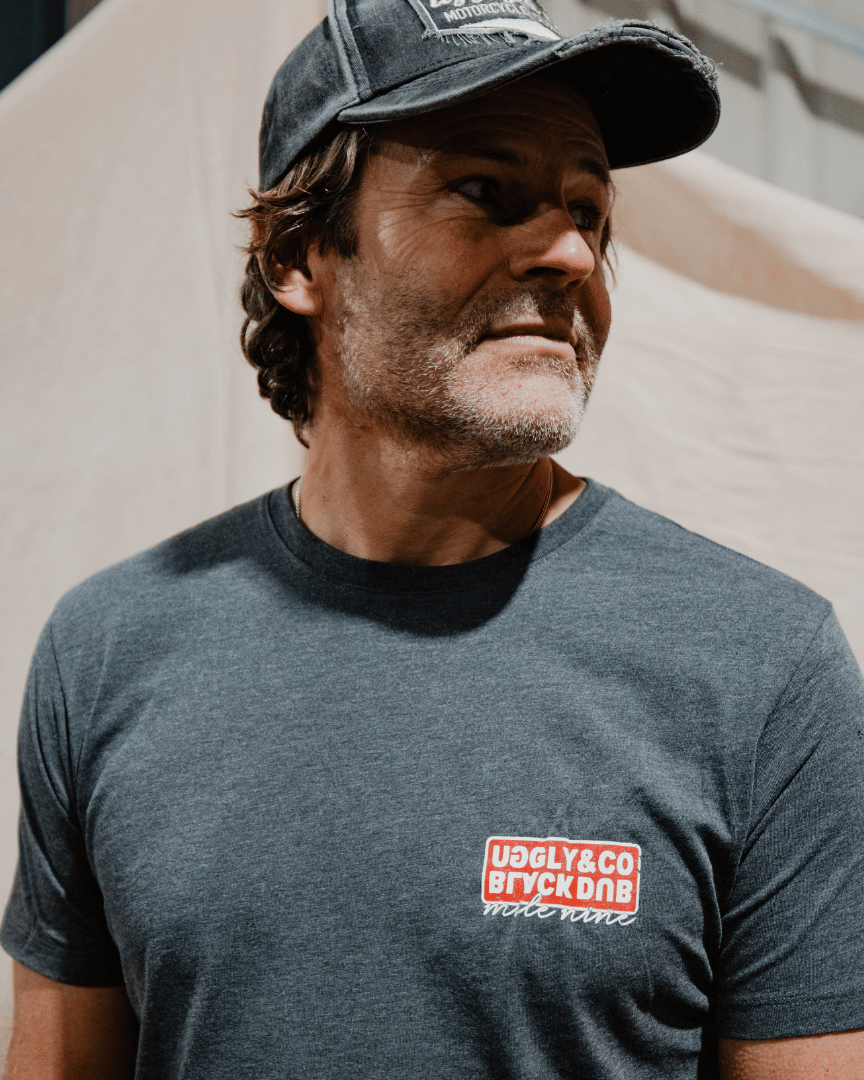
- Merchandise like vintage motorcycle tees serves as a cultural symbol, connecting fans with the rich history of the race.
- The Isle of Man TT is a celebration of community, drawing enthusiasts from around the world to share in the excitement and heritage of motorcycling.
The Isle of Man TT (Tourist Trophy) is not just a motorcycle race; it's a phenomenon that has captivated racers and fans alike since its inception. Renowned for its grueling track and thrilling atmosphere, this event has evolved over more than a century. In this article, we will explore the intriguing history of the Isle of Man TT, from its humble beginnings to its current status as one of the most celebrated motorcycle races in the world. We will also highlight how this iconic event has influenced gear and apparel, including the rise of the vintage motorcycle tee and its connection to the world of British Superbikes.
The Inception of the Isle of Man TT
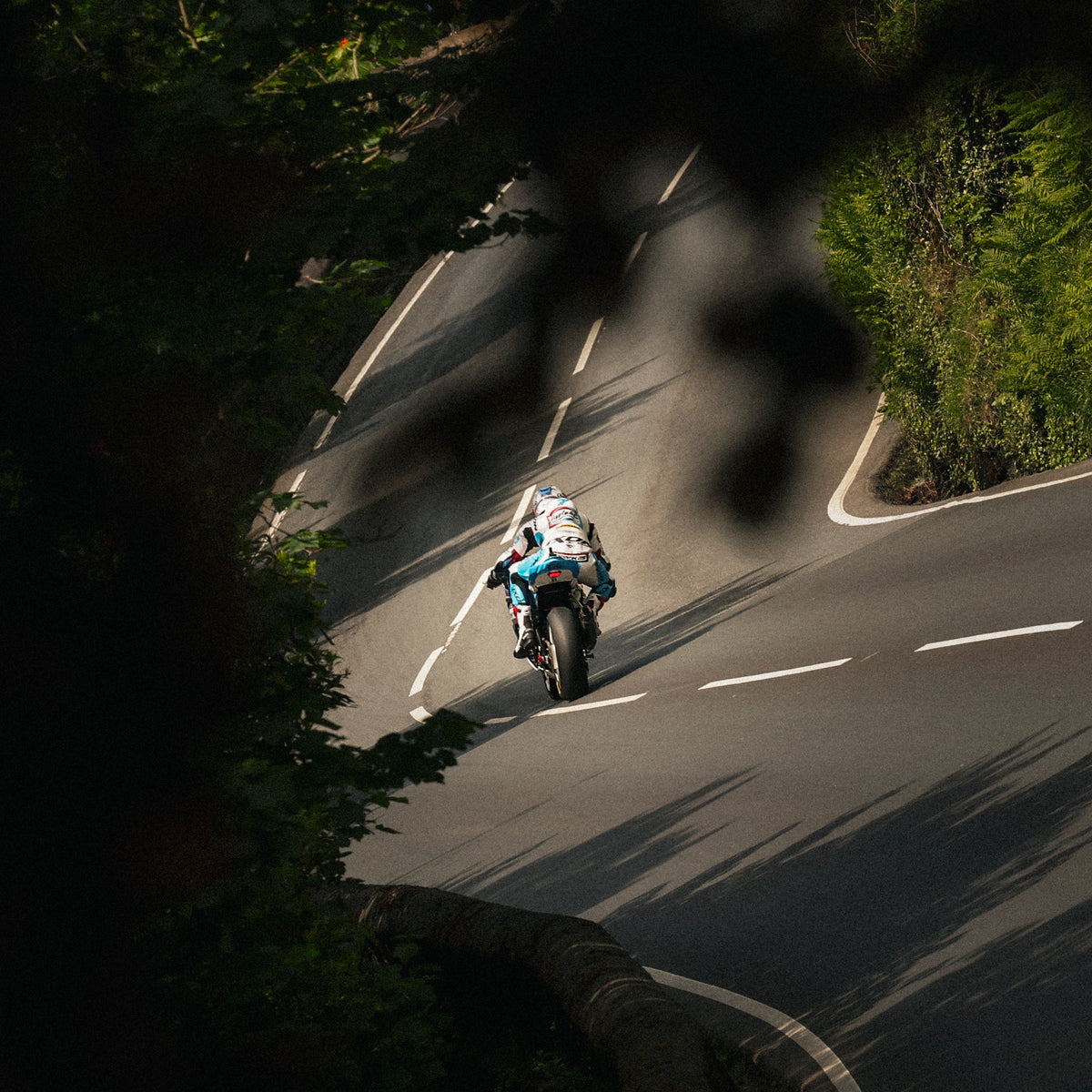
The Isle of Man TT began in 1907, making its mark on the world of motorsports. The race was the brainchild of the Auto-Cycle Union, who sought a venue that was free from safety regulations that could stifle the excitement. The Isle of Man, with its winding roads and picturesque landscape, proved to be the perfect environment. The original race consisted of six laps of the 15-mile Snaefell Mountain Course, amounting to a rigorous 200 miles.
The First Race and Early Years
The inaugural race on May 28, 1907, saw only a handful of competitors, with the winner, Remy Gardner, claiming victory on a Moto Guzzi. The race attracted considerable attention, and racers quickly realised the potential of the Isle of Man TT as a platform for testing their limits. The early years established the TT’s reputation not only as a race demanding precision and speed but also as one where courage and skill were paramount.
The TT garnered a reputation for danger, especially during the early part of the 20th century. Spectators were scarce, and safety measures were almost non-existent, creating an adrenaline-fueled atmosphere that many found irresistible. The introduction of stricter regulations in the 1920s aimed for safer conditions, paving the way for riders to compete more fiercely and the popularity of the race soared.
Changing Times: The Impact of War
The Isle of Man TT faced numerous challenges during both World Wars. The event was suspended during the First World War, as fuel and resources were diverted to the war effort. In 1914, the last race before the war saw a significant downturn in racer participation, with only a handful of competitors willing to take the risk. Fortunately, the event resumed in 1920, signalling the resilience of the sport.
Yet, just as the TT gained traction, the Second World War halted it entirely from 1939 to 1945. After the war, the TT re-emerged with renewed enthusiasm, establishing itself as an international racing event that showcased the skills of the best riders from around the globe.
The Golden Era of the Isle of Man TT
The post-war period marked the golden era for the Isle of Man TT, especially during the late 1940s to the 1970s. Legendary riders such as Mike Hailwood, Giacomo Agostini, and Phil Read showcased their incredible prowess on the challenging course, pushing the limits of speed and skill. During this time, the race transformed into a spectacle, pulling in thousands of spectators annually.
As the race evolved, so did the motorcycles. The machines became faster, lighter, and more technologically advanced, reflecting the advancement in engineering and design. This transformative period contributed to the growth of motorcycle culture, with classic vintage motorcycle tees becoming a popular expression of admiration for the sport and its icons.
Introducing Modern Racing
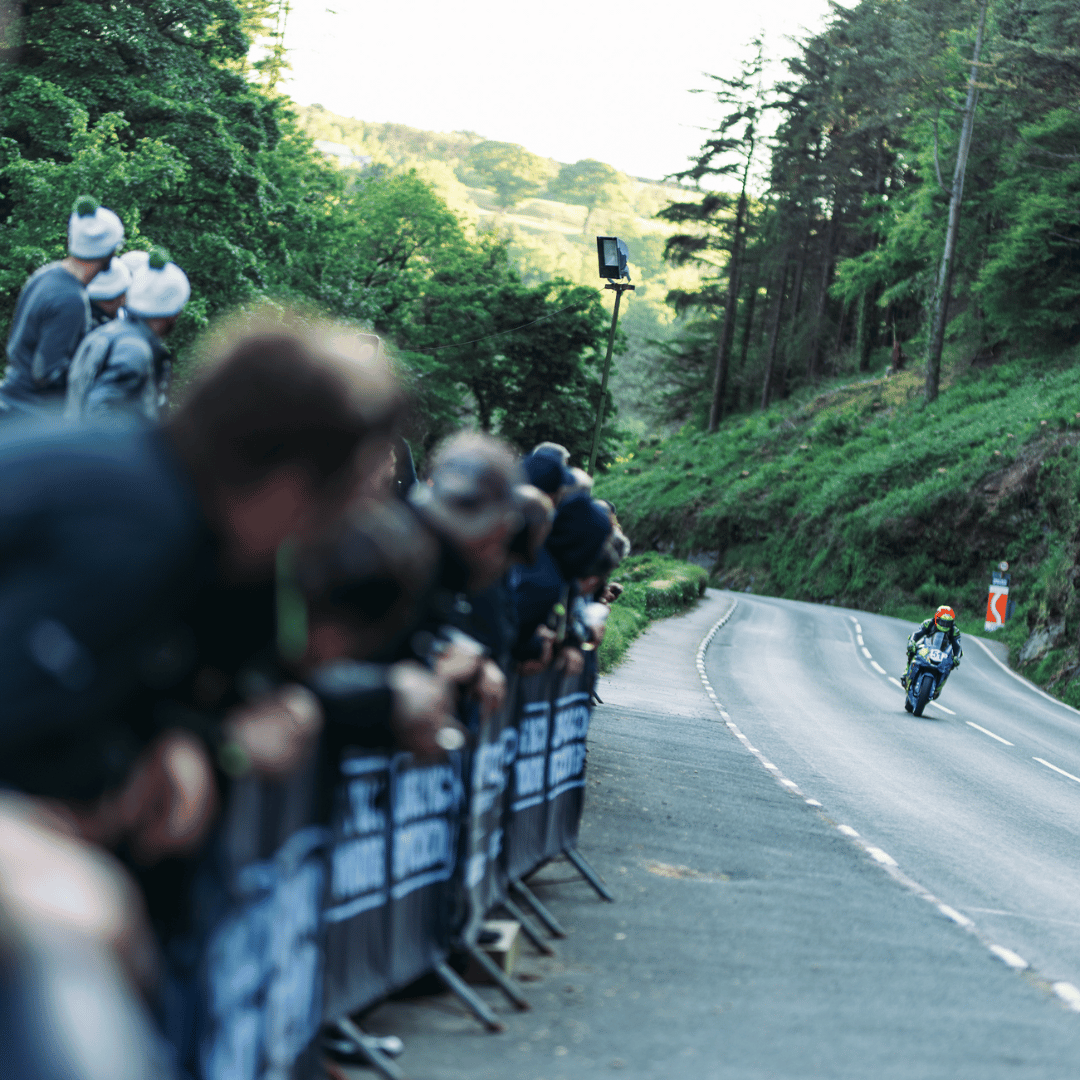
The modern era of the TT has witnessed a significant shift. Today, the race draws huge crowds of fans, with a festival atmosphere that ignites excitement for not just the racers, but everyone involved. The advent of television and internet coverage has played a significant role in this transition, allowing millions across the world to keep track of the race, witness the electrifying performances, and indulge in the rich culture surrounding the TT.
Safety Developments in Racing
With the excitement of the TT came the need for improved safety measures. The race has experienced its share of tragedies, prompting organisers to implement a variety of safety regulations over the years. In recent decades, the introduction of better safety gear, improved medical facilities, and more rigorous pre-race inspections have contributed to a marked decline in fatalities.
The Role of the British Superbikes
The British Superbikes have also played an essential role in shaping the racing landscape on the Isle of Man. As a popular national championship, the British Superbikes nurtures talent that can go on to compete on an international stage, including the TT. Riders who excel in the British Superbikes often find their way to the TT, adding to the race's competitive edge.
This synergy between the British Superbikes and the Isle of Man TT has influenced not just the racing style but also the fashion that surrounds these events. Motorcycling enthusiasts have embraced the culture with iconic fashion pieces like the vintage motorcycle tee, which serves as a tribute to the richness of the sport.
The Isle of Man TT Today
In recent years, the Isle of Man TT has evolved into a more diverse event, featuring not only traditional races but also events that appeal to a younger audience. The growth of electric motorcycle categories has introduced a new demographic to the world of racing. This progressive shift reflects broader changes in transportation and environmental consciousness while preserving the legacy of the race.
The TT has maintained its character, however, preserving the thrilling danger and excitement that both riders and fans cherish. Today, the event is viewed as a rite of passage for motorcycle racers, who strive not only to perform well but to leave their mark on a rich history.
Celebrating the Isle of Man TT Culture
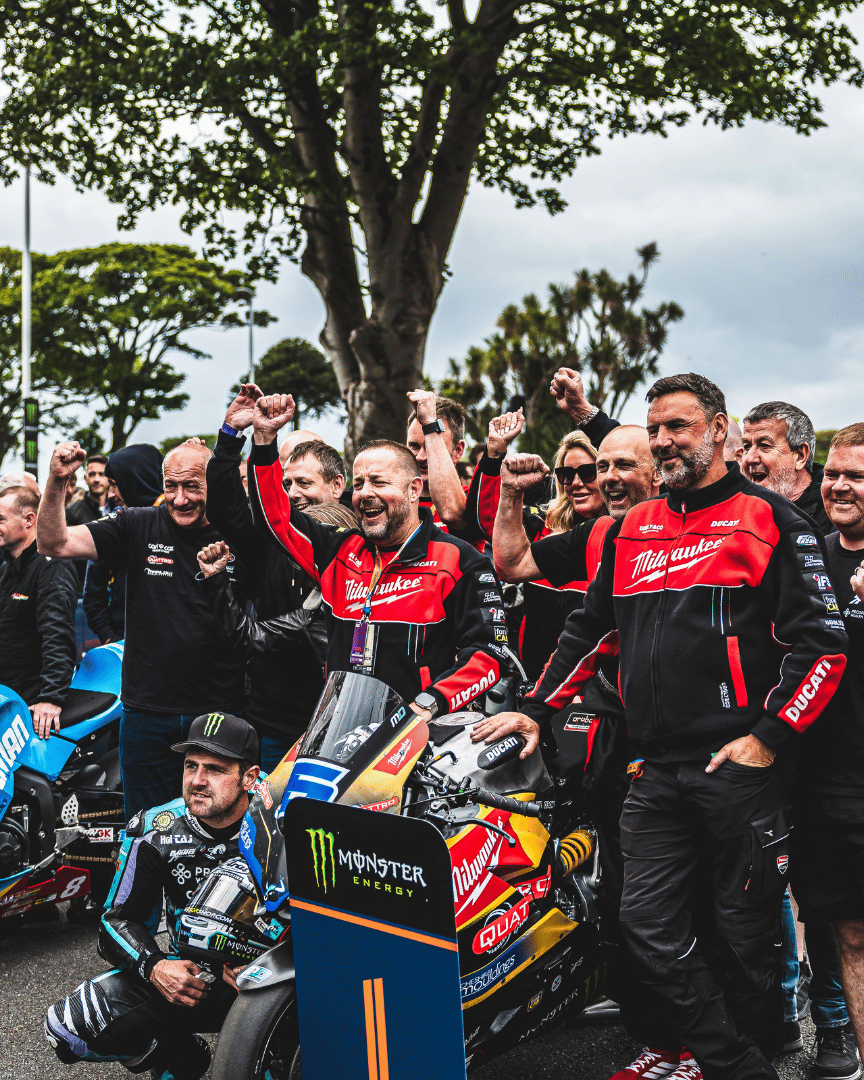
The culture surrounding the Isle of Man TT embraces diversity, camaraderie, and passion for speed. Spectators travel from across the globe to celebrate this heritage, making the TT not just a motorcycle race but a gathering of like-minded enthusiasts. There are countless events, parties, and activities that take place during the race week, contributing to the festive mood and the deep sense of community within the motorcycle world.
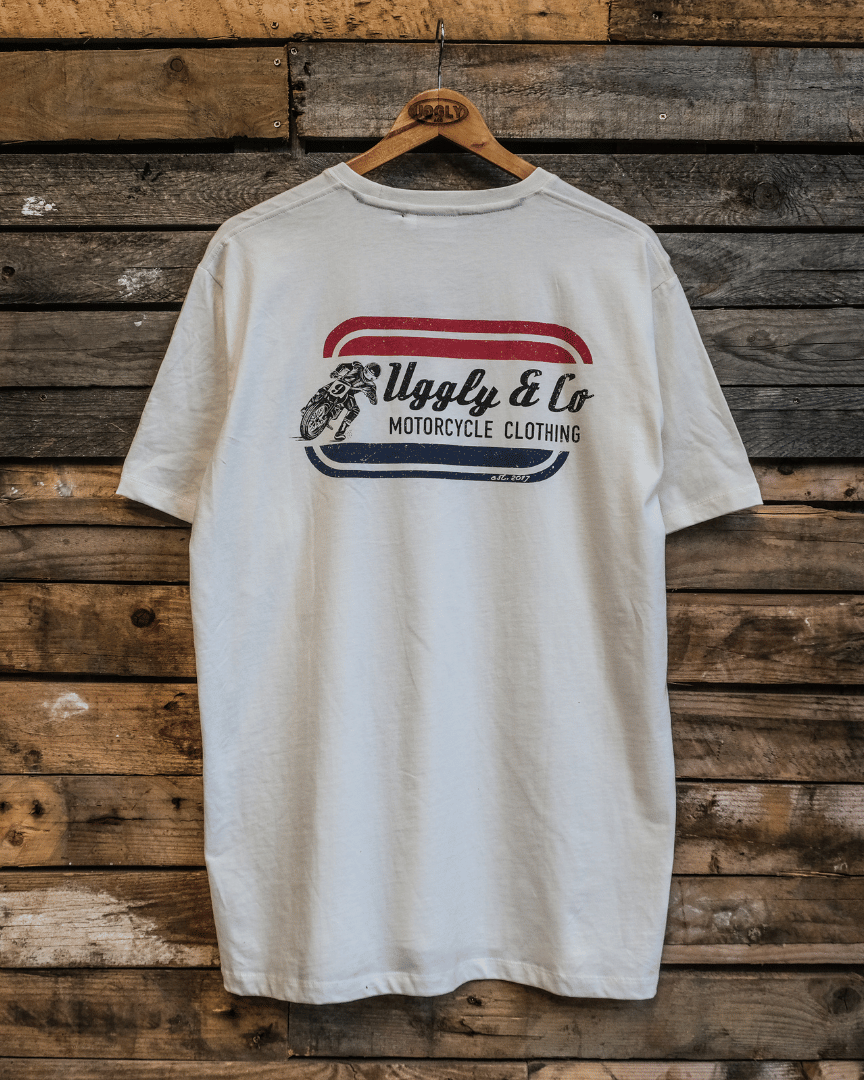
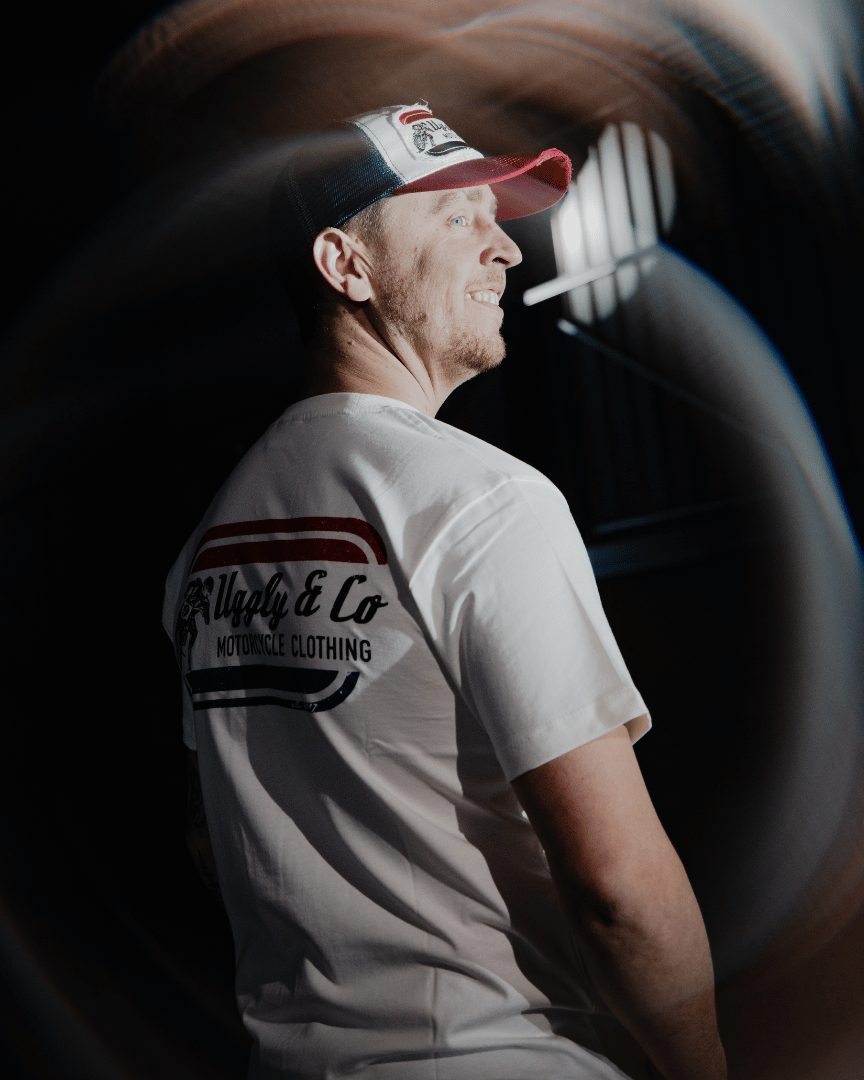
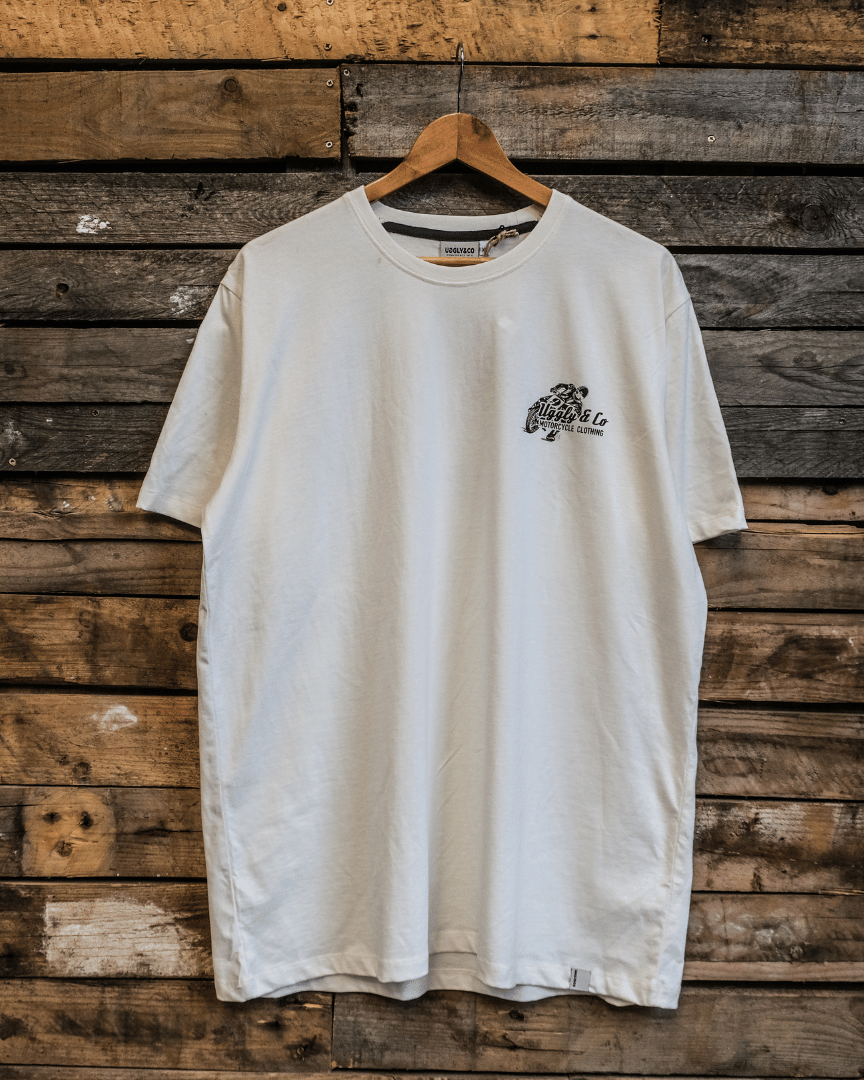
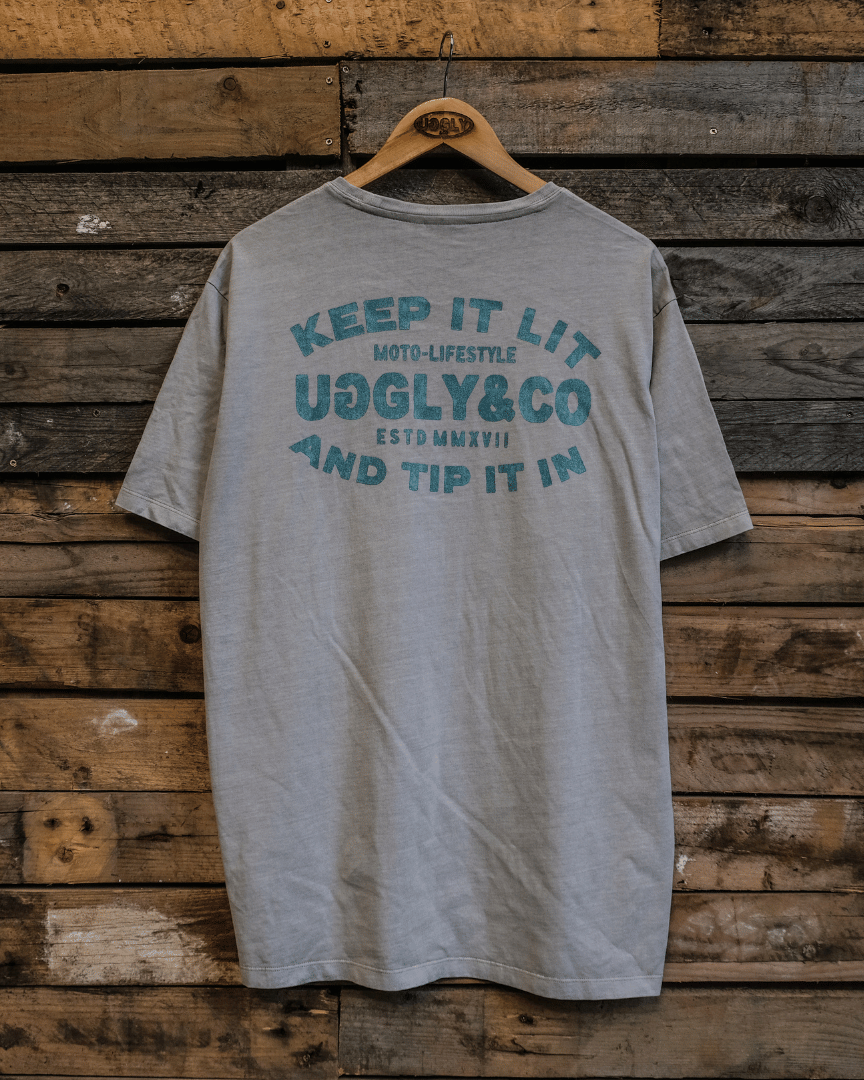
Furthermore, the creation of merchandise, from t-shirts to collectibles, has become emblematic of TT culture, with the vintage motorcycle tee holding a special place in the hearts of both fans and racers. This passion for the sport transcends generations and showcases the magic of the Isle of Man TT.
A Look into the Future
The future of the Isle of Man TT looks thrilling. With a commitment to innovation and safety, and the popularity of both traditional and electric racing, the TT is primed to remain relevant in the ever-evolving motorsport landscape. The organisers’ ongoing dedication to enhancing rider experience while retaining the race's historic character is crucial as younger enthusiasts tattoo their love for the sport with vintage motorcycle tees and support brands that honour this epic journey.
The Continuing Connection Between Riders and Fans
The legacy of the Isle of Man TT serves as a connection between riders and fans. Through merchandise like vintage motorcycle tees, fans proudly represent their love for the race and the community surrounding it. These tees pay homage to the brave souls who have competed on the treacherous terrain, showcasing a rich history that continues to inspire new generations.
| Year | Key Highlights |
|---|---|
| 1907 | Inaugural Isle of Man TT race |
| 1950s | Golden era of racing with legendary riders |
| 1970s | Rise of production bikes and technological advancements |
| 2000s | Introduction of modern safety regulations |
| 2020s | Electric motorcycle races and new engagement strategies |
As we look ahead, the Isle of Man TT is more than a historical footnote; it is a living testament to passion, determination, and a love for motorcycling. The connection formed between riders and fans through the years ensures that this iconic race will continue to resonate for decades to come. Whether you're a seasoned racer, a budding enthusiast, or simply someone who enjoys the spirit of adventure, the Isle of Man TT will always hold a special place in the world of motorsports.
Frequently Asked Questions
1. What is the Isle of Man TT?
2. When did the Isle of Man TT first take place?
3. How did World Wars impact the Isle of Man TT?
4. What has contributed to the popularity of the Isle of Man TT?
5. What role do vintage motorcycle tees play in Isle of Man TT culture?
Glossary
| Term | Meaning |
|---|---|
| Isle of Man TT | A prestigious motorcycle race held annually on the Isle of Man. |
| Snaefell Mountain Course | The primary circuit used for the Isle of Man TT race, measuring 15 miles. |
| Vintage motorcycle tee | A popular t-shirt style celebrating classic motorcycle culture. |
| Auto-Cycle Union | The governing body that established the Isle of Man TT in 1907. |
| Golden Era | The period from the late 1940s to the 1970s known for legendary riders. |
| British Superbikes | A national championship that develops riders for international competitions. |
| Electric motorcycle | A new category in racing that promotes environmental awareness. |
| Safety regulations | Rules implemented to enhance rider safety during races. |
| Merchandise | Products, such as clothing and collectibles, that celebrate the TT culture. |
| Rider experience | The overall journey and challenges faced by competitors in the race. |
Linked Product

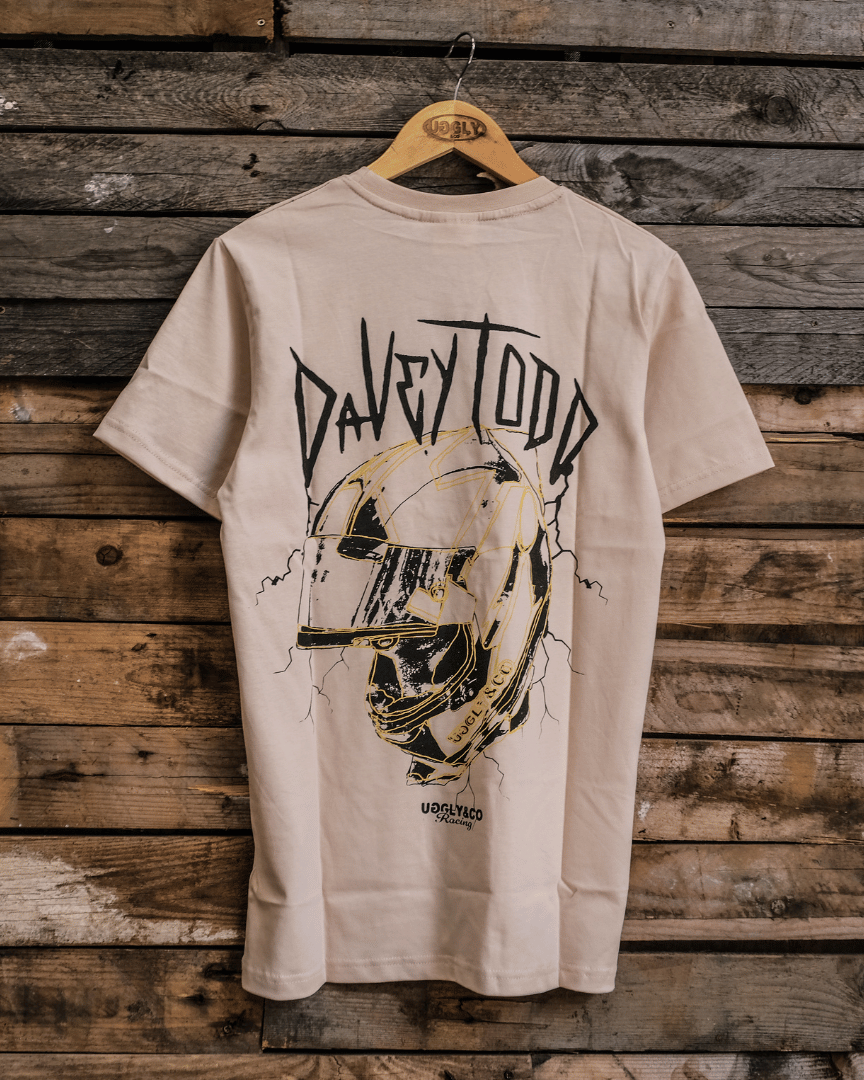
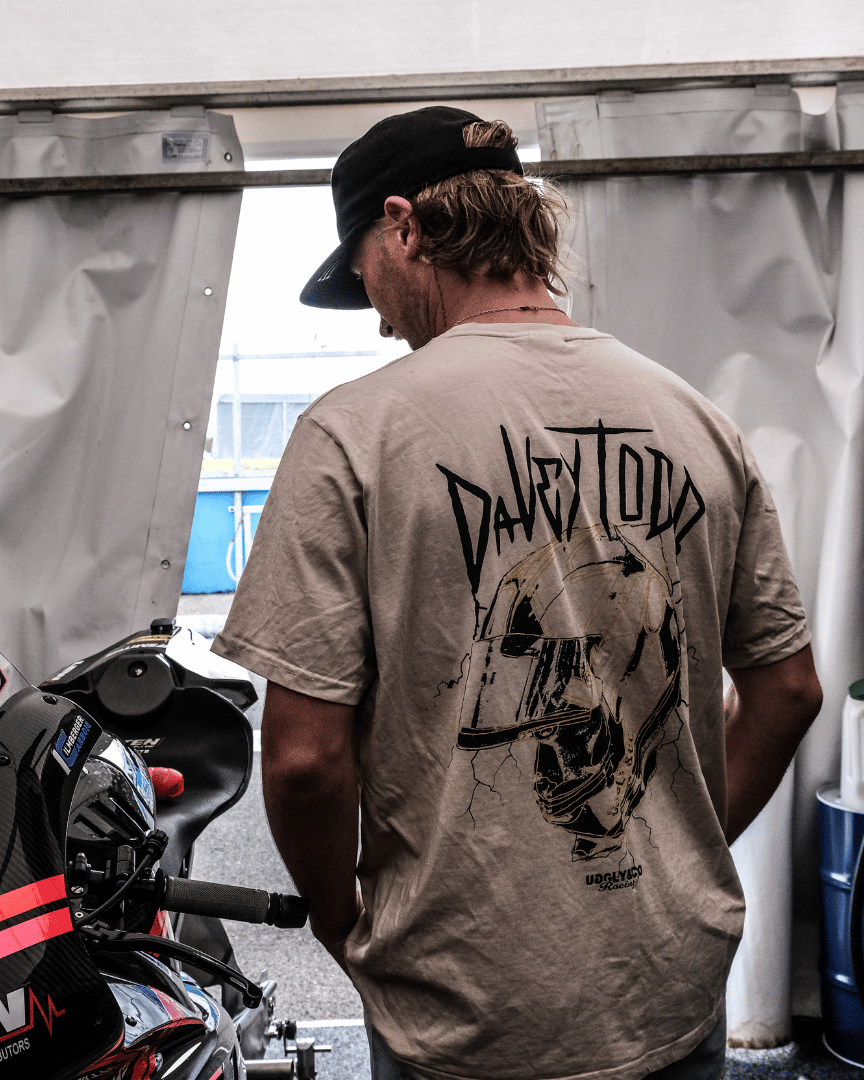
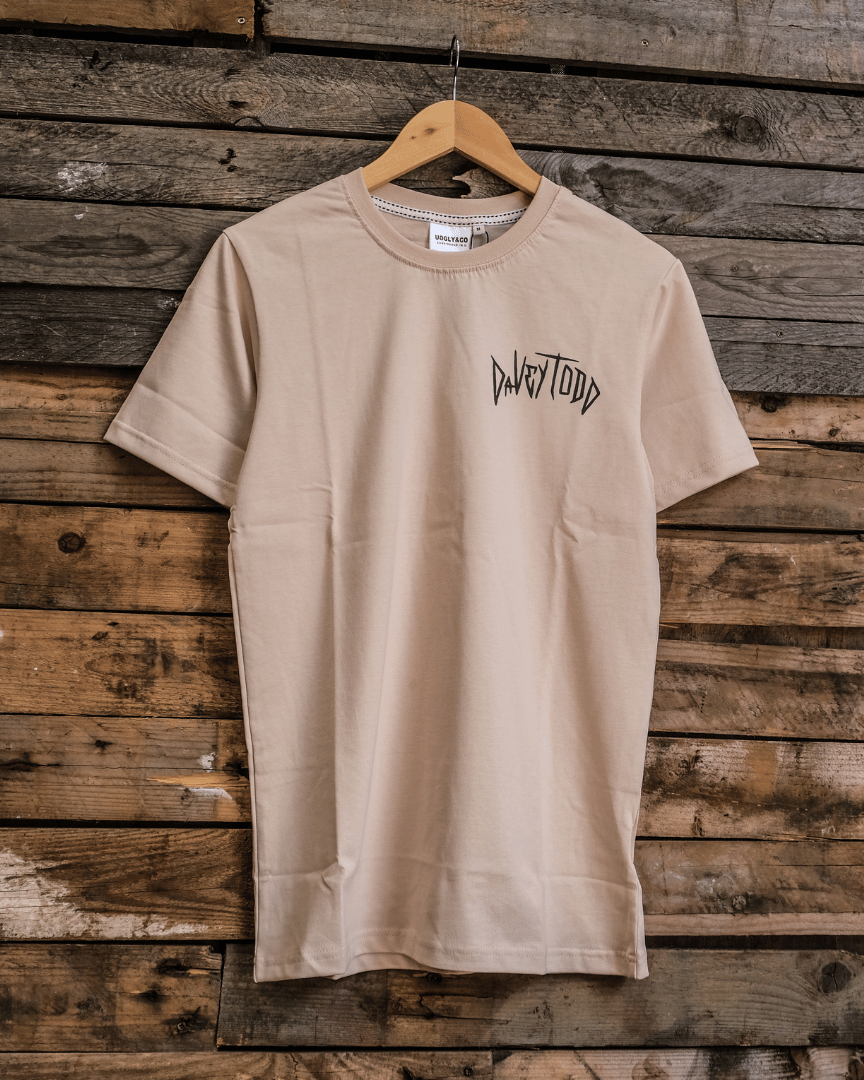
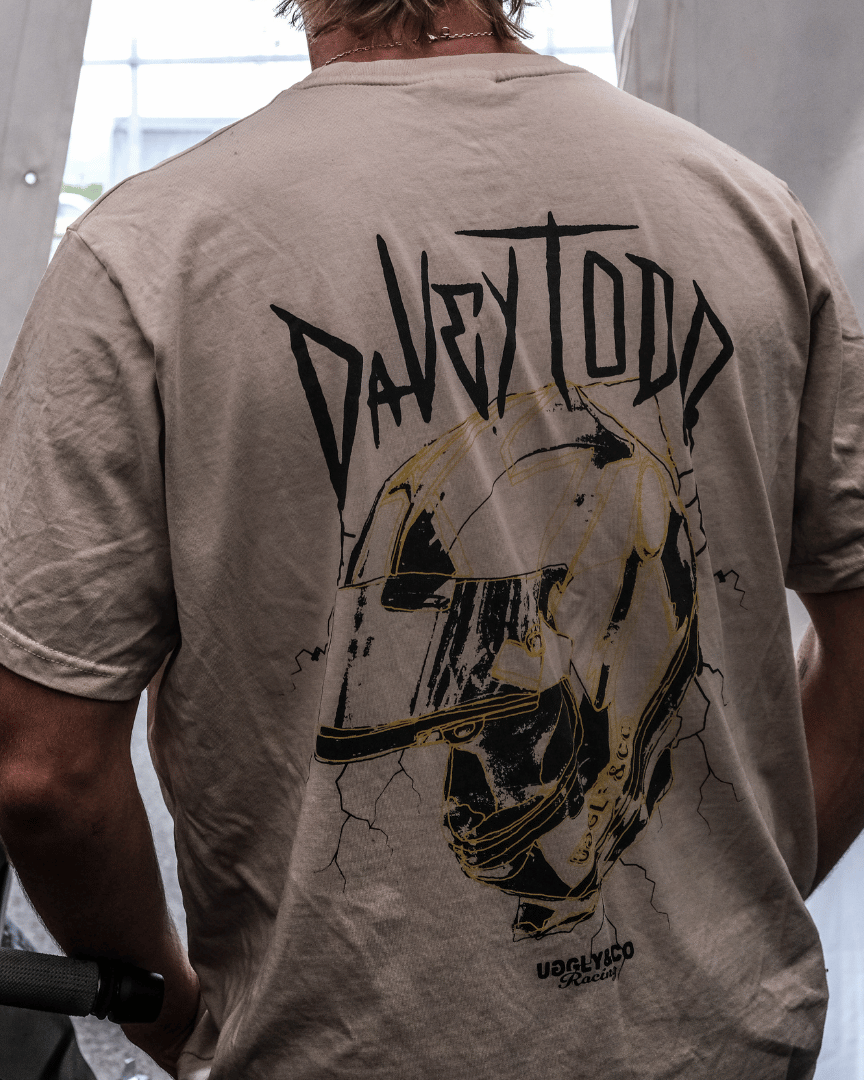
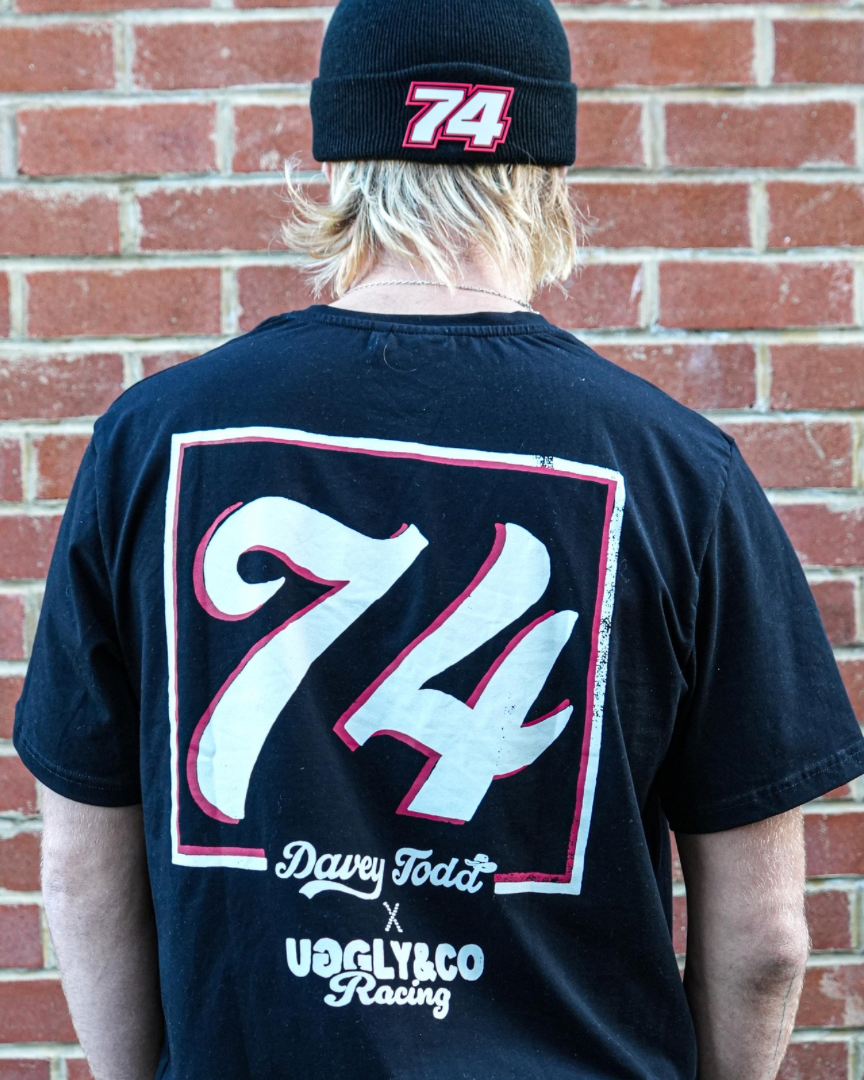
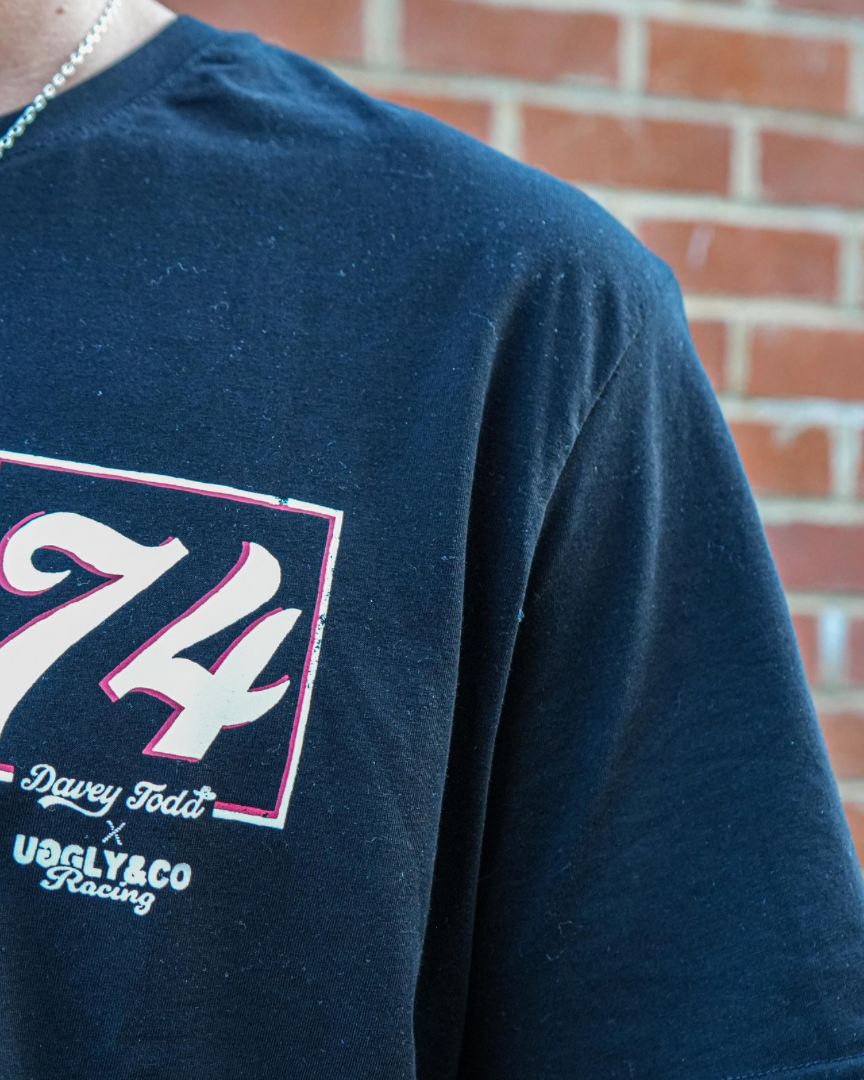
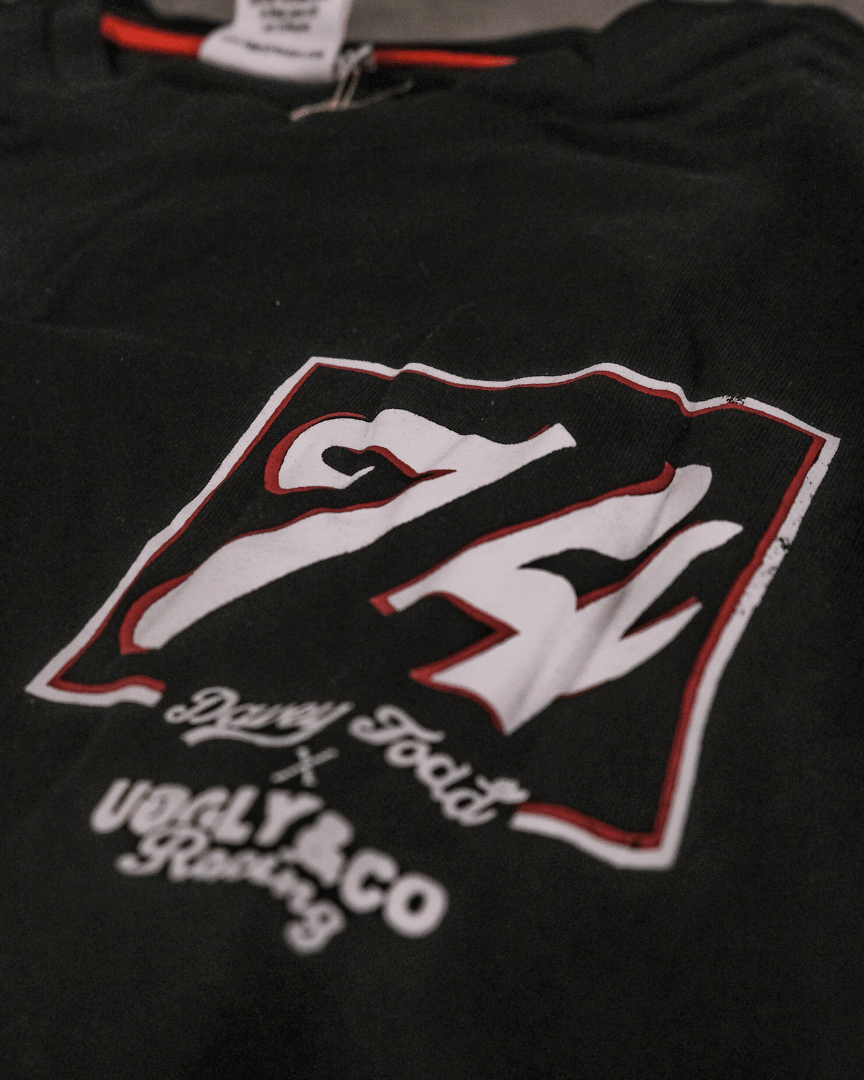
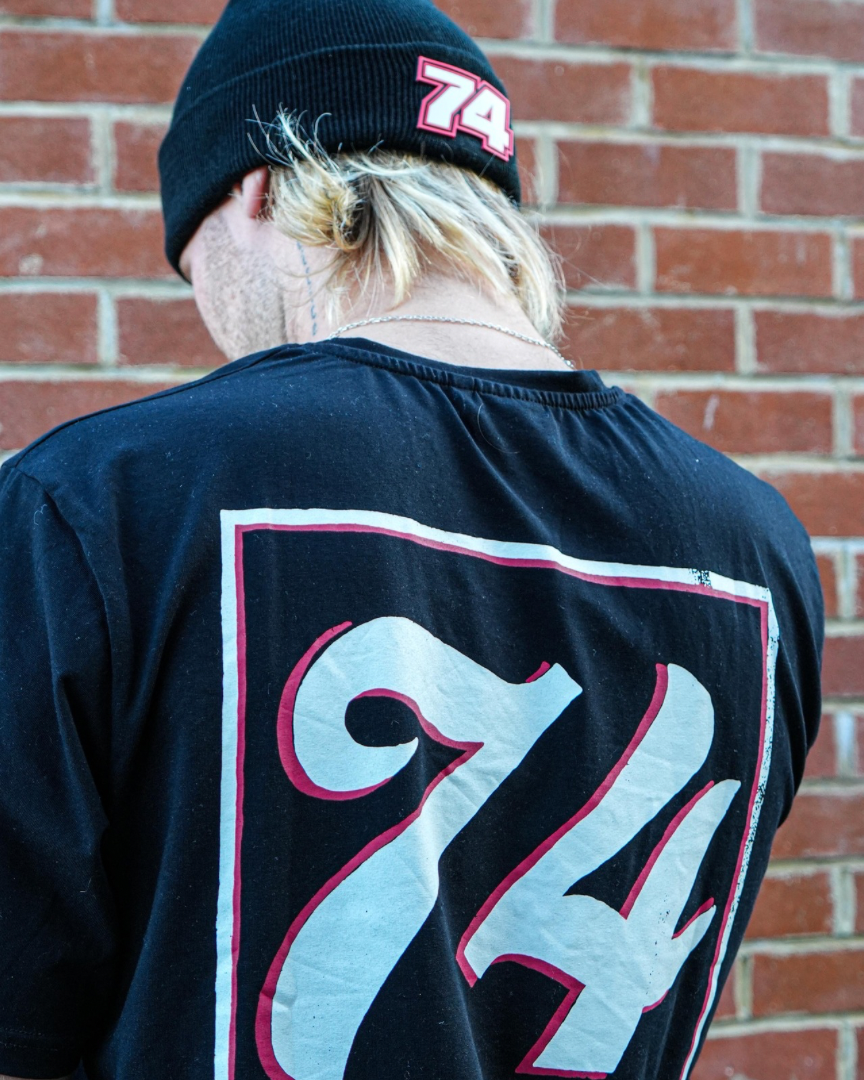
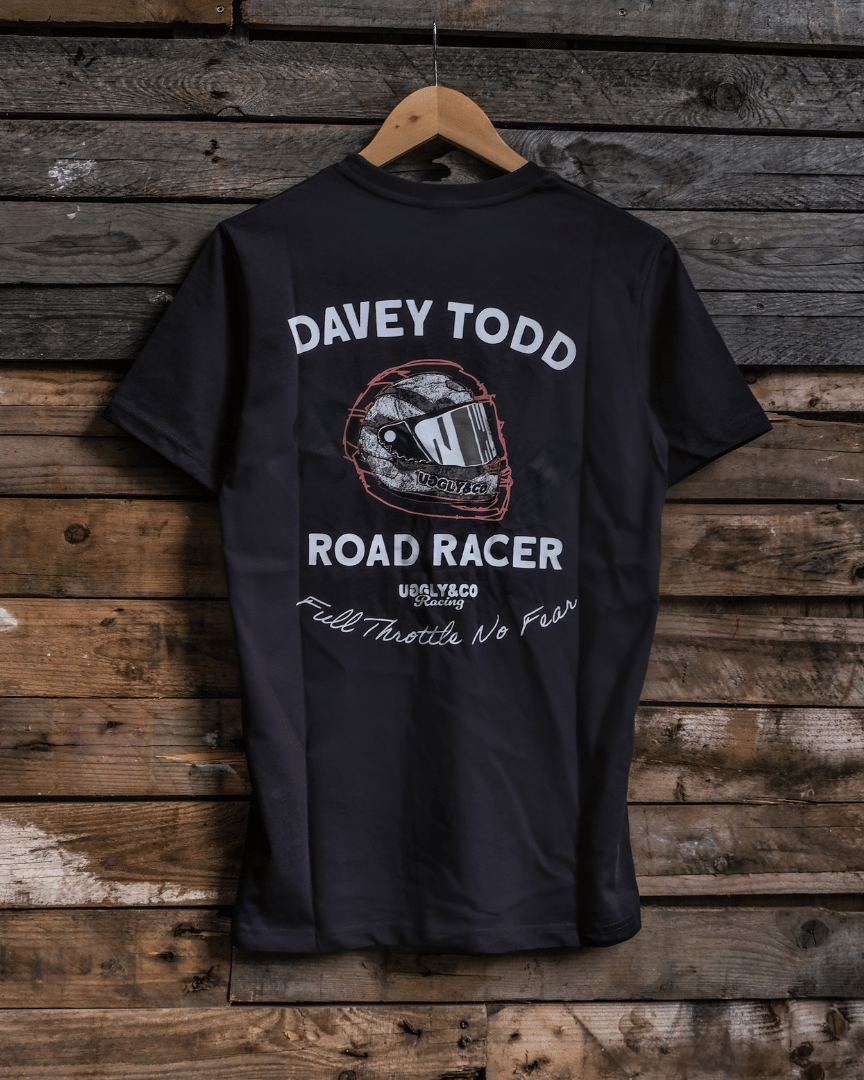
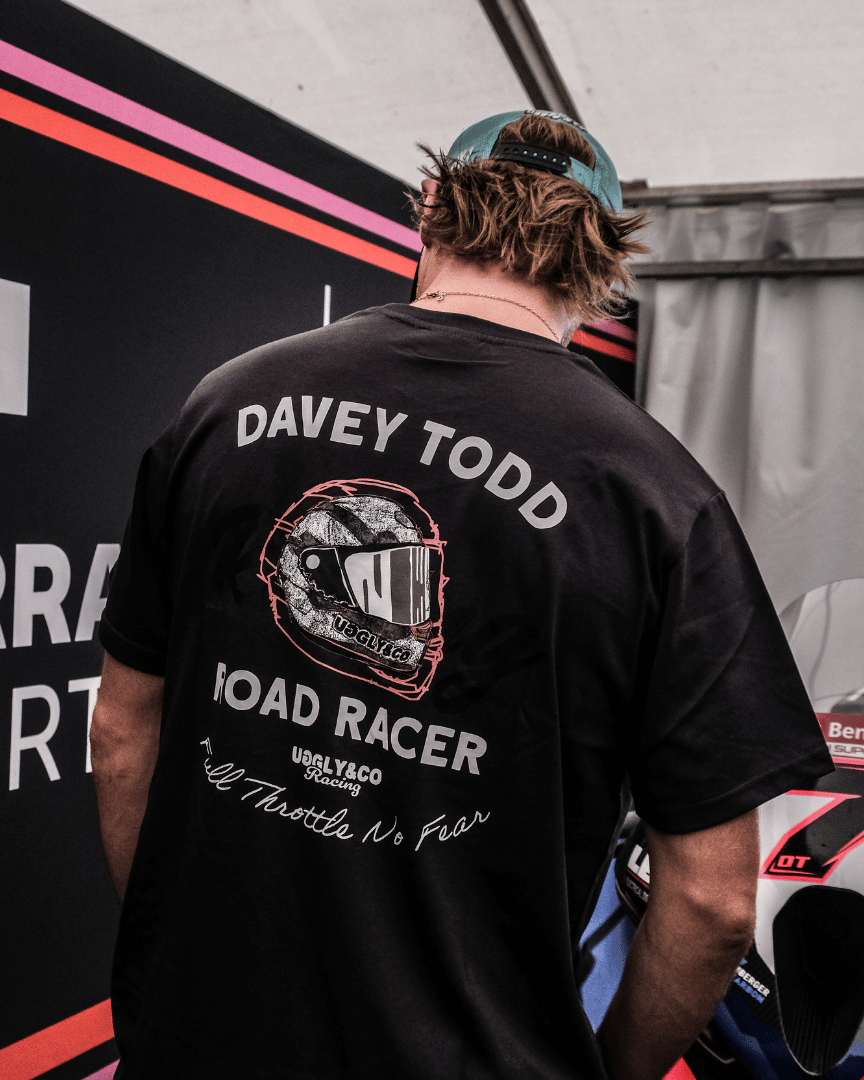
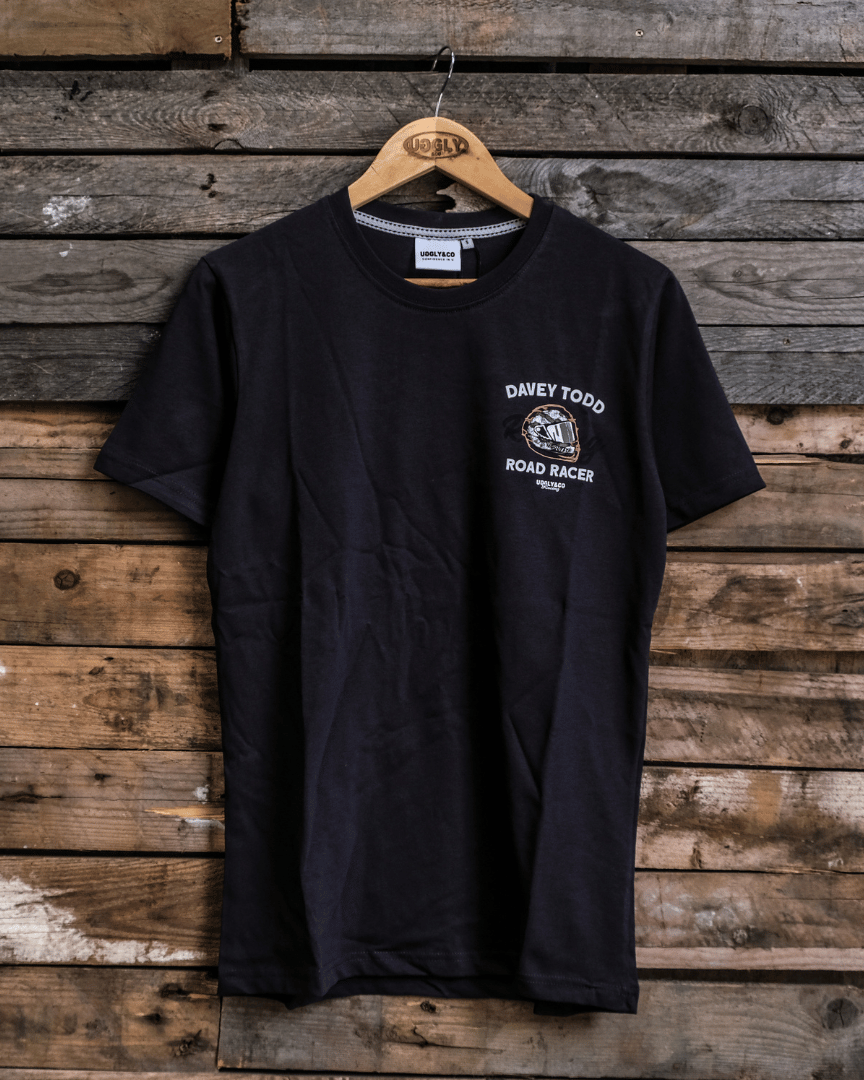
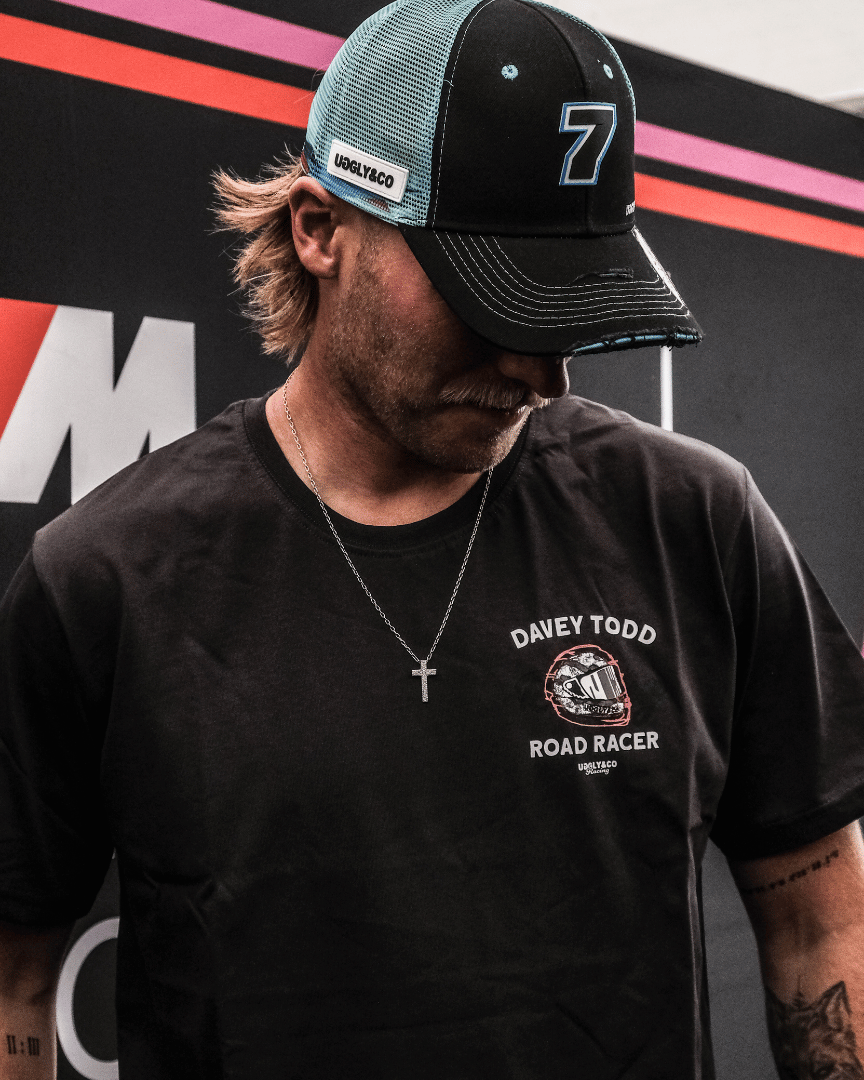
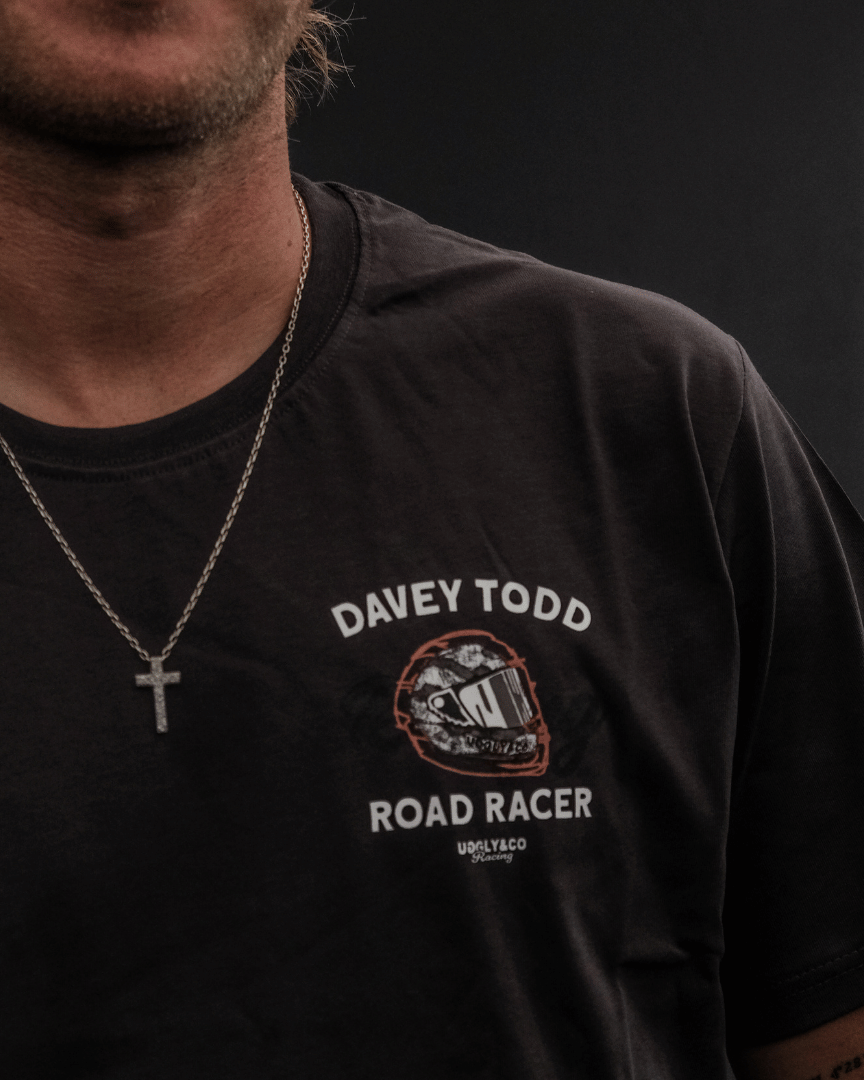
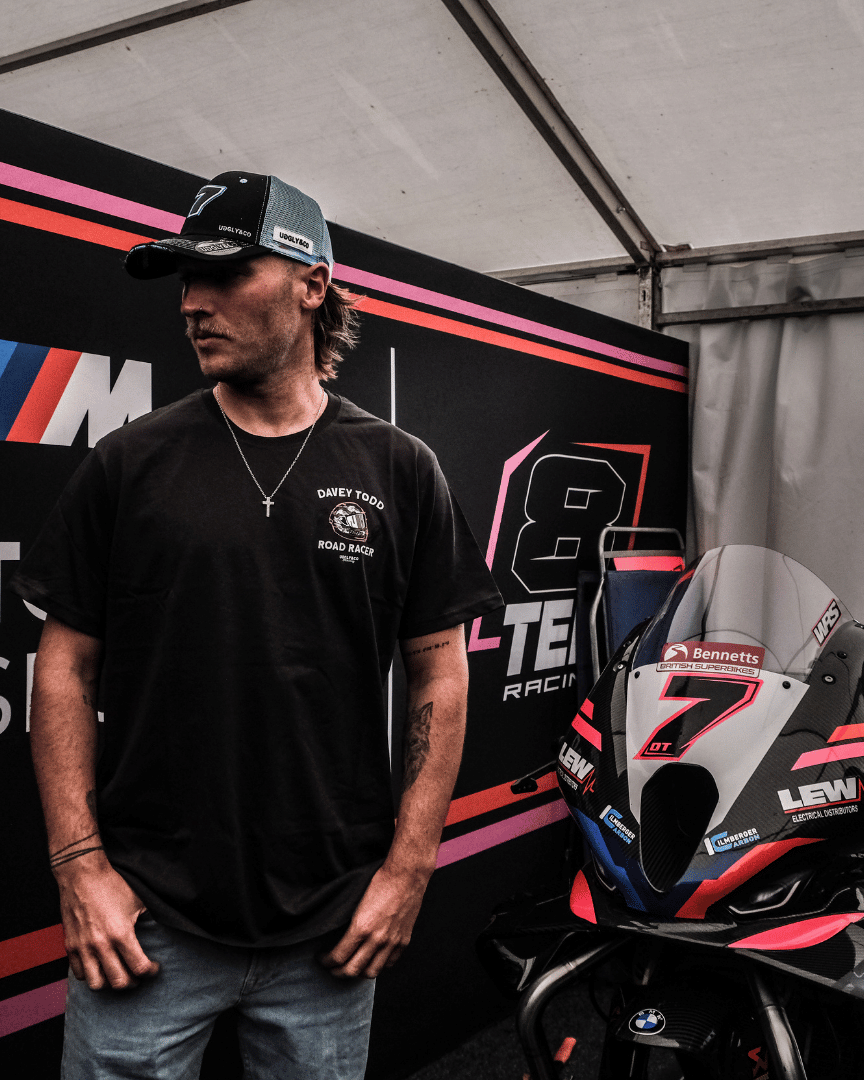
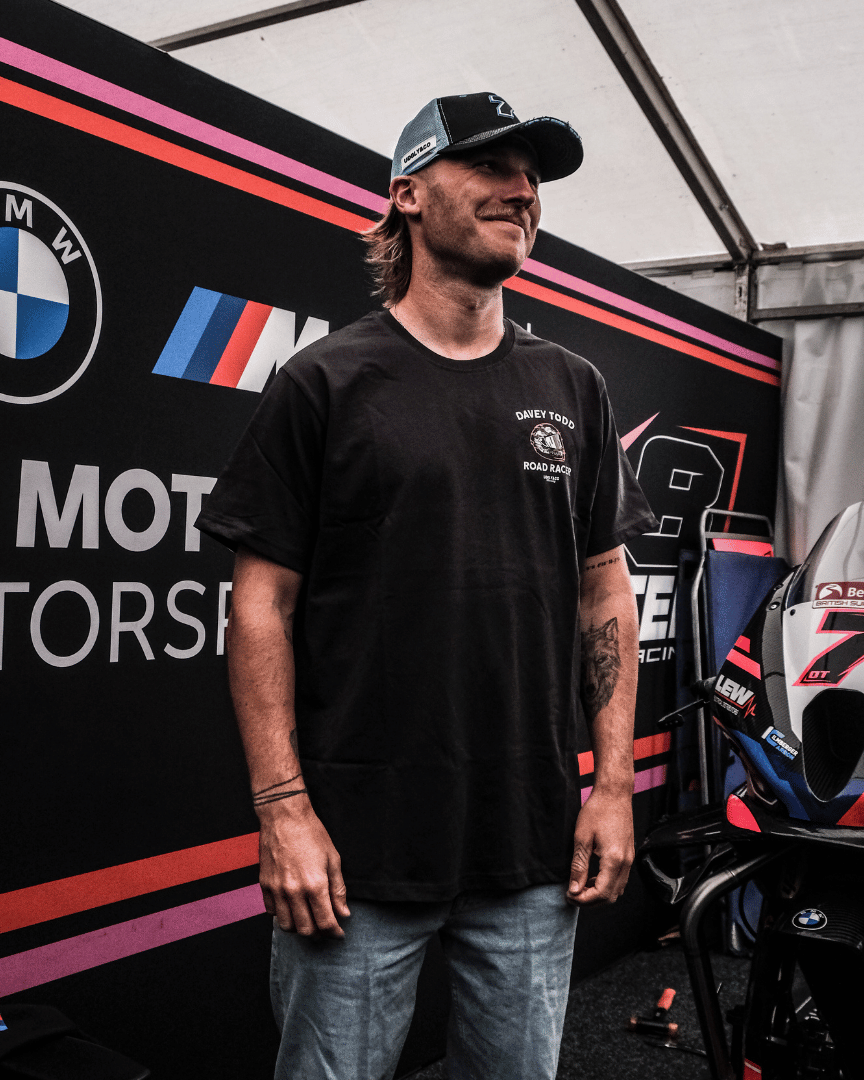
Davey Todd ‘Road Racer’ Tee
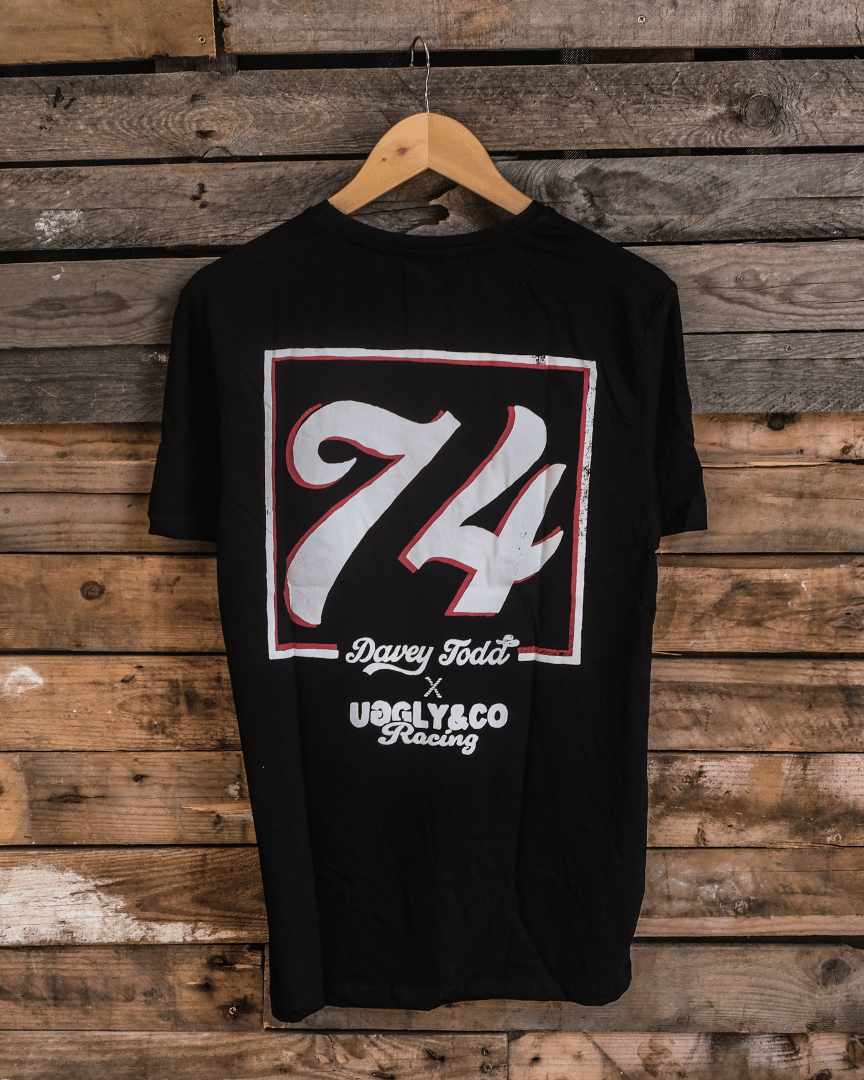
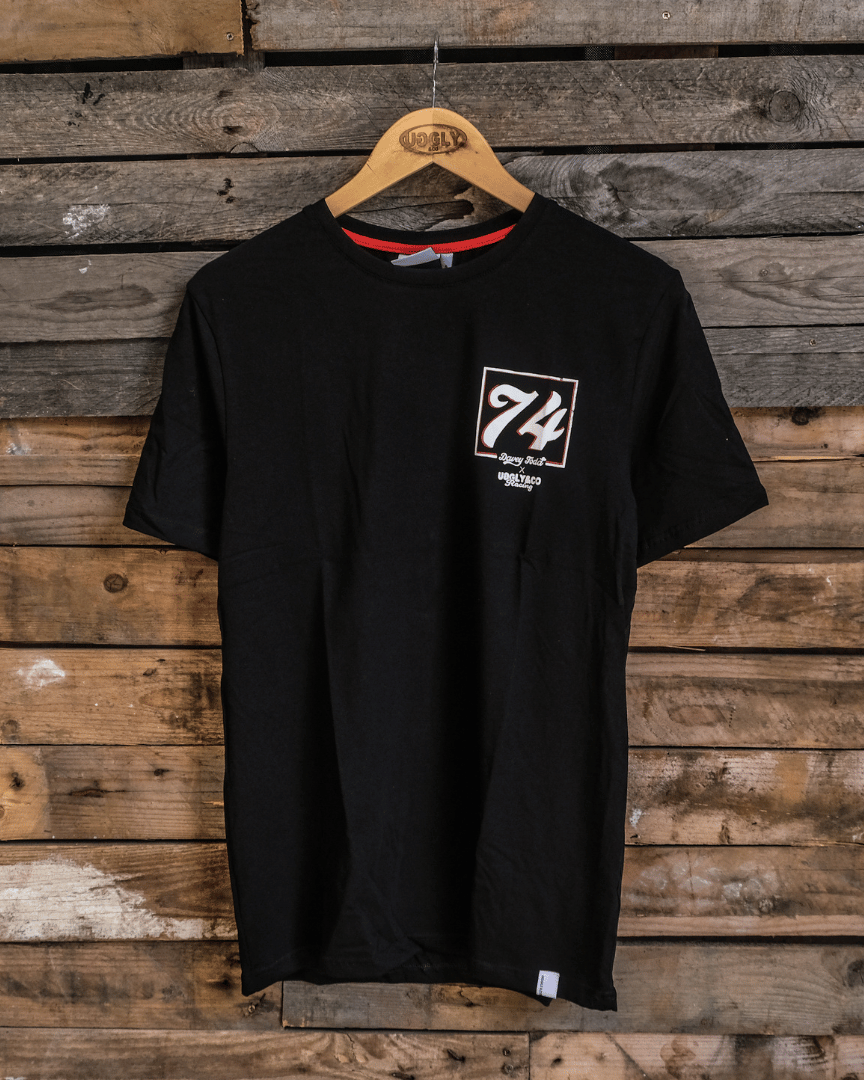
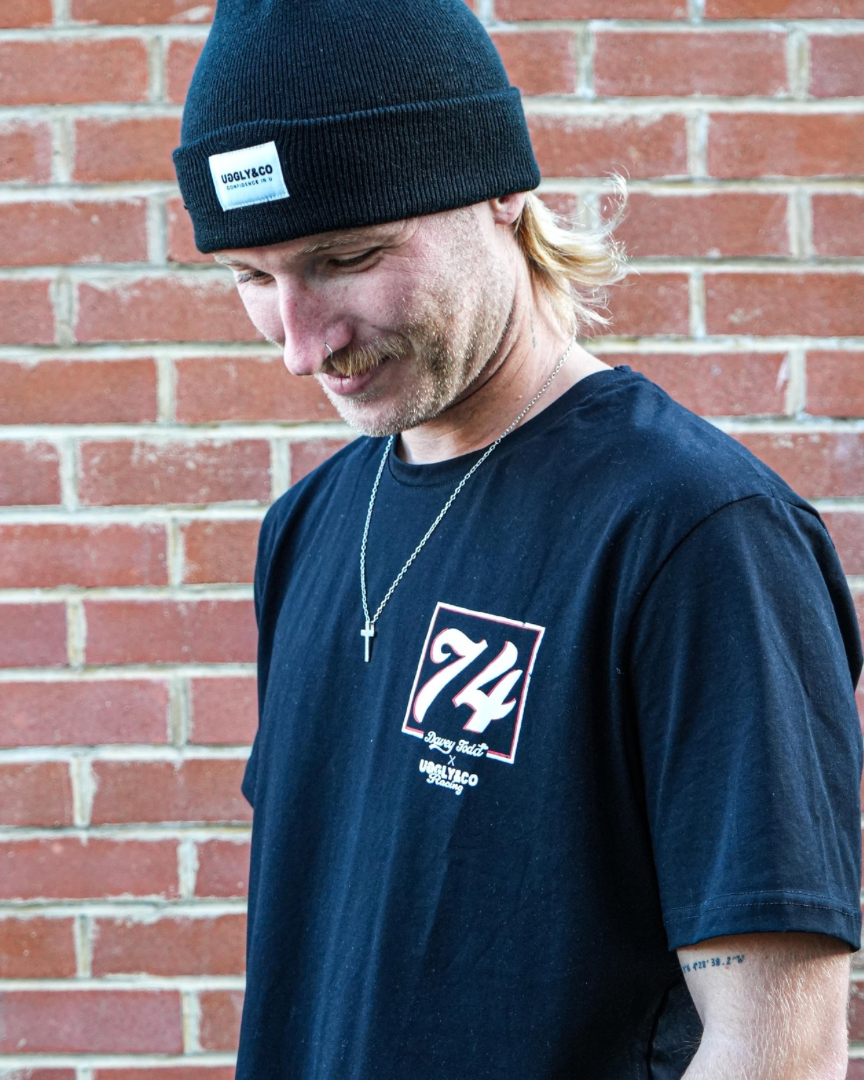
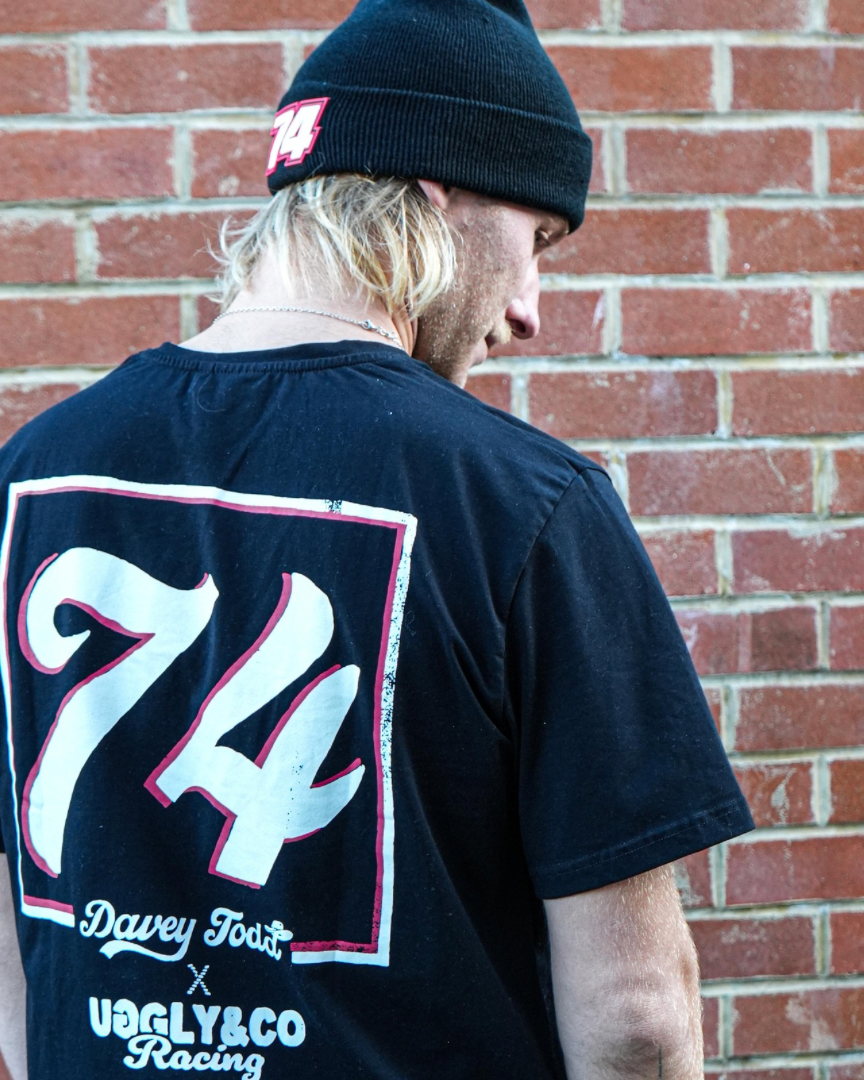
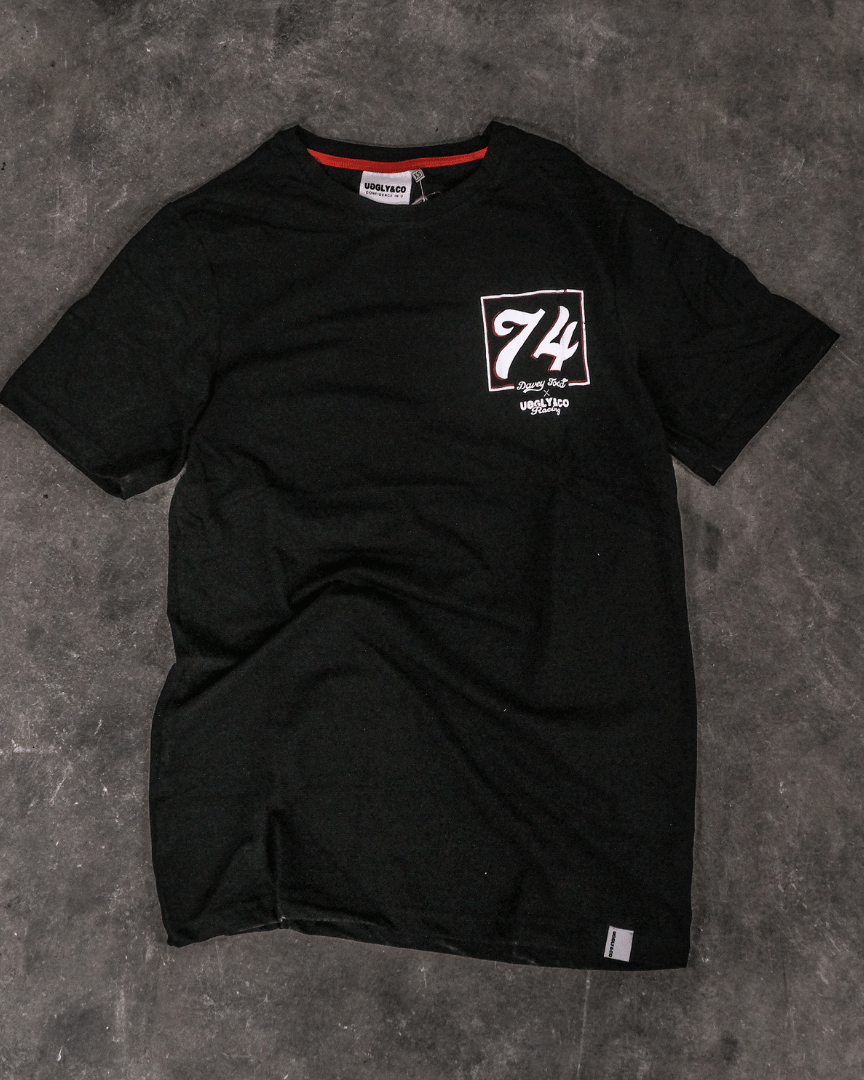
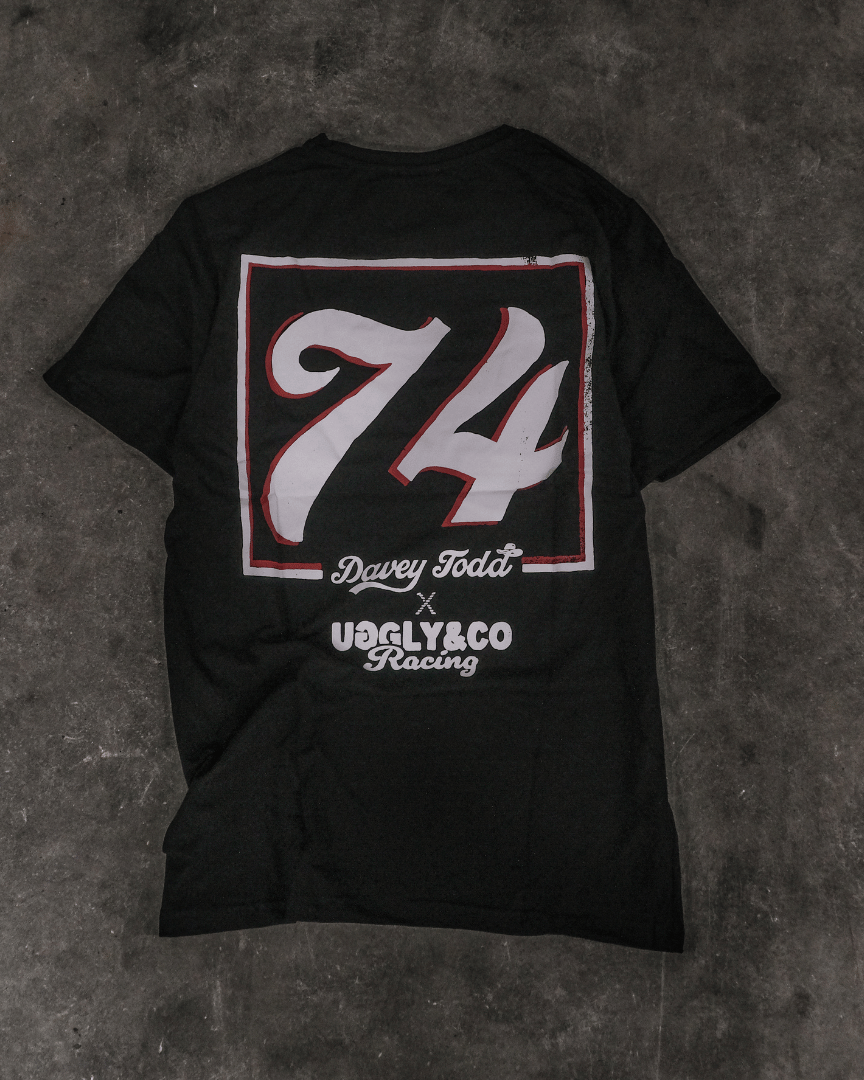
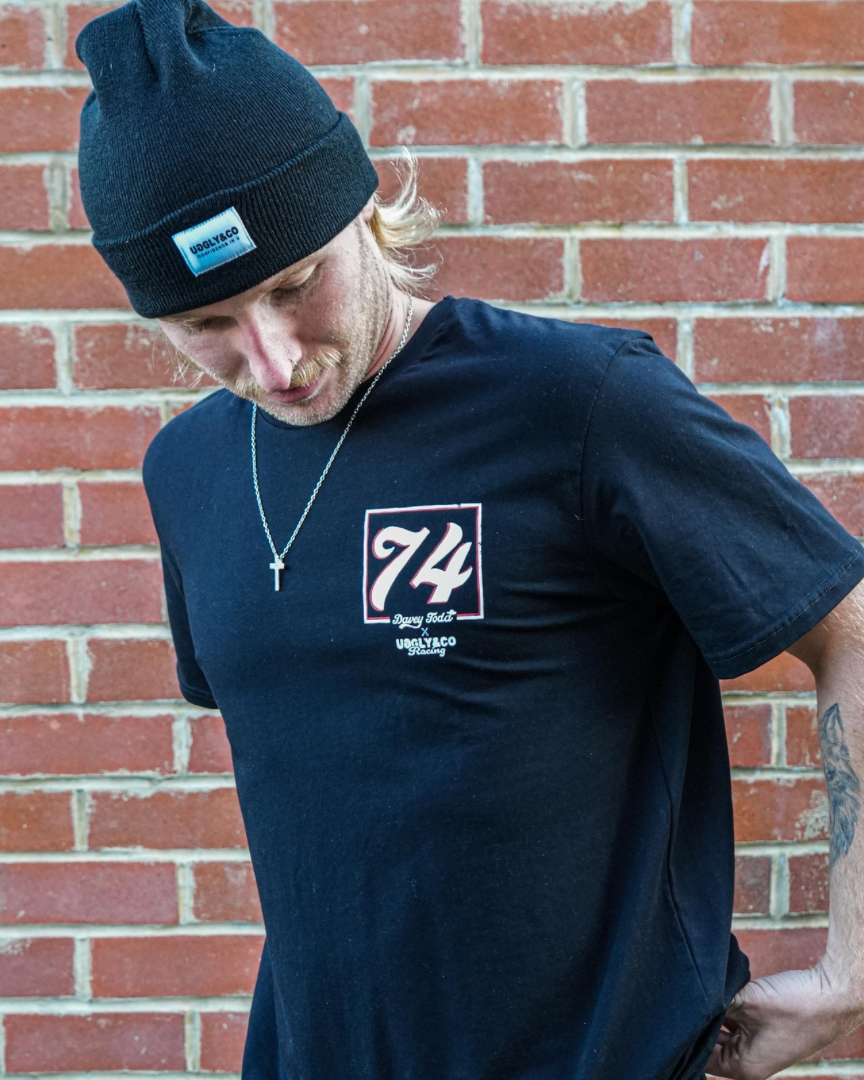
The Davey Todd ‘Road Racer’ Tee pays homage to the bold spirit of road racing, featuring a vintage look and feel that reflects a true racing lifestyle. With a striking helmet sketch and the phrase ‘Road Racer’ on the back, this tee captures the essence of courage and passion in the sport. It's ideal for fans of racing culture or anyone who appreciates a blend of heritage and modern attitude in their wardrobe.
View Product