










Overview
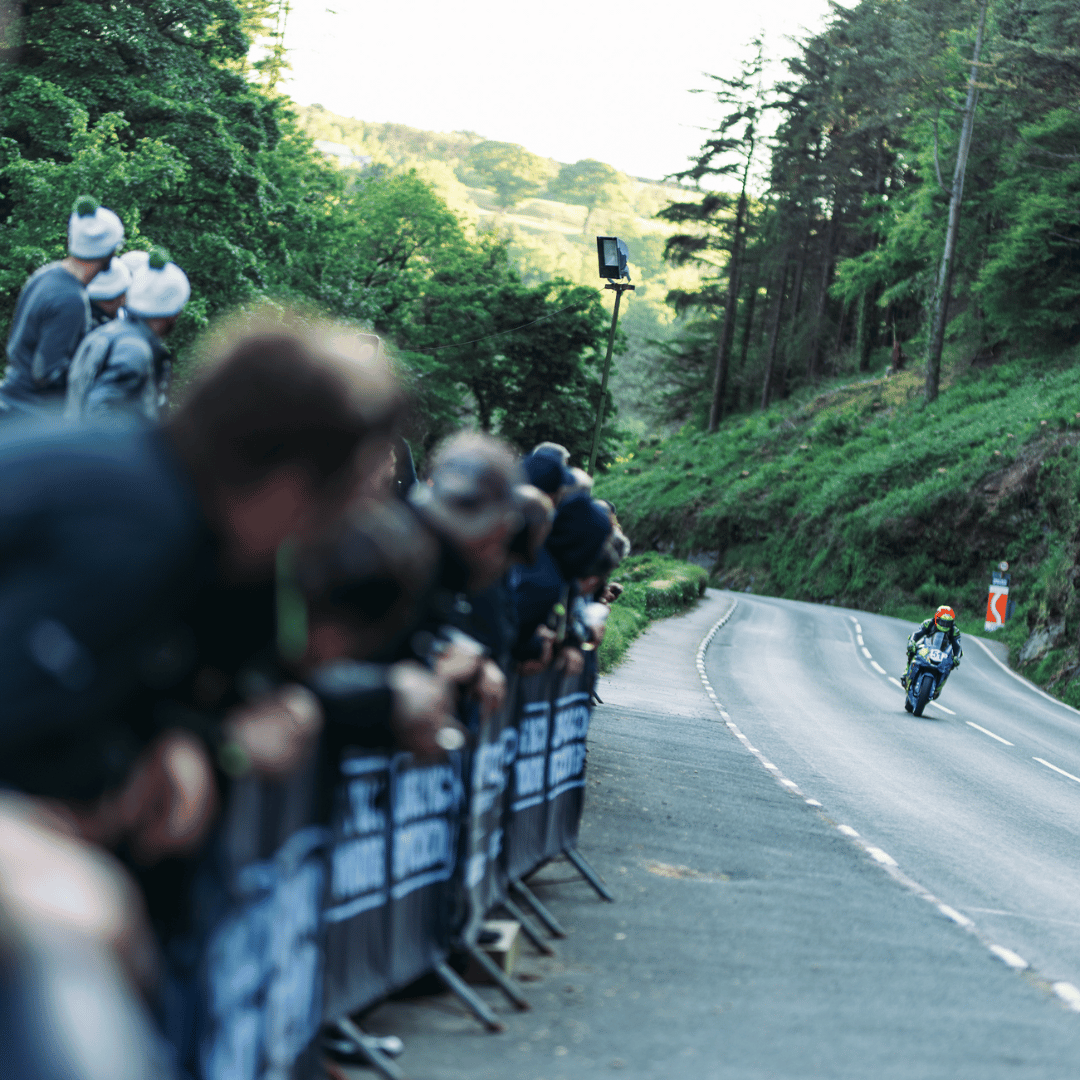
The Isle of Man TT Course is a historic and challenging motorcycle racing circuit, renowned for its scenic beauty and demanding terrain. This blog explores the course's unique challenges, including variable terrain, unpredictable weather, and technical road hazards. It discusses the importance of team strategy, extensive training, and safety measures in ensuring rider safety and performance. The event also fosters strong fan engagement and has significant economic impacts on local tourism. Looking ahead, the TT aims to balance tradition with innovation to maintain its allure and relevance in the racing world.
Key Takeaways
- Rich History: The TT Course has been a prominent motorcycle racing event since 1907, showcasing its long-standing significance in motorsport.
- Challenging Terrain: Spanning over 37 miles, the course features varied terrain, including urban roads, narrow country lanes, and steep hills.
- Unpredictable Weather: Riders must contend with rapidly changing weather conditions, including fog, rain, and strong winds, which can significantly affect race outcomes.
- Technical Hazards: The course is filled with road hazards such as stone walls, uneven surfaces, and blind corners that demand high levels of control and judgement.
- Strategic Teamwork: Success relies on effective team strategies, including fuel management, timing of pit stops, and rider communication.
- Safety Innovations: Continuous advancements in safety gear and protocols have been implemented to reduce risks, including improved helmets and body armour.
- Community Engagement: The TT fosters a strong sense of community among fans through events, live broadcasts, and merchandise, enhancing the overall experience.
The Isle of Man TT (Tourist Trophy) Course is one of the most famous and challenging motorcycle racing circuits globally. Its unique combination of breathtaking scenery, treacherous bends, and varied terrain tests the skill of every rider who dares to compete. Understanding the intricacies of this course helps not only racers but also fans and enthusiasts appreciate the level of mastery exhibited by participants. This blog delves into the unique challenges of the TT Course, offering insights that will engage motorcycle racing fans and experts alike.
The Historical Significance of the TT Course
The TT Course has a rich history that dates back to 1907, making it one of the oldest motorcycle races in the world. Originally held as a means to promote the Isle of Man as a location for motorsports, the event has evolved into a global spectacle drawing racers and spectators from all corners of the Earth. The challenging course is not just about speed; it is a test of endurance, precision, and skill.
The Evolution of the Circuit
Over the years, the TT Course has undergone numerous changes, both in terms of length and layout. Spanning over 37 miles, the course features a mix of public roads, tight corners, and varying elevations. Here are some notable milestones in the circuit's evolution:
- 1907: Inaugural race, featuring a modest circuit length.
- 1923: Introduction of the lap system, allowing for quicker times.
- 1950s: Course modifications to enhance safety for the riders.
- 2010s: Continued emphasis on rider safety, including new barriers and road improvements.
Unique Challenges Faced on the TT Course
The TT Course poses numerous unique challenges that differentiate it from other racing circuits, including professional events like the British Superbikes series. Here are some key challenges racers must navigate:
Variable Terrain
One of the most significant challenges of the TT Course is the varied terrain. The course traverses through urban settings, narrow country roads, and even steep hills. Riders must adapt their techniques to handle different surfaces and gradients. This variation demands a range of skills that can only be developed through extensive practice and experience.
Weather Conditions
The unpredictable weather on the Isle of Man plays a crucial role in the racing experience. Fog, rain, and strong winds can emerge suddenly, altering track conditions in no time. Adaptability is key, as riders must be prepared for anything. Those who can adjust their riding style to suit changing conditions often emerge as front runners.
Technical Road Hazards
The TT Course is notorious for its technical road hazards. Elements such as:
| Hazard Type | Description |
|---|---|
| Stone Walls | Present on the side of the roads, providing no margin for error. |
| Uneven Surfaces | Variations in tarmac can impact handling and grip. |
| Blind Corners | Require extreme caution as visibility is limited. |
These hazards make every lap a true test of a rider's control and judgement, with the risk of catastrophic consequences for even the smallest mistake.
The Role of Team Strategy
Success on the TT Course is seldom the result of sheer talent alone; strategic planning plays a crucial role. Teams must collaborate to formulate a racing strategy that encompasses multiple factors:
- Fuel Management: Optimal performance often necessitates careful calculations to manage fuel consumption throughout the race.
- Pit Stops: Teams must decide on the right timing for pit stops to fuel and change tyres, balancing speed with the need for support.
- Rider Communication: Constant communication between the rider and team can provide essential data and insights to maximize performance.
Training for the TT
Training for the TT Course is a formidable challenge in itself. Oftentimes, participants must dedicate years of practice, honing their skills and familiarising themselves with the track. General training regime includes:
- Road Cycle Training: Increases physical stamina and leg strength.
- Simulator Practice: Riders engage in virtual simulations to perfect their racing line.
- Live Practice Runs: This helps to understand track specifics and gather valuable experience.
Riders are also encouraged to partake in other motorcycle racing events, such as the British Superbikes, to fine-tune their skills in a more controlled racing environment.
Injuries and Safety Measures
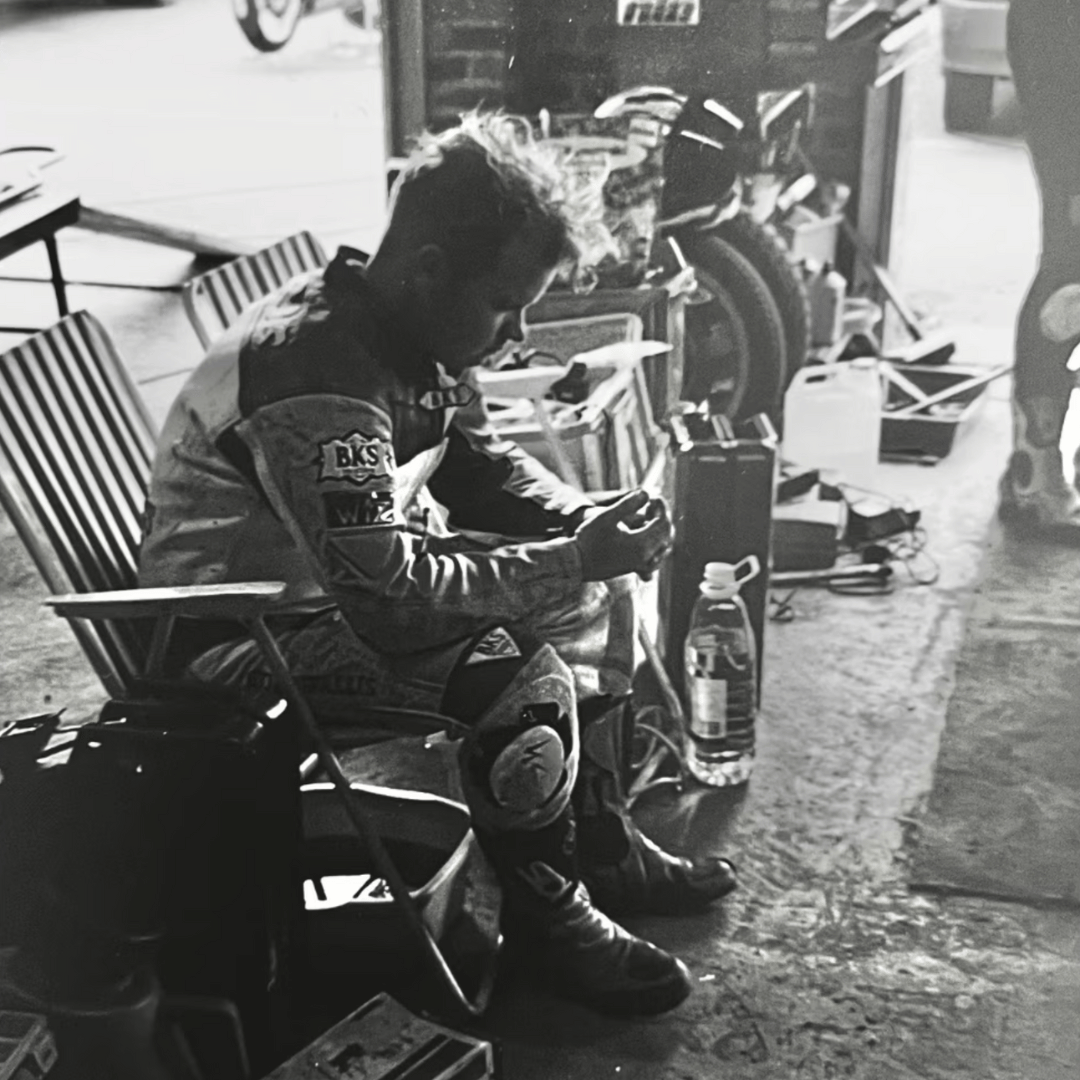
Despite advances in technology and safety gear, racing remains a dangerous sport. The TT Course has seen its fair share of accidents, leading to ongoing discussions about safety measures. Riders prepare for the worst while hoping for the best by ensuring they wear high-quality, protective clothing, including the latest in chequered pattern shirts engineered to enhance visibility and provide comfort during races.
Improvements in Safety Protocols
Over the years, efforts to enhance rider safety have continuously evolved. Recent innovations include:
- Advanced Helmet Technology: Reduces the risk of head injuries dramatically.
- Body Armour: Chest and back protectors to safeguard vital organs.
- Improved Circuit Barriers: Better road security that reduces the risks of rider impacts.
These innovations, paired with rigorous pre-race inspections, have contributed to reducing fatal incidents on the course.
The Magic of Fan Engagement
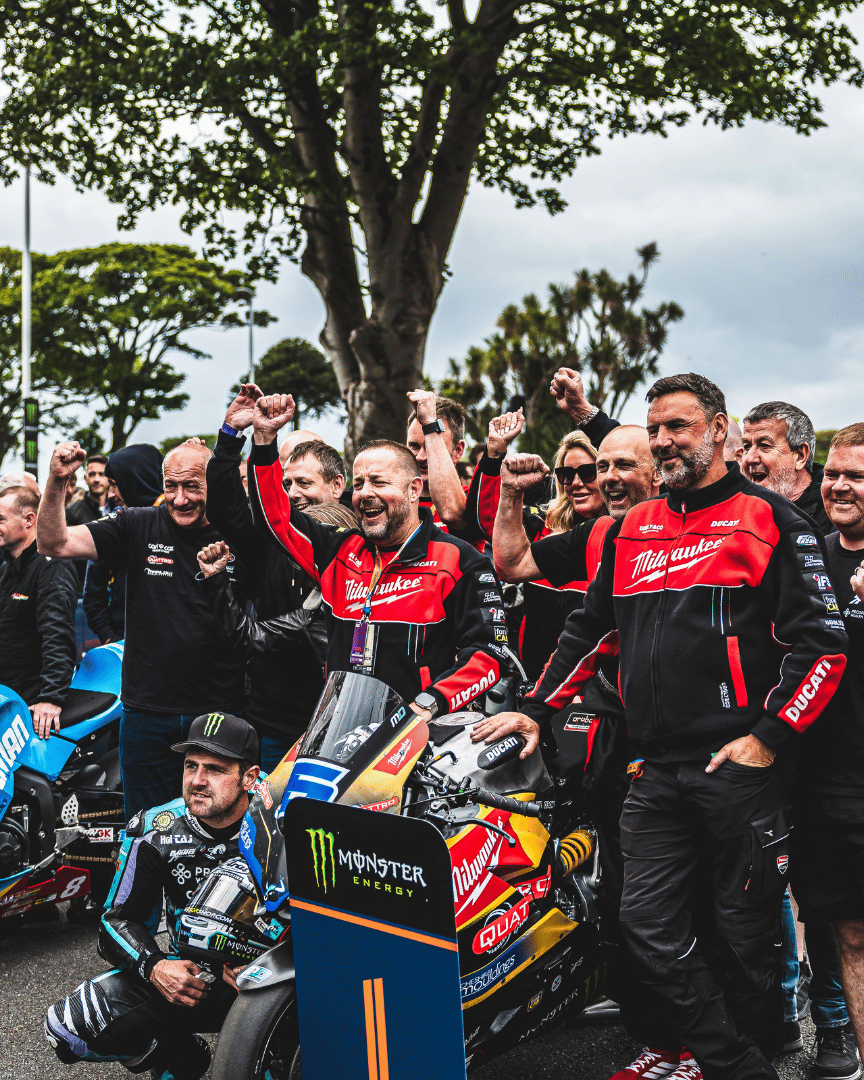
The allure of the TT Course extends beyond the racers; it captivates fans and spectators, creating a unique atmosphere that is rarely replicated elsewhere. The excitement surrounding the event fosters a strong sense of community among attendees, who often return year after year. Here are several ways the TT engages its audience:
- Fan Events: Pre-race events encourage interaction between racers and fans.
- Live Broadcasts: Increases engagement through social media and streaming platforms.
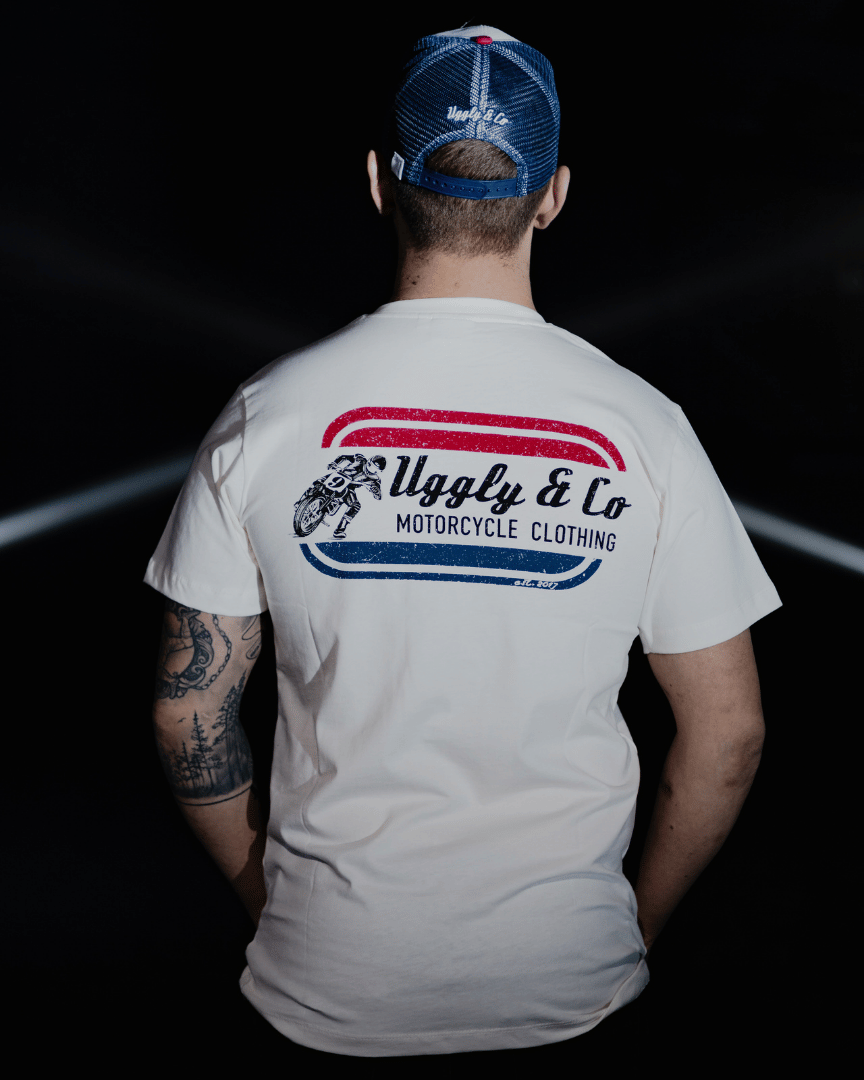
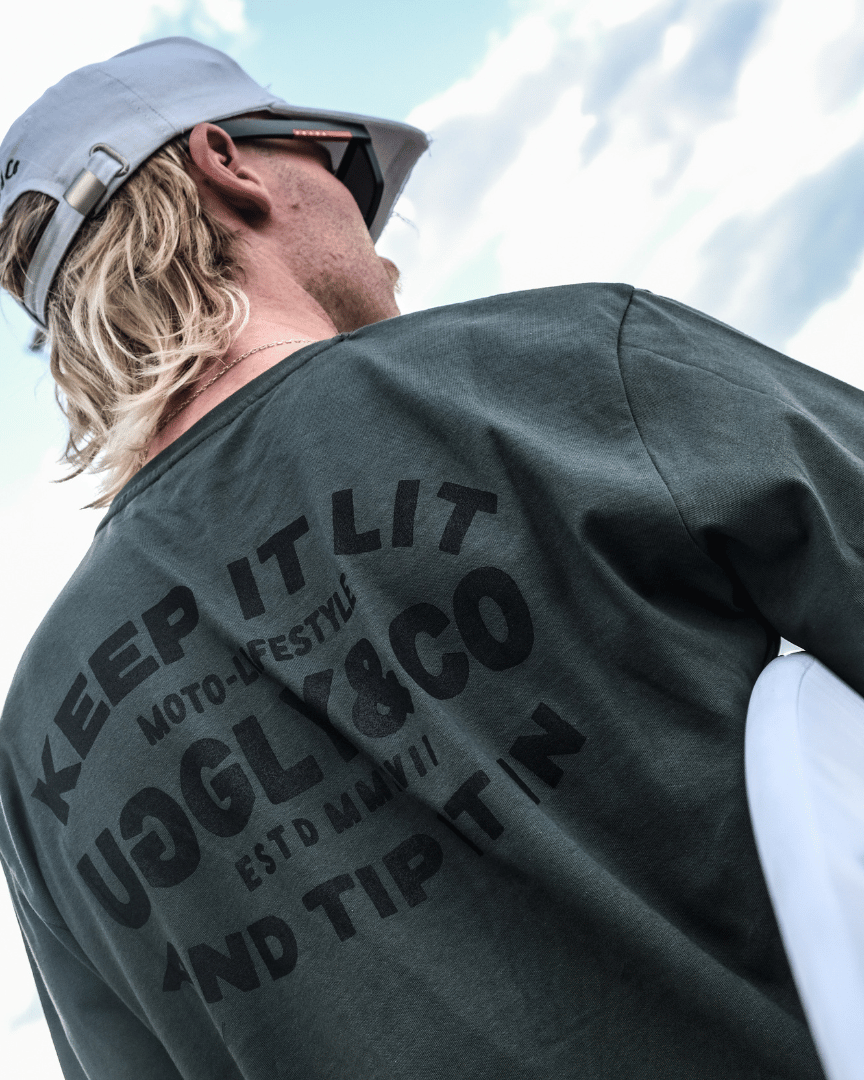
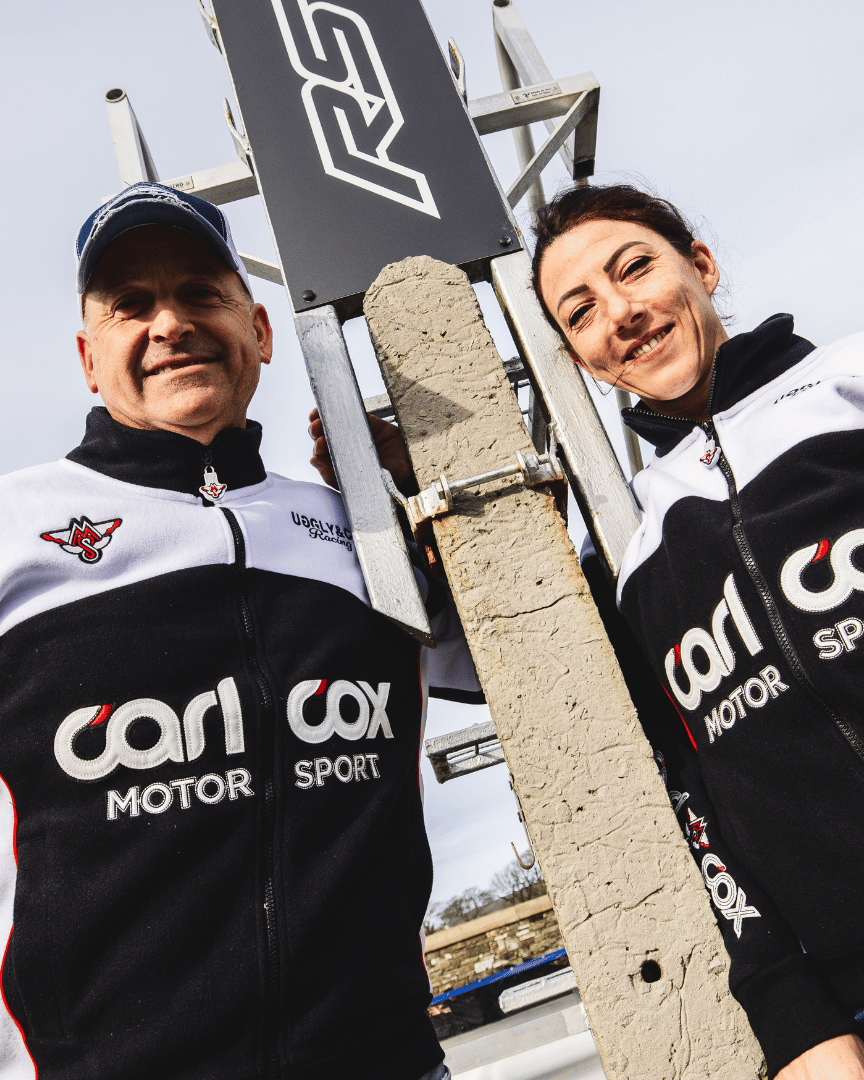
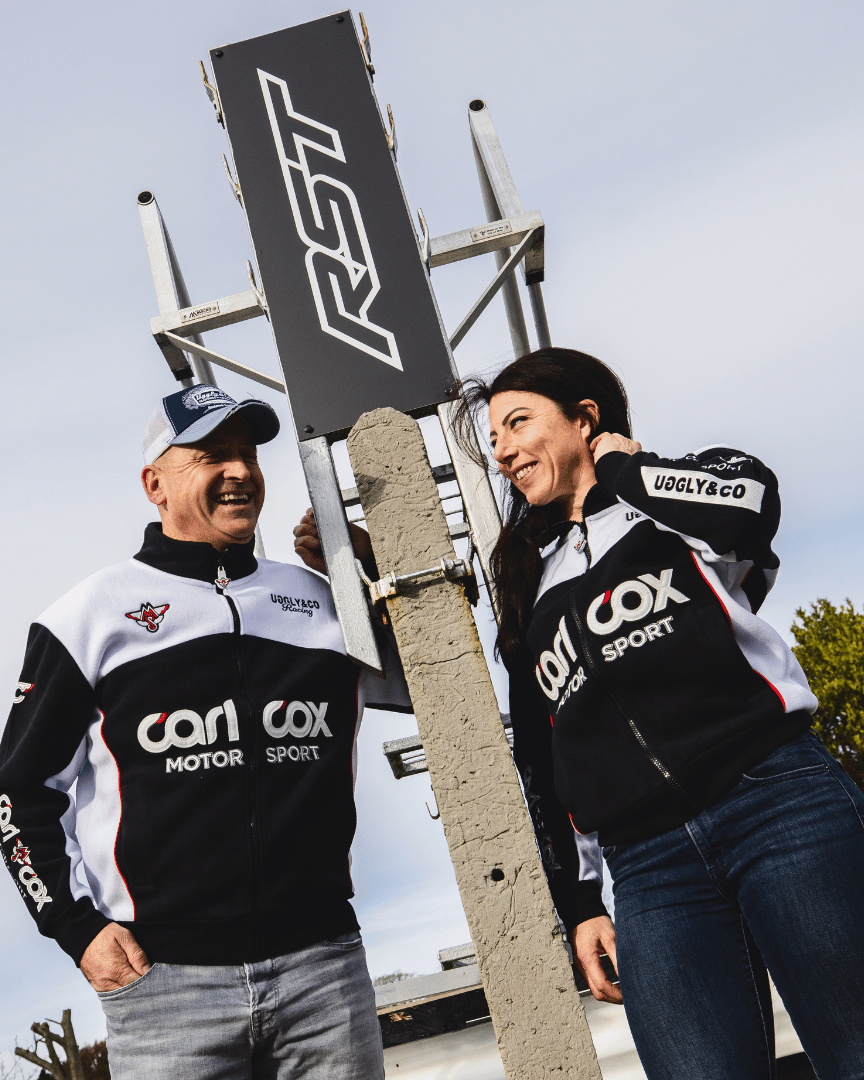
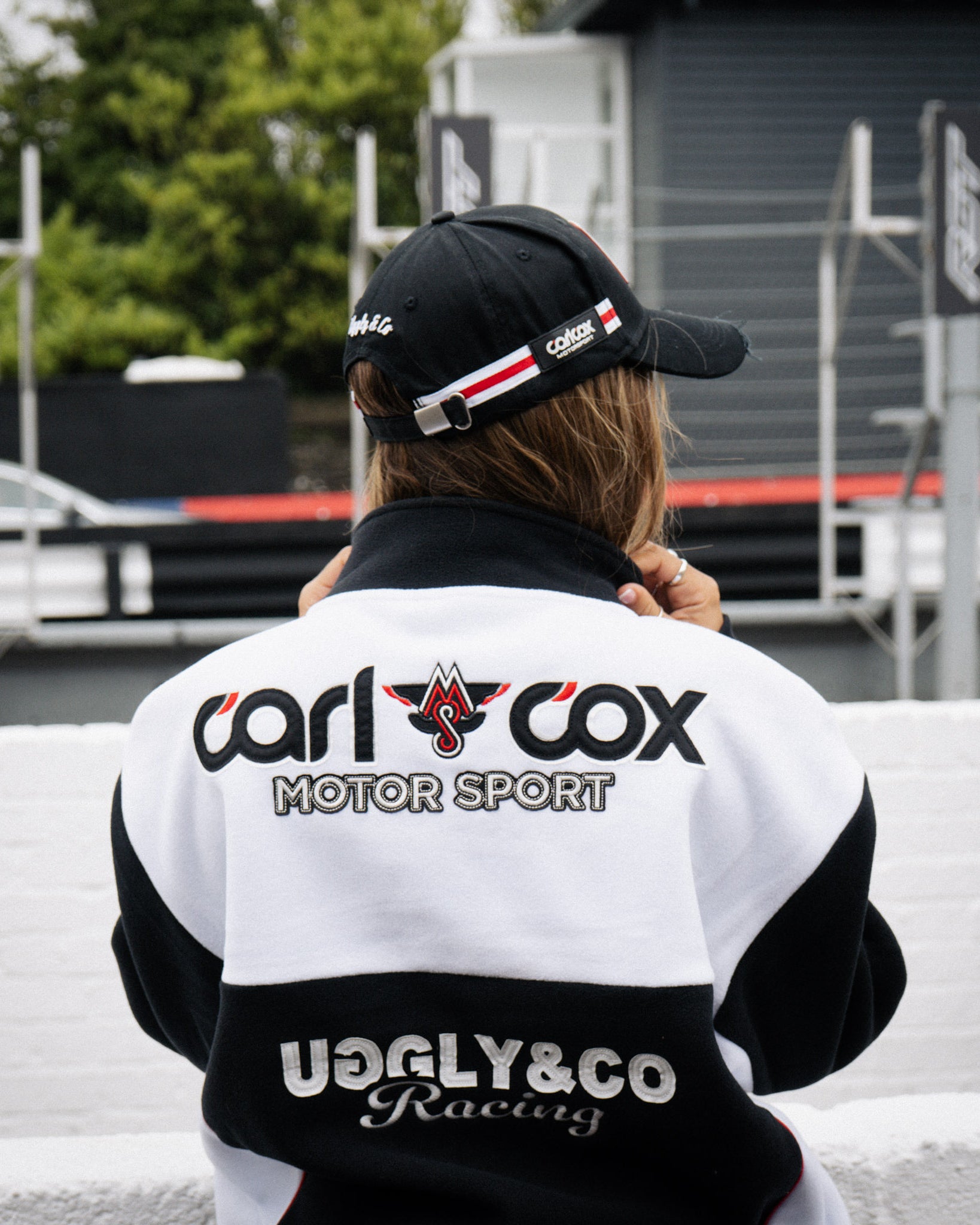
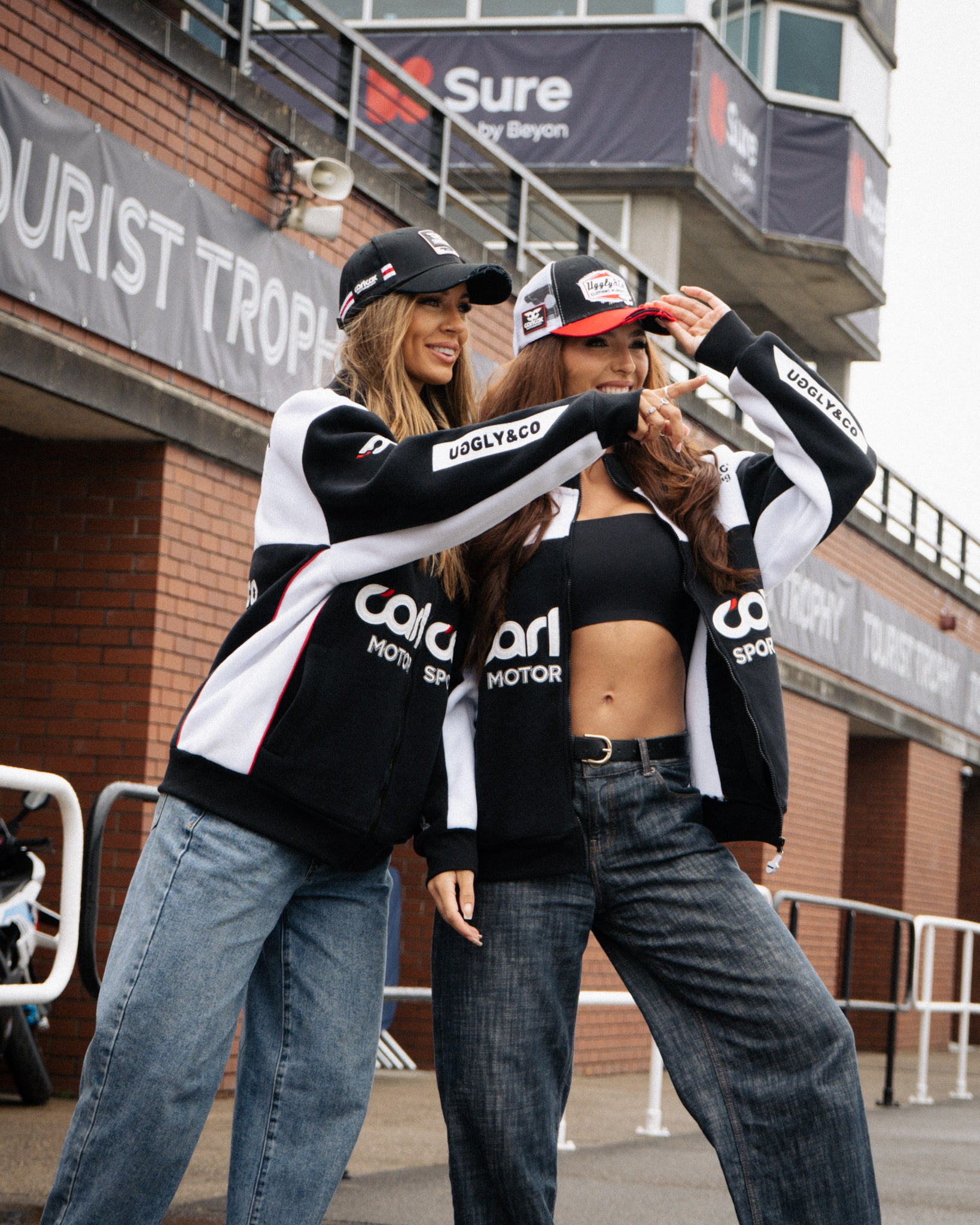
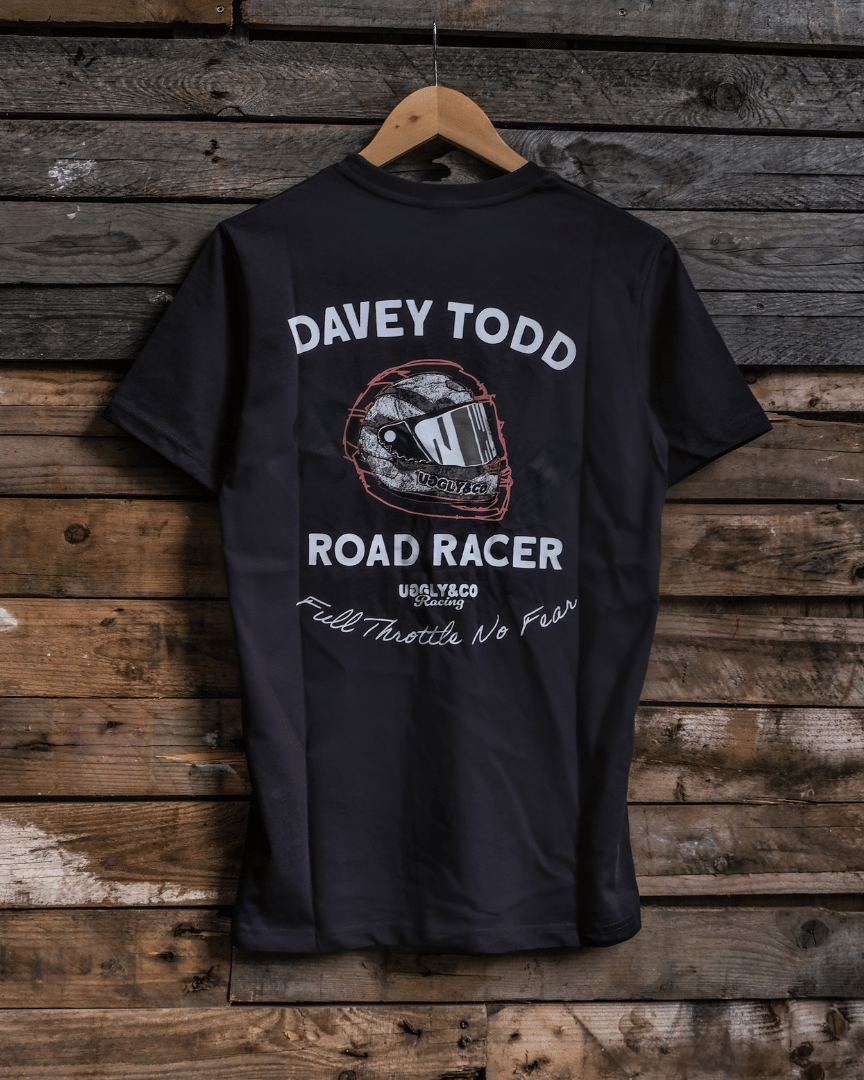
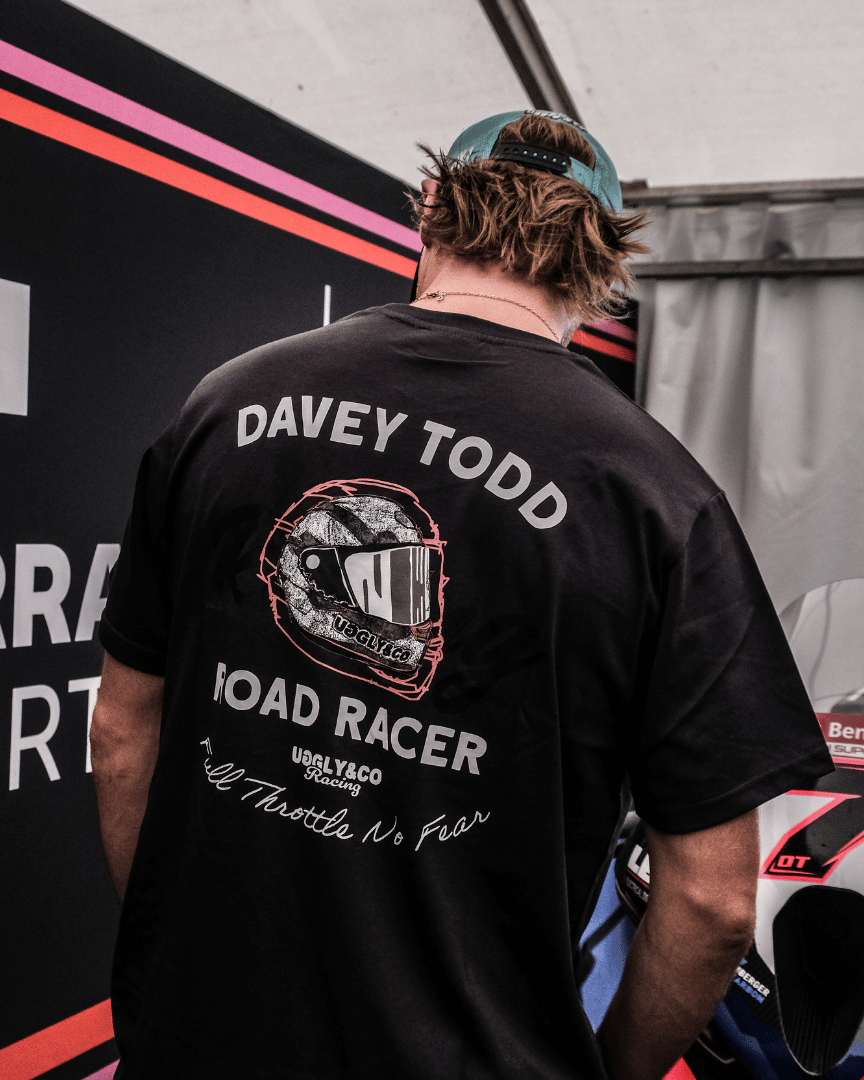
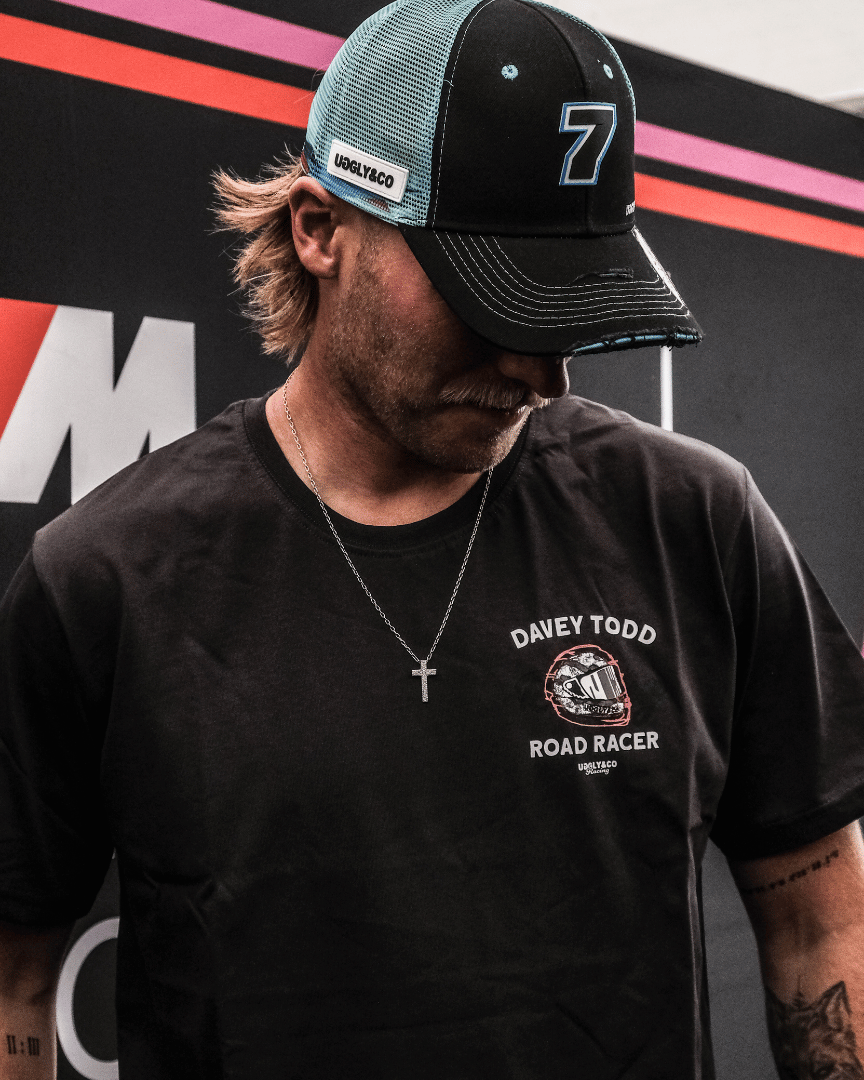
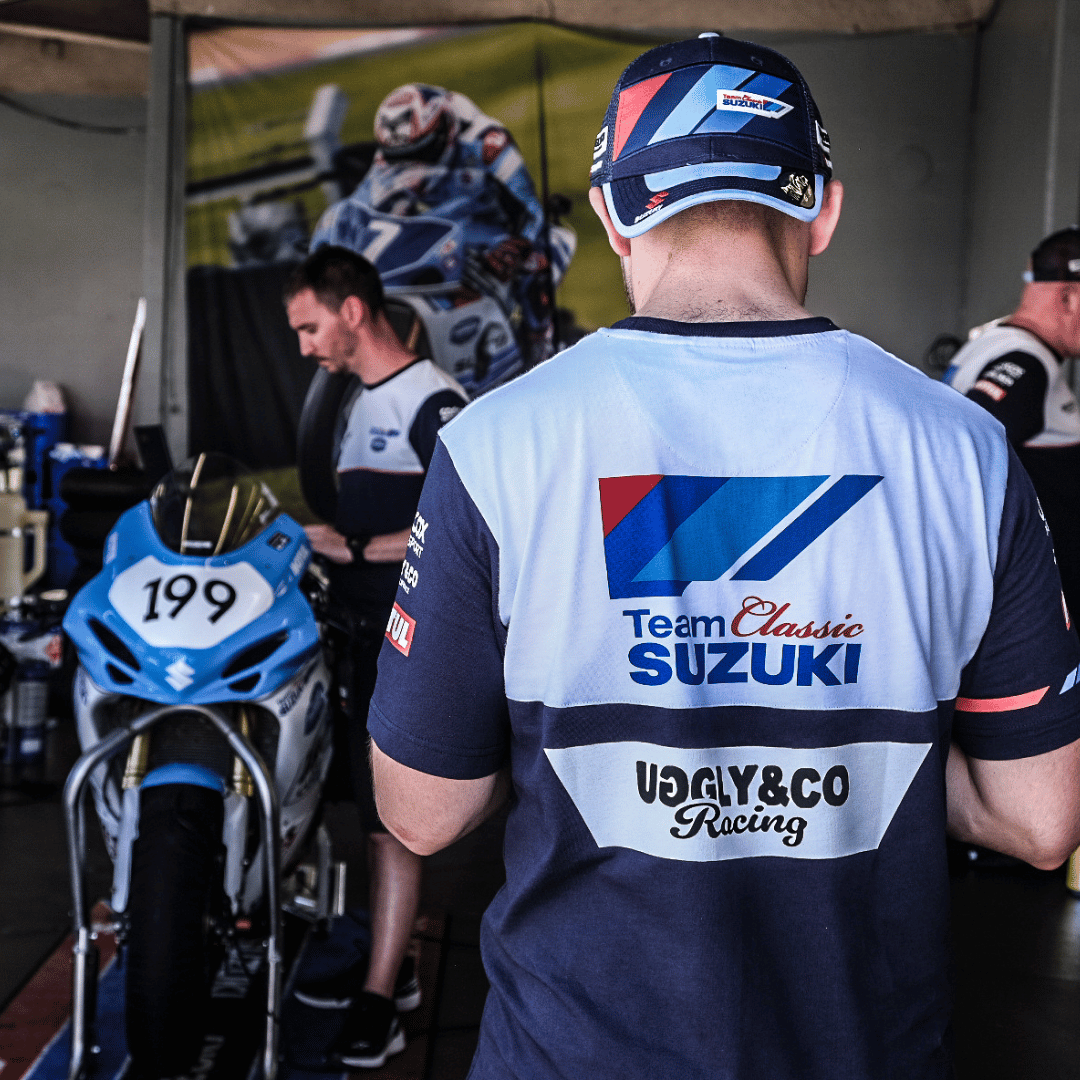
- Merchandise: Clothing, such as themed chequered pattern shirts, supports team spirit and engagement.
Engaging fans serves not only to promote the sport, but provides a shared experience that enhances the overall TT atmosphere.
The Ambiance of the Isle of Man
The stunning backdrop of the Isle of Man further adds to the unique challenges and beauty of the TT Course. Beyond racing, the island offers rich culture, history, and breathtaking landscapes that make attending the event a memorable experience.
Tourism and Its Economic Impact
The TT generates significant local tourism, boosting the economy and enhancing the prominence of the Isle of Man as a travel destination. Each year, thousands flock to the island not just for the race, but also to sample local delicacies, explore historical sites, and enjoy outdoor activities.
Post-event, many tourists return, having formed lifelong memories tied to the race and its surroundings.
The Future of the TT Course
The future of the TT Course remains bright, with ongoing changes and adaptations to ensure the race stays relevant and continues to attract talent and fans. As we embrace technology, improvements in rider safety and environmental awareness are becoming integral to the planning stages of future events.
Maintaining the balance between tradition and innovation will be key to the TT’s success moving forward.
Final Reflections: Embracing the Spirit of the TT
The unique challenges of the TT Course truly embody the spirit of motorcycle racing. Whether you are a racer, a fan, or simply an enthusiast, understanding the intricacies of this remarkable event fosters a deeper appreciation for the skill and bravery of the participants. As we look to the future, we remain excited for the evolving landscape of the TT, as it continues to captivate audiences and inspire the next generation of riders. Every lap on that challenging circuit tells a story asking not just for speed, but for heart and soul.
Frequently Asked Questions
1. What is the Isle of Man TT Course?
2. When was the first Isle of Man TT race held?
3. What are some unique challenges faced by racers on the TT Course?
4. How do teams strategise for success in the TT race?
5. What measures are in place to enhance rider safety during the TT?
Glossary
| Term | Meaning |
|---|---|
| TT Course | The Isle of Man Tourist Trophy motorcycle racing circuit. |
| Endurance | The ability to sustain prolonged physical effort during the race. |
| Variable Terrain | Diverse road conditions, including urban, rural, and hilly sections. |
| Technical Hazards | Road features that challenge rider control, like blind corners and stone walls. |
| Fuel Management | Strategically managing fuel consumption throughout the race. |
| Live Practice Runs | On-track training sessions to gain familiarity with the course. |
| Advanced Helmet Technology | Innovative helmets designed to reduce head injury risks. |
| Merchandise | Products sold to fans, promoting team spirit and engagement. |
| Community Engagement | Activities that foster interaction between racers and fans. |
| Safety Protocols | Measures implemented to enhance rider safety during races. |
Linked Product

Chequered Vintage Motocross Jersey
The Chequered Vintage Motocross Jersey from Uggly&Co offers a bold expression of off-road style with its distinctive blue and white chequered pattern. Designed for both comfort and durability, this jersey is versatile enough for motocross tracks, green lanes, or adding an edgy touch to casual outfits. Its oversized logo and chequered prints enhance its dynamic look, making it a standout piece in any moto-inspired wardrobe.
View Product