











Overview
The Isle of Man TT has evolved from a simple race into a showcase of cutting-edge motorcycle technology, enhancing both safety and performance. As advancements continue to shape the sport, riders benefit from innovations like electric powertrains and AI-driven analytics, ensuring a thrilling experience for participants and fans alike. This journey highlights the relentless pursuit of speed and the commitment to safety that defines modern racing.
Key Takeaways
- The Isle of Man TT began in 1907, evolving from a simple race into a prestigious global motorsport event.
- Technological advancements have significantly improved safety, performance, and rider comfort throughout the history of the TT.
- Key innovations include the introduction of multiple-cylinder engines, disc brakes, and advanced suspension systems.
- Modern motorcycles now feature electronic systems such as ABS and traction control for enhanced performance and safety.
- Connectivity technologies like GPS and real-time data analysis have transformed race strategies and rider training.
- Electric and hybrid technologies are being embraced in racing, promoting sustainability without sacrificing speed.
- AI and data analytics are reshaping race strategies, allowing teams to adapt dynamically based on predictive insights.
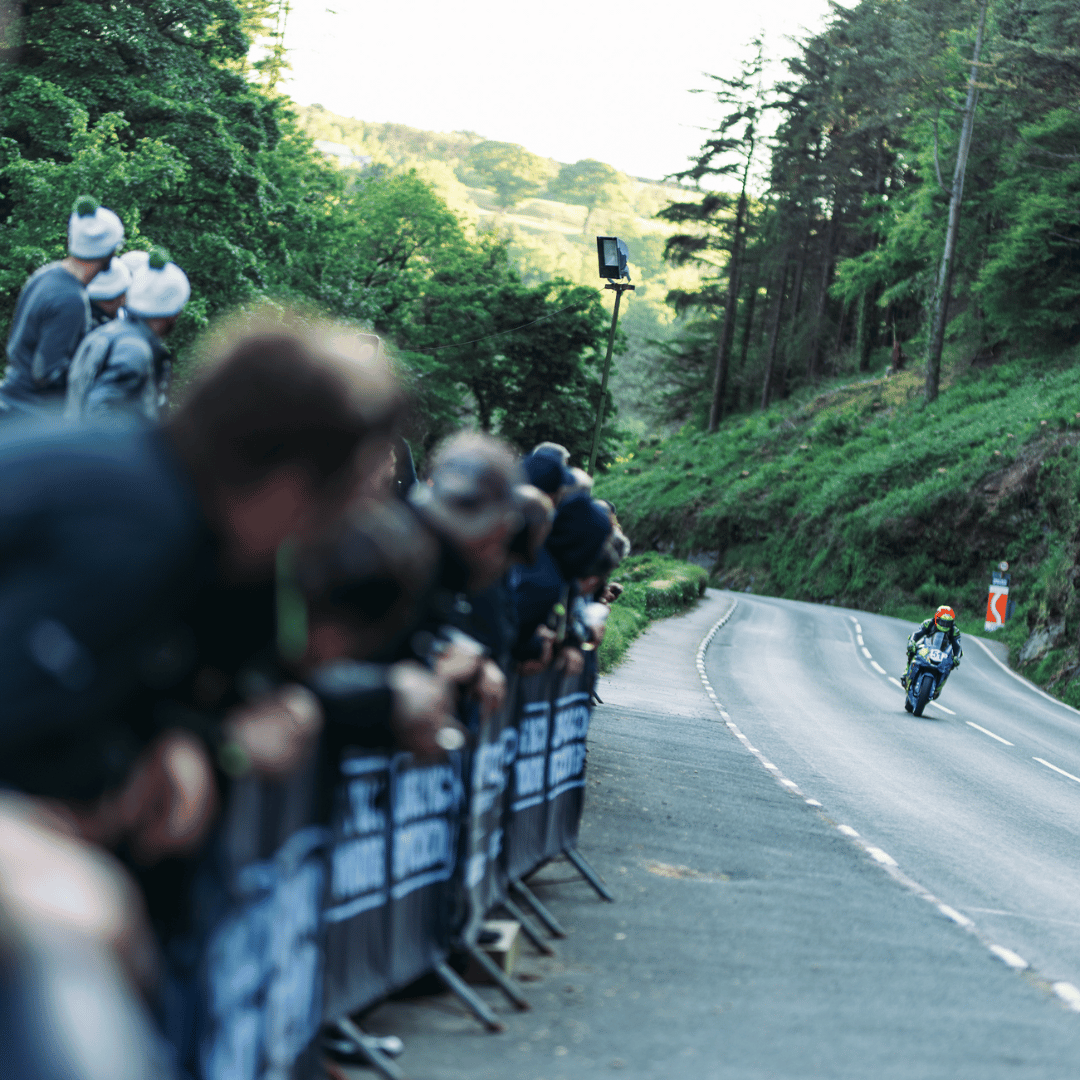
The Isle of Man TT is renowned for its exhilarating motorcycle races that take place annually, attracting racers and fans from across the globe. The event has not only become a spectacle of speed and skill but also a showcase for the evolution of TT racing technology. With each passing year, advancements in motorcycle tech enhance safety, performance, and the overall experience of racing on the legendary Mountain Course. This article delves into the fascinating journey of TT racing technology evolution and its impact on the sport.
A Historic Overview of the Isle of Man TT
The Isle of Man TT began in 1907, and what started as a simple race has transformed into one of the most daring and prestigious motorsport events in the world. Over the decades, the event has served as a testing ground for various motorcycle tech advancements that have paved the way for modern racing. From basic machines of the early 20th century to today's highly sophisticated motorcycles, the journey is a testament to human ingenuity and the persistent pursuit of speed.
Early Days: The Birth of Racing Innovation
In the early days of the TT, motorcycles were powered by primitive engines, and riders relied heavily on their skills to navigate the perilous course. However, the TT spurred a need for innovation, leading to the introduction of several technological enhancements:
- Engine Developments: The shift from single-cylinder engines to multiple cylinders allowed for increased power and smoother rides.
- Braking Systems: Early racers used simple drum brakes, but advancements led to the adoption of disc brakes, significantly improving stopping power.
- Suspension Upgrades: The importance of rider comfort and stability triggered innovations in suspension systems, helping racers tackle the challenging terrain more effectively.
The Technological Revolution: 1970s to 1990s
The period between the 1970s and 1990s saw a seismic shift in TT racing technology evolution. As motorcycle technology advanced, so did the expectations of performance from both riders and attendees:
1970s: Embracing Performance
The 1970s marked the introduction of lightweight materials such as aluminium, enabling bikes to become faster and more agile. This transformation led to:
- Improved Aerodynamics: Streamlined designs contributed to reduced drag, allowing bikes to achieve higher speeds on the straightaways.
- Enhanced Engine Performance: Innovations in fuel injection and exhaust systems resulted in more efficient combustion and power production.
1980s: Safety First
The 1980s witnessed a growing concern for rider safety. With incidents prompting a reconsideration of protocols, several advancements emerged:
- Rider Gear Technology: The development of lightweight, durable materials like Kevlar and advanced helmets improved the safety and comfort of racers.
- Improved Crash Designs: Motorcycles began incorporating features designed to protect riders during tumbling incidents, such as engine covers and bodywork designed to absorb impact.
1990s: Bridging Tradition with Modernity
The TT was no longer just about speed; it became a testing human endurance as well as technological prowess. Innovations were seen in:
- Computerised Remapping: As digital technology emerged, the ability to alter motorcycle settings to optimise performance became a key focus for teams.
- Telemetry Systems: Data collection on every ride allowed teams to analyse performance in real time, significantly enhancing race strategies.
The New Millennium: High-Tech Dominance
As we entered the new millennium, the racing world began to realise the full potential of modern technology in the TT:
2000s: Unleashing the Electronics
The integration of electronics marked a revolutionary change in the way motorcycles performed:
- Anti-lock Braking Systems (ABS): ABS became standard on many racing motorcycles, offering unprecedented control and stability during braking.
- Traction Control: This technology minimized the risk of wheelspin during acceleration, particularly crucial on the unpredictable surfaces of the Mountain Course.
2010s: The Age of Connectivity
During the 2010s, connectivity turned into a game changer. Riders and teams could now communicate and receive real-time data like never before:
- GPS Technology: Live tracking allowed for enhanced strategic decision-making during the race.
- Advanced Simulation: Teams began using simulators for training, further honing rider skills by recreating race scenarios in a controlled environment.
Innovations in Safety and Performance
On the safety front, advancements were continually inspired by the need to protect the athletes at the TT:
- Airbag Suits: The introduction of integrated airbag systems in racing suits provided riders with an additional layer of protection during crashes.
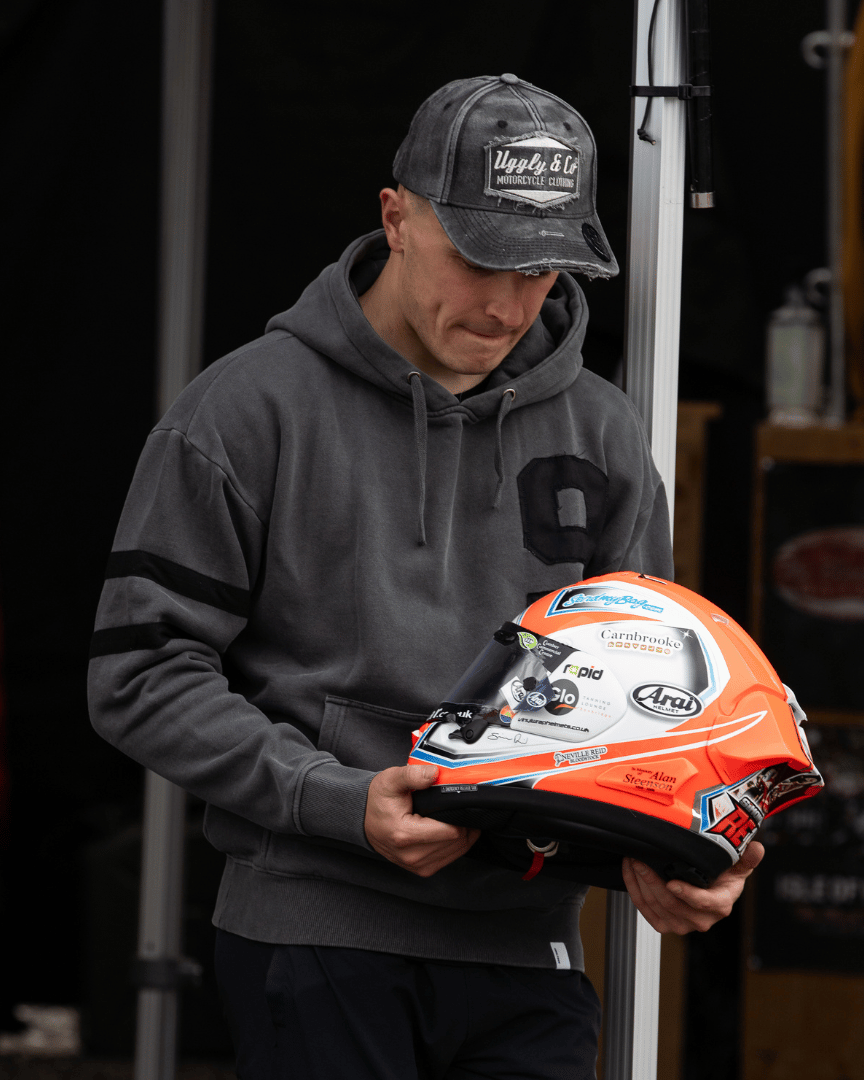
- Smart Helmets: Features such as built-in communication systems and augmented reality displays gave riders an edge when navigating the treacherous course.
Modern Era: The Latest in TT Racing Technology
Today, the Isle of Man TT stands at the forefront of motorcycle racing technology, consistently implementing the latest innovations to enhance safety and performance:
Electric and Hybrid Technology
With a global push towards sustainability, the racing industry has also embraced electric and hybrid technologies:
- Electric Bikes: The introduction of electric categories at the TT has tested the limits of technology, showcasing high-speed racing without the environmental impact of traditional petrol engines.
- Hybrid Powertrains: These innovative systems offer a combination of electric power and conventional engines, greatly increasing efficiency while maintaining speed and performance.
The Role of AI and Data Analytics
Artificial intelligence (AI) and data analytics are now reshaping the strategies applied during races:
- Performance Forecasting: AI algorithms can predict the outcomes of various racing scenarios based on historical data, allowing teams to adapt their strategies dynamically.
- Enhanced Rider Training: Advanced machine learning techniques can analyse rider behaviour, suggesting personalised training regimens to improve individual skills.
The Benefits of Continued Evolution in TT Racing Technology
The continuous evolution of TT racing technology not only benefits the sport but also enhances the experience for fans and participants alike. Here are some key advantages:
| Advantage | Description |
|---|---|
| Improved Safety | Technological advancements significantly reduce the risk of injury or fatality for racers. |
| Increased Performance | Enhanced engines and systems lead to faster lap times and more competitive racing. |
| Environmental Sustainability | Electric options help in reducing the carbon footprint associated with racing. |
| Enhanced Fan Interaction | Technology allows fans to engage with the race in real-time through apps and live feeds. |
From the Past to the Future: A Shared Journey
The evolution of TT racing technology is more than just a history of motorcycles; it’s a celebration of human resilience and ingenuity. With every improvement, the thrill of the race continues to grow, pushing the limits of what is possible on two wheels. As we look forward, the focus will likely be on integrating even more advanced technology and sustainable practices, ensuring that the Isle of Man TT remains a cornerstone of motorsport for generations to come.
By constantly adapting and innovating, the TT not only preserves its rich legacy but also sets the stage for future breakthroughs in Isle of Man TT innovations that can redefine motorcycle racing.
Frequently Asked Questions
1. What is the Isle of Man TT?
2. When did the Isle of Man TT begin?
3. What are some technological advancements seen in TT racing?
4. How has safety improved in TT racing over the years?
5. What future technologies are expected to impact the Isle of Man TT?
Glossary
| Term | Meaning |
|---|---|
| TT | Isle of Man Tourist Trophy, an annual motorcycle race event. |
| Mountain Course | The challenging race circuit used during the TT. |
| ABS | Anti-lock Braking System, enhances braking control. |
| Telemetry | Real-time data collection for performance analysis. |
| Electric Bikes | Motorcycles powered by electric engines. |
| Hybrid Powertrains | Combines electric and traditional engine technologies. |
| Rider Gear Technology | Advanced materials improving safety and comfort for racers. |
| Simulation | Training tools recreating race scenarios for skill enhancement. |
| AI | Artificial Intelligence used for performance forecasting. |
| Smart Helmets | Helmets featuring communication and augmented reality. |
Linked Product

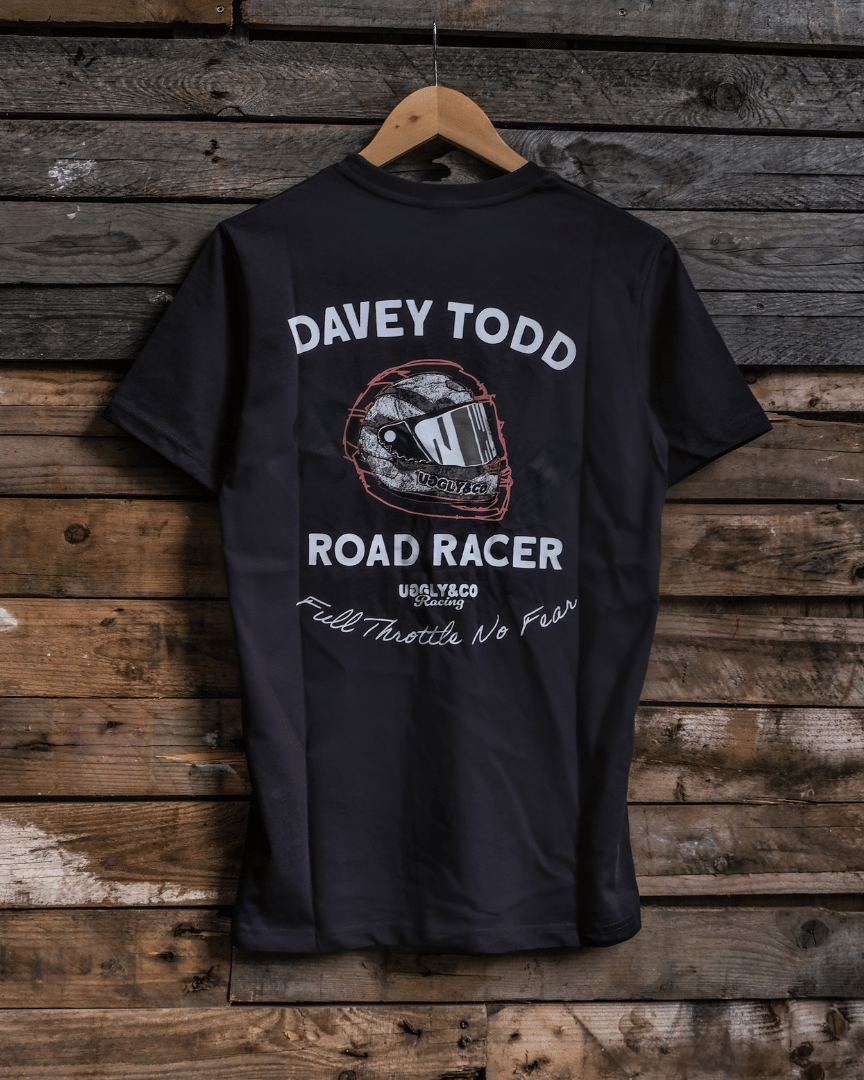
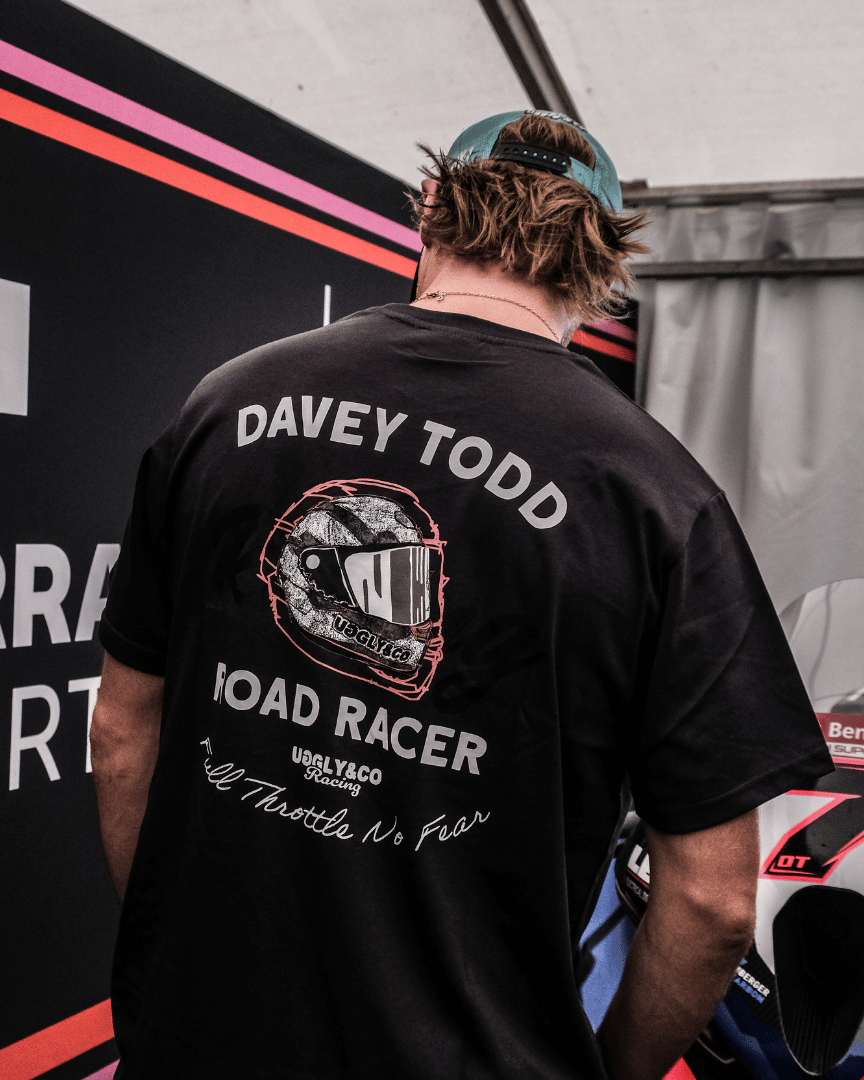
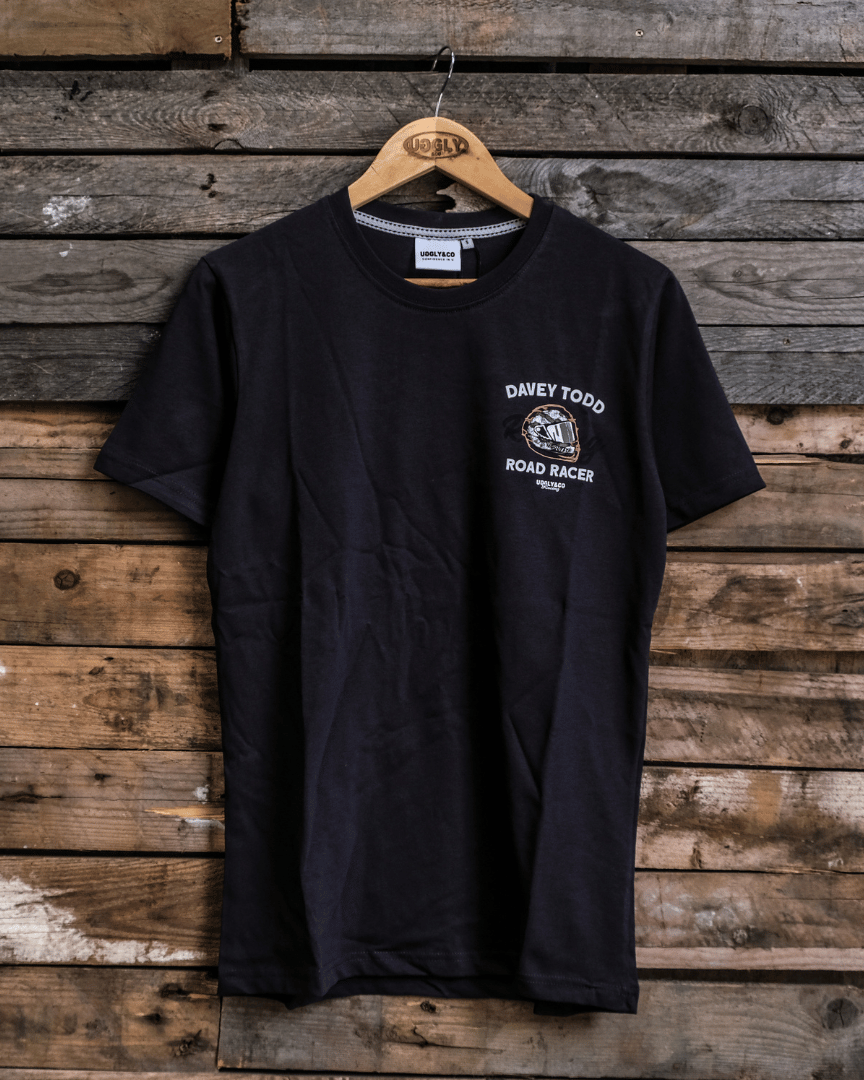
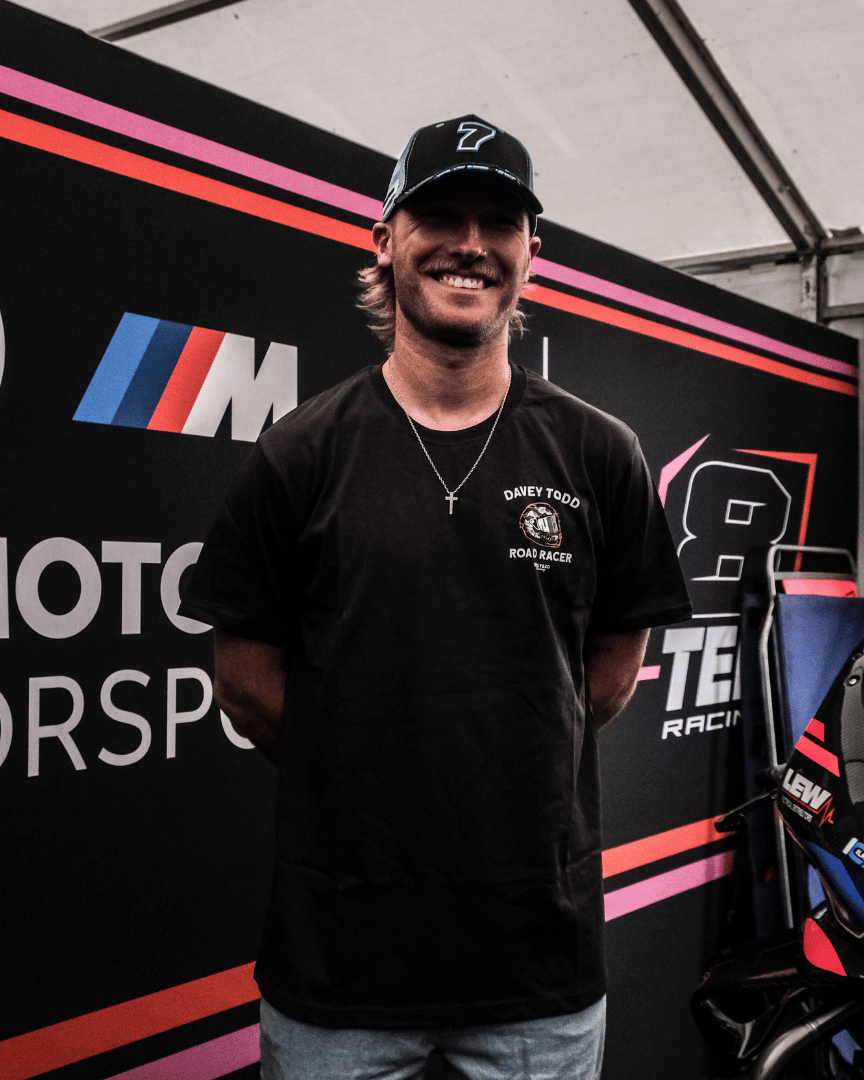
Davey Todd Isle of Man TT Helmet Canvas Wall Art
The "Davey Todd Isle of Man TT Helmet Canvas Wall Art" showcases a striking illustration of a race helmet, embodying the focus and commitment of Isle of Man TT road racing. With its raw, distressed finish and subtle lightning details, this high-quality canvas piece serves as a dynamic statement artwork for fans, motorcycle enthusiasts, and collectors alike. Measuring 35x51cm, it is ideal for enhancing the ambiance of any garage, home, or workspace.
View Product