












Overview
The Isle of Man TT is a renowned motorcycle race with a complex safety history. Since its inception in 1907, safety measures have evolved significantly, driven by increasing concerns over rider fatalities. Key innovations include improved protective gear, advanced medical infrastructure, rigorous training, and the integration of technology like telemetry and data analytics. While safety remains a priority, the race preserves its thrilling essence. As it approaches its centenary, ongoing collaboration between the racing community and safety experts aims to ensure that the TT continues to be exhilarating yet secure for all participants.
Key Takeaways
- The Isle of Man TT has been held since 1907, evolving from a perilous public road race to a modern event prioritising safety.
- Significant safety measures have been implemented over the decades, including the introduction of high-quality protective gear for riders.
- Medical infrastructure has improved, with on-site teams and rapid response systems ensuring quick medical assistance during races.
- Technological advancements such as telemetry systems and data analytics play a crucial role in monitoring rider performance and enhancing safety protocols.
- Community involvement is essential for promoting safety, encouraging peer support, and engaging younger riders in safety workshops.
- Annual memorials honour those lost in the race, underscoring the importance of safety in motorsport.
- The future of the TT focuses on continuous improvement of safety measures while maintaining the race's thrilling legacy.
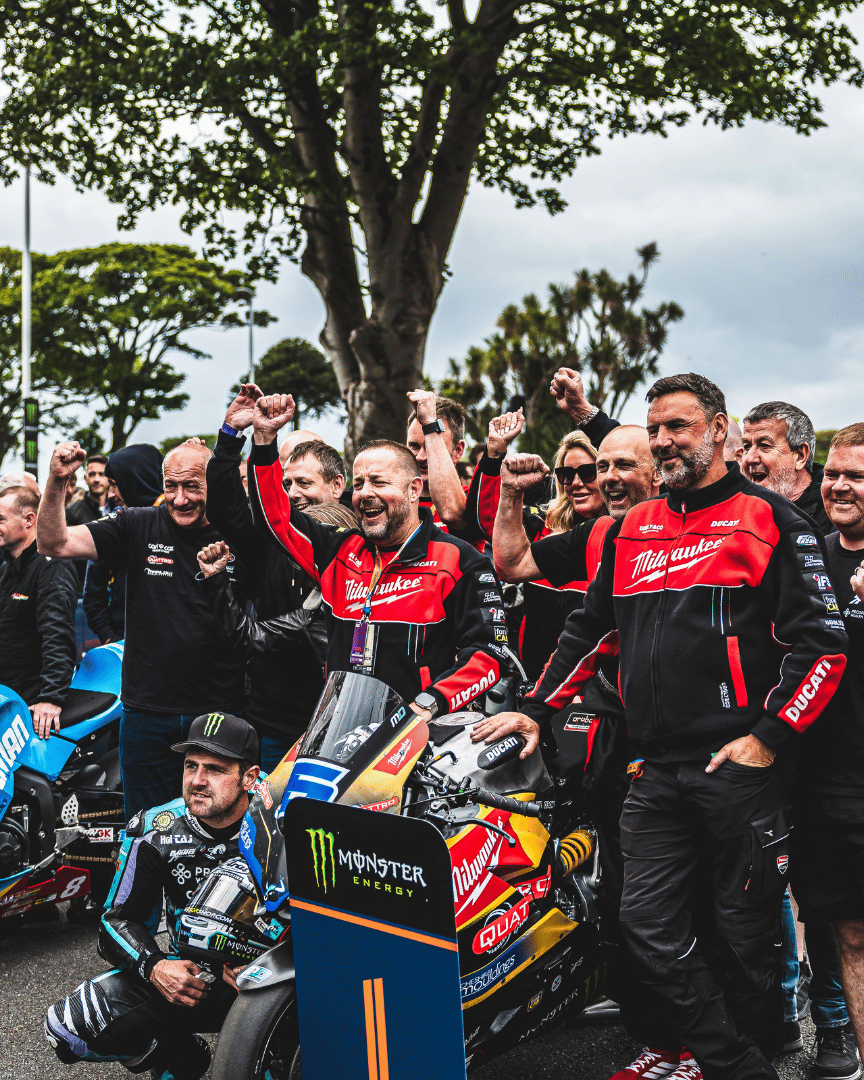
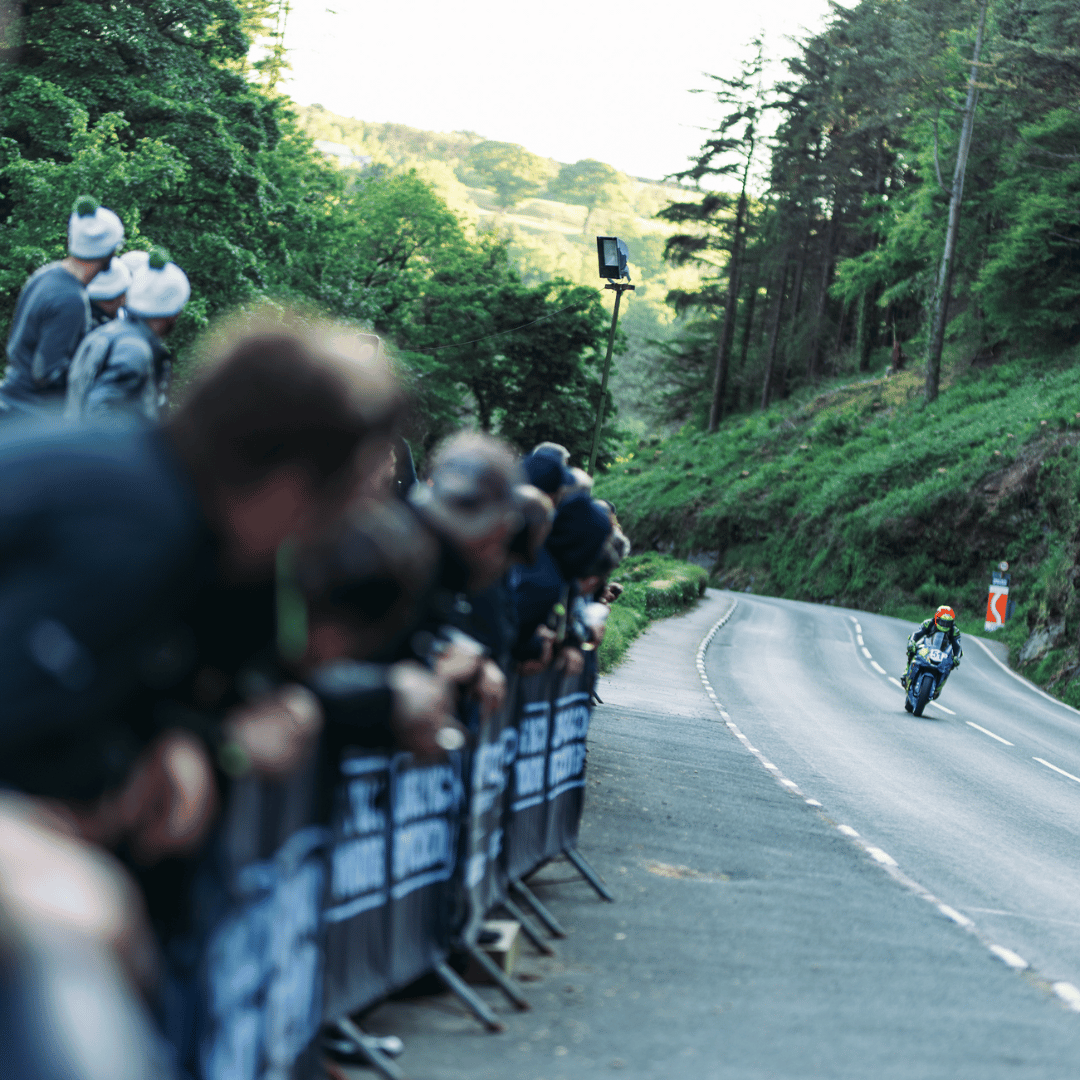
The Isle of Man TT (Tourist Trophy) race is arguably one of the most famous motorcycle races globally, attracting countless spectators and riders alike. While the thrill of speed, the roar of engines, and the intense competition are central to the event, safety has always played a contentious yet crucial role in its history. This article explores the evolution of safety measures in the Isle of Man TT, comparing past practices with modern standards and shedding light on how this iconic race has adapted to the changes over the years.
A Brief History of the Isle of Man TT
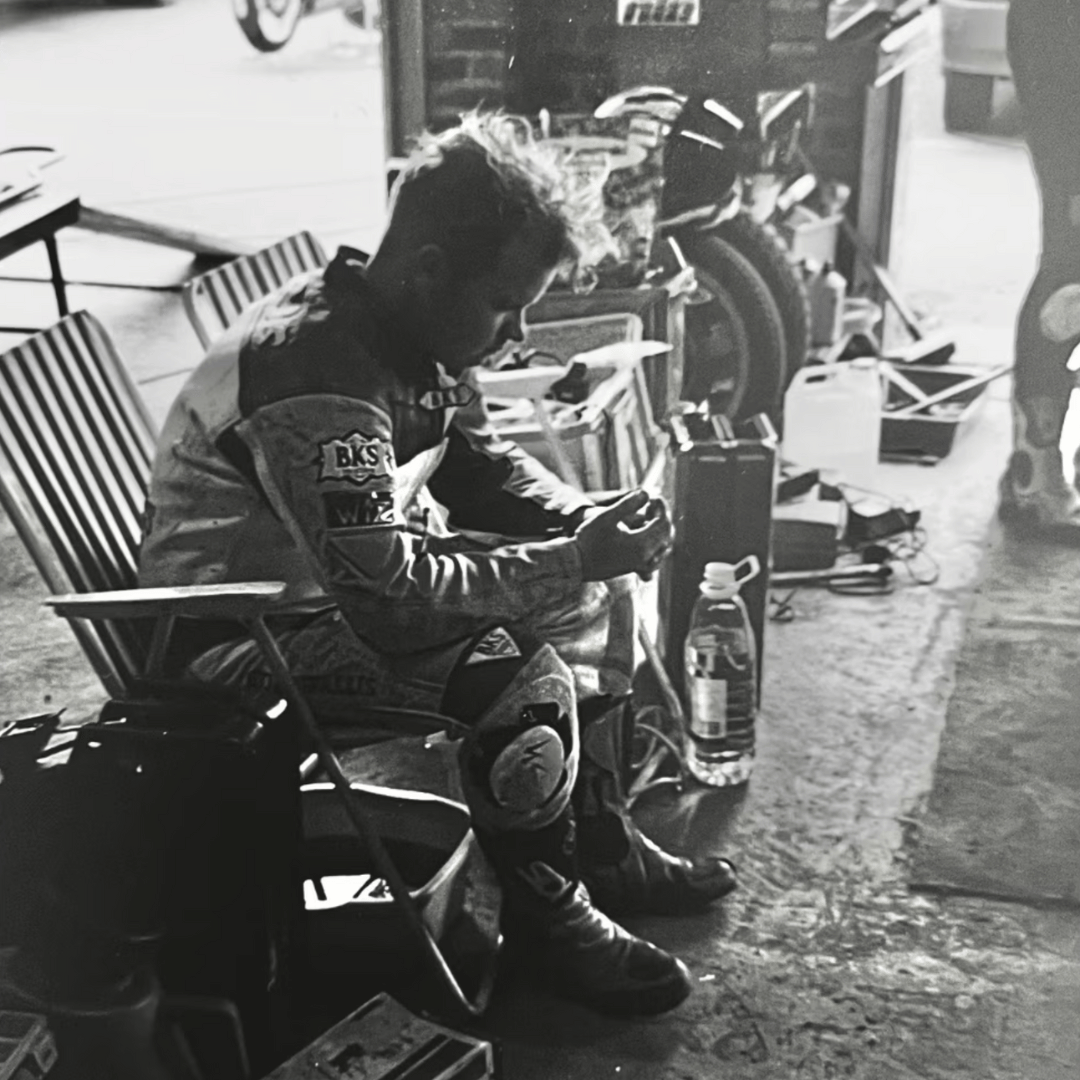
Founded in 1907, the Isle of Man TT has seen tremendous evolution in its structure and perception. Originally conceived as a racing challenge on public roads, the TT has maintained its original charm while grappling with the need for increased safety. Early competitors rode without helmets or any protective gear, pushing the boundaries of speed at the risk of their lives. The thrill-seeking nature of these races made them exciting yet perilous.
The Advent of Safety Measures
As the years progressed, the fatality rate began to attract media attention and public outcry. The question of safety became increasingly important as more accidents happened, shedding light on the harsh reality of road racing. In the 1970s and 1980s, the TT faced mounting pressure to implement safety measures, not only to protect riders but to ensure the event’s continued existence. By embracing modern technology and improving rider equipment, the Isle of Man TT began to shift its focus towards a safer environment without sacrificing the spirit of competition.
Transformative Safety Innovations
In response to the growing concerns about safety, the Isle of Man TT has introduced numerous strategic initiatives aimed at enhancing the race's safety standards. Let’s delve into some of the key innovations that have shaped safety protocols:
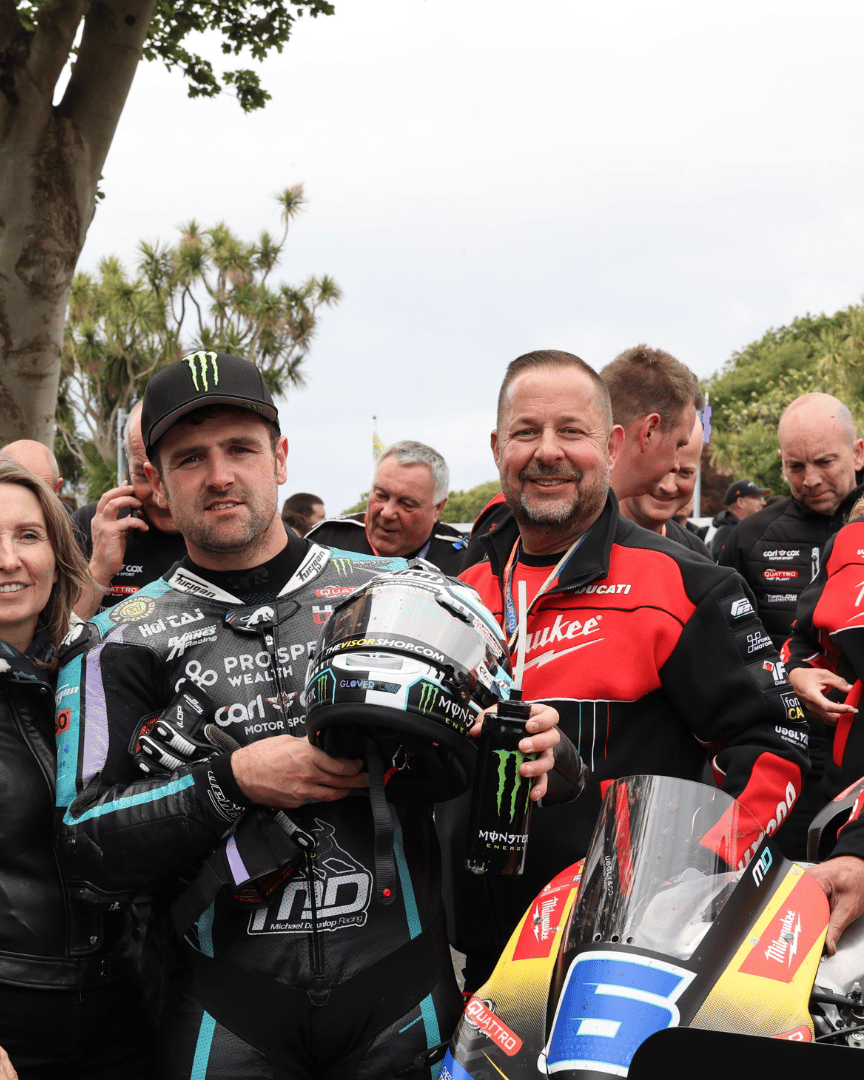
- Protective Gear Improvements: The adoption of high-quality helmets, gloves, and suits marked significant progress in rider protection. Nowadays, athletes are equipped with gear that includes advanced materials designed to absorb impact and prevent injuries.
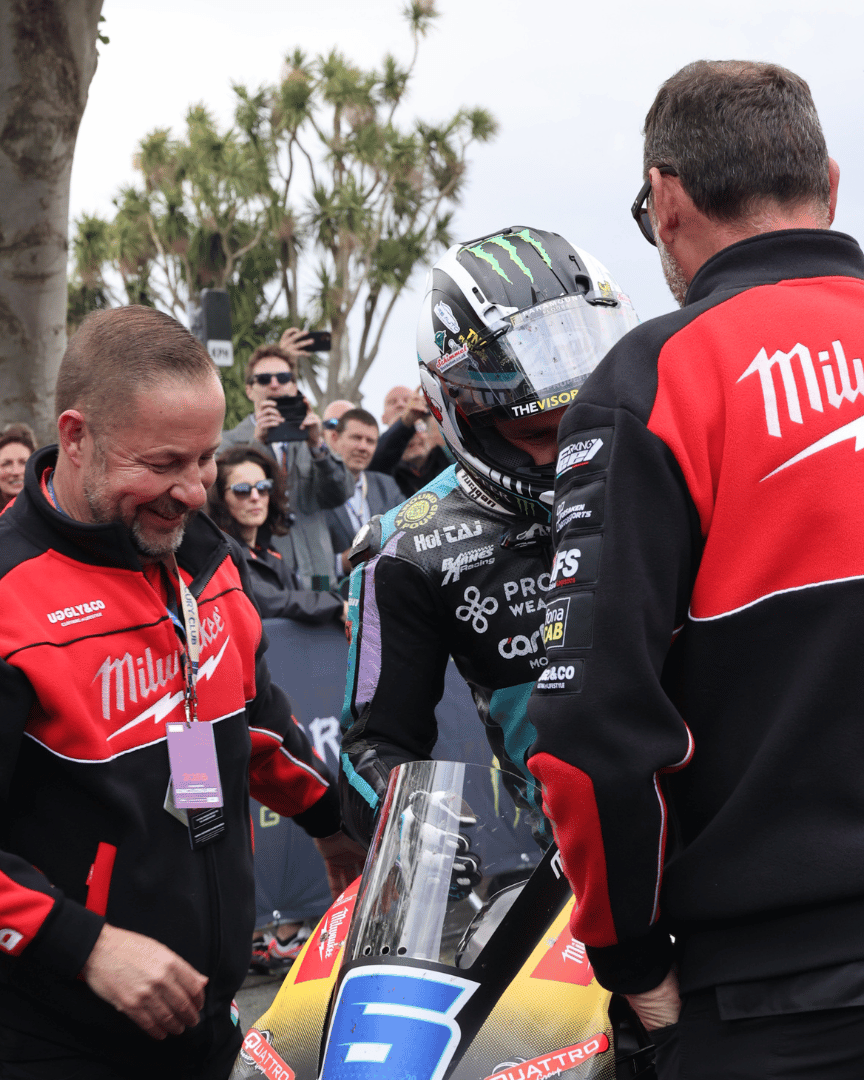
- Medical Infrastructure: The establishment of on-site medical teams, fully equipped ambulances, and rapid response systems ensures that medical emergencies are addressed swiftly, potentially saving lives.
- Training and Education: Riders are now required to undergo rigorous assessments and training sessions that focus on risk awareness and emergency procedures.
- Track Regulations: Modifications to the track layout and road signage have been implemented to improve rider visibility and streamline operations during the race.
The Role of Technology in Safety
The evolution of technology has played a pivotal role in enhancing safety during races. Here are a few ways technology is integrated into safety protocols:
| Technology | Application in Safety |
|---|---|
| Telemetry Systems | Used to monitor racer speed, cornering, and braking patterns, allowing teams to tune performance and strategies. |
| Fatality Prevention Equipment | Impact-absorbing barriers and advanced cornering systems are now standard on the circuit. |
| Data Analytics | Analyzing rider performance and incident histories helps understand risk factors and areas for improvement. |
| Virtual Reality Training | Allows riders to practice and prepare for races without the physical risks associated with real-life scenarios. |
The Modern Era: Balancing Tradition and Safety
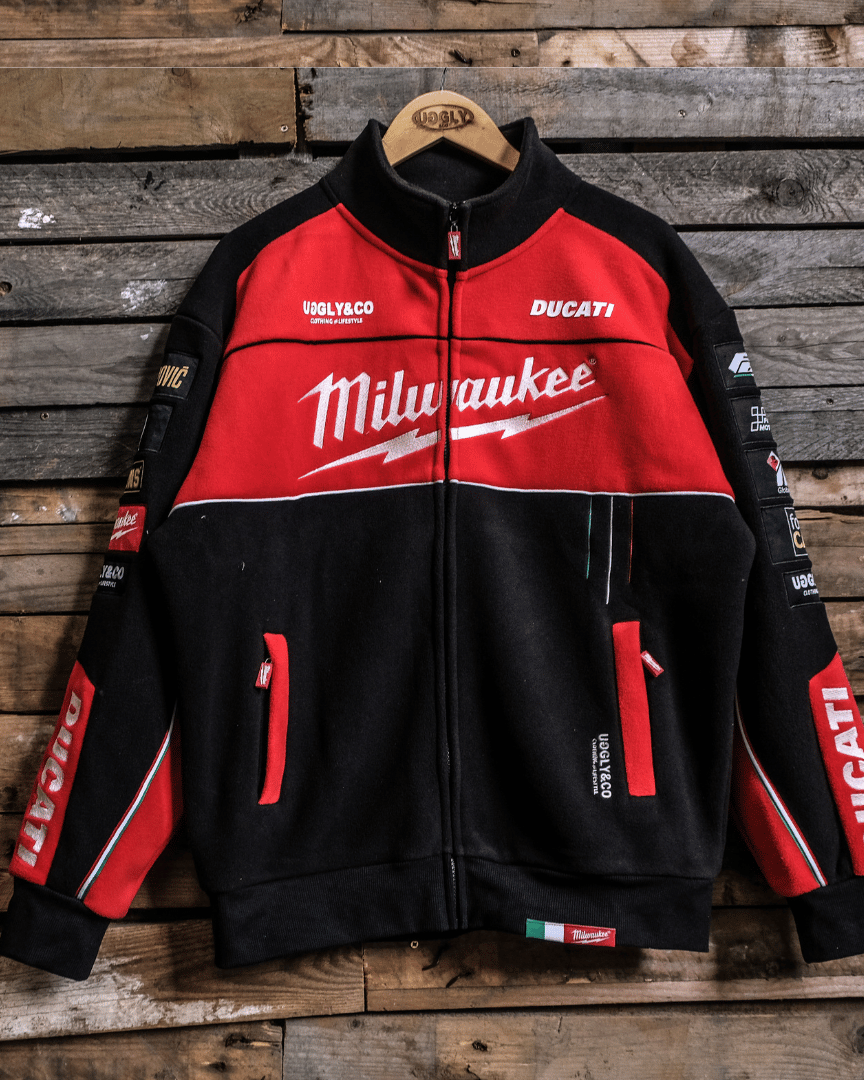
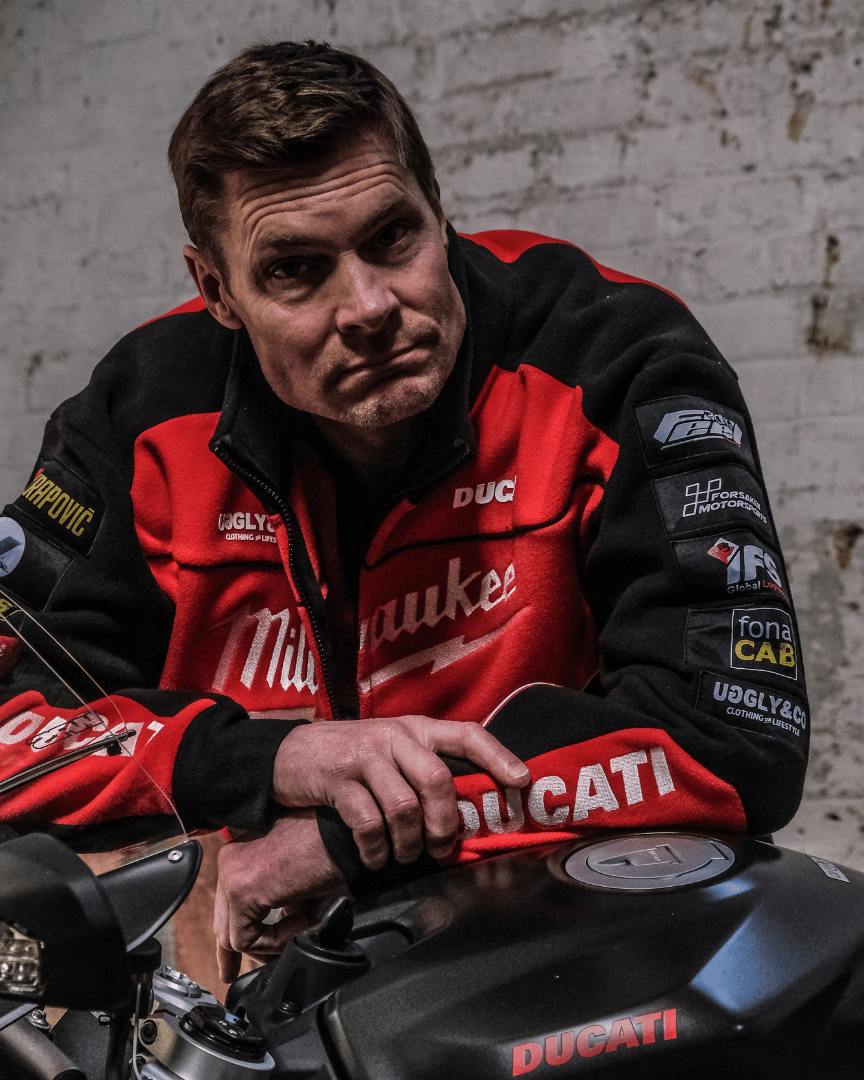
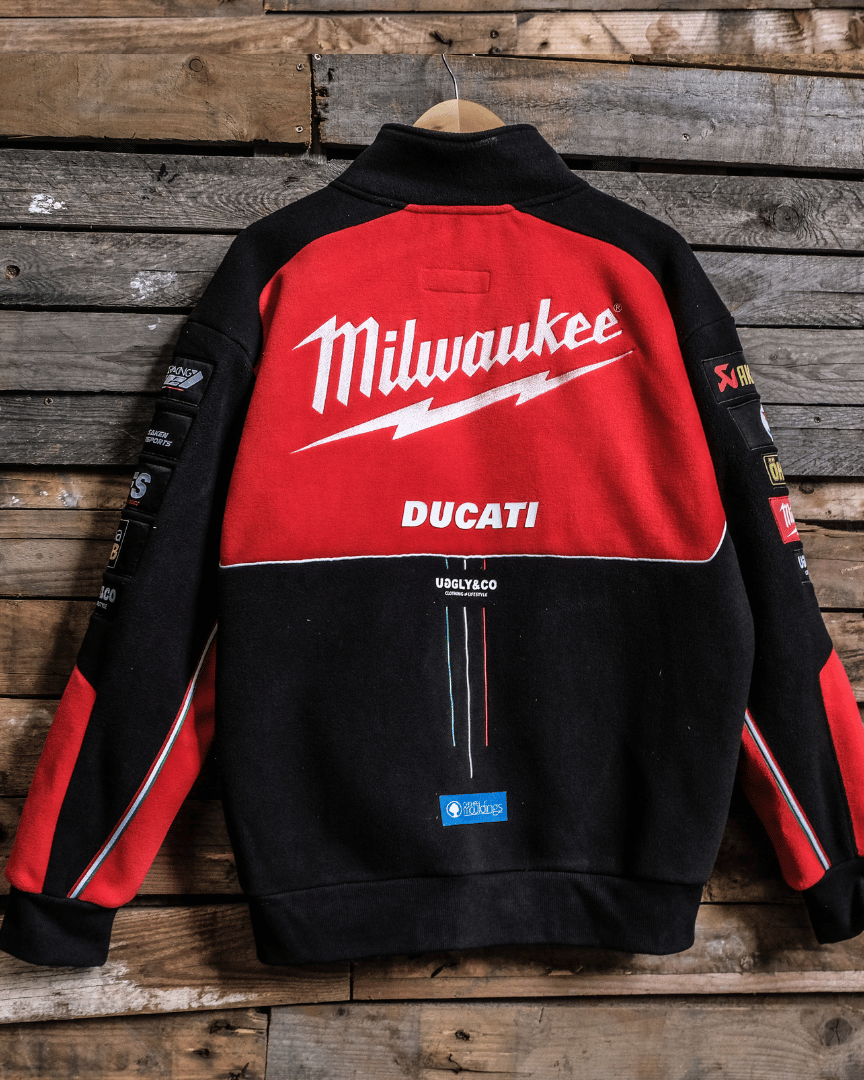
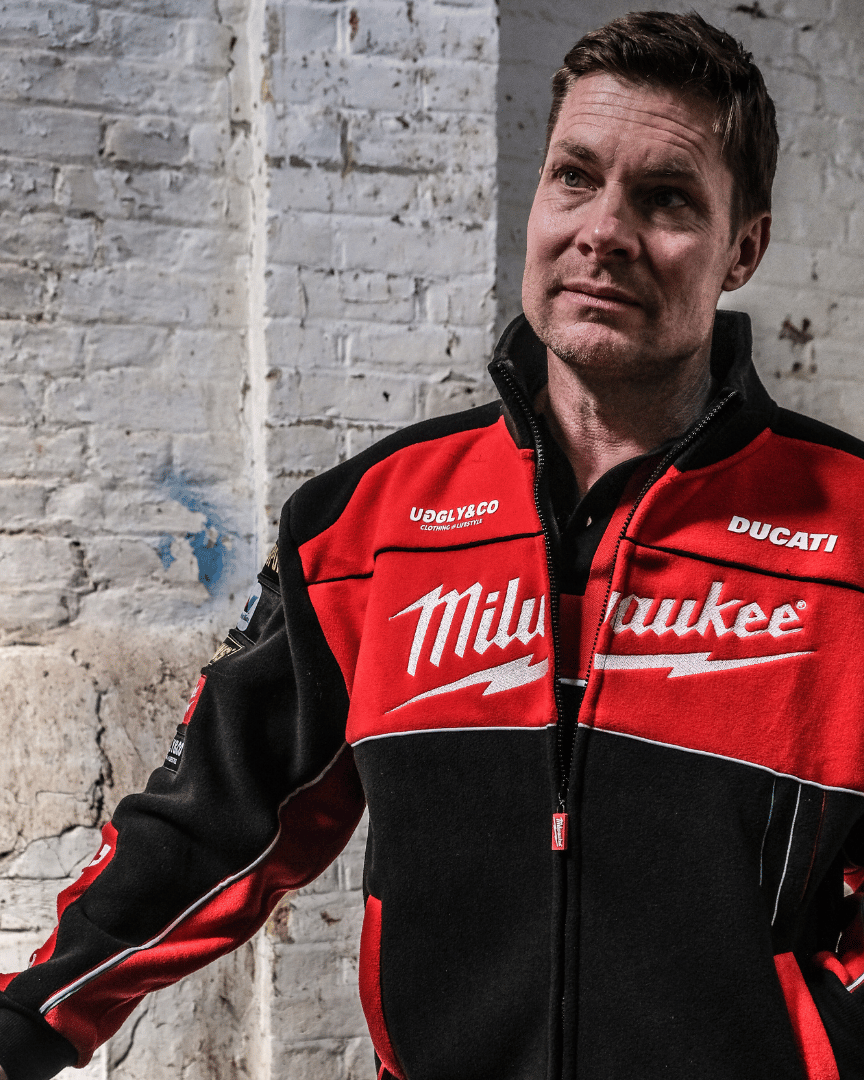
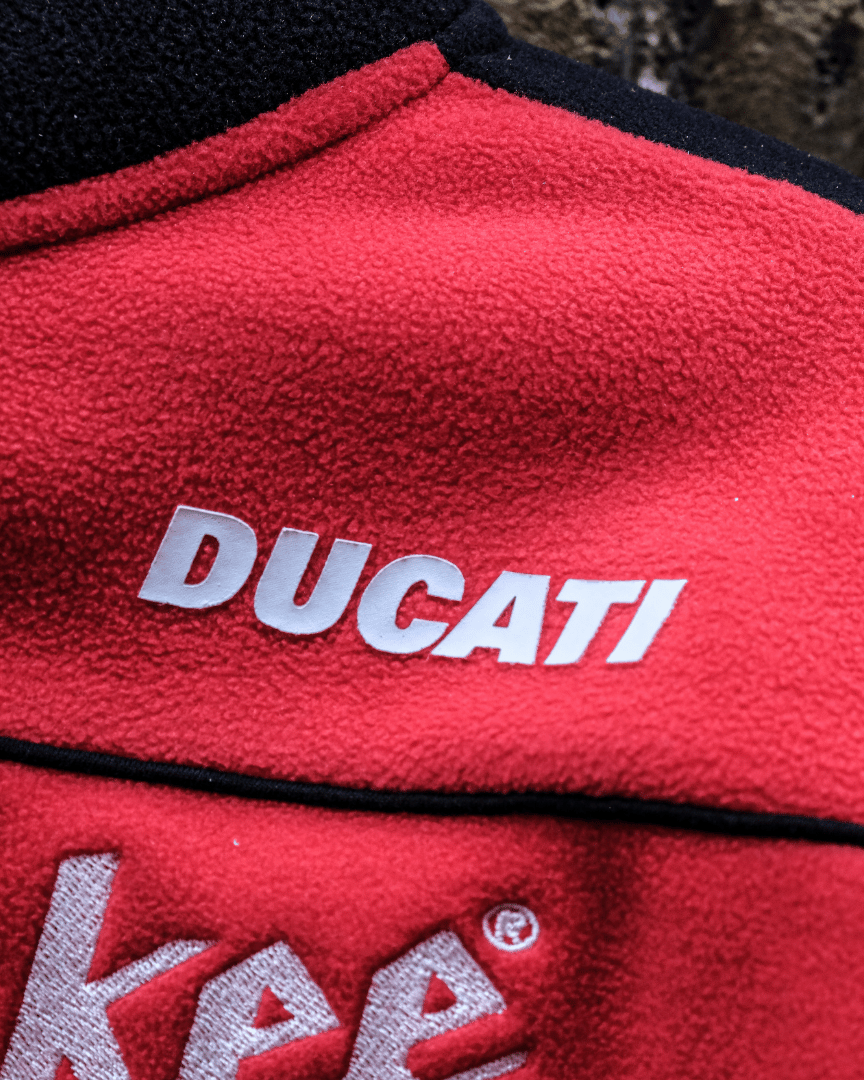
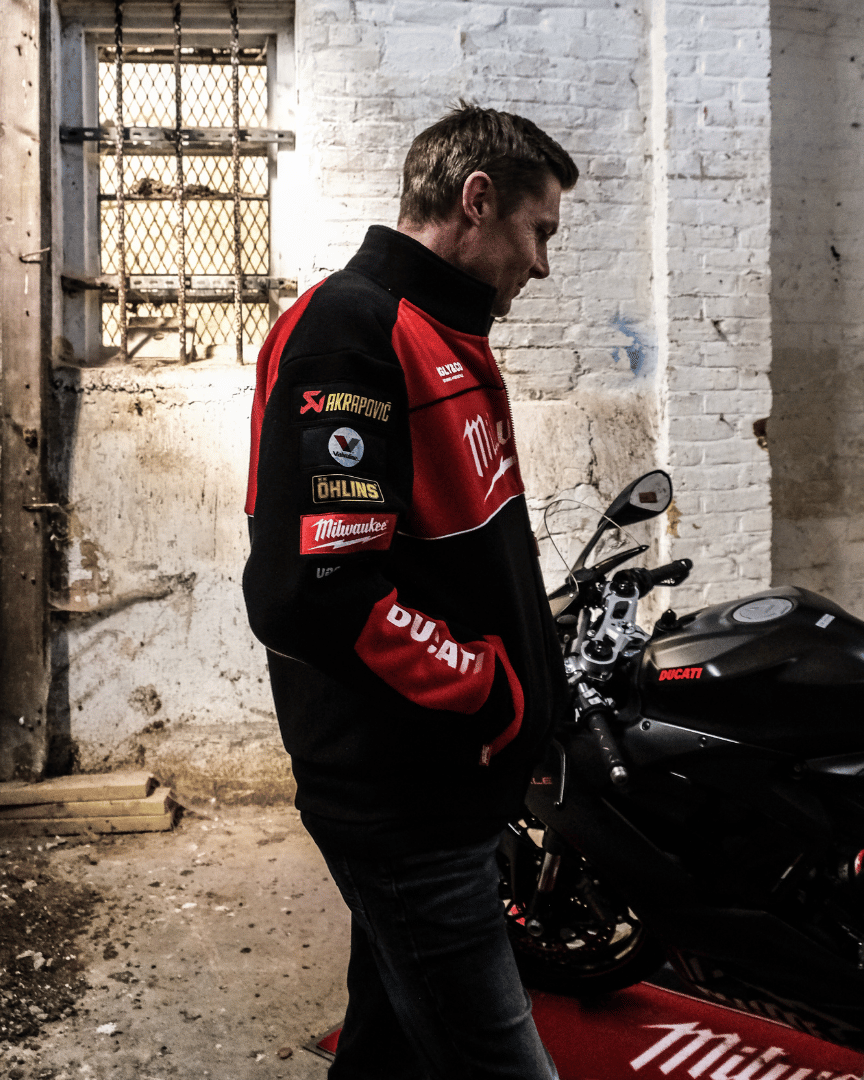
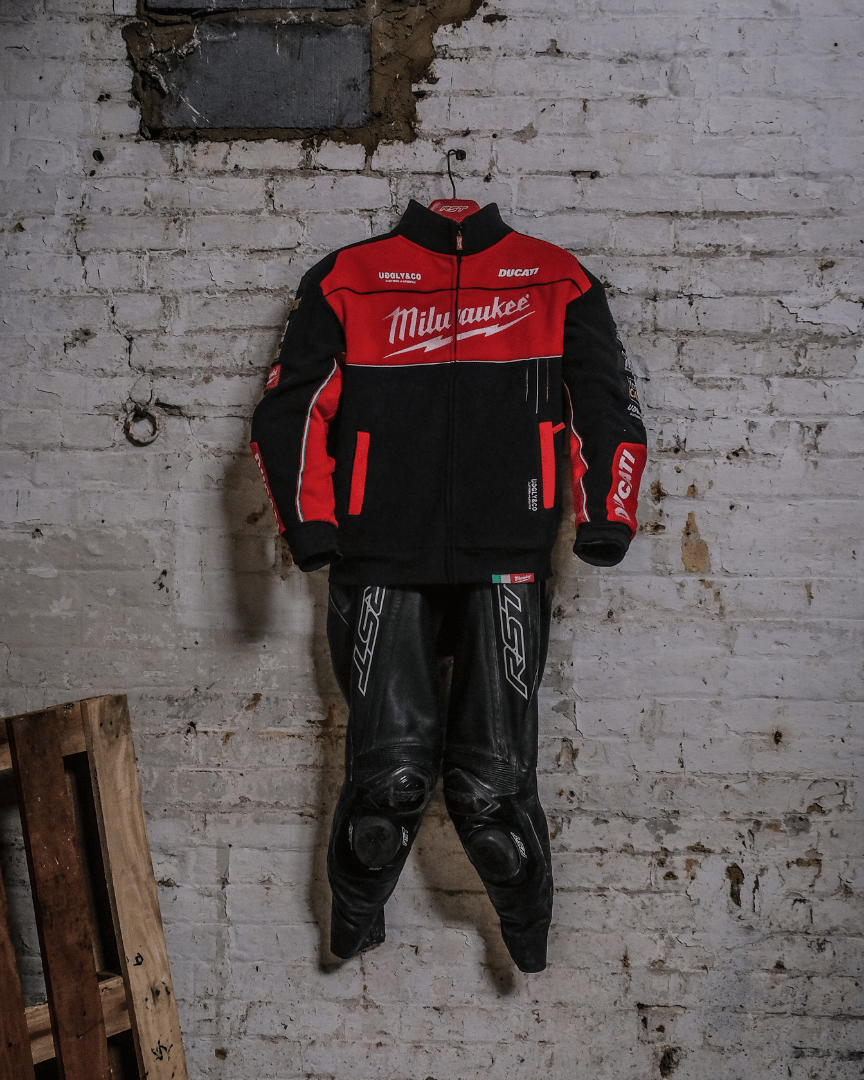
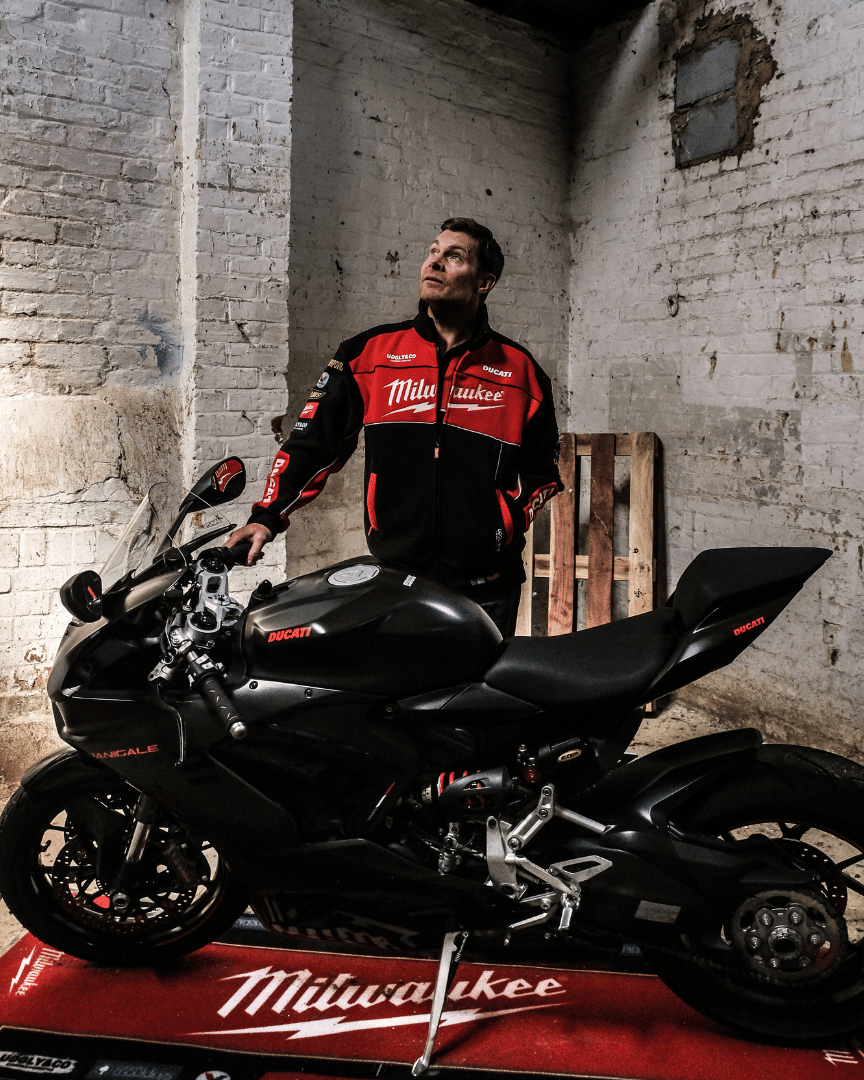
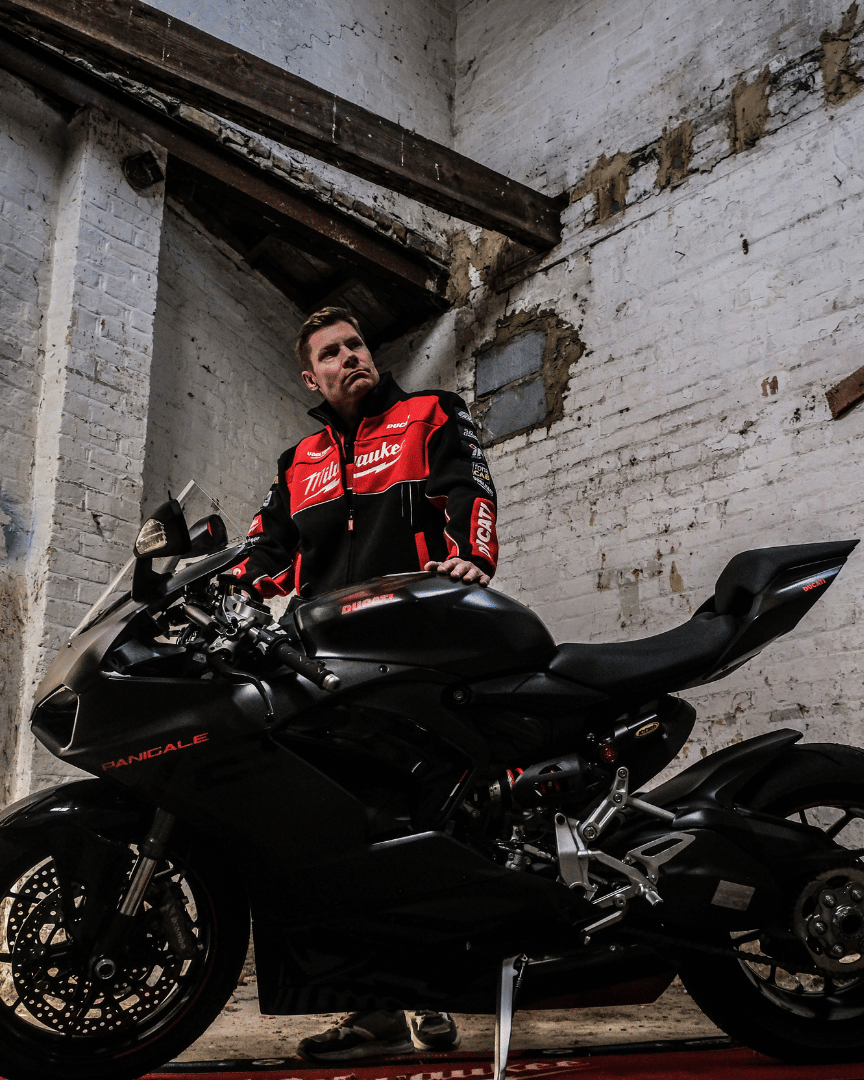
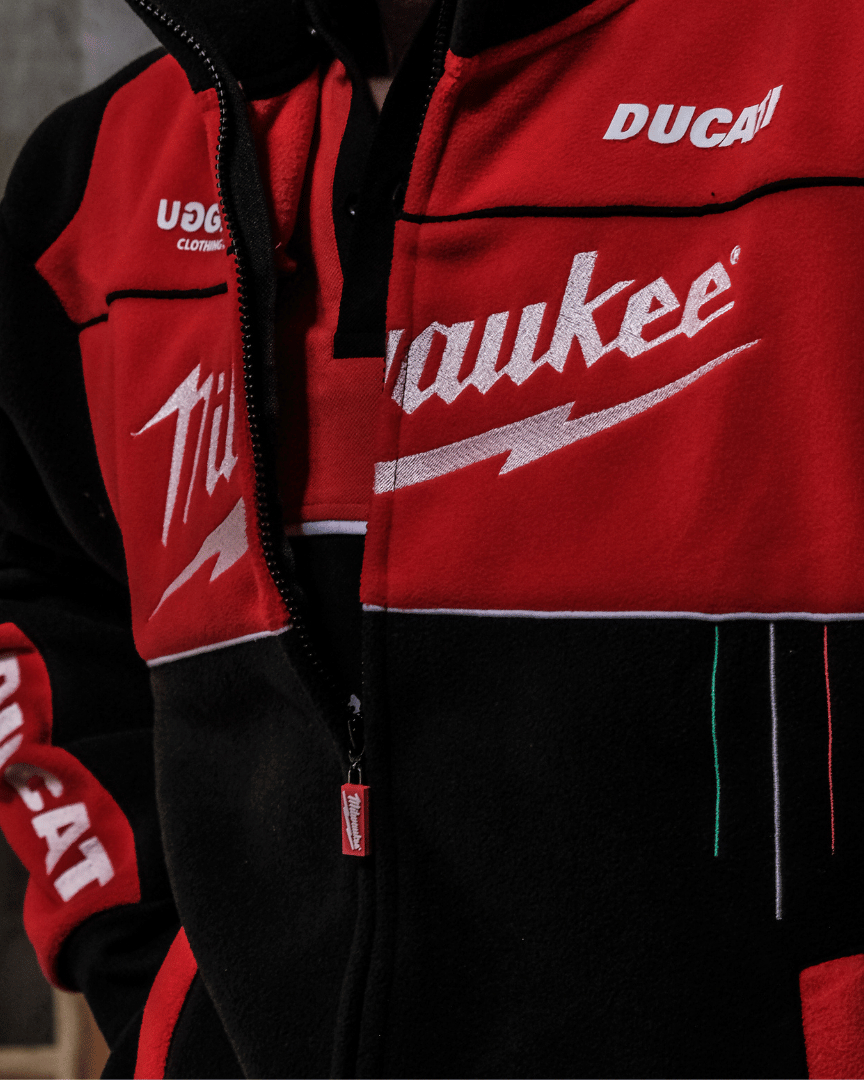
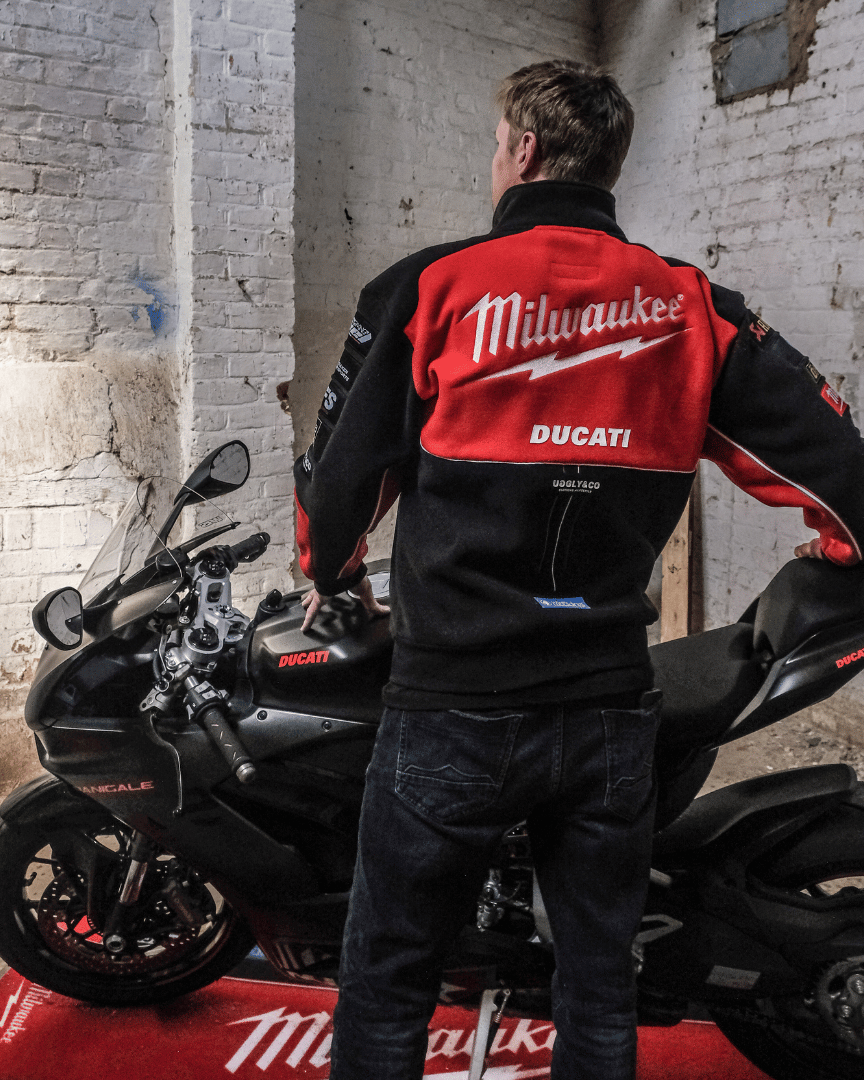
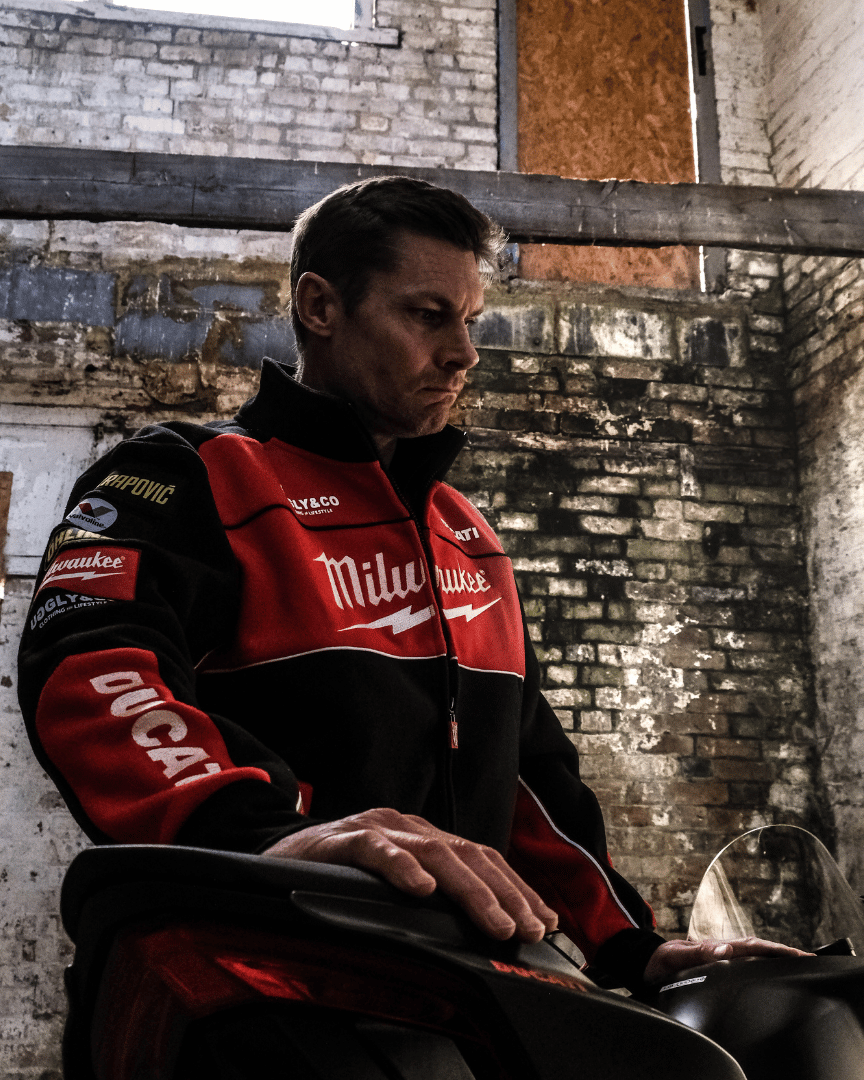
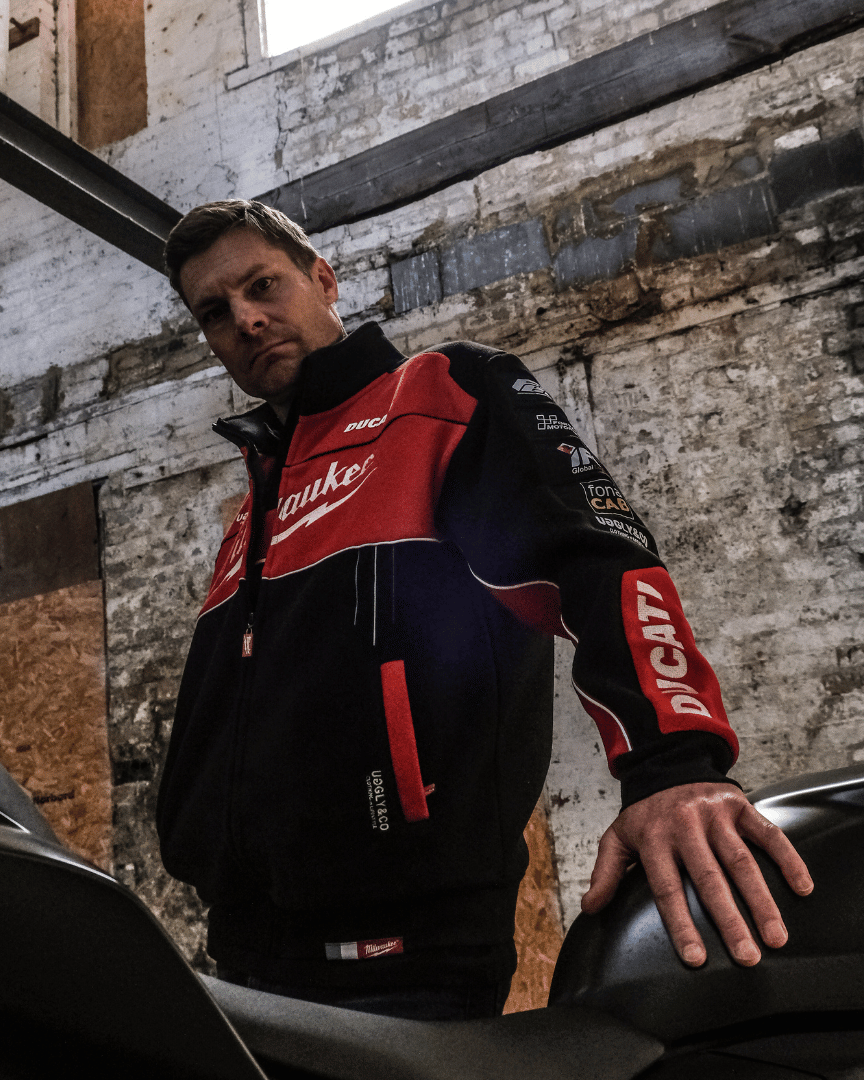
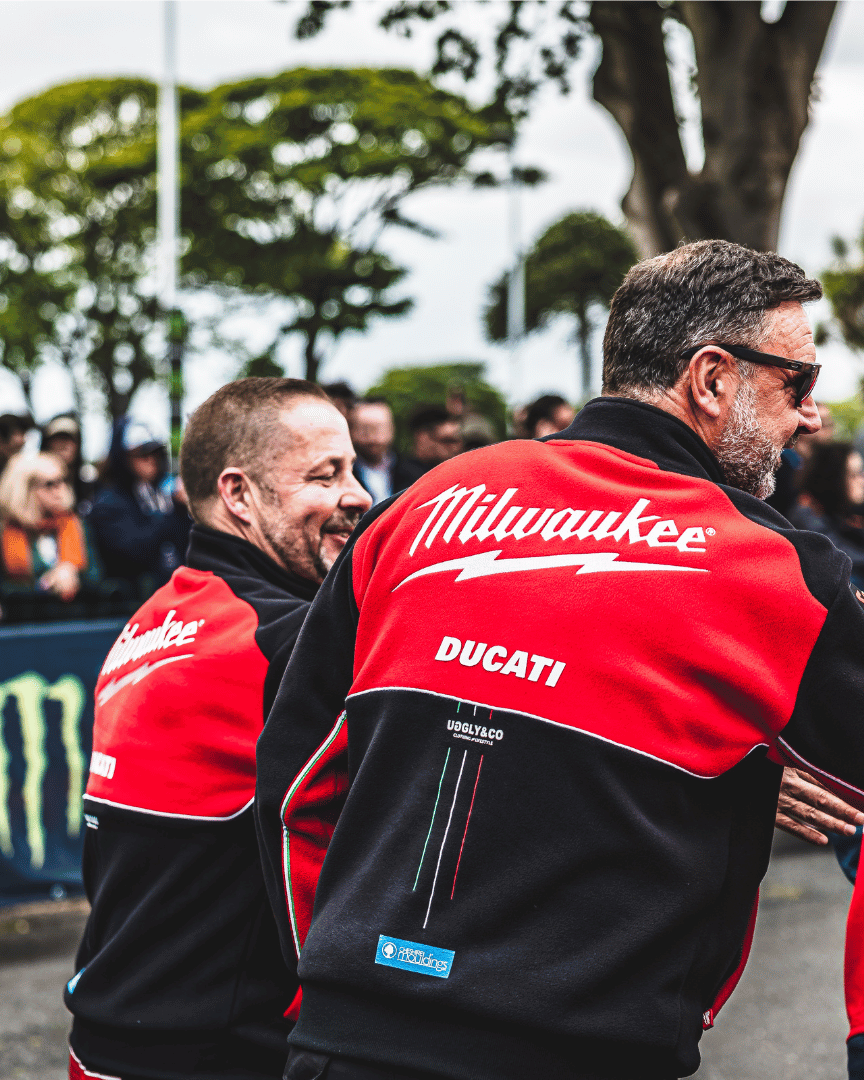
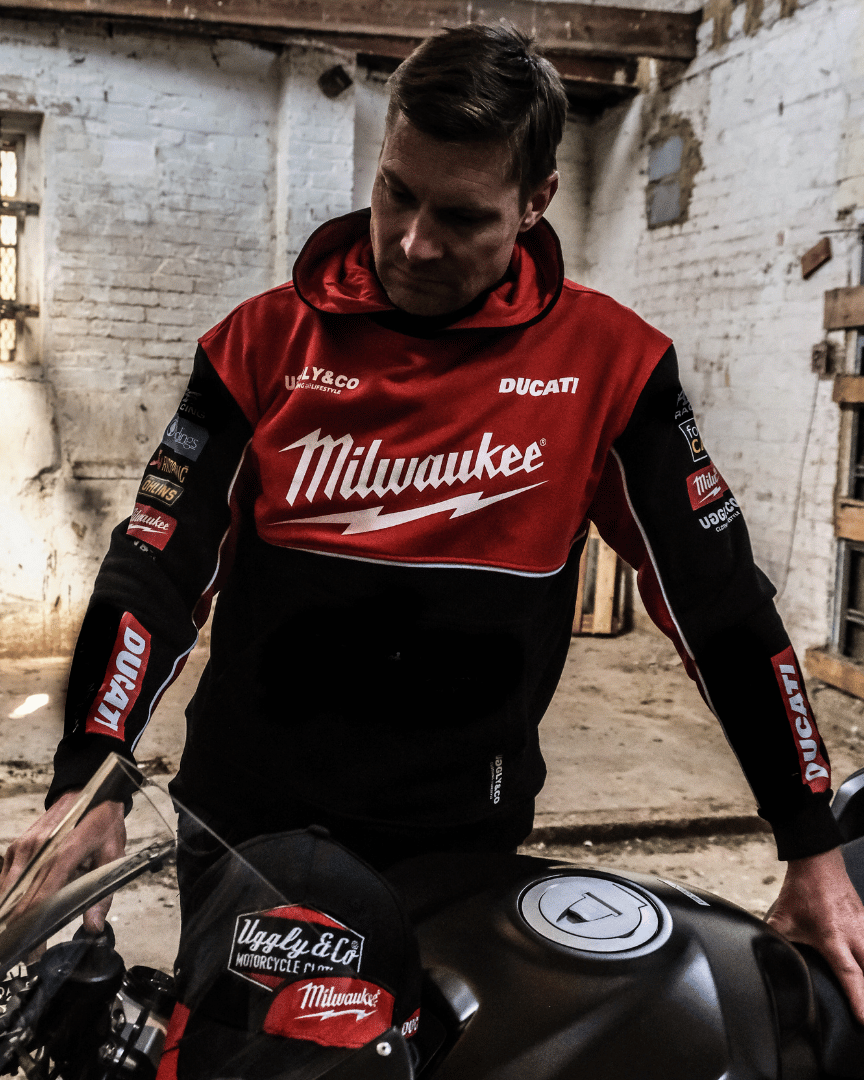
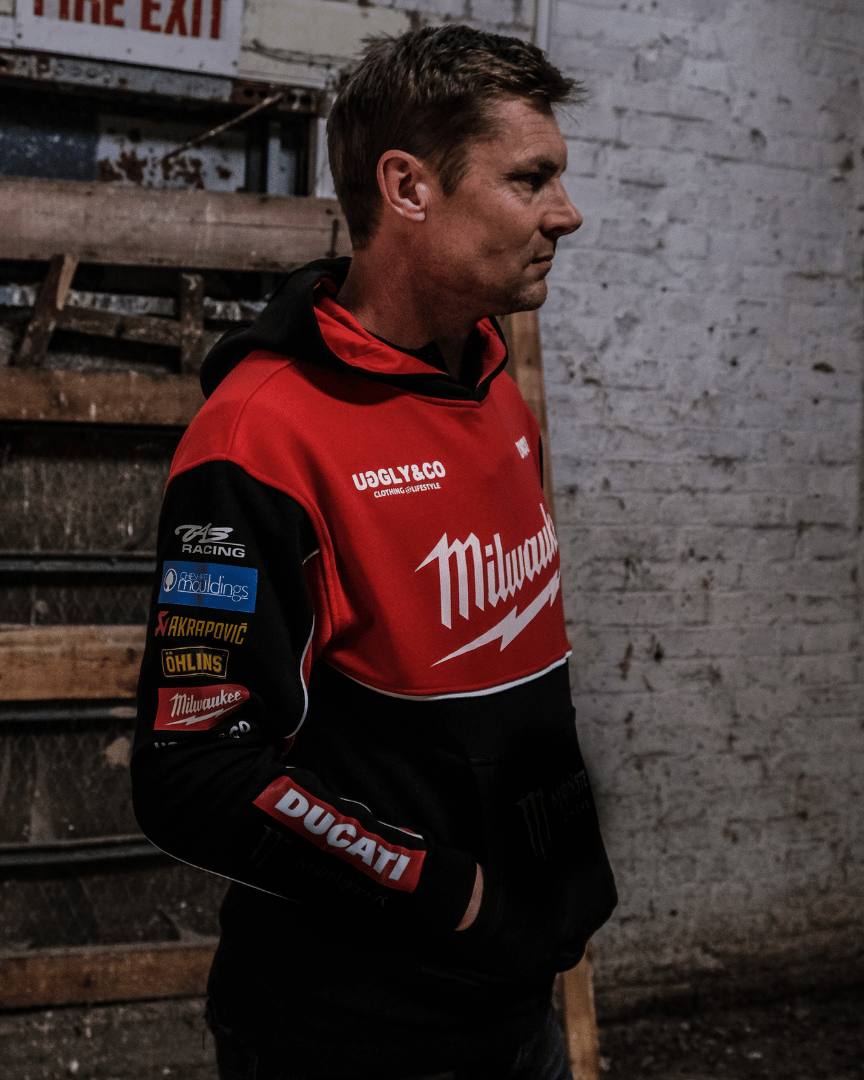
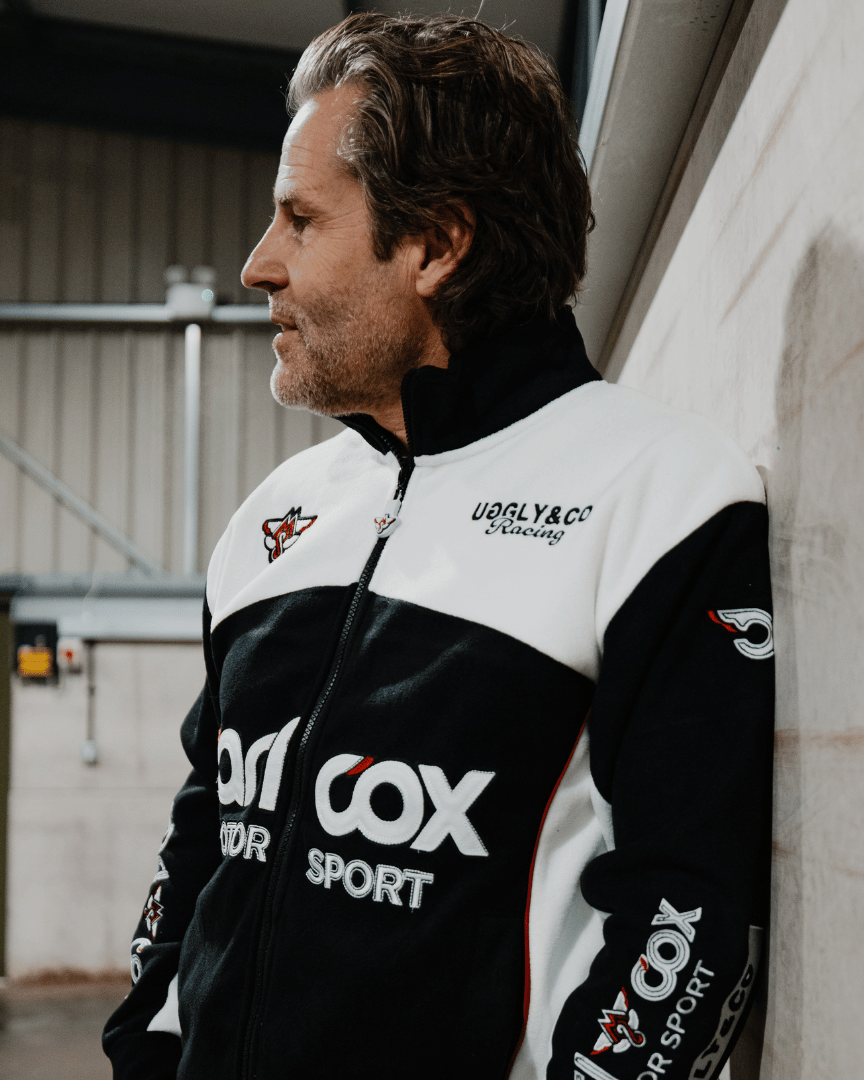
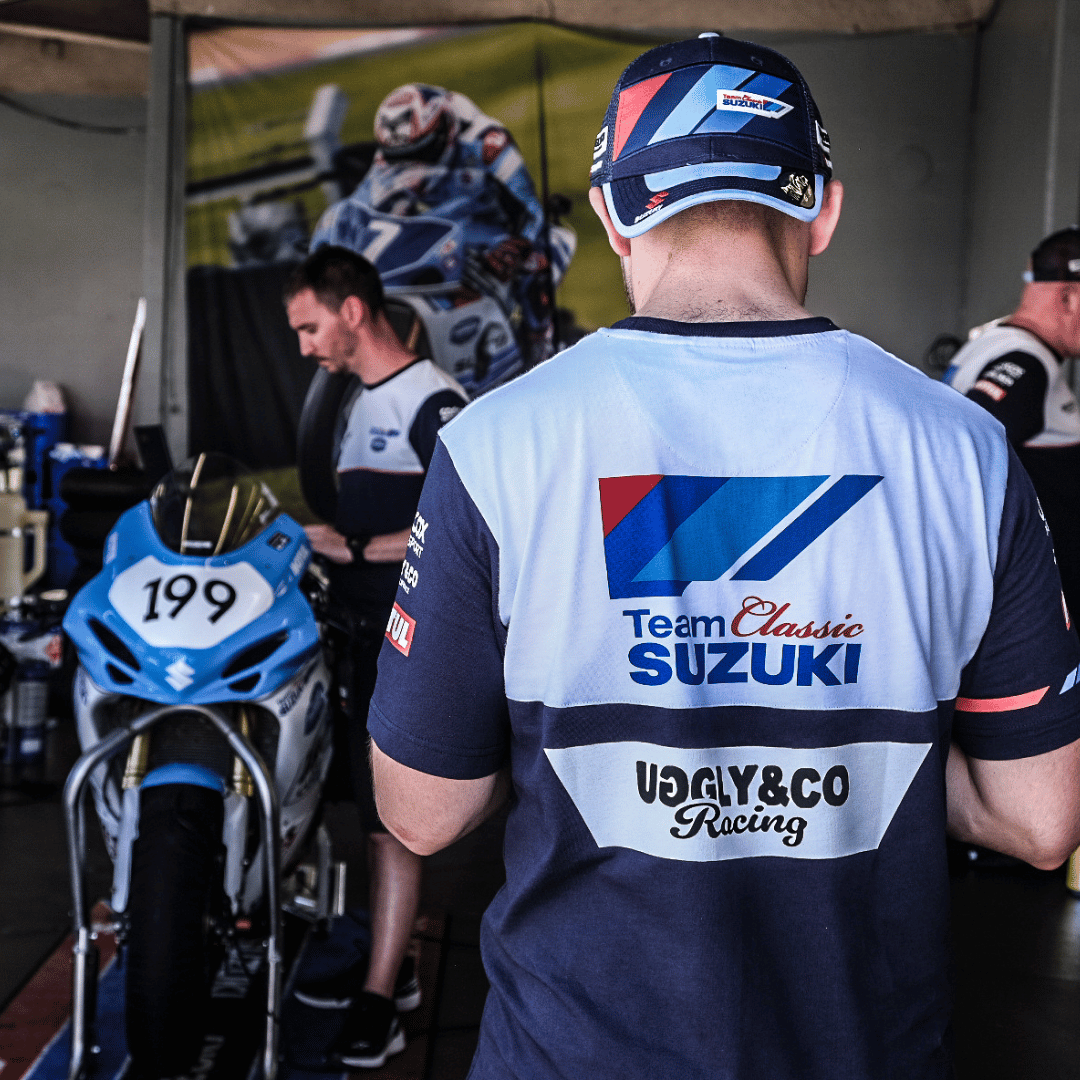
In the present day, the combination of advanced safety measures and a conscious approach to risk management has led to a more secure environment for racers. Nevertheless, the essence of the race remains intact. The roar of the engines, the adrenaline rush, and the passionate fans still define the TT. Innovative gear such as the Team Classic Suzuki Track Jacket also plays a role in enhancing rider safety by promoting awareness of the critical need for protective clothing in motorsport.
Moreover, the British Superbikes series, which features modern motorcycle racing in a controlled environment, also contributes to the dialogue around rider safety. Lessons learned from both the Isle of Man TT and the British Superbikes have fostered an environment where safety measures are progressively improved.
Commemorating Those Lost
While the Isle of Man TT has implemented various safety measures, it is essential to acknowledge that the race has not been without its tragedies. Numerous lives have been lost, raising awareness about the inherent dangers of motorsport. Annual memorials and tributes during the event honour those who have sacrificed their lives in pursuit of speed and glory. These moments of reflection highlight the importance of safety, reminding everyone involved that this sport, while thrilling, carries risks that can affect not just racers but their families and communities.
Looking to the Future
As the Isle of Man TT approaches its centenary, the focus remains on enhancing safety while retaining the race's legacy. Continuous dialogue between riders, organisers, and safety experts is vital in ensuring optimal safety standards are upheld. The TT community is committed to evolving practices and embracing innovations that will protect riders, making the race both exhilarating and secure.
A Community Effort
The safety of the Isle of Man TT is not just the responsibility of the race organisers but also of the motorcycling community at large. Here are some ways that community involvement can further enhance safety:
- Encouraging peer support among riders to share experiences and advice.
- Promoting local awareness campaigns focusing on road safety among spectators and drivers alike.
- Engaging younger riders in safety workshops to foster a culture of caution and awareness.
A Journey of Safety and Speed
In the exhilarating journey of the Isle of Man TT, the balance between speed and safety remains a compelling story still unfolding. The historic evolution of safety measures serves as a testament to the resilience and commitment of the racing community. By honouring the past and embracing the future, the Isle of Man TT is poised to continue thrilling fans for many years to come while ensuring that its riders are as safe as possible. As discussions around safety continue, it’s vital that both past lessons and future innovations be embraced, ensuring that the racing spirit lives on, brighter and safer.
Glossary
| Term | Meaning |
|---|---|
| Isle of Man TT | A renowned motorcycle race held annually on public roads in the Isle of Man. |
| Protective Gear | Equipment such as helmets and suits designed to safeguard riders during races. |
| Medical Infrastructure | On-site medical teams and facilities to respond to emergencies swiftly. |
| Telemetry Systems | Technology used to monitor racer performance data in real-time. |
| Impact-absorbing Barriers | Safety features designed to reduce the severity of crashes. |
| Virtual Reality Training | Simulated training that allows riders to practice without physical risks. |
| Community Effort | Collective involvement of riders and spectators to promote safety awareness. |
| Safety Innovations | New strategies and technologies implemented to enhance rider safety. |
| Legacy | The historical significance and traditions associated with the TT race. |
| Adrenaline Rush | The intense excitement experienced by riders and spectators during races. |
Linked Product

Team Classic Suzuki Track Jacket
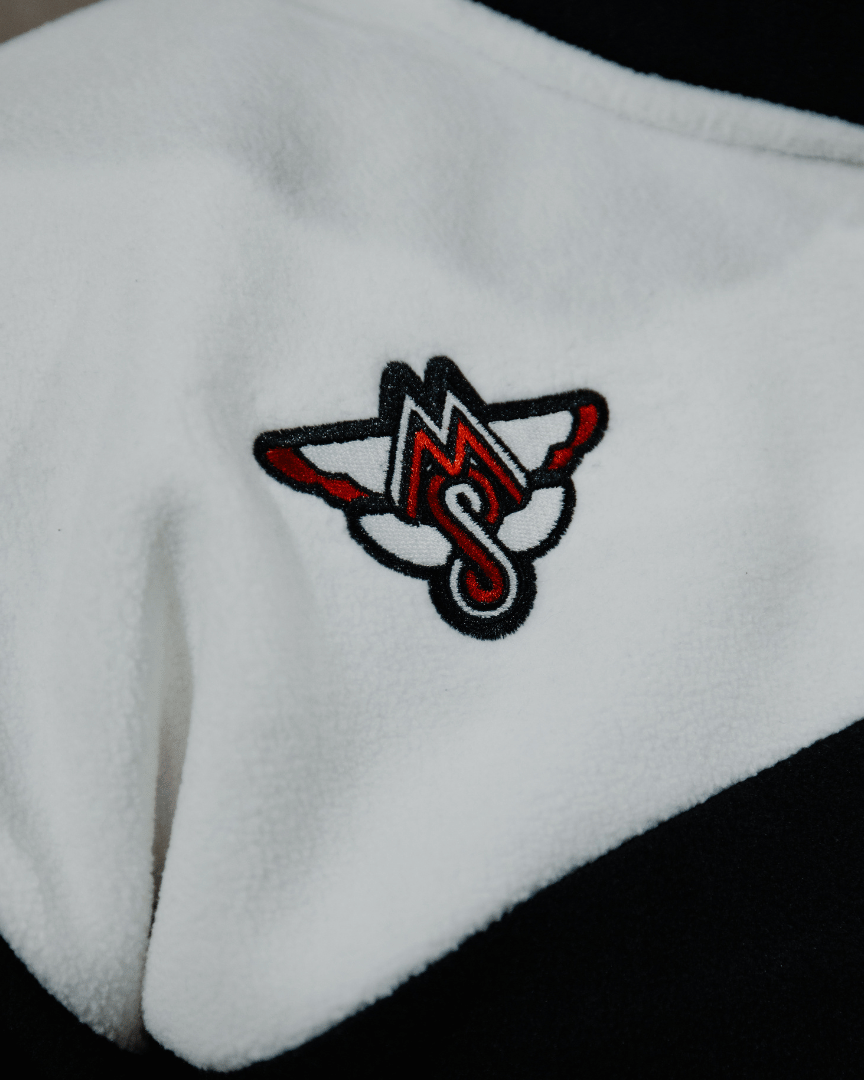
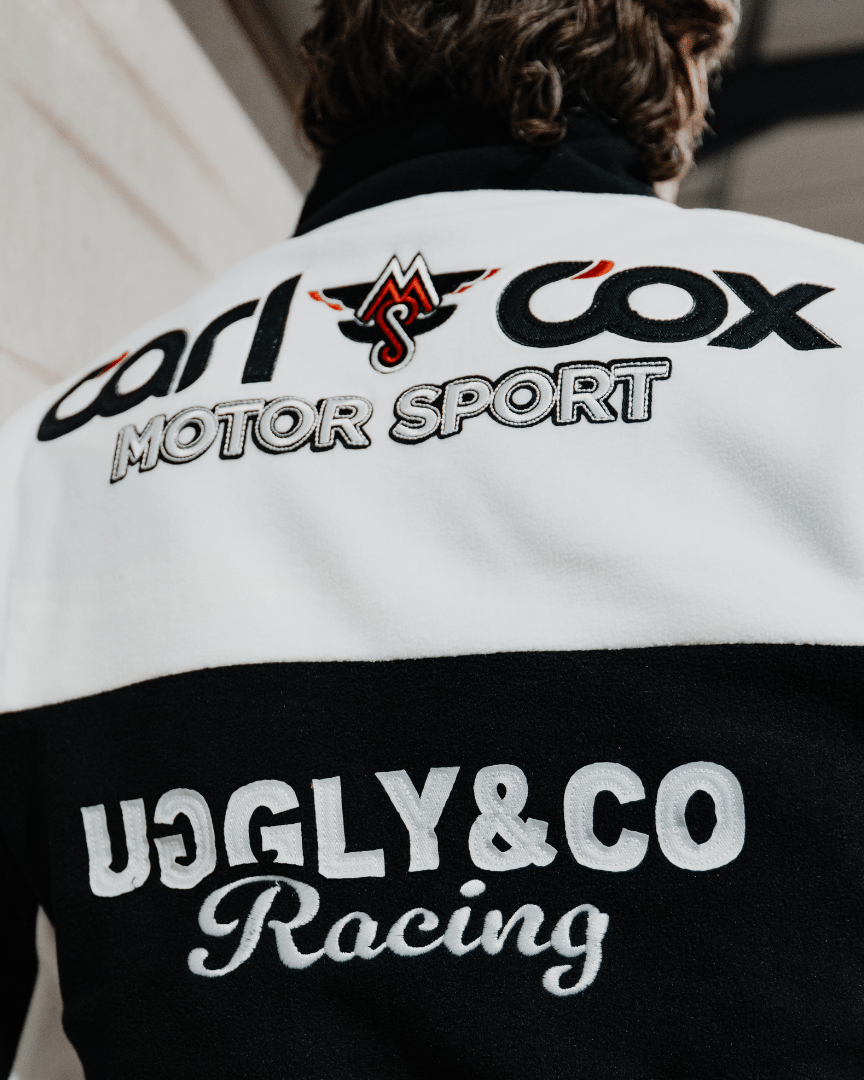
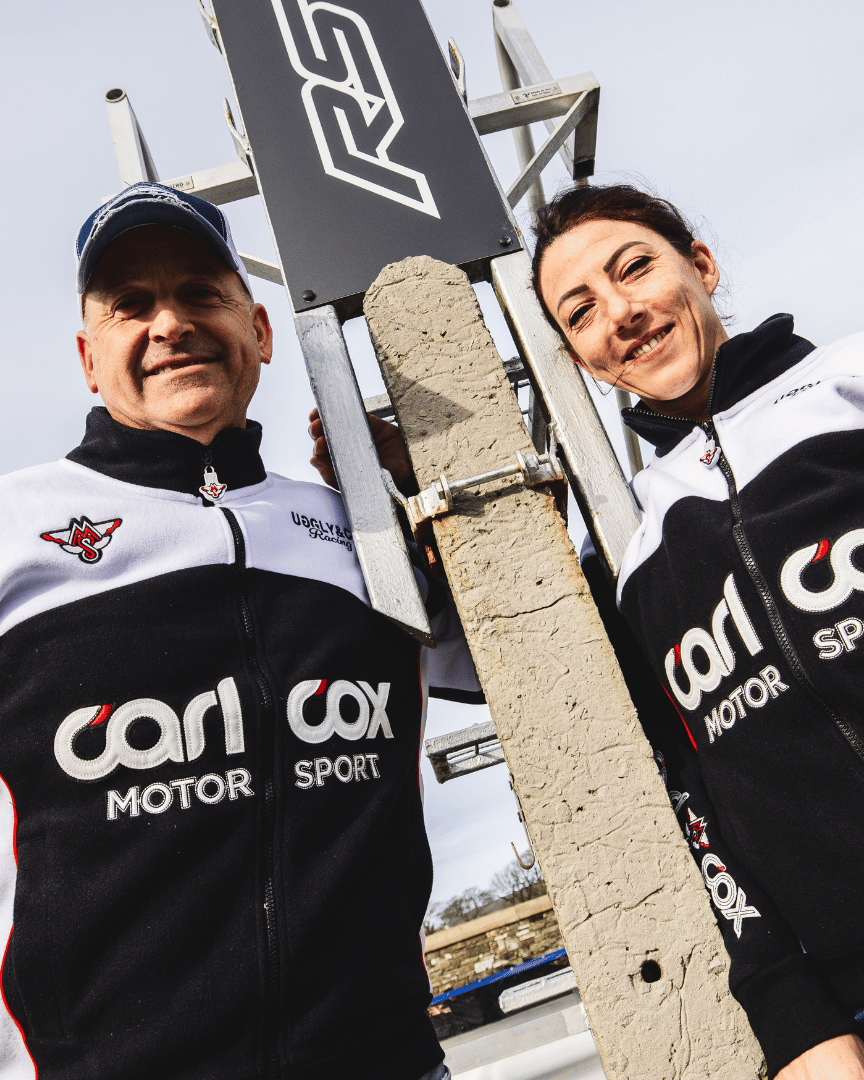
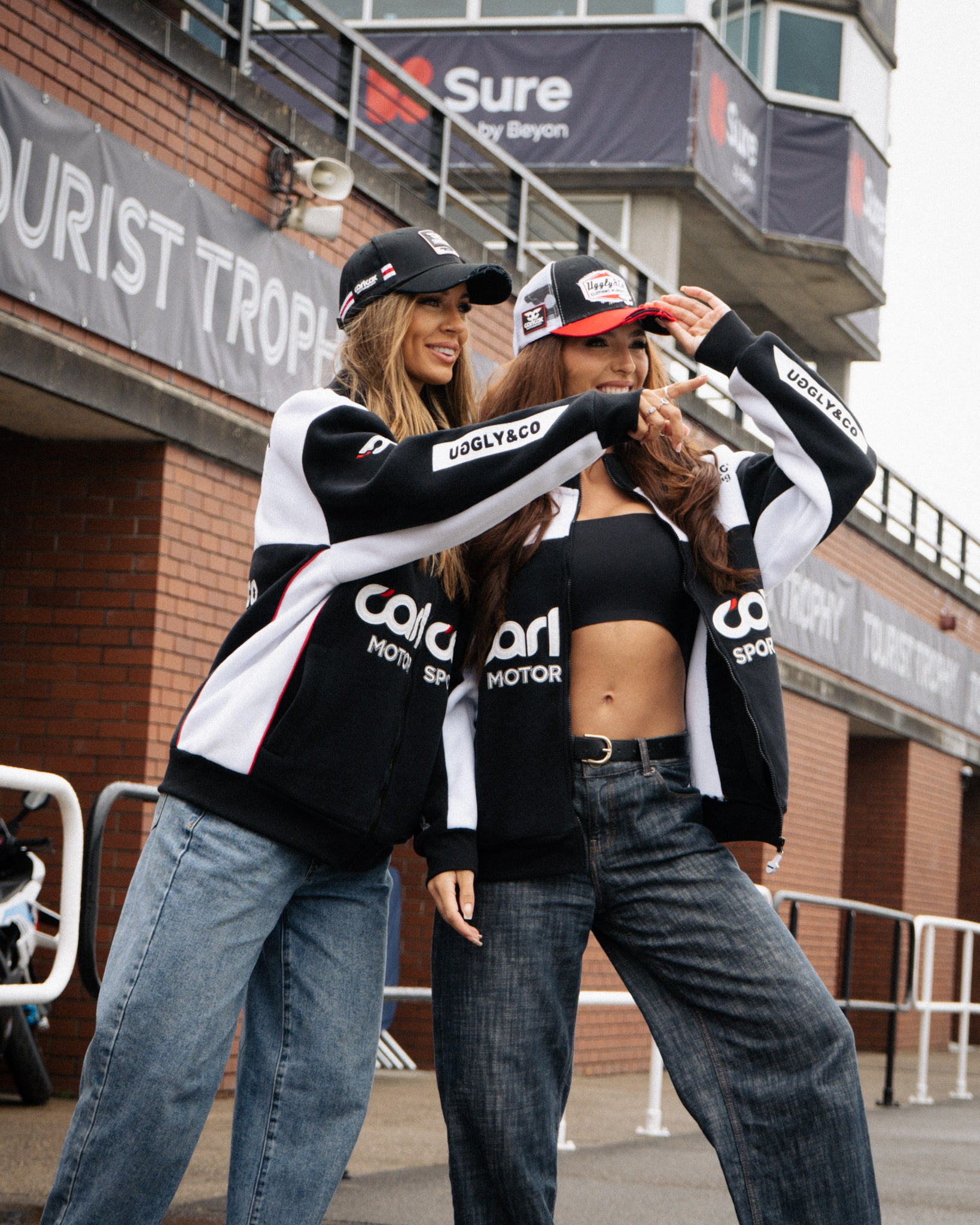
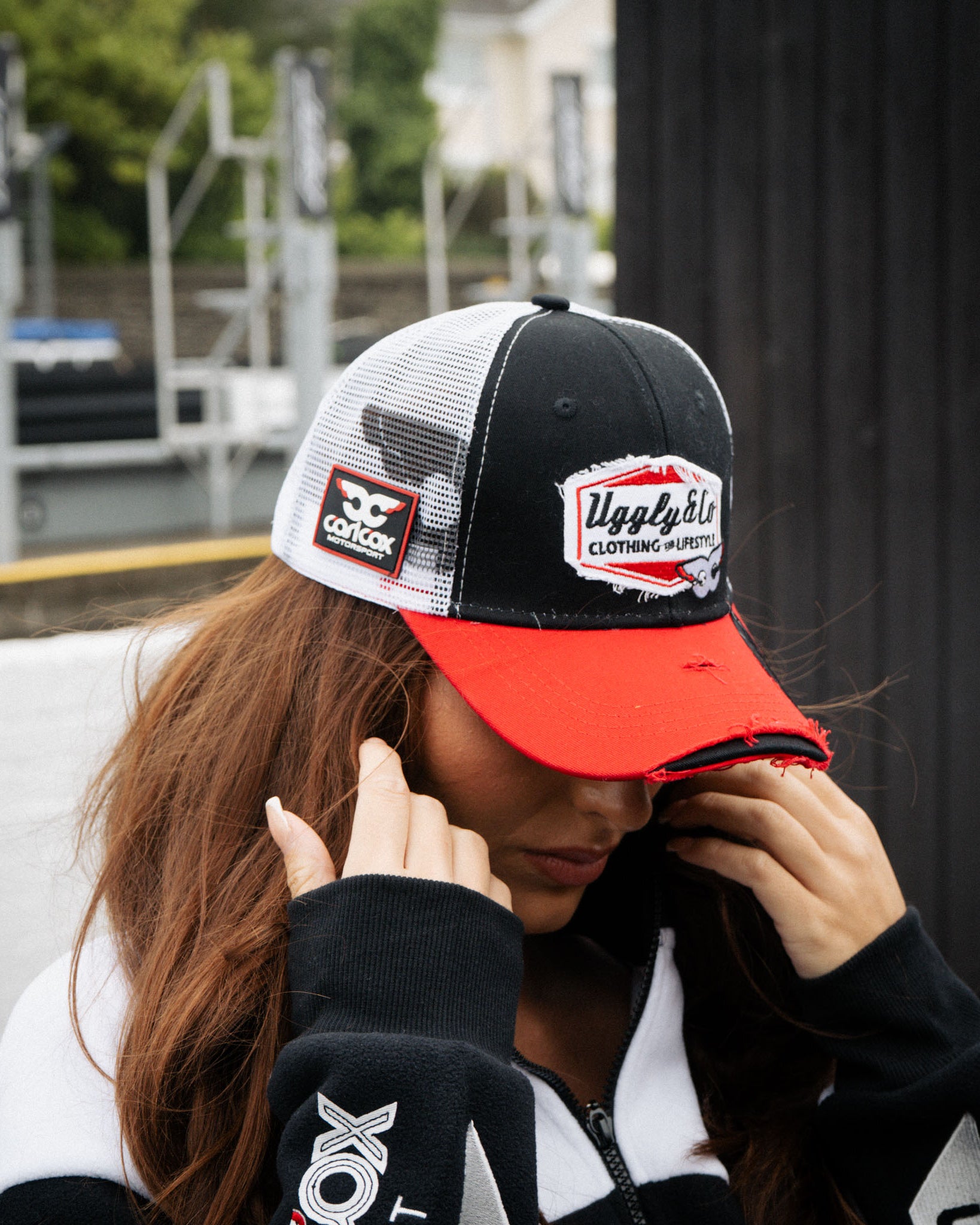
The 2025 Official Team Classic Suzuki Track Jacket offers a stylish tribute to the iconic Team Classic Suzuki, featuring a striking colorway and prominent branding that reflects the team’s racing heritage. With its heavyweight Arctic fleece construction, this jacket combines performance and comfort, making it suitable for motorsport enthusiasts and collectors alike. The detailed design, including oversized embroidery and dynamic accents, ensures that it stands out both on and off the track.
View Product