









Overview
The Isle of Man Tourist Trophy (TT) is a historic motorcycle racing event that has significantly influenced motorcycle technology over more than a century. From its inception in 1907, it has seen innovations in safety, performance, and design, evolving through various eras to embrace modern advancements such as electric and smart motorcycles. The TT fosters a global motorcycle community while facing challenges related to safety and sustainability, paving the way for a future focused on eco-friendly racing.
Key Takeaways
- The Isle of Man TT has been a pivotal event in motorcycle racing since its establishment in 1907, showcasing engineering advancements over the years.
- Innovations during the early years included engine design improvements and the introduction of two-stroke engines.
- The post-war era saw the rise of superbikes, featuring significant enhancements like liquid cooling and disc brakes for improved performance and safety.
- From the 1980s onwards, there was a strong emphasis on rider safety, with advancements such as better helmets and integrated crash protection systems.
- Modern innovations include electric motorcycles and smart technology, which enhance both performance and sustainability.
- The TT fosters a global motorcycle community, inspiring events and clubs that celebrate the spirit of racing.
- Future challenges include addressing safety concerns and environmental pressures, with a potential focus on sustainability in racing.
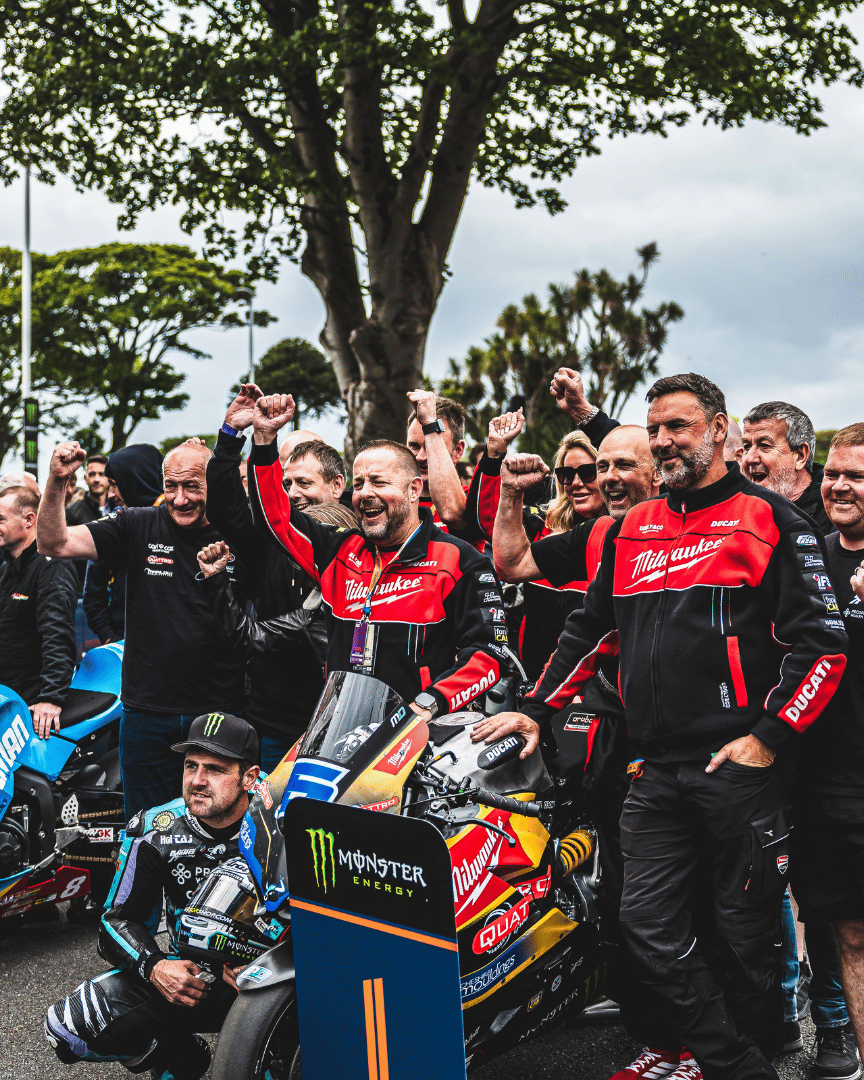
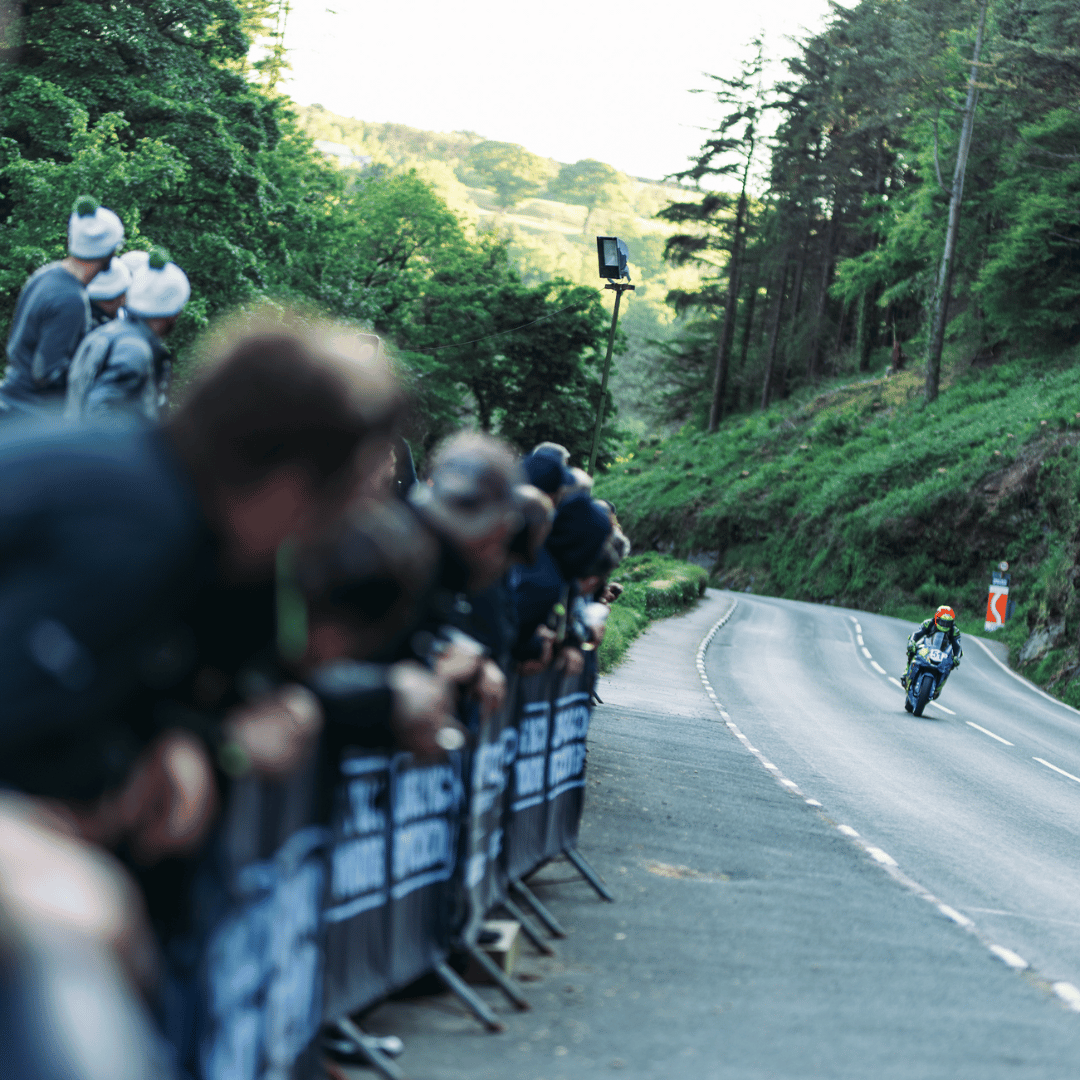
The Isle of Man Tourist Trophy (TT) is a revered motorcycle racing event that encapsulates over a century of innovation in motorcycle technology. Famously known for its breathtaking routes across the island and the pride of the Isle of Man Flag Hat that many spectators sport, the TT has been pivotal in shaping the future of motorcycling. In this article, we will explore the journey of motorcycle technology at the Isle of Man TT, examining innovations, safety measures, and how these advancements have changed the landscape for motorcycle riders around the globe.
The Beginnings of the TT: A Historical Perspective
Established in 1907, the Isle of Man TT started as a solution to the limitations placed by the British mainland’s restrictive speed limits. The first races were held on public roads and highlighted the engineering feats of the early 20th century. Motorcycles raced on the Snaefell Mountain Course, which spans around 37.73 miles, presenting a formidable challenge for riders and manufacturers alike.
Early Innovations
In the early years of the TT, most motorcycles were rudimentary by today’s standards. With minimal safety features and basic engineering, the bikes were simply a testament to the daring spirit of the early motorcycle riders. Innovations during this period included improvements in engine designs, the introduction of two-stroke engines, and advancements in braking systems.
The Interwar Period: Engineering Prowess
Between the two World Wars, motorcycle technology took significant leaps, partly due to the advancements in automotive engineering and materials science. Manufacturers began to place a greater emphasis on performance and reliability. During this time, prominent brands began participating, showcasing their top models that made headlines across Europe.
Key Advancements in the Interwar Period
- Move towards lighter materials: The use of alloys and lightweight metals began, significantly improving speed and handling.
- Enhanced aerodynamics: The design of the motorcycles evolved, focusing on reducing drag, which became a crucial element in racing.
- Variable ignition systems: These innovations allowed for better fuel efficiency and engine performance, contributing to faster lap times.
Post-War Advancements: The Rise of the Superbike
The post-war era marked a transformative time for motorcycle racing, as manufacturers began producing more powerful models designed specifically for competition. The Isle of Man TT became a proving ground for these superbikes, attracting ambitious riders and eager spectators eager to see the latest technology in action.
Defining Features of Superbike Era
| Features | Description |
|---|---|
| Liquid Cooling | Engine performance improved significantly with better cooling systems. |
| Disc Brakes | Improved braking performance provided greater safety and control for racers. |
| Frame Rigidness | Enhanced rigidity in frame design allowed bikes to handle better at high speeds. |
| Improved Suspension | Advanced suspension systems contributed to better handling and stability. |
The 1980s to 2000s: Technology Meets Safety
The race for speed brought with it an increased focus on rider safety. The 1980s witnessed the implementation of safety features that would revolutionise racing protocols. With rising speeds, it became imperative to prioritise the safety of the motorcycle riders.
Safety Innovations of the Era
During this time, motorcycle manufacturers began incorporating a series of innovative safety measures that addressed the increasing risks faced by riders on courses like those at the Isle of Man TT:
- Helmets with increased protection: Developments in helmet technology led to better fit, impact resistance, and improved overall safety for riders.
- Wearable Technology: The emergence of GPS and telemetry systems enabled real-time monitoring of rider performance and health metrics.
- Advanced Crash Bar Systems: Integrated crash protection systems improved rider safety during falls.
Modern Innovations: Technology in the 21st Century
As we entered the new millennium, the Isle of Man TT embraced modern innovations that have changed the face of racing. From telemetry to electric motorcycles, the evolution of motorcycle technology has reached unprecedented heights.
Breaking Boundaries with New Technology
This era has seen remarkable shifts in motorcycle technology, expertly blending performance with sustainability:
- Electric Motorcycles: Electric bikes have made their debut, proving that speed and eco-friendliness can go hand in hand.
- Smart Bikes: Integration of smart technology allows for real-time analytics, enhancing rider performance and safety.
- Aerodynamics Research: Utilising wind tunnel testing and simulated designs, motorcycles become more aerodynamic, allowing for greater speed and efficiency.
The Influence of the Isle of Man TT on Global Motorcycle Culture
The Isle of Man TT is not only a race but a cultural phenomenon that influences motorcycle enthusiasts worldwide. The pride encapsulated in the Isle of Man Flag Hat worn by many fans mirrors the deep-seated connection that the TT fosters between riders and their machines. This relationship extends beyond the event, feeding into the broader motorcycle culture.
Cultivating Global Communities
The TT fosters a global community of motorcycle riders, embellishing local cultures with its thrilling spirit. The shared experience of racing unites riders across continents, inspiring new groups and clubs dedicated to motorcycle riding and racing. This has led to an increase in motorcycle events worldwide, echoing the camaraderie born out of the TT.
Challenges and Future Directions
While the evolution of motorcycle technology at the Isle of Man TT has been remarkable, challenges remain. Increasing safety concerns, environmental pressures, and the ongoing pursuit of speed continue to push manufacturers and riders alike to innovate further. The future of the TT could see an expanded focus on sustainability and inclusion, with electric vehicles potentially taking centre stage.
Preparing for a Sustainable Tomorrow
As the motorsport world embraces environmental responsibility, the TT could lead the charge into a new era of racing. A significant investment in electric motorcycles and sustainable technologies could define the future of the platform, drawing even more attention to the historic race and its impact on motorcycle culture.
Riding into the Future
The Isle of Man TT serves as a vivid reminder of how far motorcycle technology has come, with each lap through its iconic course symbolising not just speed, but resilience and innovation. The journey continues as manufacturers strive to keep pace with contemporary demands, ensuring motorcycle riders around the globe remain enthralled by the thrill of the race. As we look forward to what's next, we celebrate not just the advancements but the vibrant community that embodies the spirit of the Isle of Man TT.
Frequently Asked Questions
1. What is the Isle of Man TT?
2. When was the Isle of Man TT established?
3. What innovations arose during the early years of the TT?
4. How has safety in motorcycle racing evolved at the TT?
5. What is the future direction of motorcycle technology at the Isle of Man TT?
Glossary
| Term | Meaning |
|---|---|
| Isle of Man TT | A prestigious motorcycle racing event held annually on the Isle of Man. |
| Snaefell Mountain Course | The primary racing course for the TT, stretching approximately 37.73 miles. |
| Superbike | High-performance motorcycles designed specifically for racing competitions. |
| Liquid Cooling | A system that improves engine performance by effectively managing heat. |
| Wearable Technology | Devices that monitor rider performance and health metrics in real time. |
| Aerodynamics | The study of how air interacts with moving motorcycles, crucial for speed. |
| Electric Motorcycles | Motorcycles powered by electric engines, promoting eco-friendliness. |
| Telemetry | Technology used to collect and transmit data about vehicle performance. |
| Crash Bar Systems | Safety features designed to protect riders during accidents. |
| Motorcycle Culture | The community and lifestyle surrounding motorcycle riding and racing. |
Linked Product

Isle of Man Flag Diamond Bucket Hat
The Isle of Man Flag Diamond Bucket Hat features a bold design showcasing the iconic Three Legs of Man flag, making it a distinctive accessory for motorcycle racing fans. With its vintage red fabric and comfortable adjustable fit, this hat is ideal for race week, summer events, or everyday wear. Its heritage-inspired graphics and rugged character pay tribute to the Isle of Man's rich racing history.
View Product