









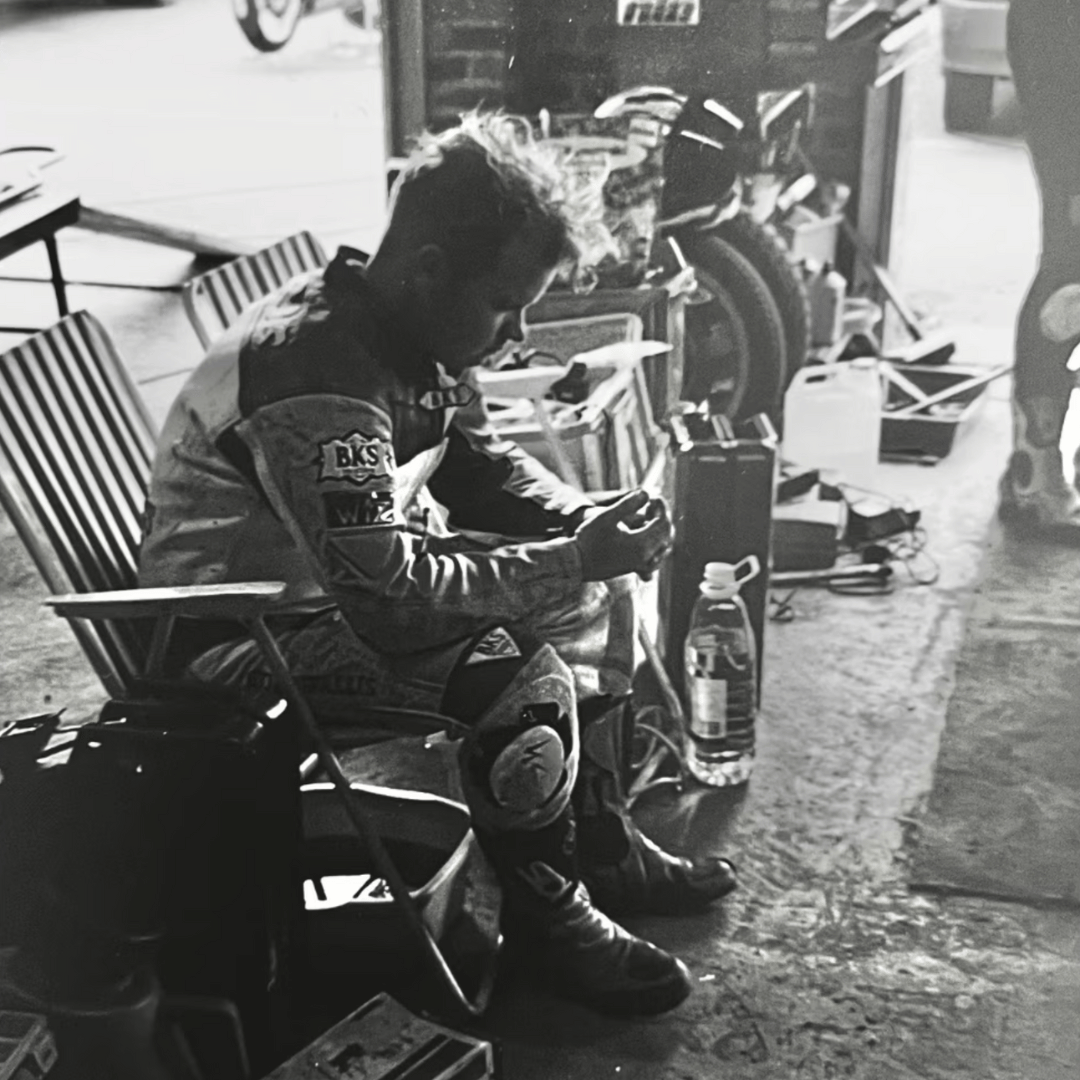

Overview
The Isle of Man TT is a thrilling motorcycle race that demands a strong focus on safety for both riders and spectators. With a history marked by risk, modern protocols now include advanced protective gear, emergency response teams, and community initiatives aimed at enhancing awareness. Understanding these safety measures not only enriches the racing experience but also ensures a safer environment for all involved.
Key Takeaways
- Comprehensive Safety Measures: The Isle of Man TT has implemented extensive safety protocols, including cut-off points, safety barriers, and emergency response teams.
- Mandatory Protective Gear: Riders must wear specific protective clothing, such as helmets, riding suits, gloves, and boots, to minimise injuries.
- Community Involvement: Local community initiatives focus on enhancing safety awareness and involve collaboration between officials, racers, and the public.
- Technological Advancements: Innovations like advanced materials for gear and telemetry equipment improve rider safety and performance monitoring.
- Education and Awareness: Public education on race dynamics and safety procedures is crucial for both riders and spectators to mitigate risks.
- Future Trends: Emerging safety practices include the use of drones for monitoring and virtual reality training for riders.
- Continuous Improvement: Engaging with riders for feedback on safety practices fosters a culture of ongoing enhancement in safety measures.
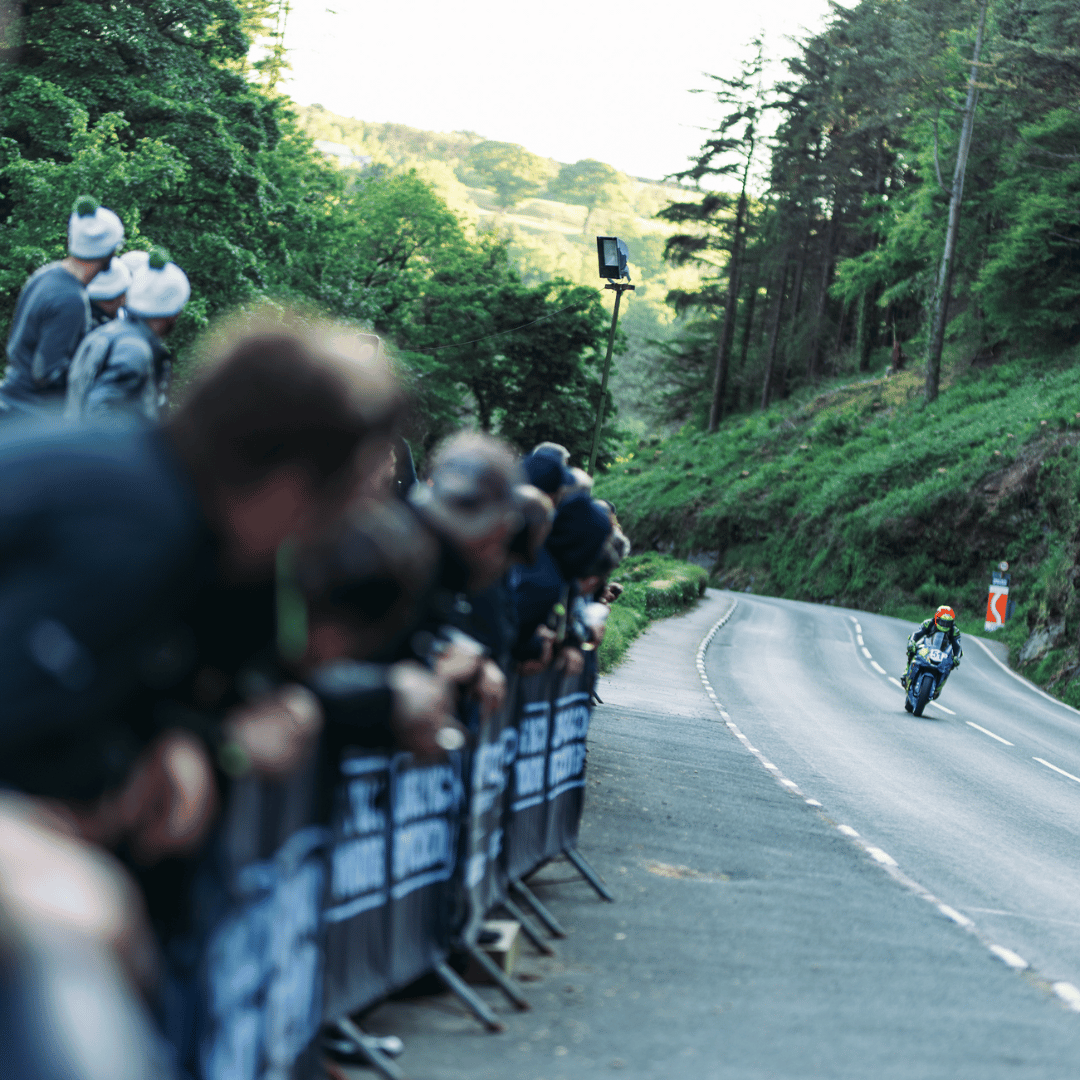
The Isle of Man TT, or Tourist Trophy, is one of the most prestigious motorcycle races in the world, drawing in a plethora of enthusiasts and riders eager to test their mettle on the iconic Snaefell Mountain Course. However, with excitement comes risk, making Isle of Man TT safety measures paramount for both participants and spectators alike. This article aims to shed light on the crucial safety measures implemented in motorcycle racing at the TT, providing insight into how safety can enhance the experience and preserve life.
The Evolution of Safety in TT Racing
Historically, the Isle of Man TT has garnered a legacy that intertwines speed and peril. As the race has evolved, so have the measures to ensure the safety of TT riders and the support staff involved. Many changes were initiated in response to tragic incidents, leading to advancements in technology, regulations, and philosophies surrounding motorcycle racing safety.
Historical Perspective
From its inaugural race in 1907, the TT has gone through various phases. Initially, safety standards were virtually non-existent. Courageous riders traversed the course without any protective gear. Over the decades, numerous fatalities prompted law and policy changes, laying the groundwork for the rigorous safety protocols we witness today.
Modern Day Safety Protocols
In today’s racing environment, the Isle of Man TT is equipped with comprehensive safety strategies that encompass a variety of factors:
- Cut Off Points: Specific areas on the course allow riders to safely slow down and exit if necessary.
- Safety Barriers: Improved barriers reduce the risk of riders colliding with spectators or stationary objects.
- Emergency Response Teams: Rapidly deployed teams are trained to handle emergencies, ensuring immediate care.
- Mandatory Safety Gear: Riders are required to wear specific protective clothing, including helmets and jackets.
Key Safety Features at Isle of Man TT
Various safety features contribute significantly to the overall safety experience during the TT. Here’s a detailed look at some pivotal elements:
| Safety Measure | Description |
|---|---|
| Technical Inspections | All bikes undergo thorough checks to ensure they meet safety requirements and specifications. |
| Pre-Race Briefings | Riders participate in briefing sessions discussing course hazards, weather conditions, and procedures. |
| Track Marshalling | Outreach trained marshals are placed along the course to assist in managing incidents swiftly. |
| Rider Support Crews | Crew members are present to assist riders and offer necessary support during races. |
Mandatory Protective Gear for Riders
To compete at the TT, riders must wear protective apparel that minimizes injuries. The emphasis on TT rider protection can not be overstated. Here are integral elements of the required gear:
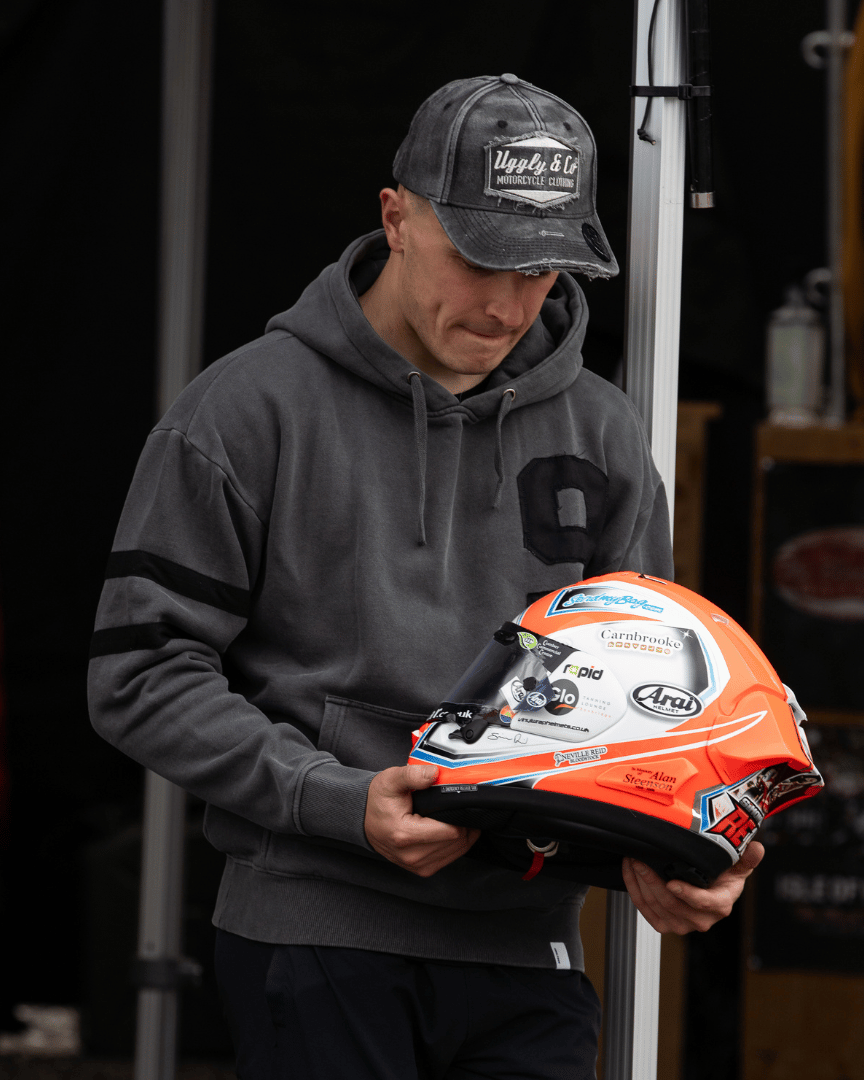
- Helmets: Must meet specified regulations and are inspected before and after each race.
- Riding Suits: Should be made from durable material capable of withstanding abrasion.
- Gloves: Essential for grip, they must offer both protection and dexterity.
- Boots: These should cover the ankle and have reinforced soles to lessen impact.
Community Involvement and Safety Initiatives
The Isle of Man community takes pride in collaborating with officials and racers to enhance safety awareness. Initiatives are formulated based on historical data, research, and real-life experiences, ensuring that all stakeholders are actively involved in crafting innovative solutions for safety challenges.
Educating the Public
One of the key components of enhancing safety at the TT involves public education. Riders and spectators alike must be educated about the inherent risks associated with motorcycle racing. Organised sessions offer advice for both groups, including:
- Understanding race dynamics and rider speeds.
- Recognising the importance of not obstructing the track.
- Knowing the key safety personnel present during events.
- Awareness of the emergency procedures in place.
Technology's Role in Enhancing Safety
The role of technology in racing safety cannot be understated. Innovations in bike construction, rider gear, and communication devices have transformed the landscape of motorcycle racing safety. Let’s delve into some cutting-edge advancements:
Advanced Materials for Protective Gear
The rise of lightweight, resilient materials has drastically improved rider safety. Modern gear not only protects against abrasions and impacts but also enhances comfort, allowing for a better riding experience.
Telemetry and Data Analysis
Telemetry equipment allows teams to monitor bike performance and rider behaviour in real-time, identifying potential issues before they escalate into dangers. This information aids in better understanding each rider's capabilities, leading to improved training and safer racing conditions.
The Future of Safety at the Isle of Man TT
As the TT continues to grow, the spotlight on safety measures will only increase. Racing authorities are committed to continually enhancing protocols to adapt to changing circumstances and challenges. Let's explore some burgeoning trends in safety:
- Implementation of Drones: Using drones for live monitoring can provide crucial footage of raceway dynamics and incident management.
- Improved Communication Systems: Enhancing communication between marshals and riders can ensure rapid dissemination of vital information during races.
- Virtual Reality Training: Utilizing VR can simulate racing conditions for rider training, enhancing preparedness before tackling the TT course.
Engagement with the Rider Community
Engaging directly with riders to gather feedback on safety practices is essential in fostering a culture of continuous improvement. Riders often have firsthand insight into what works or needs refinement, making their input invaluable.
Your Role in Promoting Safety
Regardless of whether you're a seasoned racer, novice, or enthusiastic spectator, you can contribute to enhancing safety measures at the Isle of Man TT. Here’s how:
- Educate Yourself: Stay informed about safety measures and protocols.
- Spread Awareness: Share safety information with friends and fellow enthusiasts.
- Support Safety Initiatives: Get involved with community efforts to promote safety awareness.
- Respect Race Day Regulations: Adhere to instructions set forth by officials and safety personnel
Final Thoughts on TT Racing Safety
Safety at the Isle of Man TT is a multidimensional endeavour that requires cooperation between racers, officials, and the public. With the combination of historical lessons, modern technology, and community involvement, the focus on Isle of Man TT safety measures continues to evolve, providing an enriched experience for everyone involved. The exhilarating spirit of the race, paired with a robust approach to safety, promises that the TT remains a thrilling yet responsible event for years to come. Get involved, stay informed, and let’s keep the thrilling tradition of the Isle of Man TT alive and safe!
Frequently Asked Questions
1. What is the Isle of Man TT?
2. What safety measures are implemented at the Isle of Man TT?
3. How has safety evolved in TT racing?
4. What is required for riders' protective gear?
5. How can the community contribute to safety at the Isle of Man TT?
Glossary
| Term | Meaning |
|---|---|
| Isle of Man TT | Prestigious motorcycle race held annually on the Isle of Man. |
| Snaefell Mountain Course | Iconic racing circuit used during the TT event. |
| Safety Barriers | Structures designed to protect riders and spectators from collisions. |
| Emergency Response Teams | Trained personnel ready to provide immediate medical assistance during races. |
| Mandatory Safety Gear | Required protective clothing for riders, including helmets and suits. |
| Technical Inspections | Checks performed on bikes to ensure compliance with safety standards. |
| Telemetry | Technology used to monitor bike performance in real-time. |
| Community Involvement | Engagement of local stakeholders in safety initiatives and awareness. |
| Virtual Reality Training | Simulated training method to prepare riders for racing conditions. |
| Pre-Race Briefings | Sessions where riders learn about course hazards and safety procedures. |
Linked Product

R&G Crash Protection x Diamond Hoodie
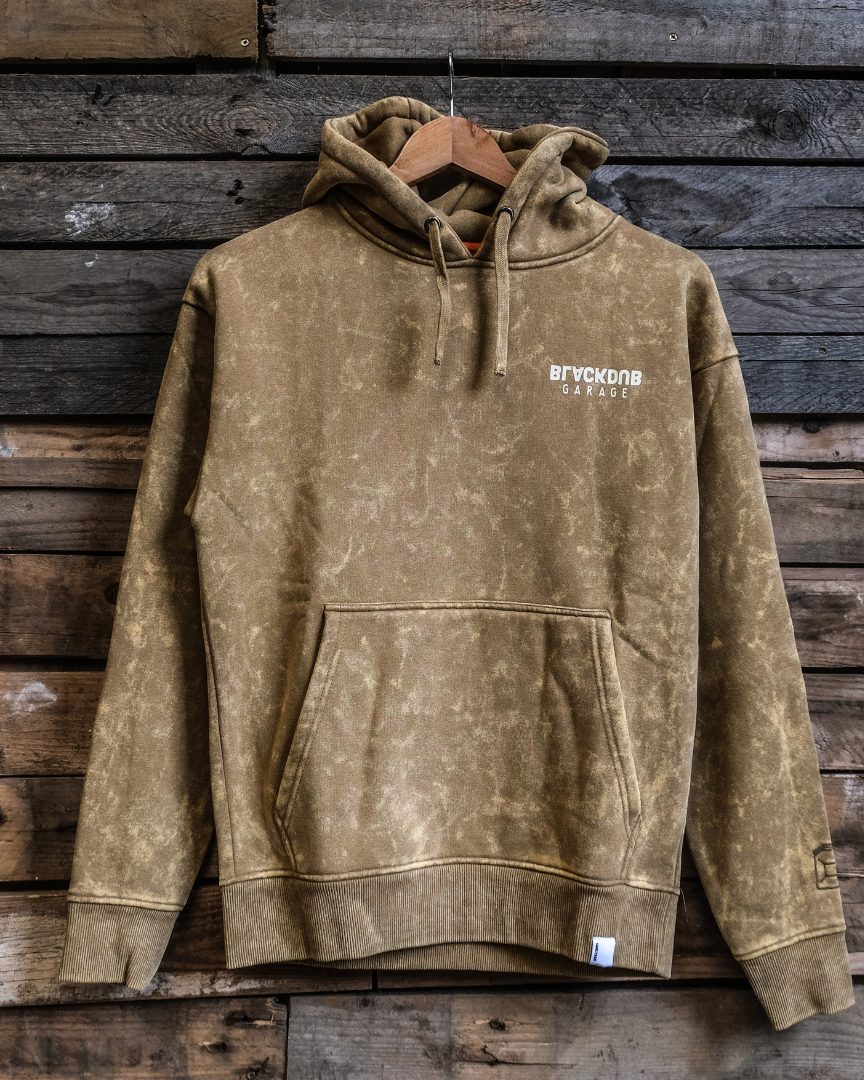
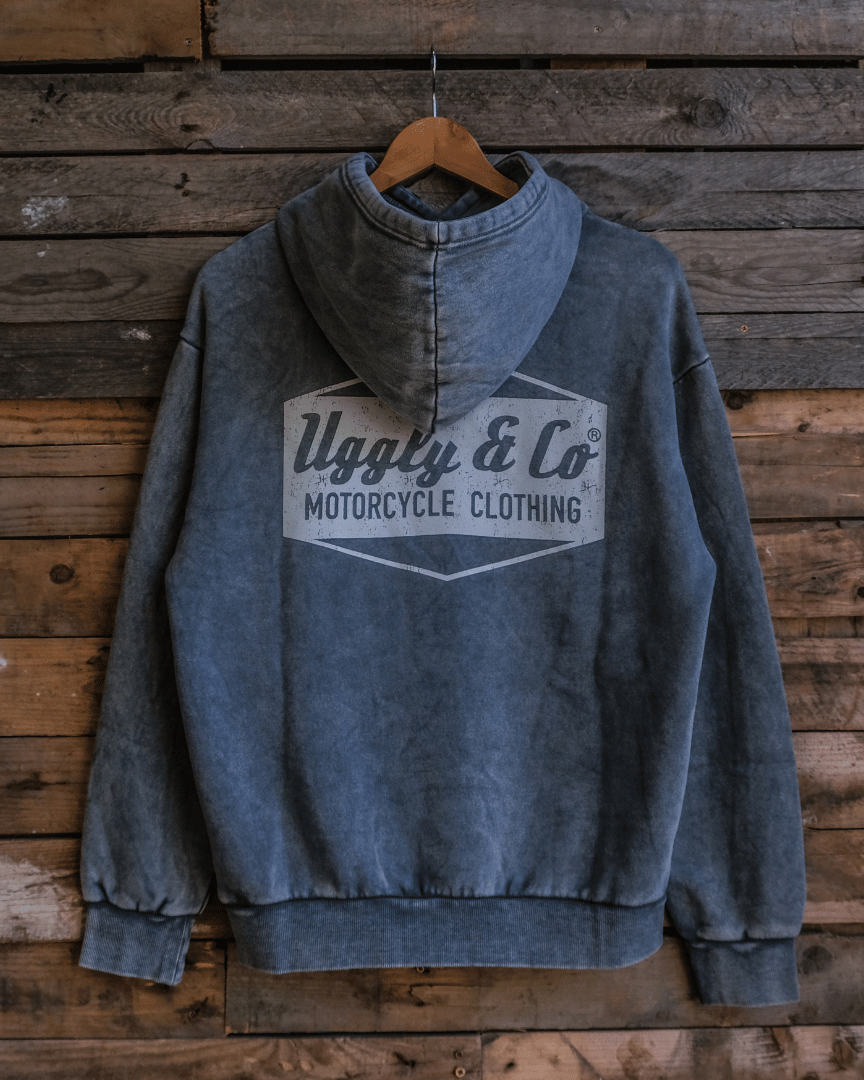
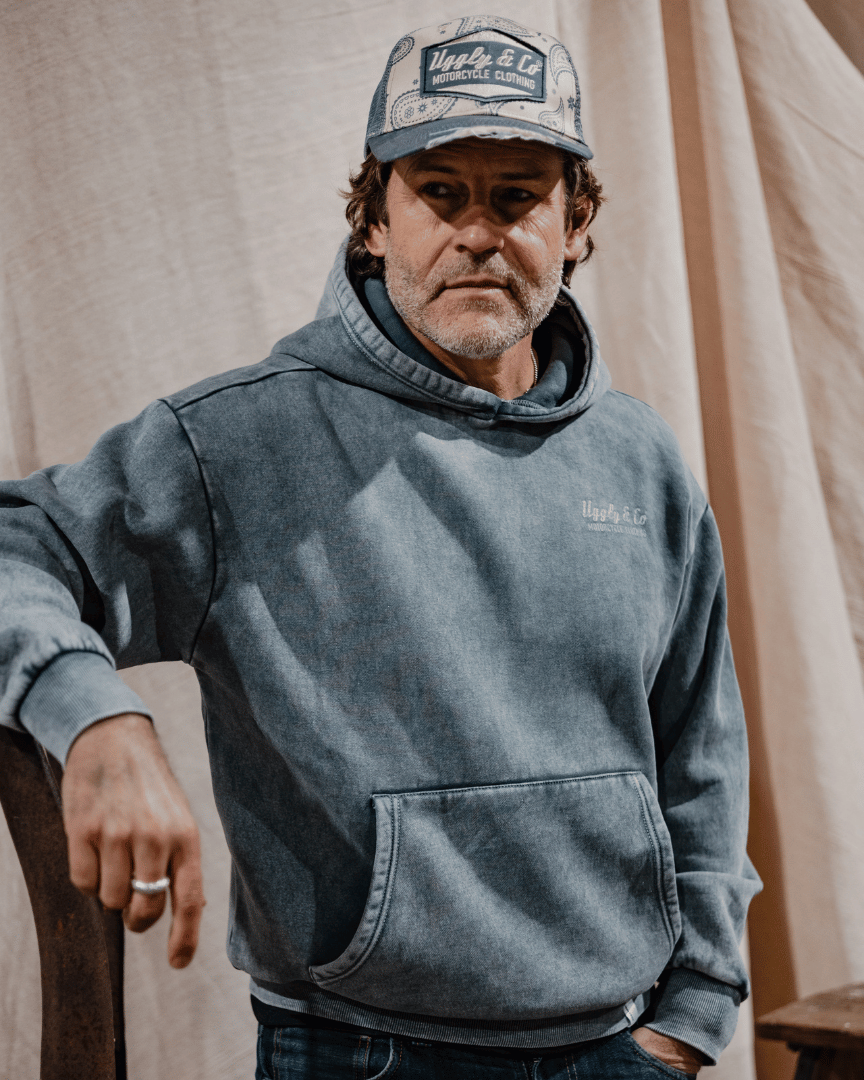
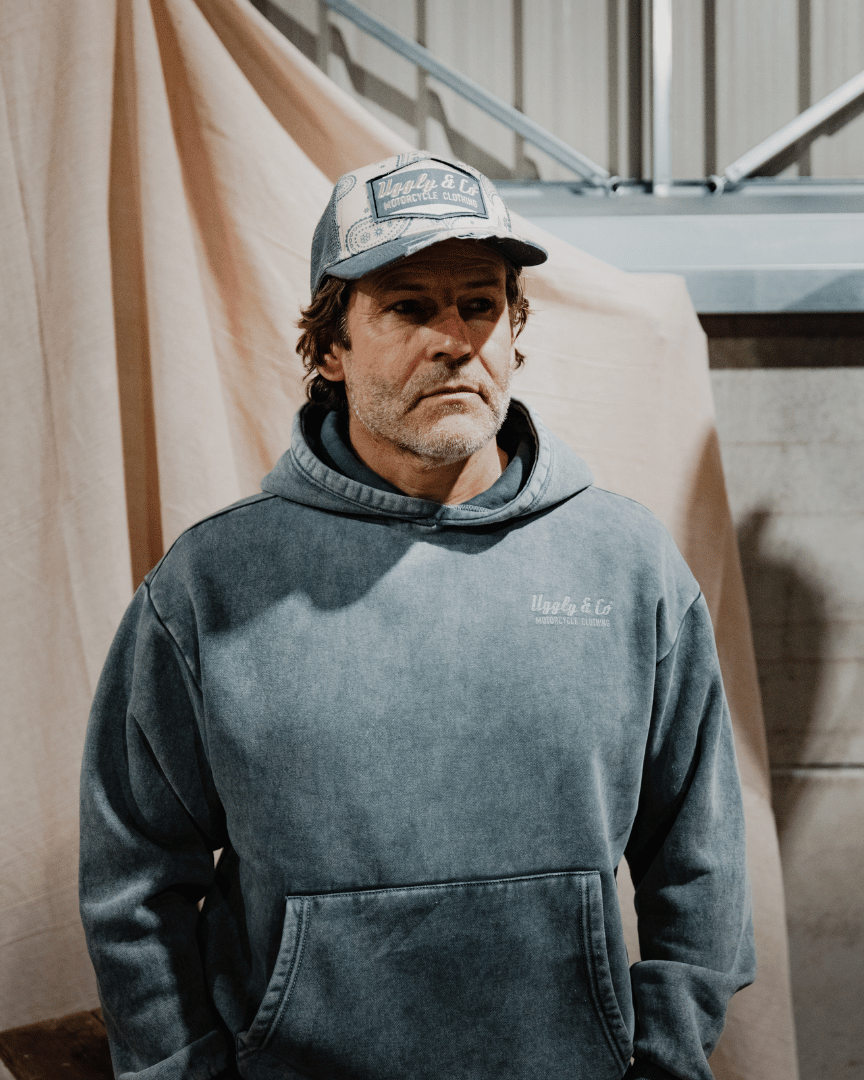
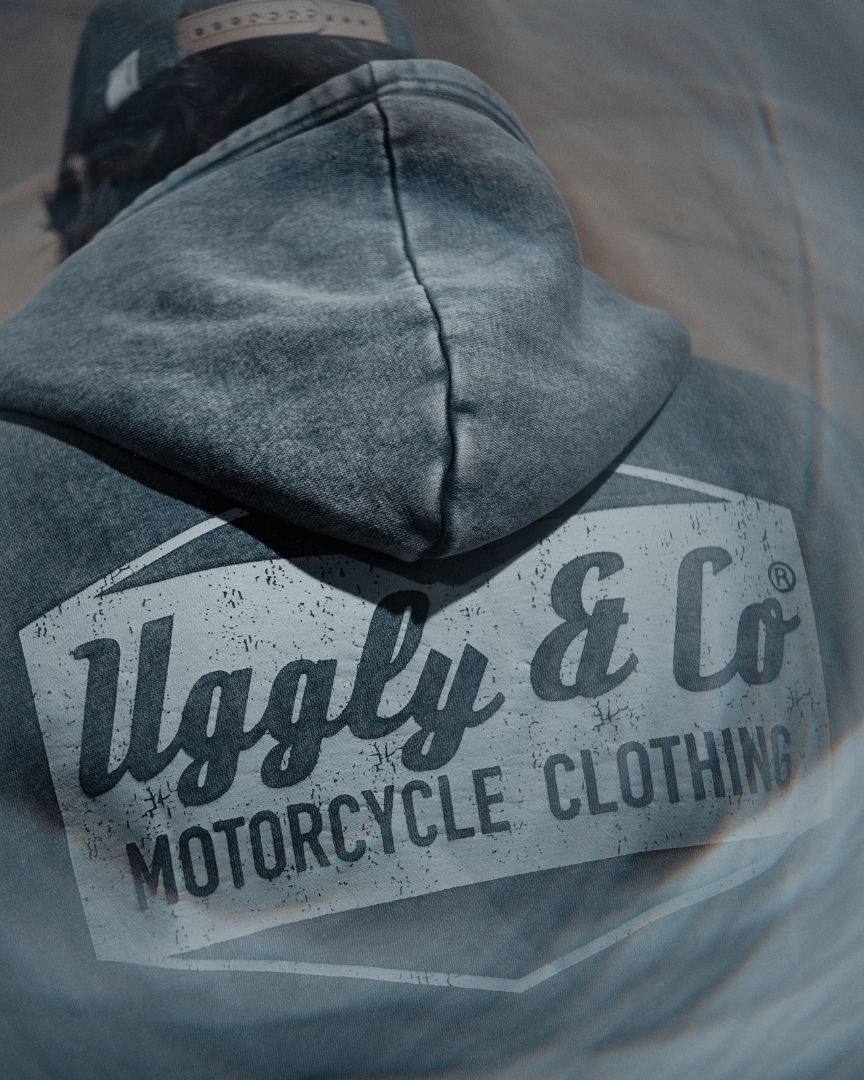
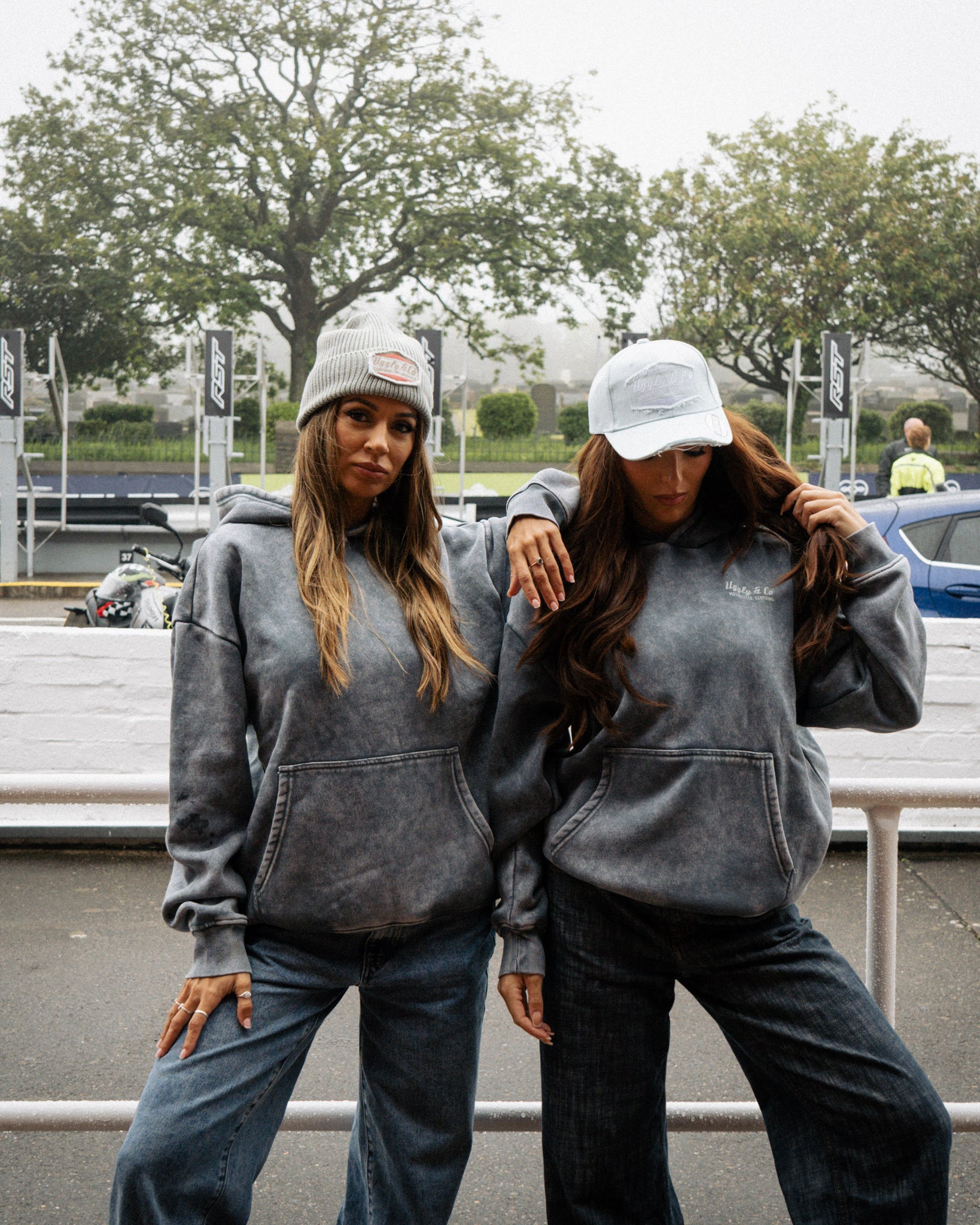
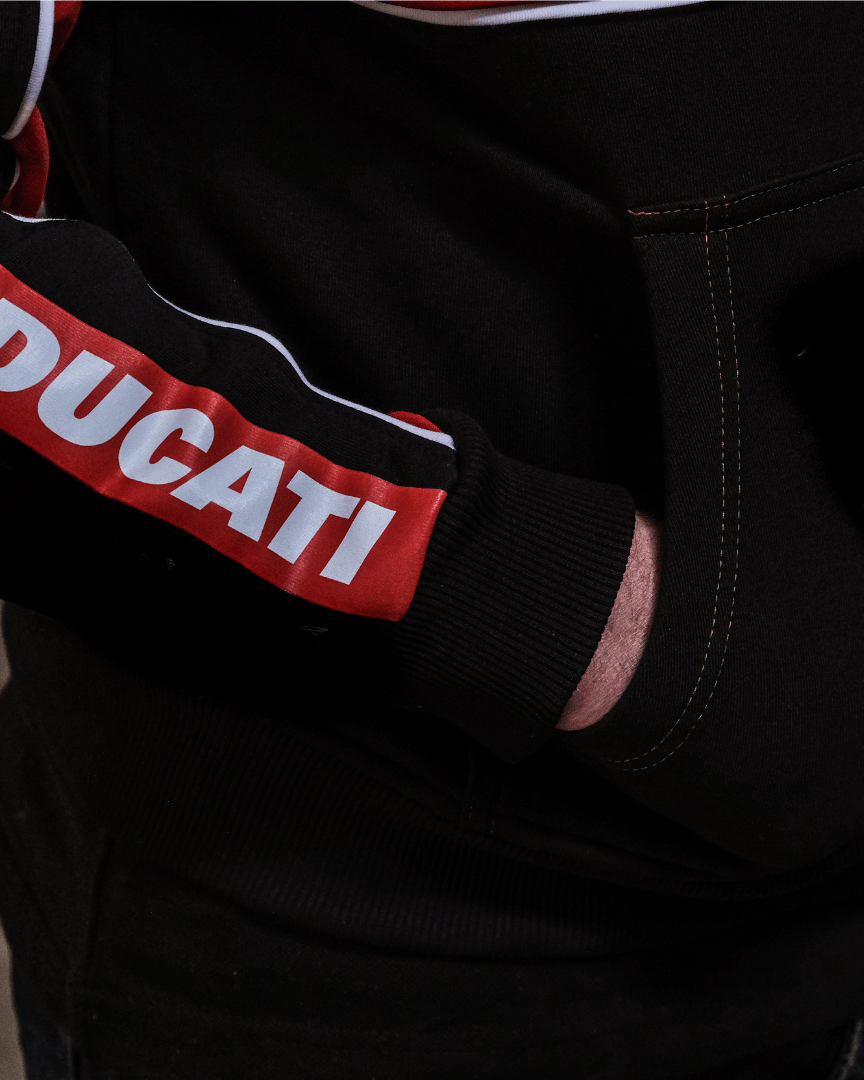
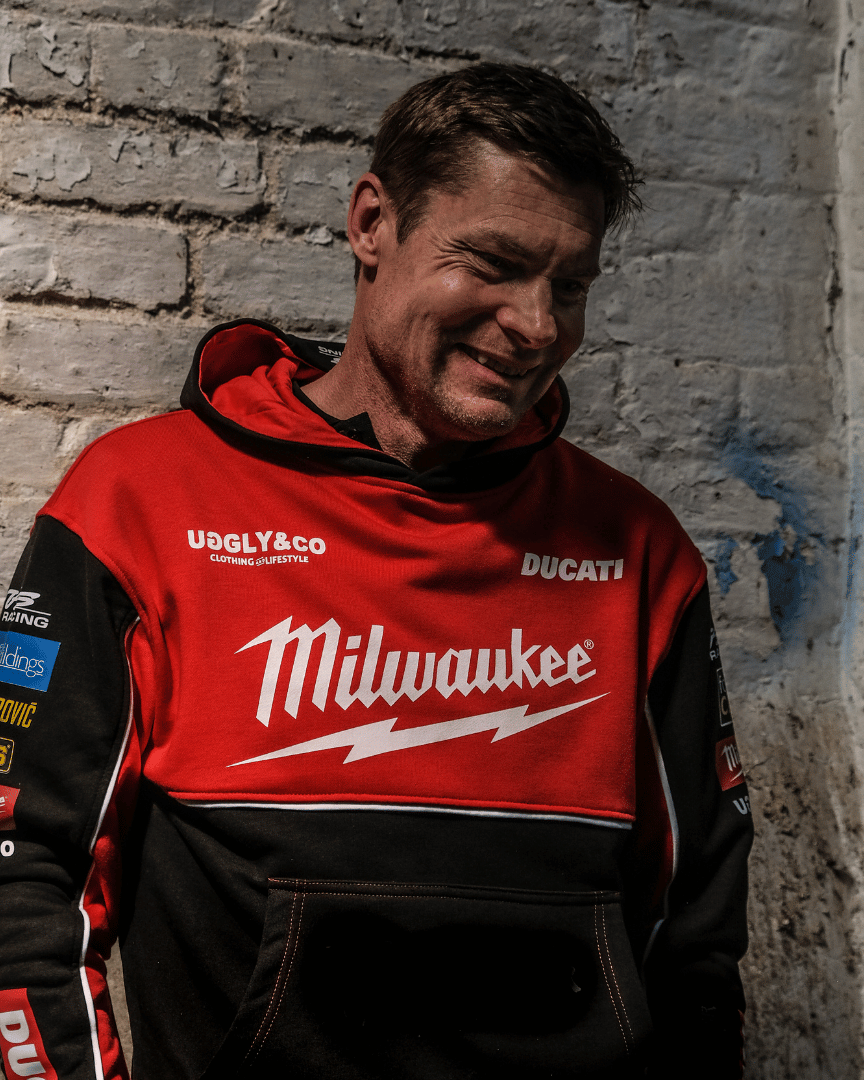
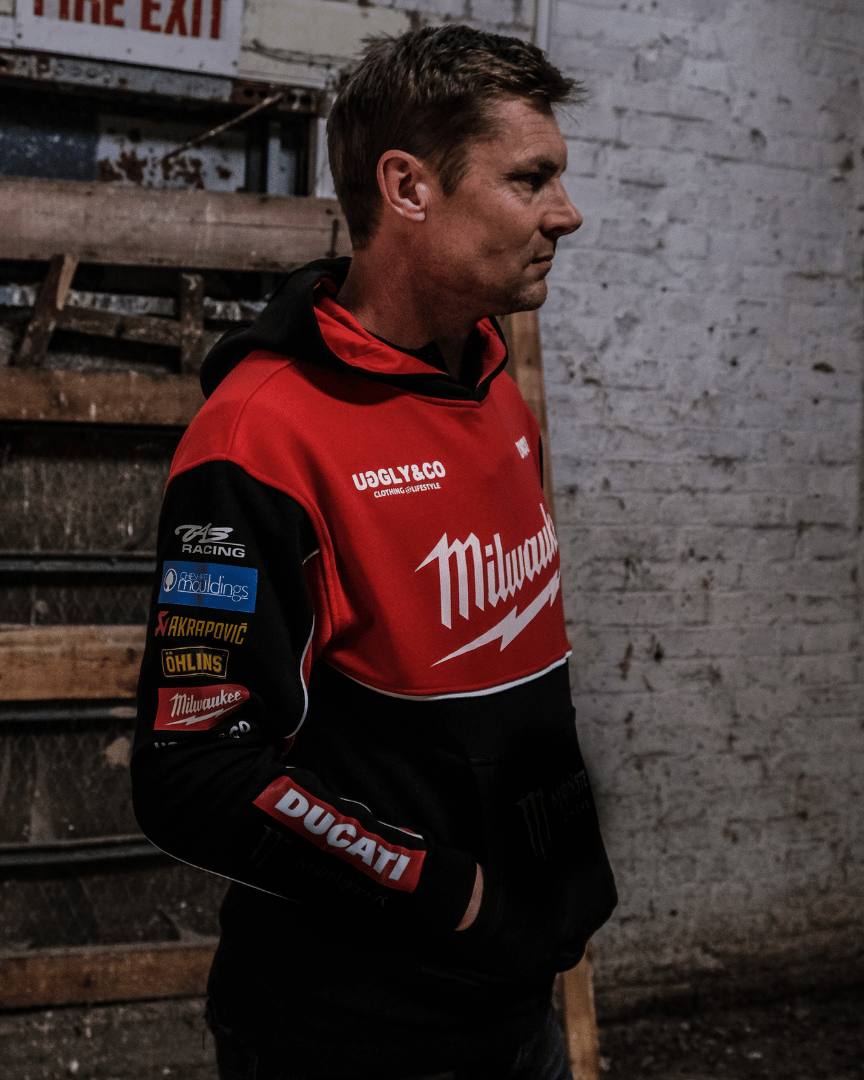
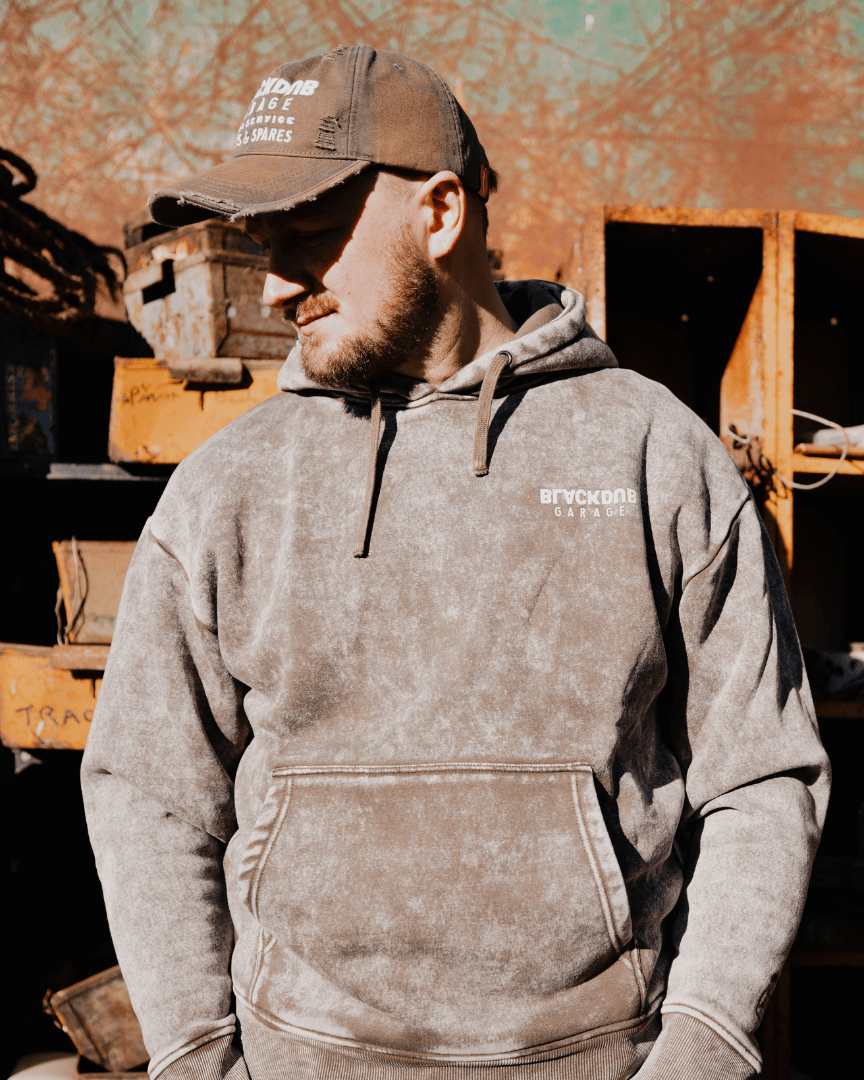
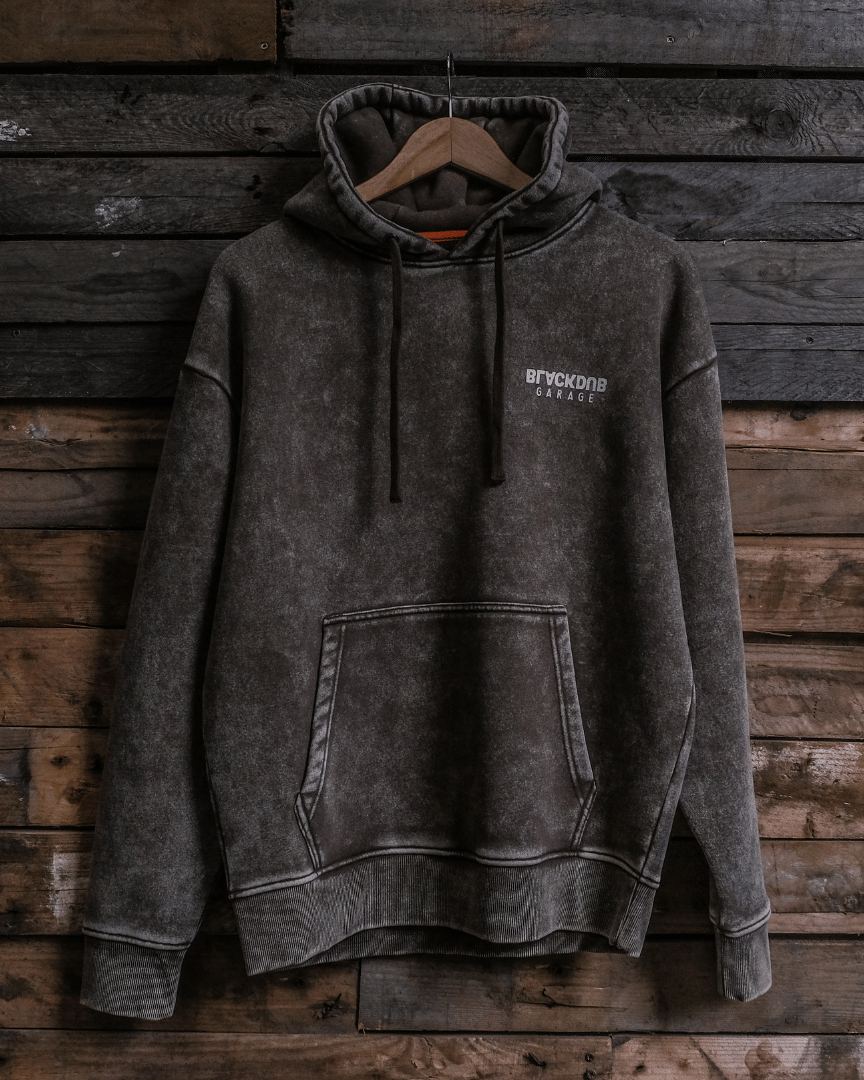
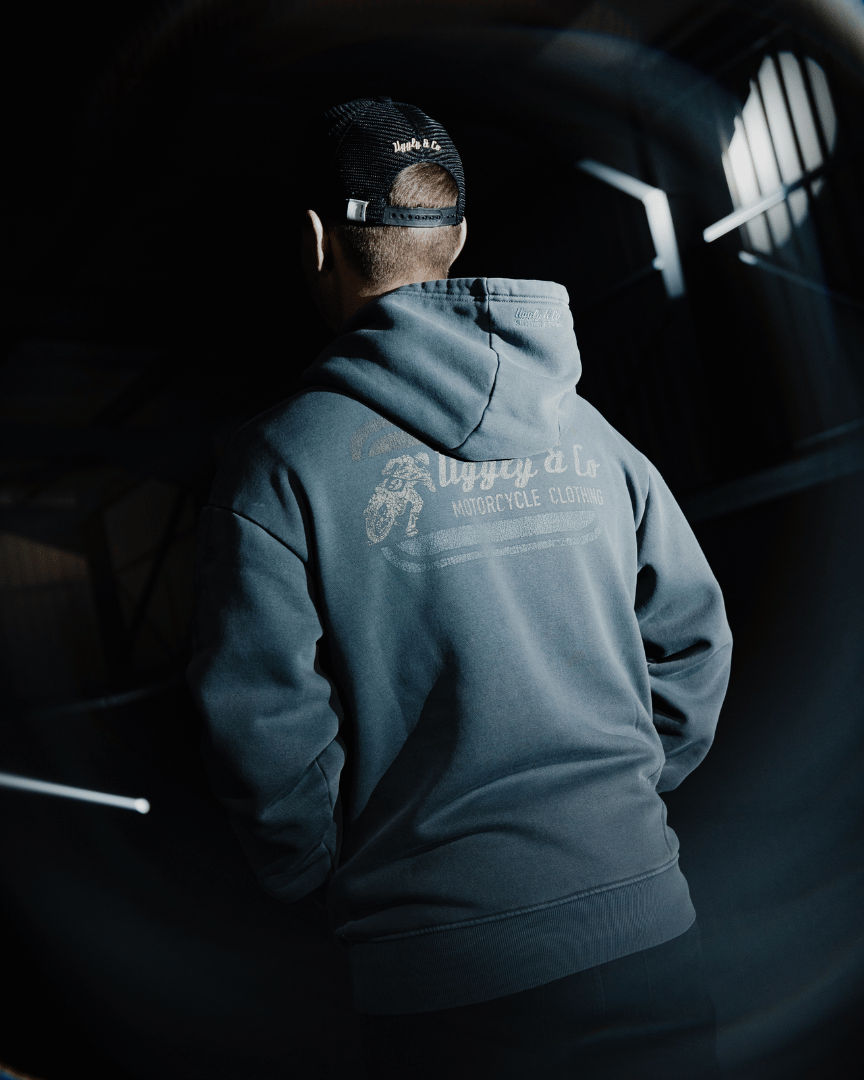
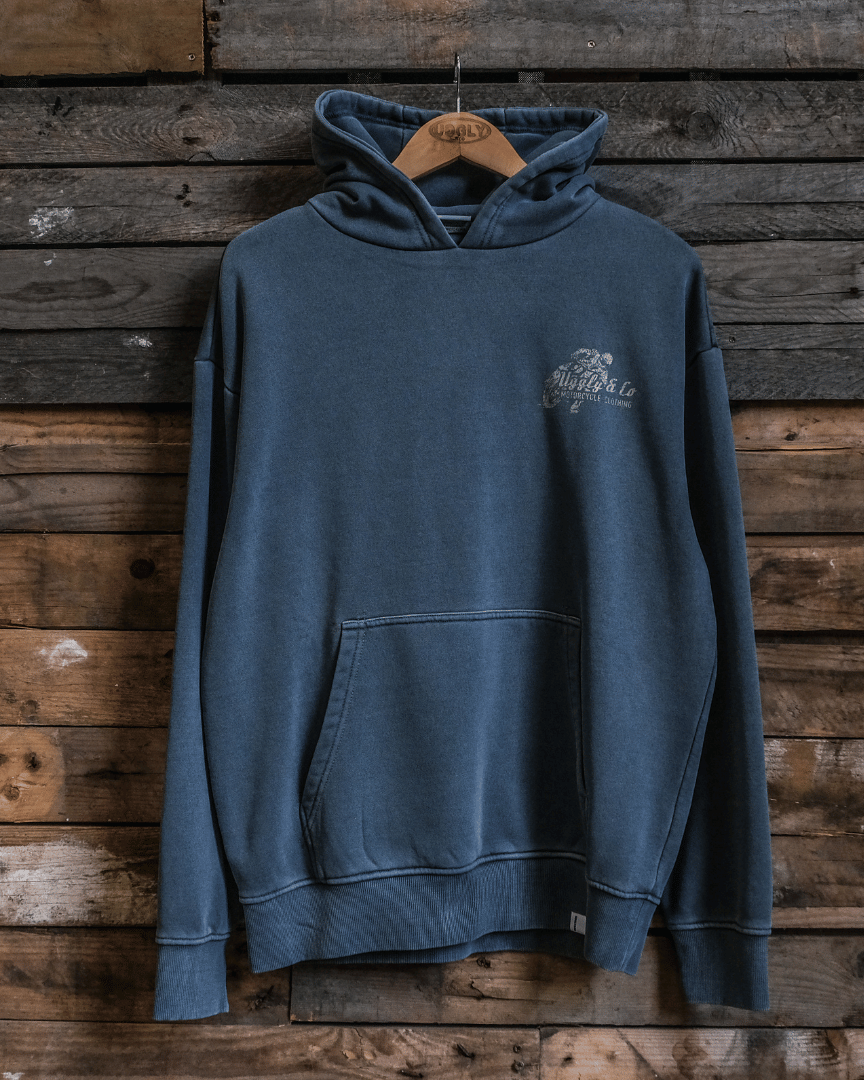
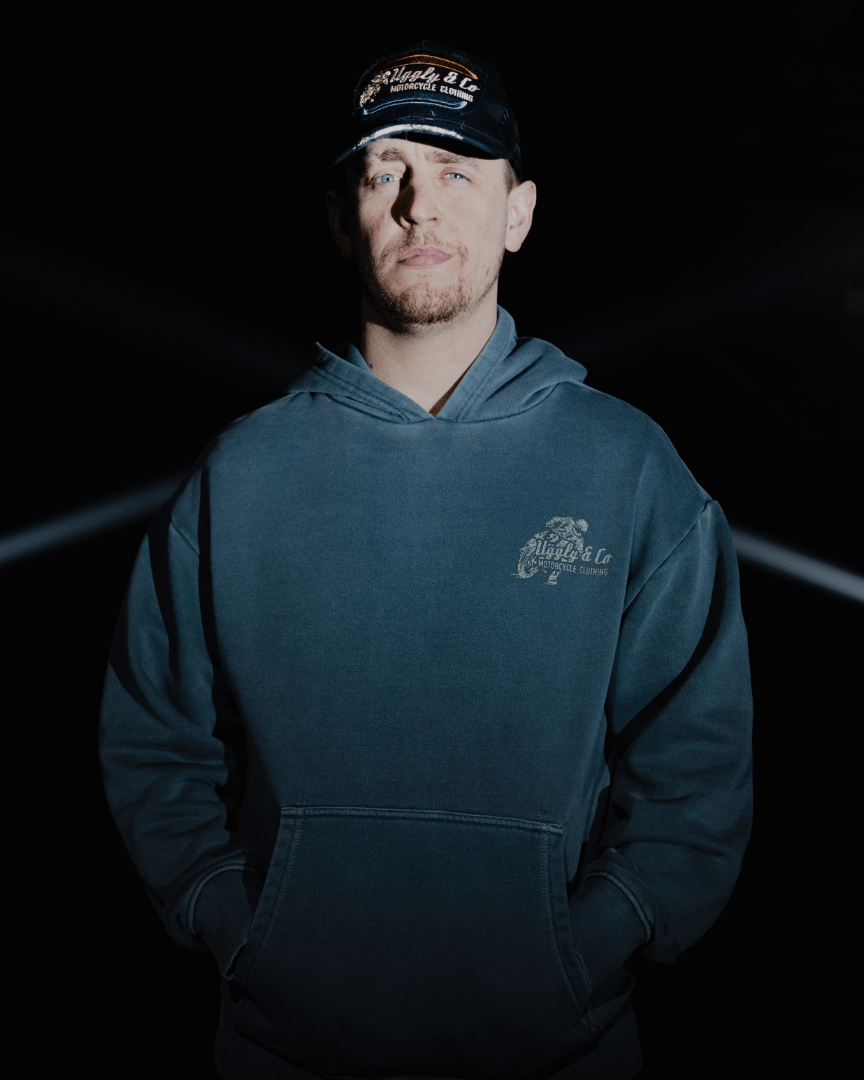
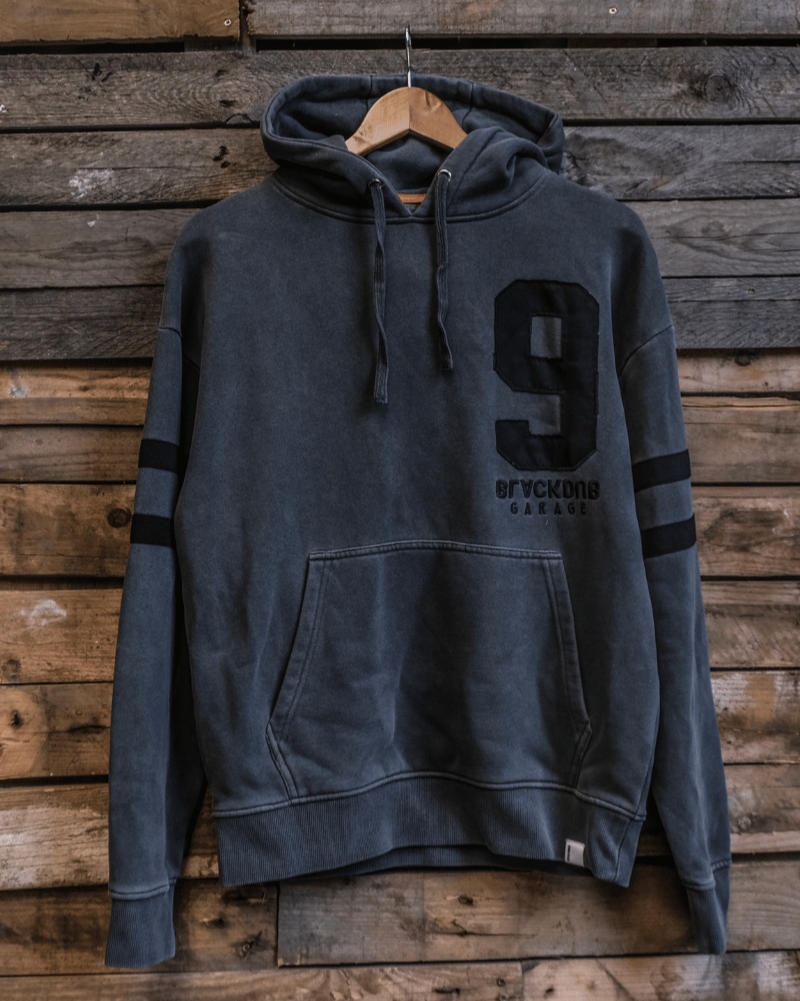
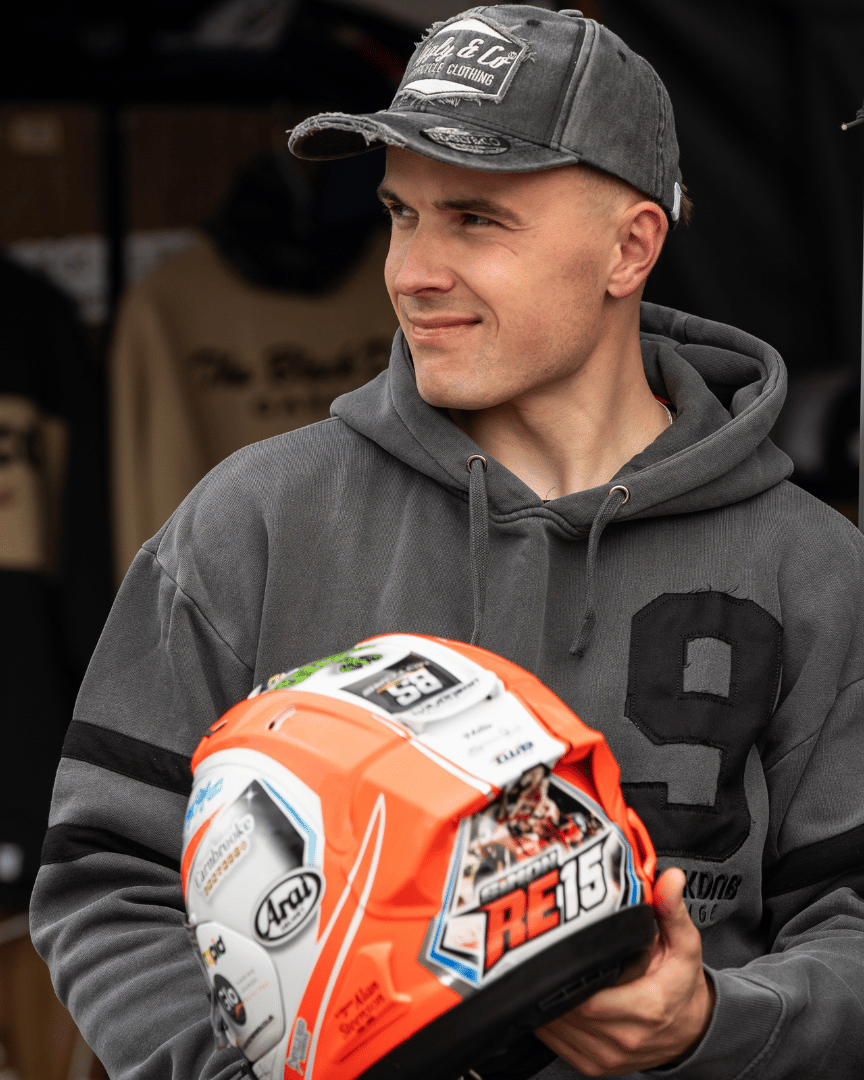
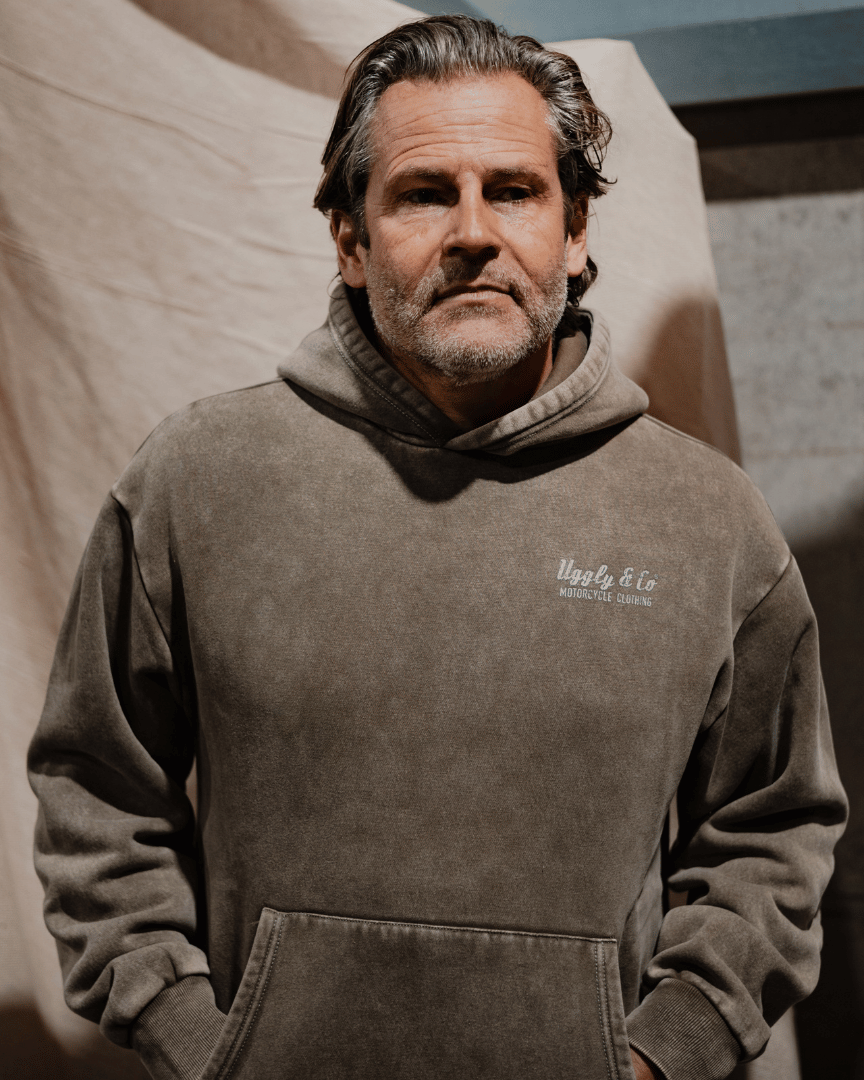
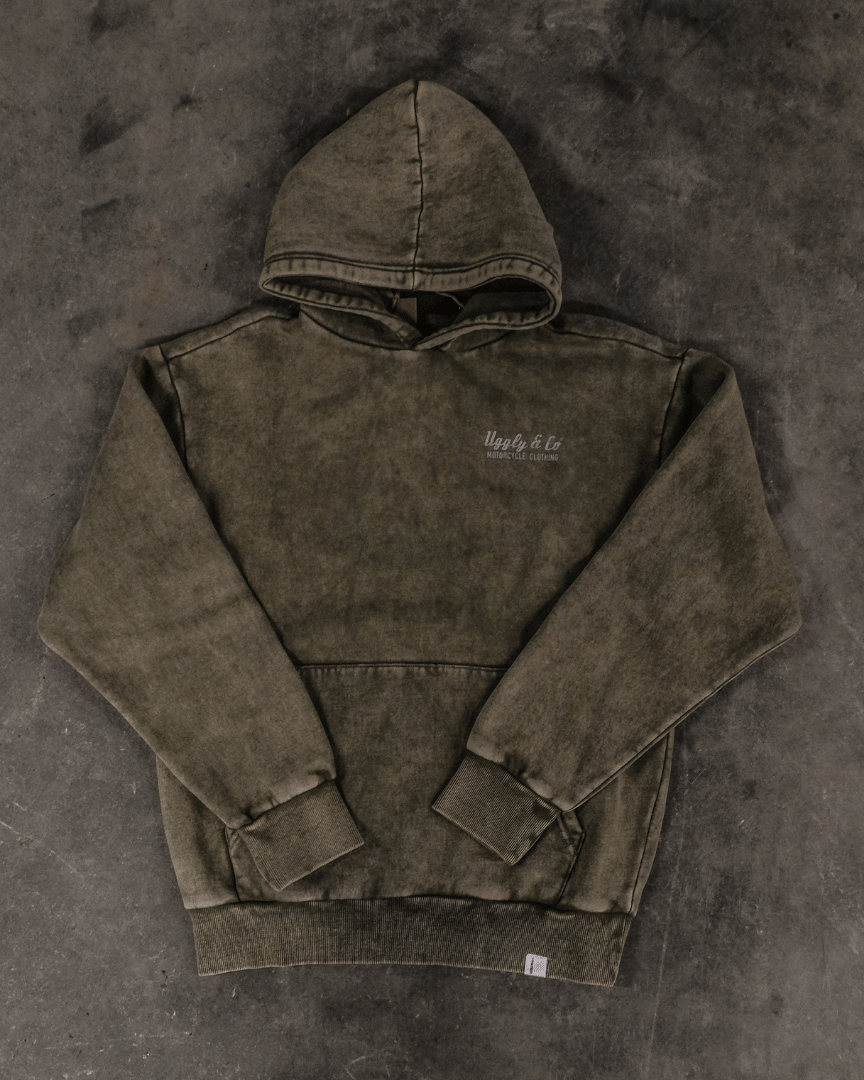
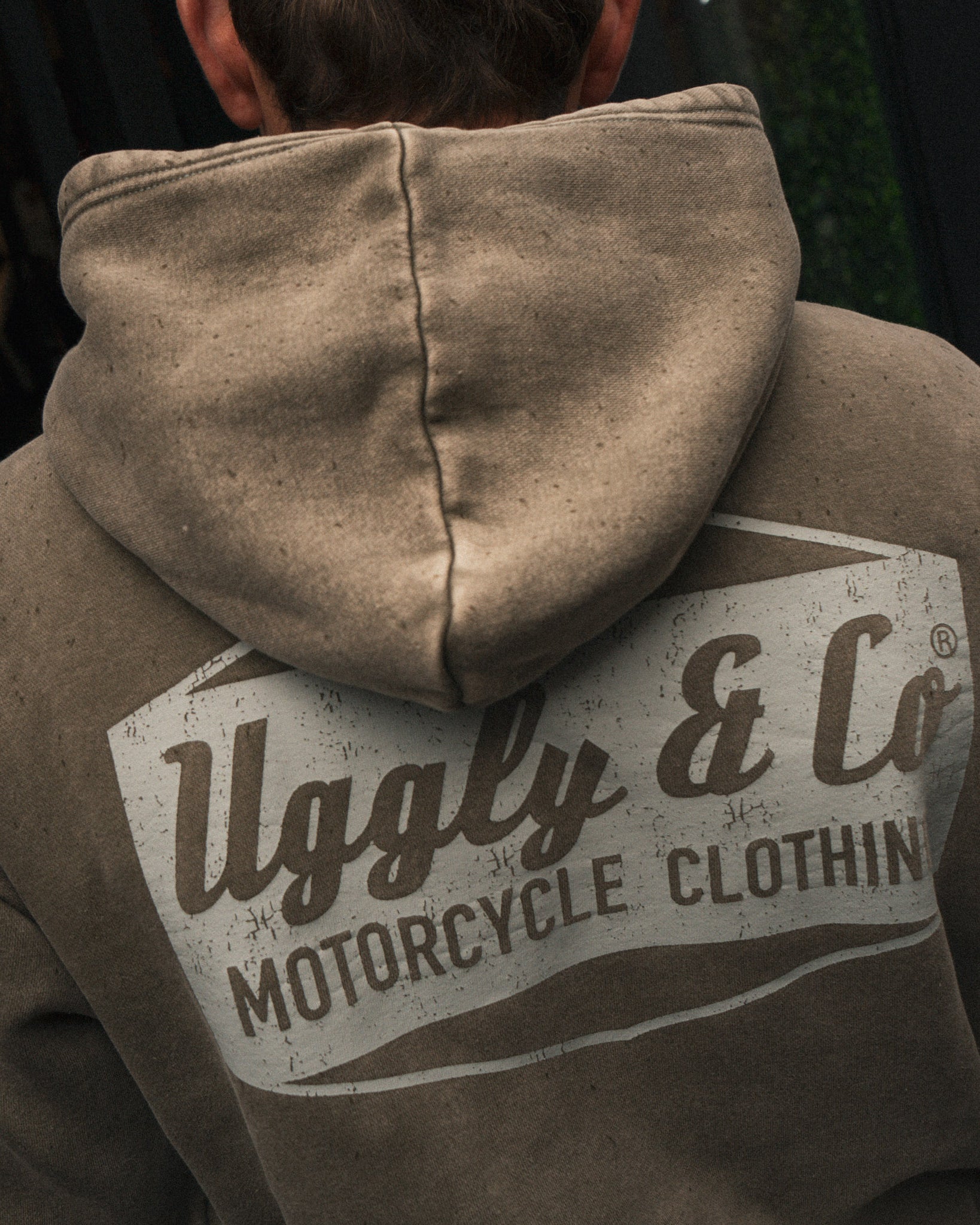
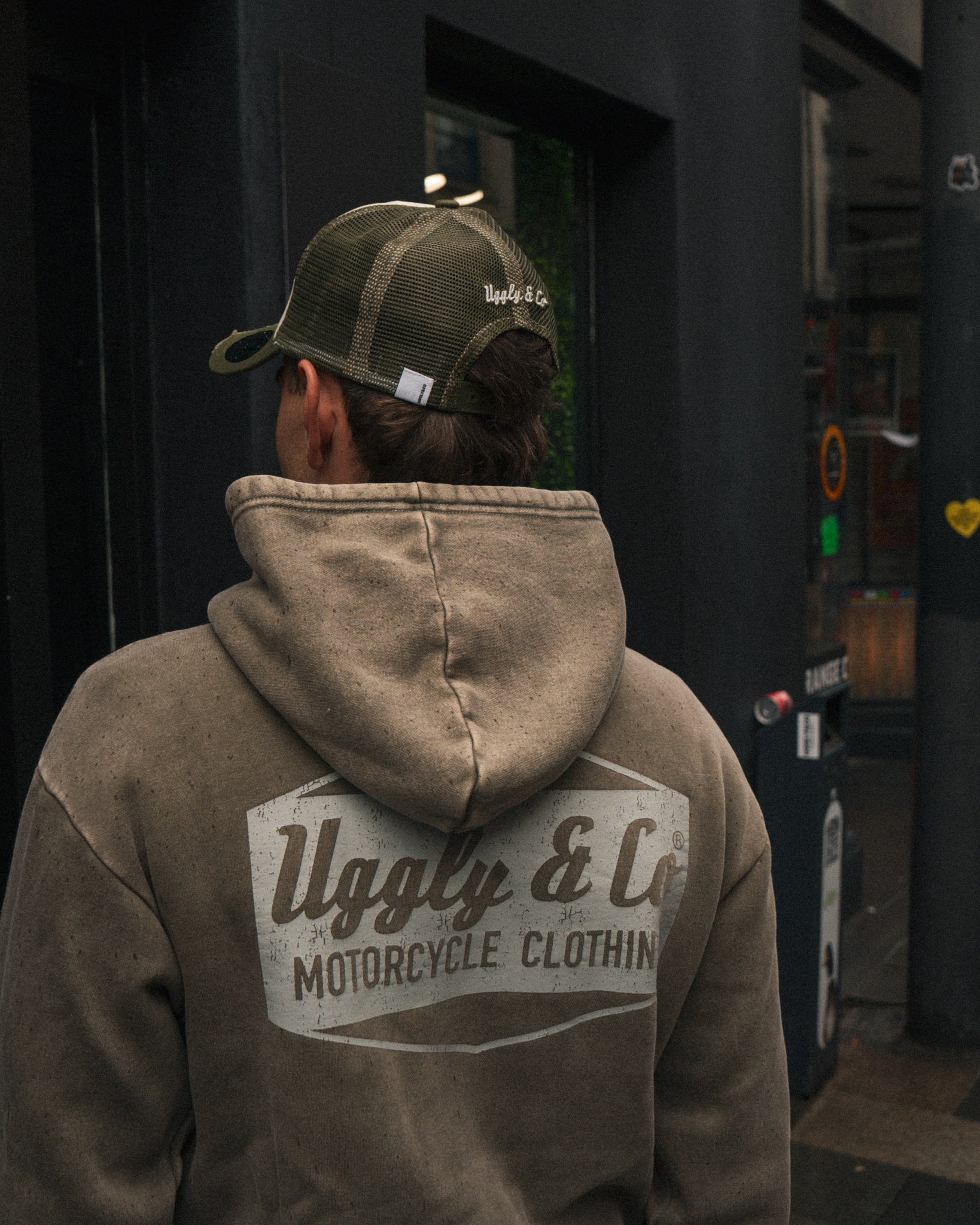
The R&G Crash Protection x Diamond Hoodie is designed for motorcycling enthusiasts, offering warmth and comfort with its heavyweight fabric and fleece-lined interior. The hoodie features a unique design that combines R&G’s logos with motorcycle-inspired elements, making it suitable for both trackside and everyday wear. Its classic fit and bold graphics provide a stylish option for those who embrace the motorcycling lifestyle.
View Product