








Overview
This article delves into the rich history and evolution of the Isle of Man TT, showcasing its significance in motorcycle racing and culture since 1907. Readers will discover how technological advancements and innovations have transformed motorcycle design and performance over the decades, shaping both the event and the broader motorcycle community. Ultimately, the piece highlights the enduring spirit of the TT and its promising future in the realm of motorsport.
Key Takeaways
- The Isle of Man TT has been a pivotal event in motorcycle racing since 1907, showcasing advancements in design and engineering.
- The first races featured heavy motorcycles with limited horsepower, testing riders' endurance and skill on challenging terrains.
- Technological advancements from 1911 to 1940 introduced two-stroke engines and improved chassis designs, enhancing performance and safety.
- Post-war developments saw the introduction of larger engines and lightweight materials, leading to increased speeds and better handling.
- Modern motorcycles are equipped with advanced technologies such as turbocharging, intelligent electronics, and carbon fibre components.
- The TT has significantly influenced motorcycle culture, fostering a global community of enthusiasts and events.
- The future of the TT includes electric racing classes and a focus on sustainability, promising an exciting evolution in motorcycle racing.
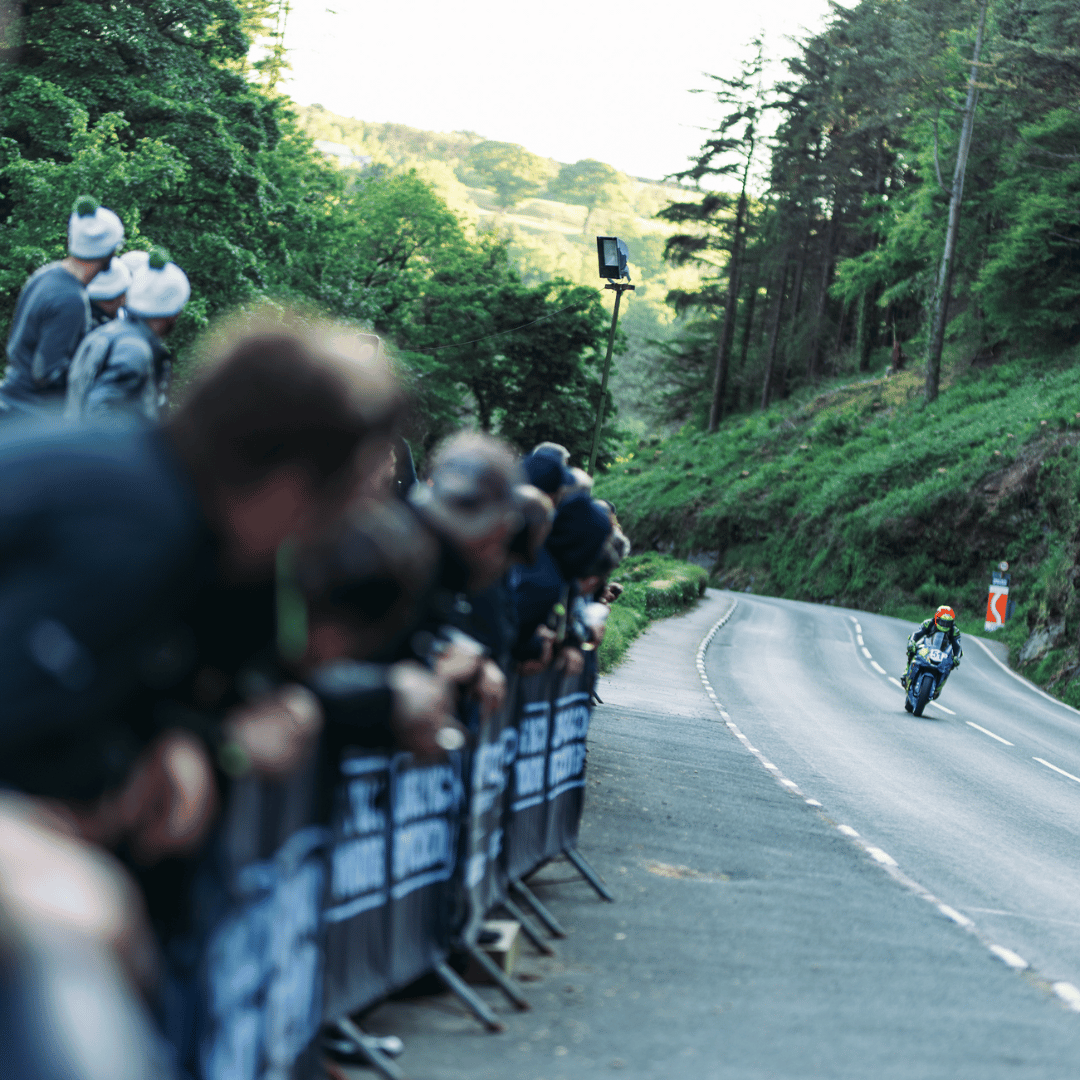
The Isle of Man TT (Tourist Trophy) is renowned worldwide, celebrating motorcycle racing's thrilling history and evolution. Since its inception in 1907, the TT has been a proving ground for the latest innovations in motorcycle design, engineering, and performance. This unique event has transformed into an annual showcase of skill, speed, and bravery, attracting both seasoned professionals and passionate amateurs. Join us as we take a ride through the evolution of motorcycles at the Isle of Man TT.
The Early Days: 1907 to 1910
The first Isle of Man TT race in 1907 featured motorcycles that greatly differed from today’s machines. Riders competed on bikes weighing over 200 kg, with engines producing a meagre 8-10 horsepower! The course was a challenging 15-mile route, combining public roads and treacherous terrain. Riders embraced the spirit of adventure and dared to conquer the challenges posed by the elements.
Key Features of Early Motorcycles
- Engine Type: Single-cylinder engines were the norm, with modest displacements.
- Materials: Mostly steel with basic wood components, making bikes less reliable.
- Aerodynamics: Design was not a priority; functionality prevailed over style.
Races consisted of multiple laps, with riders often enduring mechanical failures due to the primitive technology of the time. The early machines were not just a test of speed but also of endurance, skill, and improvisation. The legendary race lap record set by the first winner, Jack Marshall, stands as a testament to the sheer determination of early riders.
Advancements in Technology: 1911 to 1940
As years passed, the introduction of newer technologies significantly changed the landscape of motorcycle design. The capabilities of engines evolved, showcasing more refined engineering solutions that rejuvenated the racing scene. The advent of two-stroke engines and innovations in chassis design led to improvements in performance and maneuverability.
Innovations that Shaped the TT Experience
| Year | Innovation | Impact |
|---|---|---|
| 1921 | Introduction of 350cc class | Diversified competition and encouraged new manufacturers |
| 1937 | Enhanced engine design | Improved reliability and performance, increasing race speeds |
| 1938 | Development of modern suspension systems | Increased rider control and comfort, enhancing safety |
During this period, iconic brands such as Norton, BSA, and Velocette gained prominence. These manufacturers not only contributed to the competitive spirit of the TT but also were key players in shaping motorcycle culture in the UK. The battle for dominance in the TT instilled a sense of camaraderie among riders, while also fanning the flames of rivalry among manufacturers.
Post-War Era: 1945 to 1960
The aftermath of the Second World War resulted in renewed interest and advancements in motorcycle technology. During this era, safety became a paramount concern, with riders adapting to faster machines that demanded respect and responsibility.
Transformation of Design and Performance
- Power: Introduction of larger displacement engines enabled speeds exceeding 100 mph.
- Materials: Utilisation of lightweight alloys began to improve overall handling.
- Design: Streamlined shapes emerged, enhancing aerodynamic efficiency.
This era is often highlighted by legendary racers such as Geoff Duke, who not only secured multiple victories but also advocated for improved safety protocols on both personal and manufacturer levels. Innovations during this time set the foundation for modern motorcycles and encouraged manufacturers to push the envelope in terms of speed and design.
Modern Era: 1960 to Present
The contemporary Isle of Man TT hosts some of the most advanced motorcycle technology on the planet. The race has evolved from a means of performance testing into a high-octane spectacular that captures the imagination of fans worldwide.
Key Characteristics of Modern Machines
Motorcycles today feature a myriad of advancements, shaping them into formidable machines known for their speed, agility, and overall performance. Some significant characteristics include:
- Turbocharging and Supercharging: Allow for increased power output without sacrificing weight.
- Intelligent Electronics: Adds capabilities like traction control and power mapping, helping riders optimise performance.
- Carbon Fibre Components: Reduces weight significantly, enhancing speed and handling responsiveness.
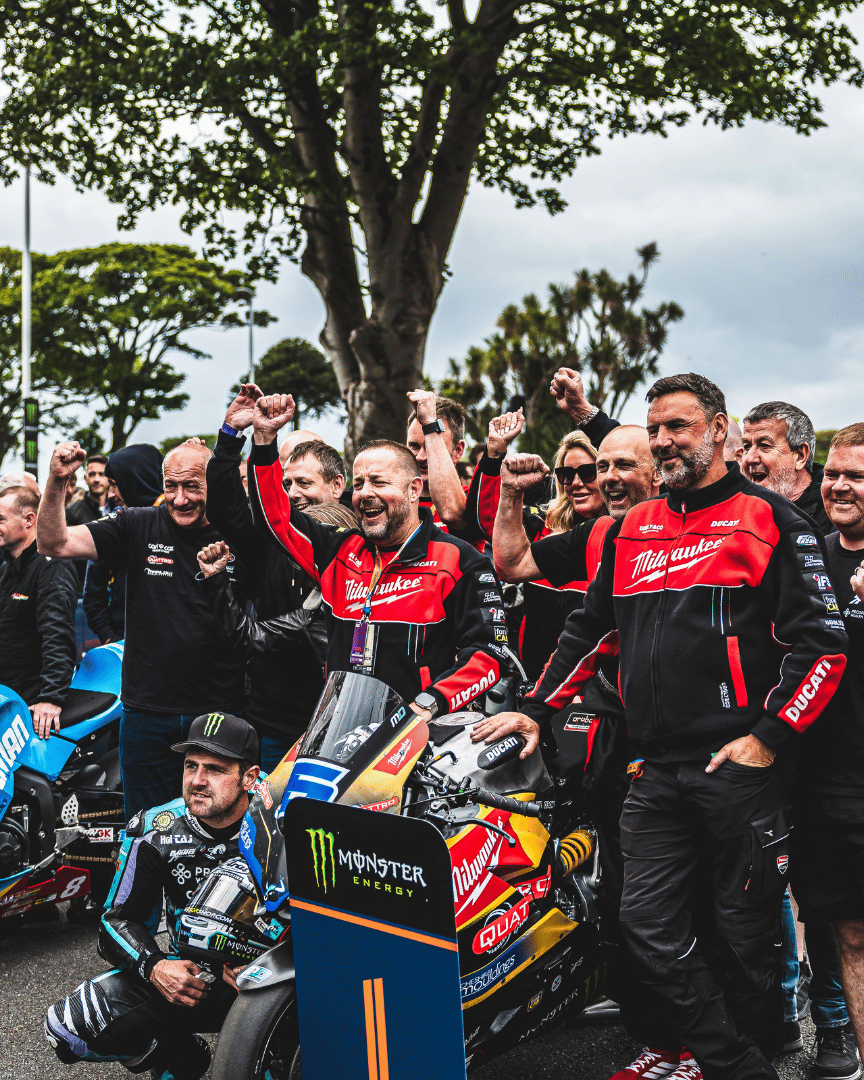
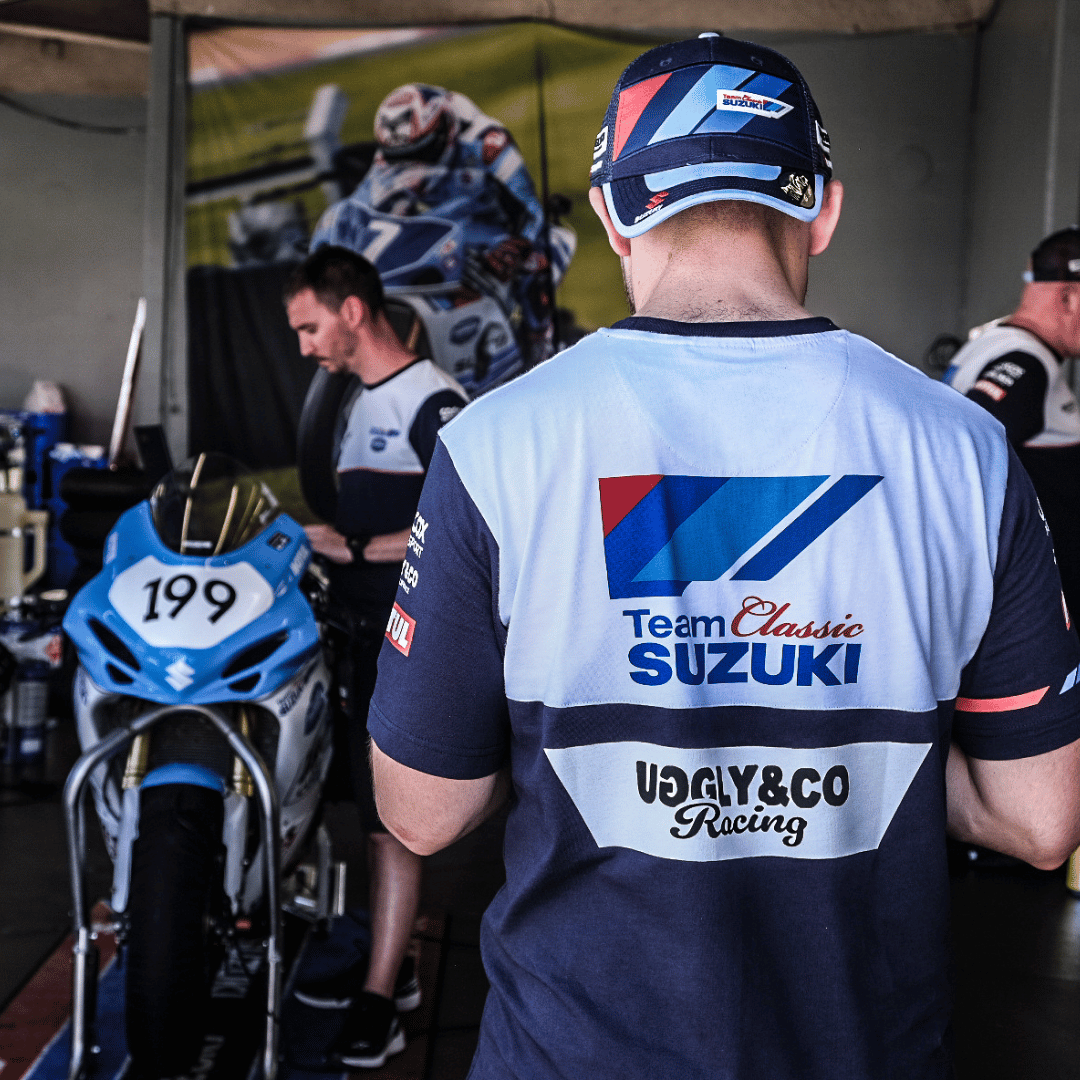
Leading manufacturers such as BMW, Ducati, and Suzuki have been at the forefront of these advancements. Their innovations have not only produced faster machines but have also attracted more fans, resulting in a booming motorcycle culture around the event.
The Isle of Man TT's Impact on Motorcycle Culture
The influence of the Isle of Man TT extends well beyond the race itself. It has shaped motorcycle culture not just in the UK, but globally. The TT has been instrumental in the recognition of motorcycles as capable of more than mere transport; they are instilled with a sense of freedom, adventure, and individuality.
Motorcycle Enthusiast Communities
Over the years, the TT has cultivated a thriving community of enthusiasts. Events surrounding the race, including fan gatherings and motorcycle shows, have contributed significantly to the growth of the motorcycle culture. Whether it's a local meet-up to discuss the latest motocross jersey in the UK or a global forum sporting discussions about British Superbikes, the community thrives on shared passion.
The Future of Motorcycles and the Isle of Man TT
As technology continues to progress, the future of the Isle of Man TT looks promising. The formation of electric racing classes is already reshaping the narrative on the race. With manufacturers investing in sustainable technologies, electric motorcycles are expected to play a pivotal role in upcoming events.
What to Expect in Upcoming Events
- Integration of AI Technology: Predictive analytics to improve both rider safety and event management.
- Increased Sponsorship: More international brands are likely to showcase products, enhancing event visibility.
- Environmental Consciousness: Focus on reducing the carbon footprint and promoting eco-friendly racing practices.
The marriage of tradition with technology will ensure that the Isle of Man TT remains a prominent feature in the motorcycle world for years to come. Riders, fans, and manufacturers will continue to witness an exciting evolution that keeps them at the edge of their seats.
Riding into a Bright Future
The Isle of Man TT is more than a race; it’s a historical celebration of human daring, technological advances, and community bonding through shared passion. As we’ve explored the evolution of motorcycles at this iconic event, it’s clear that the essence of the TT—thrill, camaraderie, and spirit of innovation—will persist and grow in the years ahead, drawing in new generations of riders and fans alike. Whether you’re an avid motorcycle enthusiast or a casual observer, the allure of the Isle of Man TT will forever be an enduring flame in the heart of motorcycling culture.
Frequently Asked Questions
1. What is the Isle of Man TT?
2. How did motorcycle design change from the early days of the TT?
3. What technological advancements have been made in modern motorcycles at the TT?
4. How has the Isle of Man TT impacted motorcycle culture?
5. What does the future hold for the Isle of Man TT?
Glossary
| Term | Meaning |
|---|---|
| Isle of Man TT | Annual motorcycle race known for its challenging course and rich history. |
| Two-stroke engine | A type of engine that completes a power cycle in two strokes of the piston. |
| Turbocharging | Technology that increases engine power by forcing more air into the combustion chamber. |
| Carbon Fibre | Lightweight material used in modern motorcycles to enhance performance. |
| Motorcycle culture | The community and lifestyle surrounding motorcycle enthusiasts and events. |
| Electric motorcycles | Motorcycles powered by electric motors, offering a sustainable alternative. |
| Aerodynamics | The study of how air interacts with moving objects, crucial for motorcycle design. |
| Rider safety | Practices and technologies aimed at protecting motorcyclists during races. |
| Mechanical failures | Breakdowns or malfunctions of motorcycle components during a race. |
| Historical significance | The importance of an event in shaping the development of motorcycle racing. |
Linked Product

David Knight 101 Motocross Jersey
The David Knight Motocross Jersey is designed for both casual wear and high-performance use, making it versatile for various activities. Featuring a sleek all-black design with dark grey print, it offers a stylish look while ensuring maximum comfort with its lightweight and breathable fabric. This jersey is built to withstand the demands of off-road riding, allowing fans to represent an iconic enduro champion in any setting.
View Product