













Overview
This article explores the transformative impact of technology on competitive racing, highlighting advancements in vehicle design, data analytics, and safety measures. Readers will gain insights into how these innovations enhance performance and safety for drivers and riders, while also examining the significance of merchandise in fostering fan engagement and supporting the racing culture. Ultimately, it showcases the ongoing evolution of racing through technology and its implications for the future of the sport.
Key Takeaways
- Advanced Aerodynamics: Modern racing vehicles utilise wind tunnels and CFD to optimise design for reduced drag and increased downforce, enhancing speed and handling.
- Real-Time Data Analytics: Telemetry systems provide teams with critical data on tire temperature, engine performance, and driver inputs, enabling informed decisions during races.
- Enhanced Safety Features: Innovations such as crumple zones and advanced helmets improve safety for drivers, significantly reducing injury risks during crashes.
- Emerging Technologies: The racing industry is increasingly adopting electric vehicles, AI for predictive analysis, and 3D printing for rapid prototyping of custom parts.
- Training Simulators: Advanced simulators allow drivers to practice in controlled environments, enabling them to refine skills without the dangers of real racing.
- Importance of Merchandise: Official merchandise fosters fan engagement, enhances brand visibility, and contributes to the financial health of racing teams.
- Continuous Evolution: The integration of technology in racing is an ongoing process, constantly pushing the boundaries of performance and safety.
In the world of competitive racing, the role of technology has transformed the landscape dramatically over the past few decades. Drivers and riders in disciplines such as British Superbikes to Formula 1 now have access to advanced tools and systems that can significantly improve their performance. This article will delve into various technological advancements and their impact on race performance, explore how they contribute to the evolution of sport, and highlight the importance of high-quality merchandise like official JAMES HILLIER merchandise.
Technological Advancements in Racing
The integration of technology in racing extends across various facets, including vehicle design, data analysis, and safety measures. Below, we explore key areas in which technology has played a vital role:
Aerodynamics and Vehicle Design
One of the most significant influences on racing performance is the advancement in aerodynamics. Modern racing vehicles are designed to minimise drag and maximise downforce, which can lead to higher speeds and improved handling.
- Wind Tunnels: Engineers use wind tunnels to test and refine vehicle shapes, ensuring the design optimises airflow.
- Computational Fluid Dynamics (CFD): This technology allows for simulations of airflow around and through vehicles, providing insights before any physical prototype is built.
- Lightweight Materials: The introduction of carbon fibre and advanced alloys reduces weight, enabling higher acceleration and better fuel efficiency.
Data Analytics and Systems
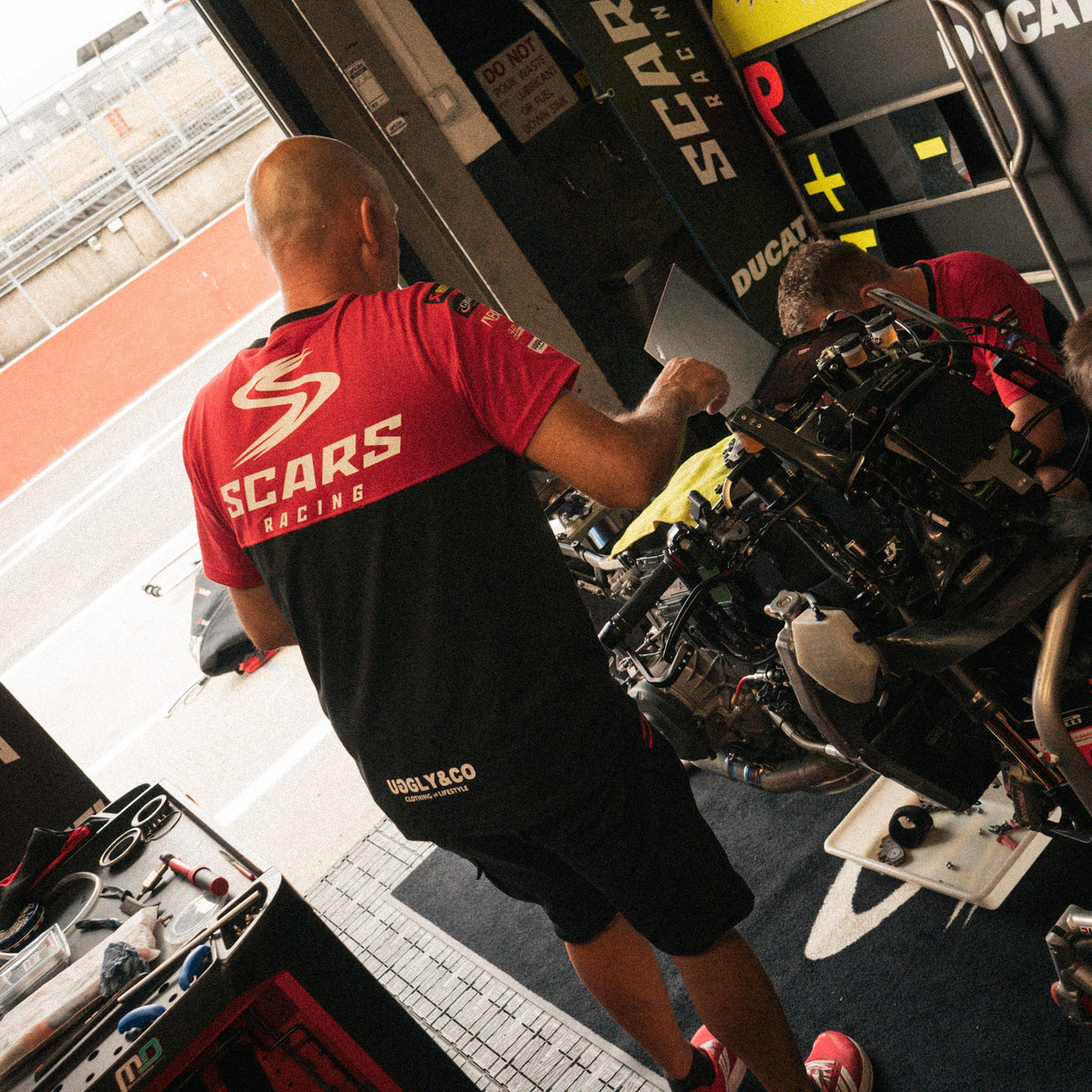
With the rise of telemetry, teams can gather a wealth of data on vehicle performance and driver behaviour in real-time. This technology helps teams make informed decisions during races. Here are some elements that are commonly monitored:
| Data Type | Importance |
|---|---|
| Tire Temperature | Ensures optimal grip and performance during the race. |
| Engine Performance | Helps determine if adjustments are needed for efficiency or power. |
| Speed Metrics | Monitored to evaluate acceleration and top speeds achieved. |
| Driver Inputs | Tracks how a driver interacts with the vehicle, highlighting potential areas for improvement. |
Enhancing Safety with Technology
Safety is paramount in racing, and technological advancements have contributed significantly to creating a safer environment for drivers and spectators alike. Some safety innovations include:
Crash Technology
Modern racing vehicles are equipped with cutting-edge crash technology that mitigates the impact of collisions. Manufacturers implement crumple zones designed to absorb energy, as well as roll cages that protect drivers during flips or rolling incidents.
Wearable Safety Devices
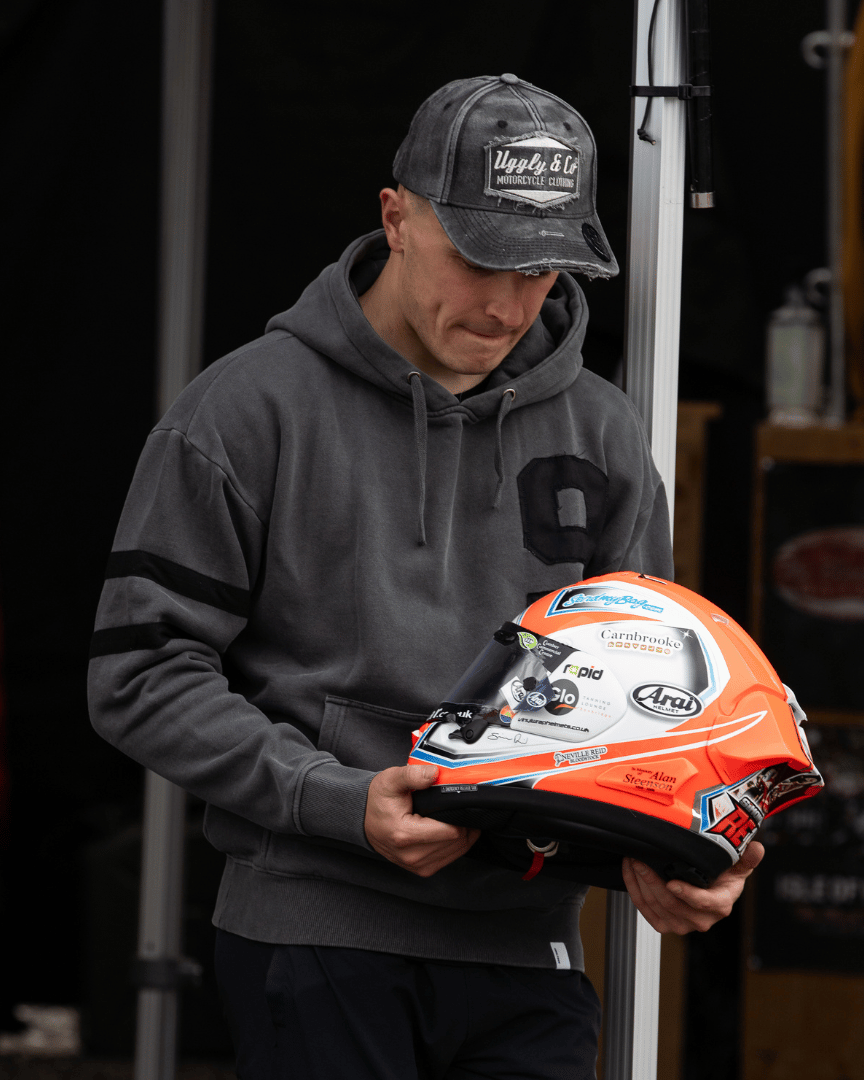
Advanced helmets with integrated communication systems allow drivers to maintain contact with their teams while ensuring their safety. Moreover, many racing suits are being developed with fire-resistant materials to protect drivers in the event of a fire.
Continuous Innovation in Performance
As technology evolves, so does the racing world. Here are some future trends that are set to continue shaping race performance:
- Electric Racing: Electric vehicles are gradually entering the racing domain, offering a different set of performance metrics, challenges, and innovations.
- Artificial Intelligence: AI is being leveraged to provide predictive analysis on race strategies and vehicle performance, giving teams a competitive edge.
- 3D Printing: This technology is now being implemented to create custom parts swiftly, allowing for rapid prototyping and adjustments.
The Impact on Riders and Drivers
For riders and drivers, technology is more than just performance enhancement; it is also about gaining insights and improving skills. The combination of technology and skillset drives a new era of racing where every millisecond counts. To understand this interplay, we can look at two critical aspects:
Training and Simulation
Simulators are now integral in training for motorsport professionals. Advanced racing simulators enable drivers to practice under controlled conditions, mimicking various tracks and scenarios without the inherent dangers of actual racing.
Telemetric Feedback
Data received from telemetrics offers drivers immediate feedback on their performance, helping them to refine their techniques. This allows them to understand their strengths and weaknesses better, making it easier to develop tactical approaches for upcoming races.
Merchandise and Branding in Racing
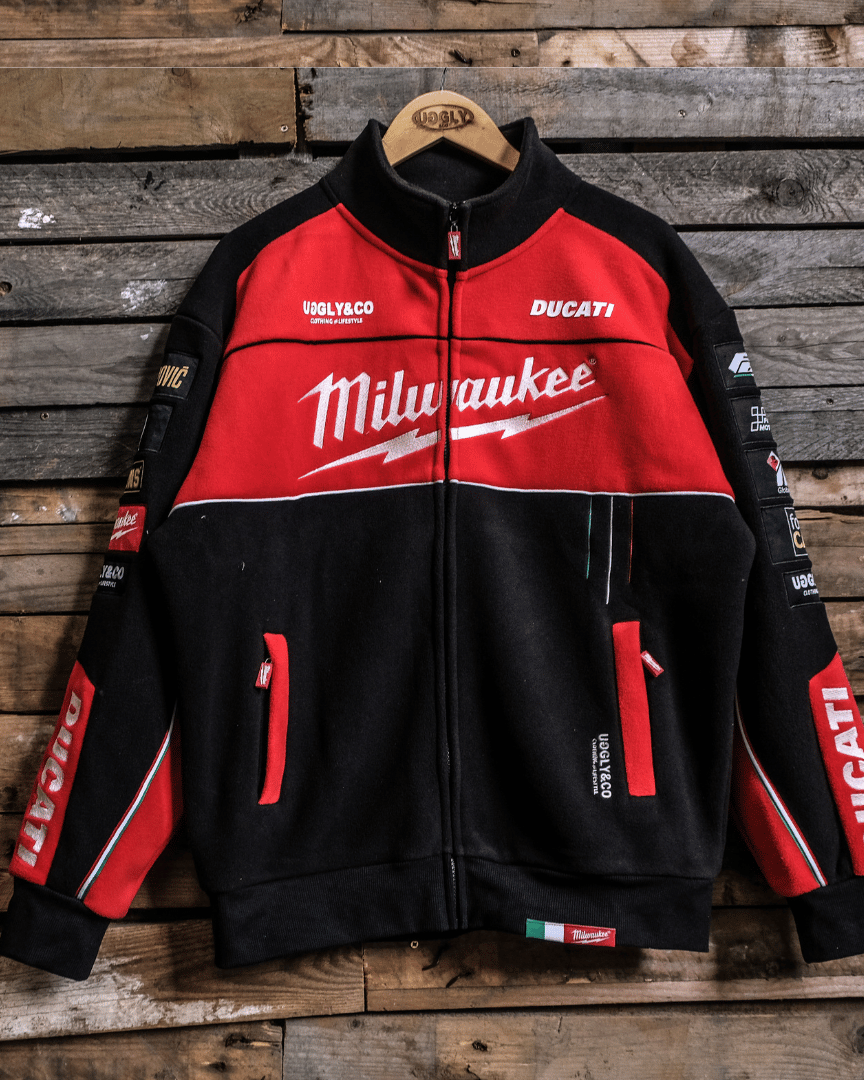
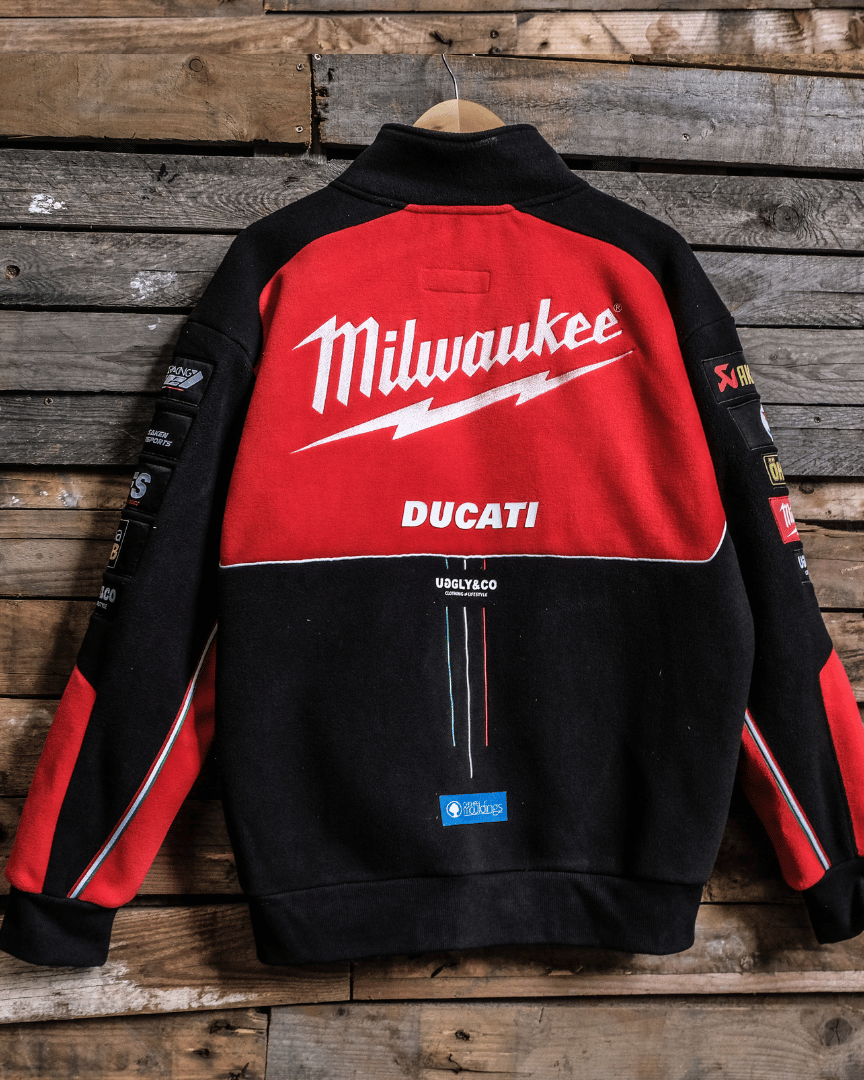
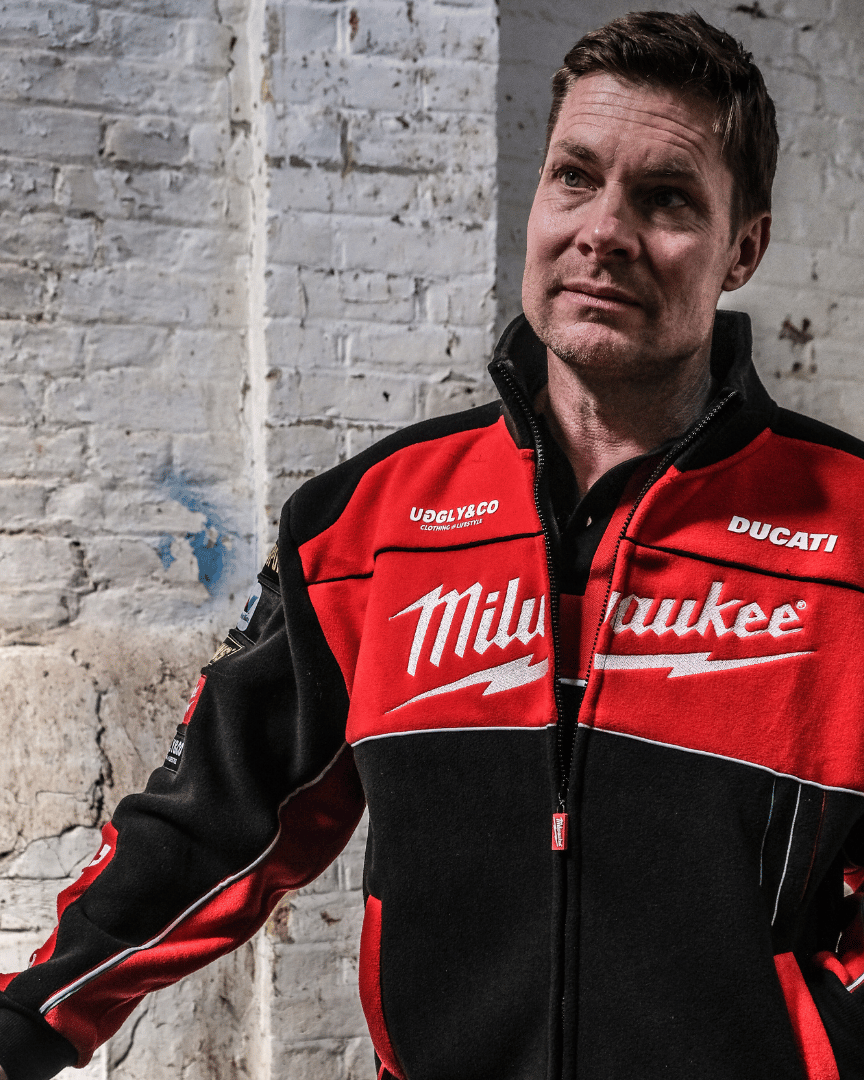
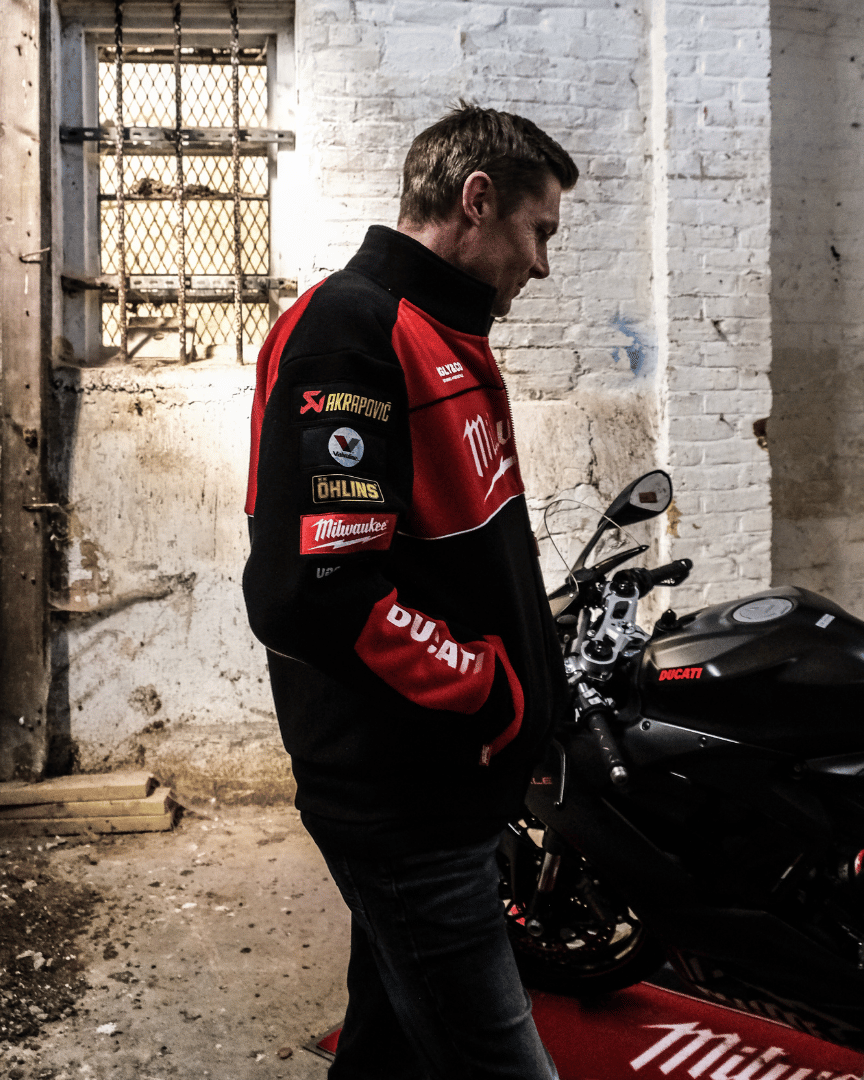
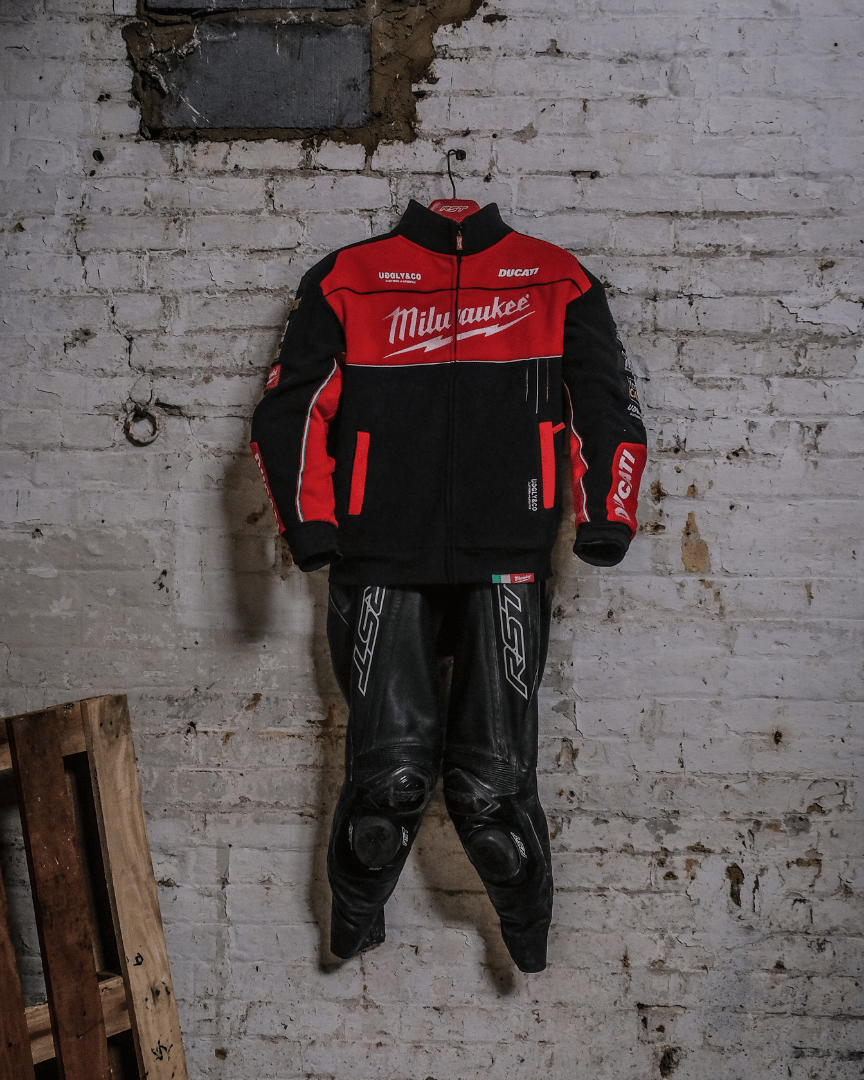
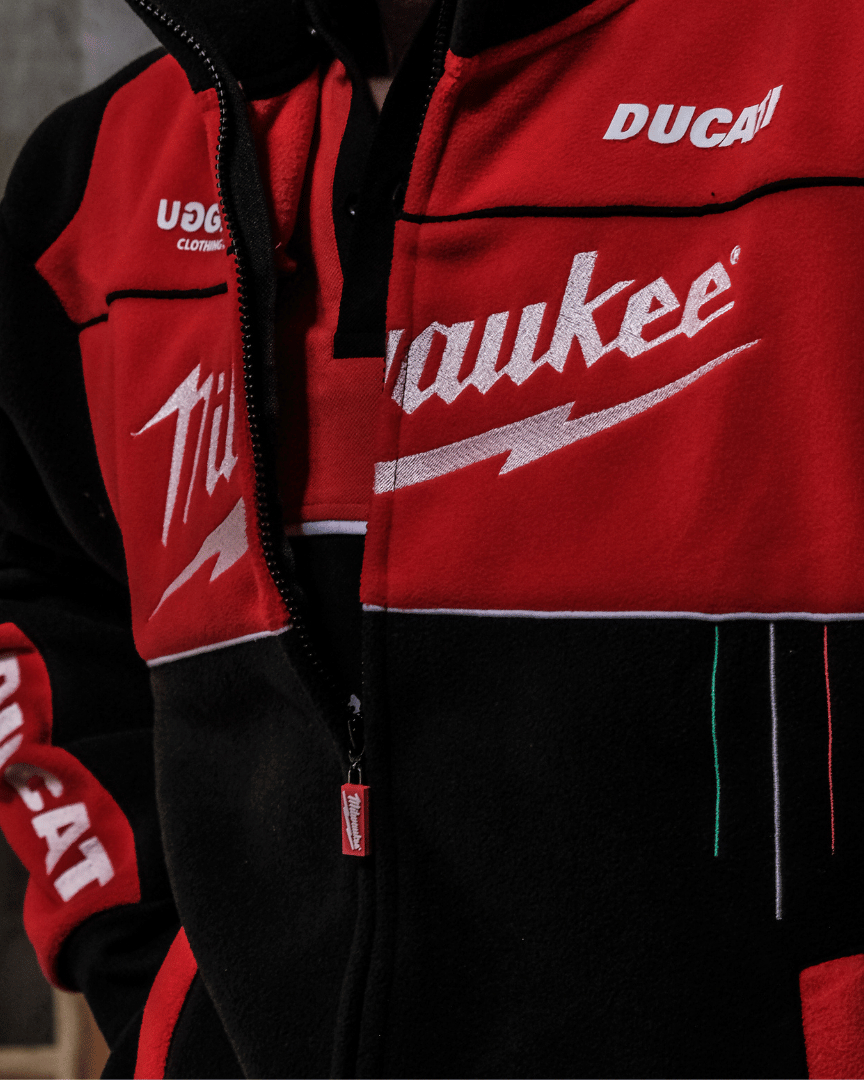
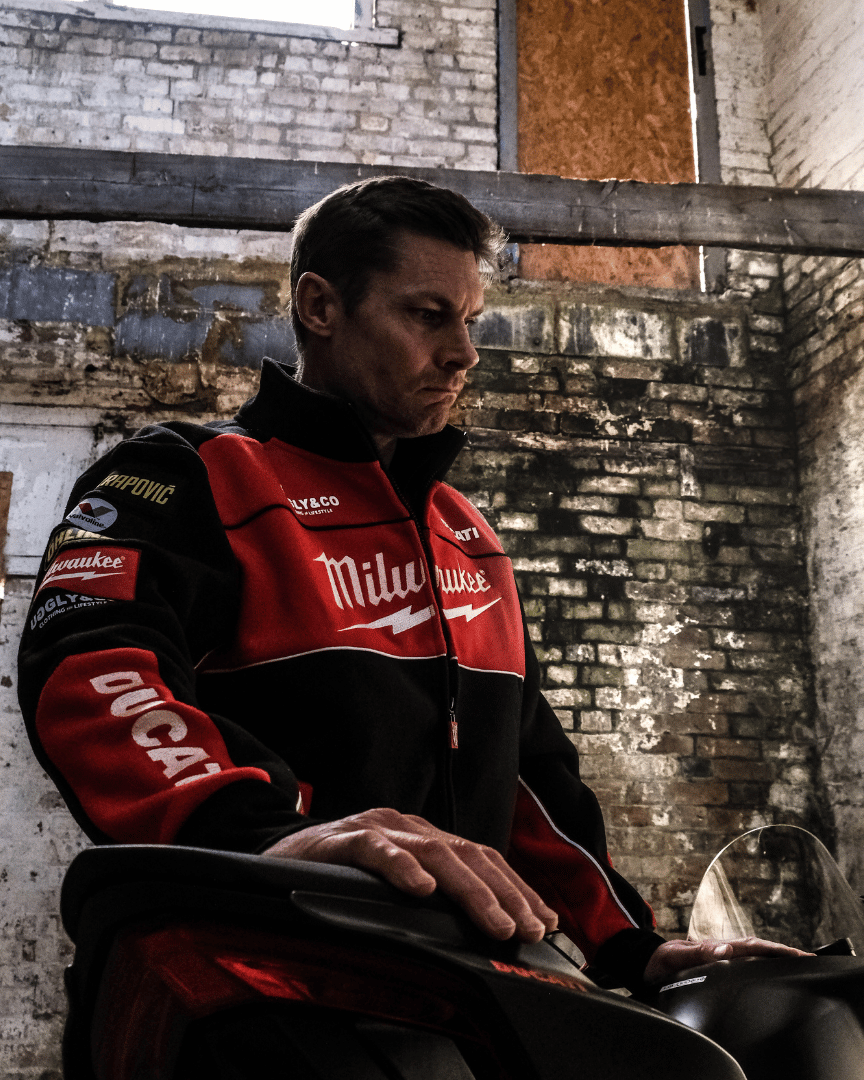
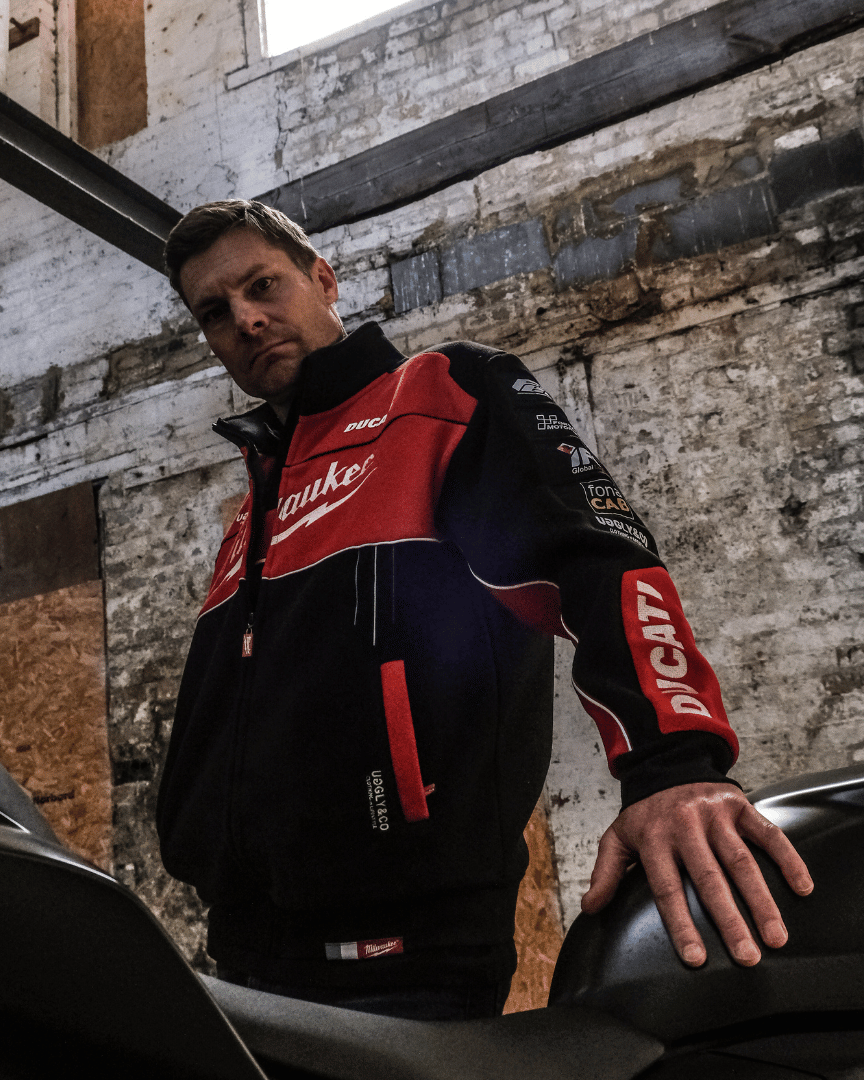
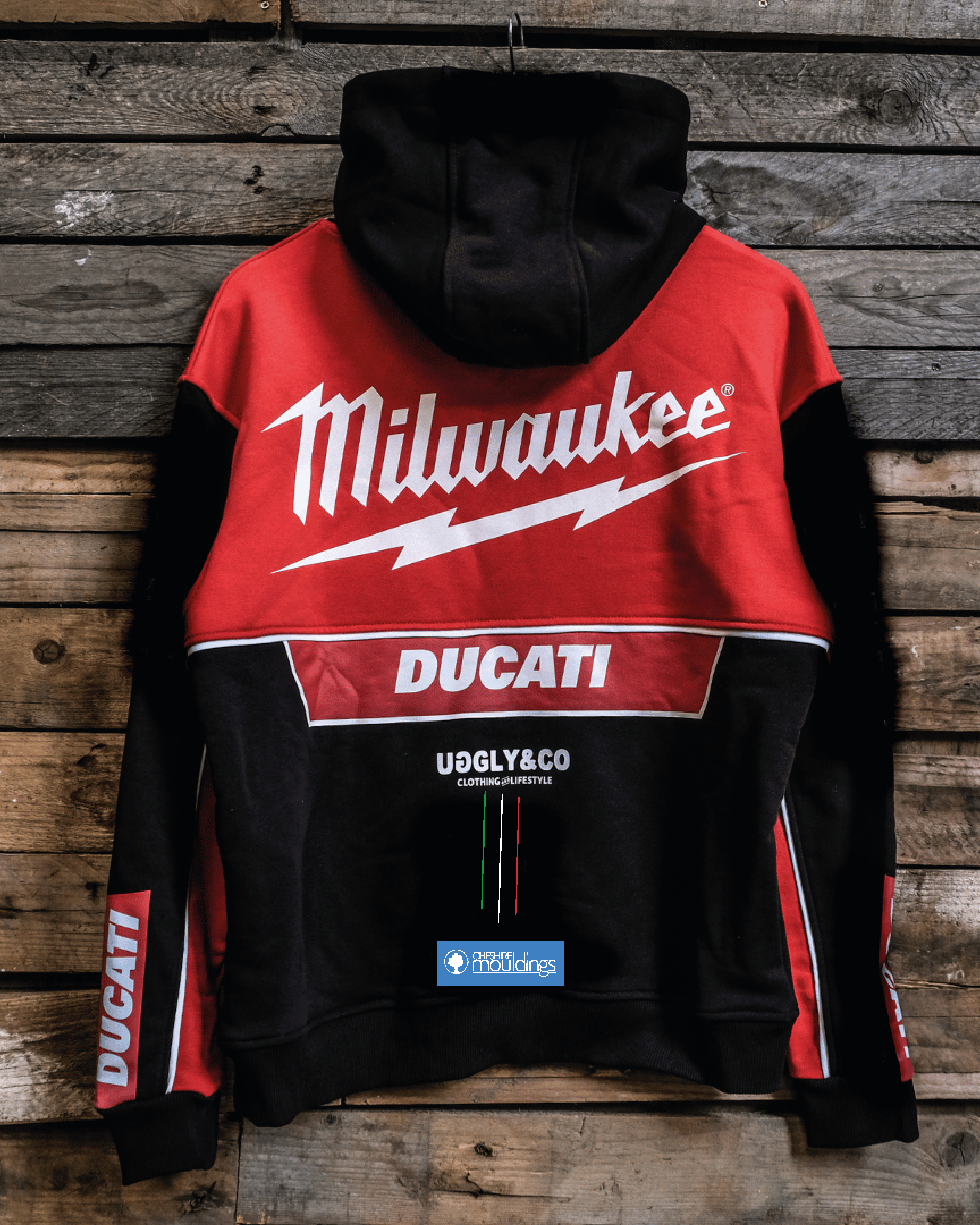
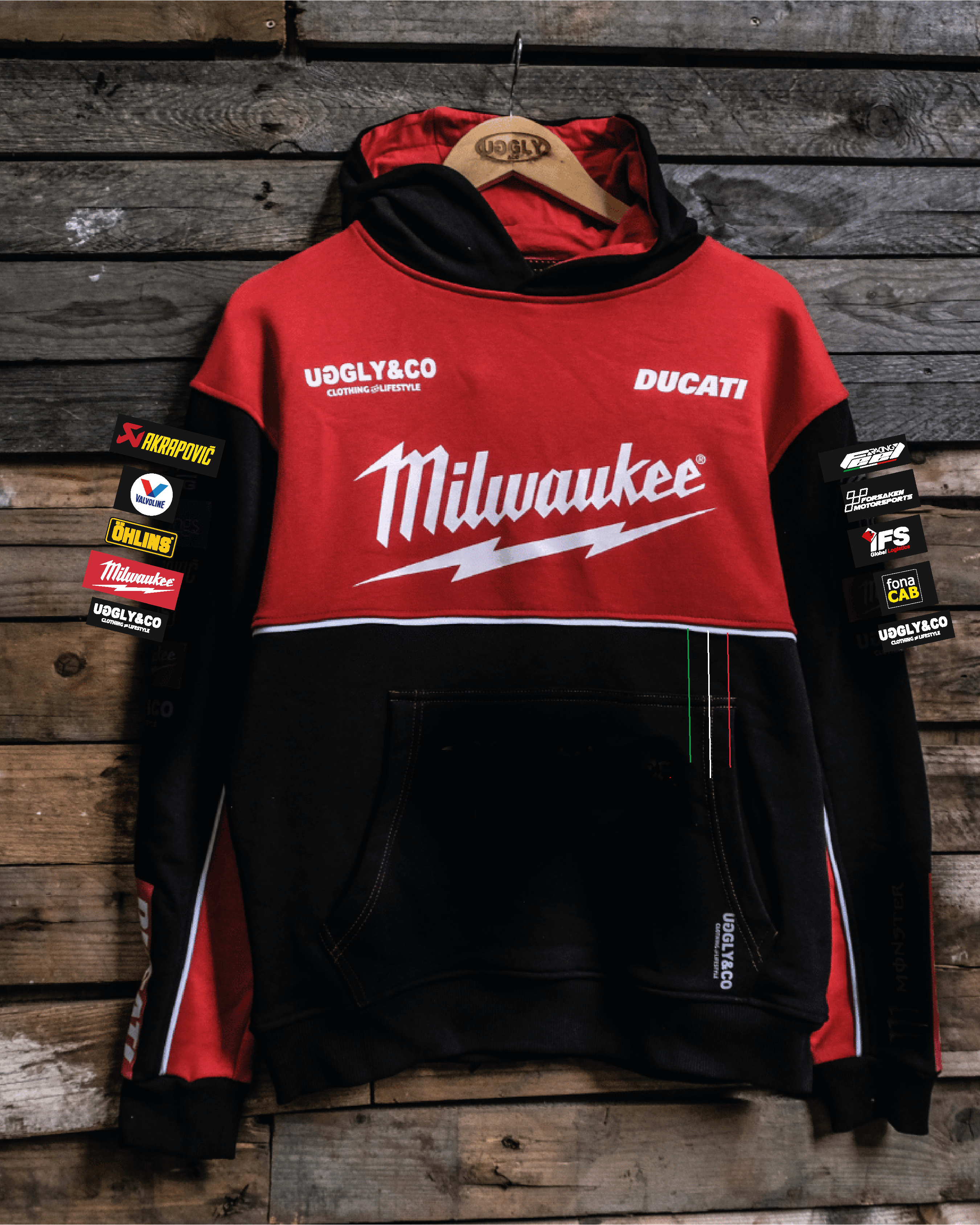
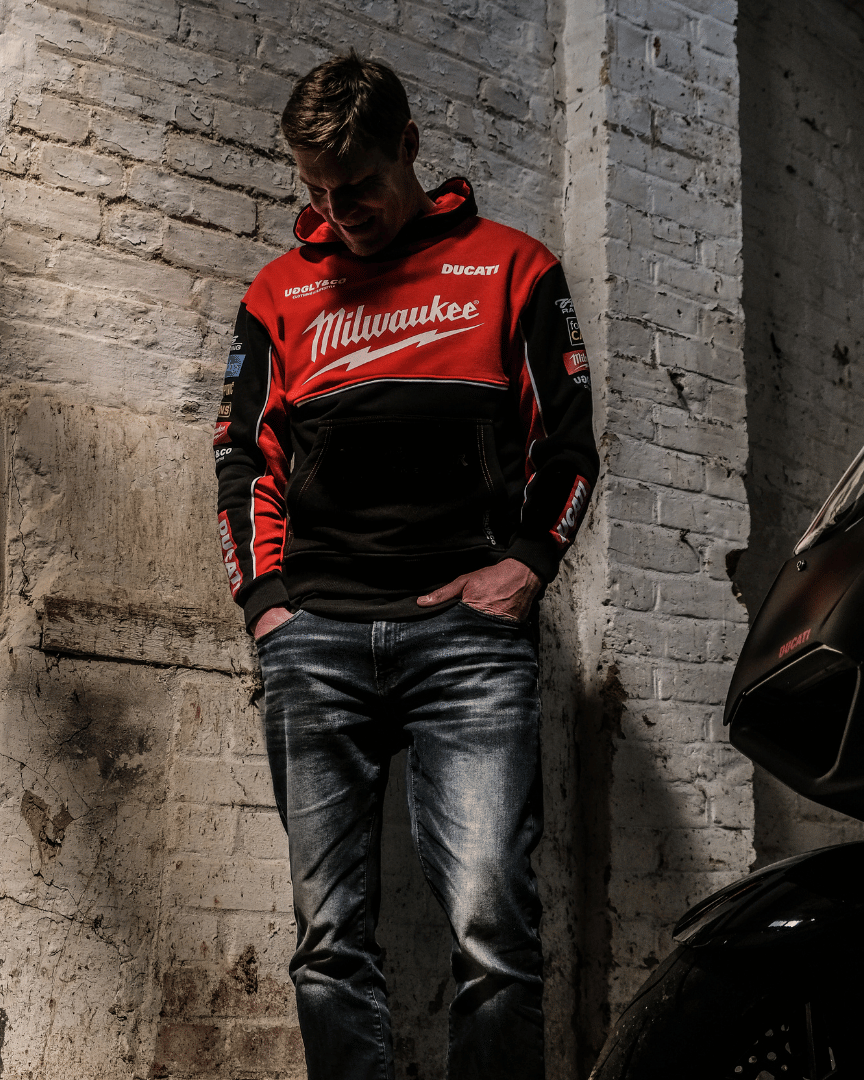
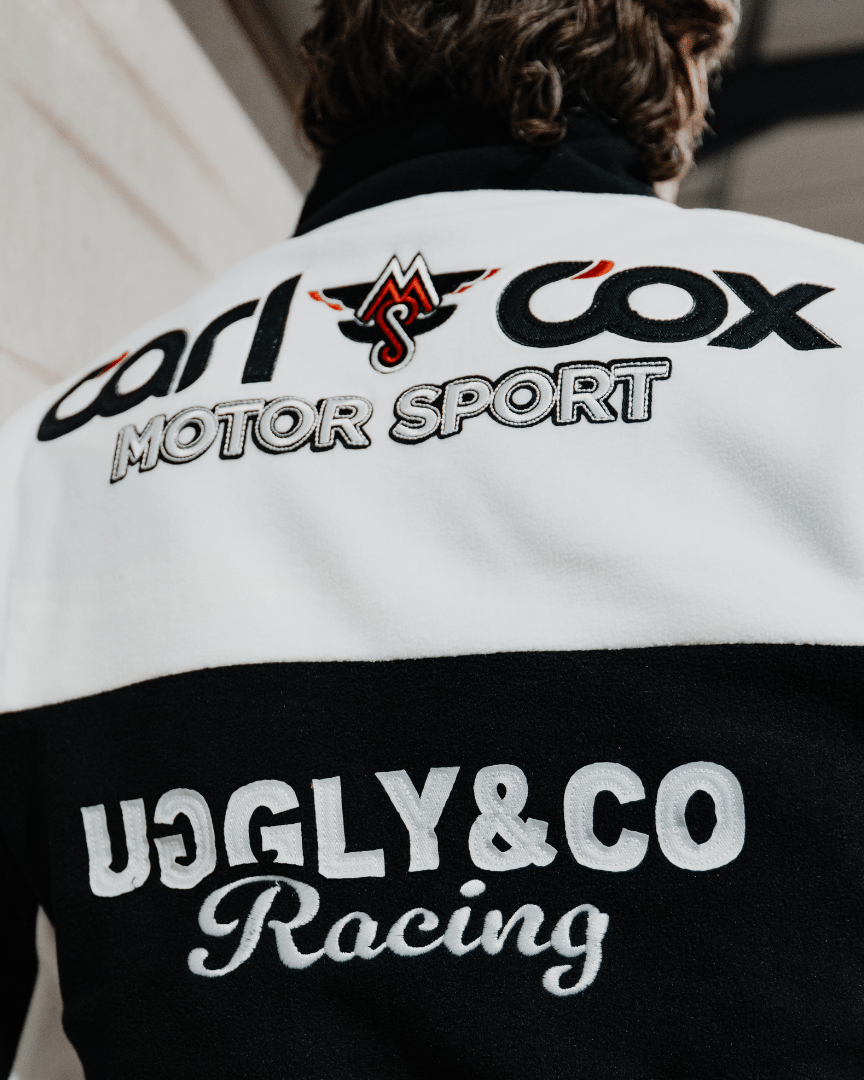
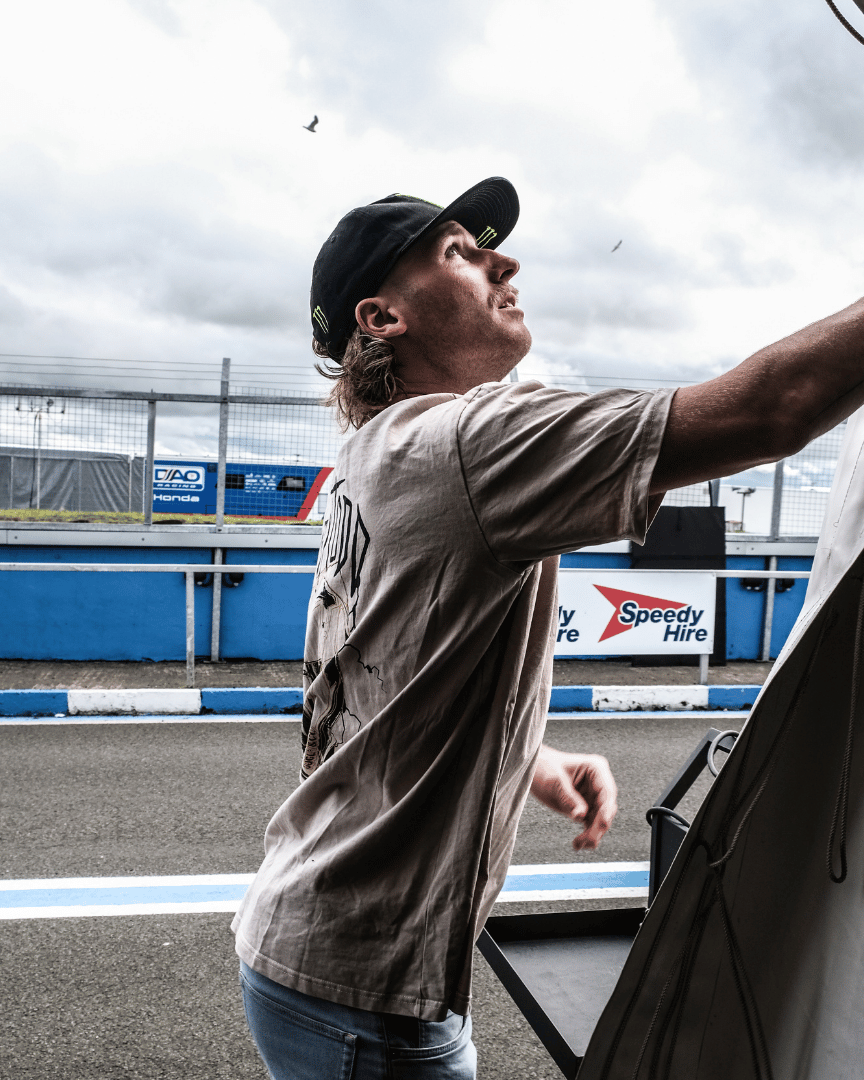
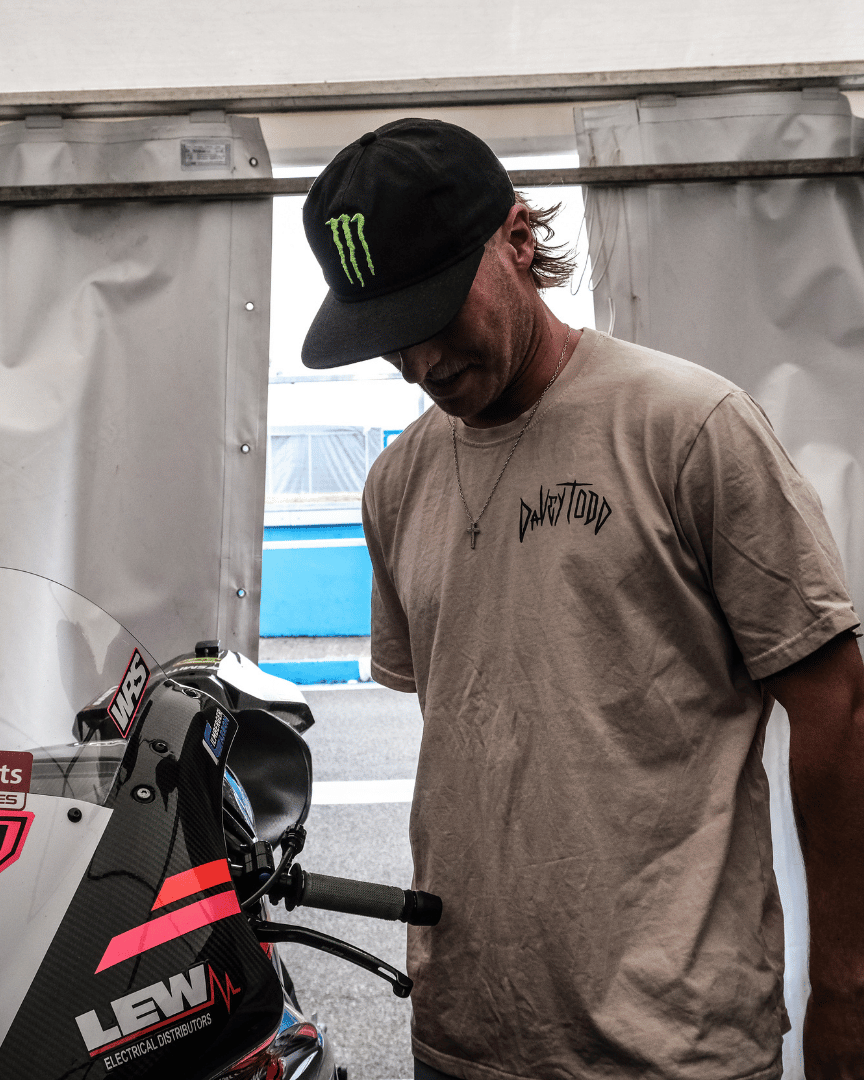
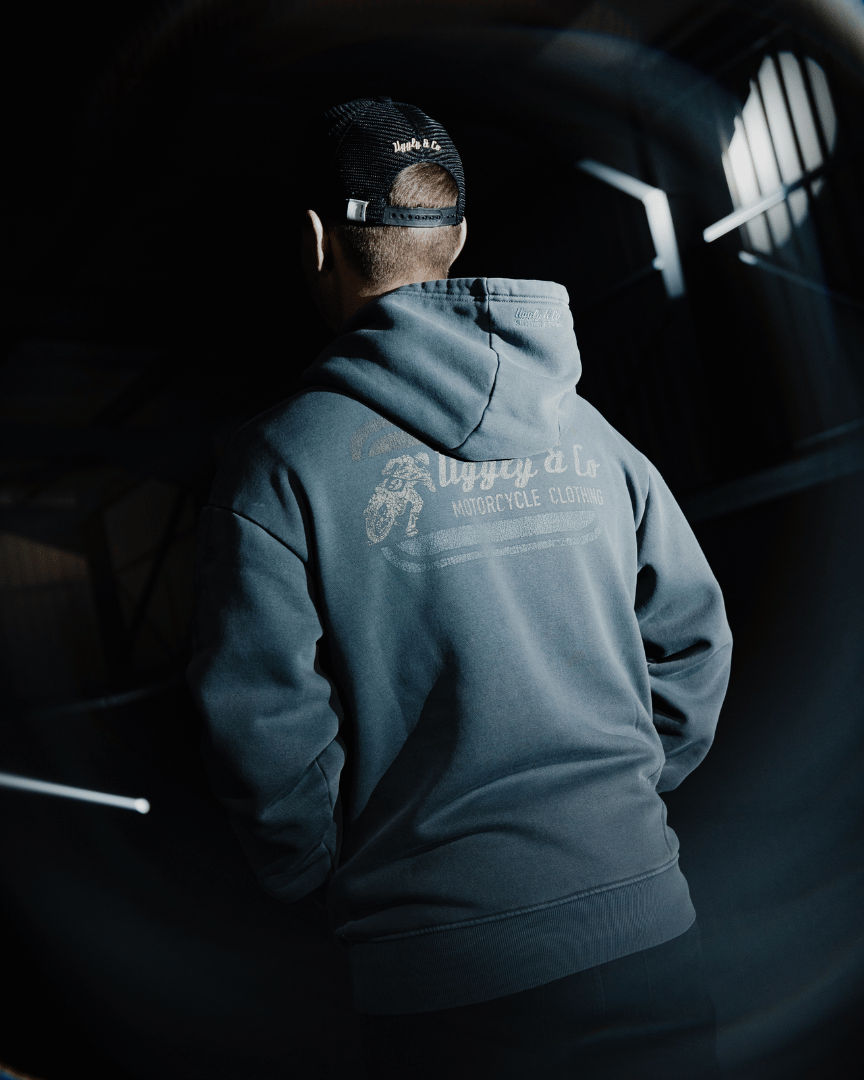
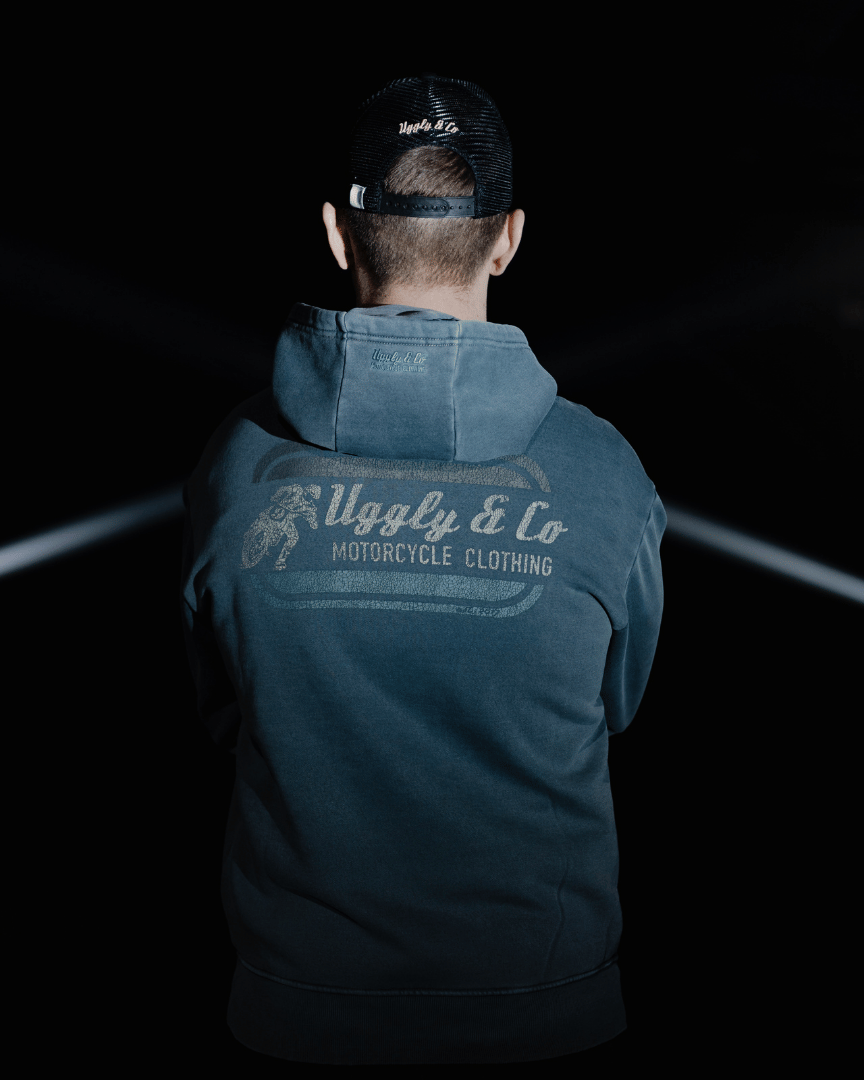
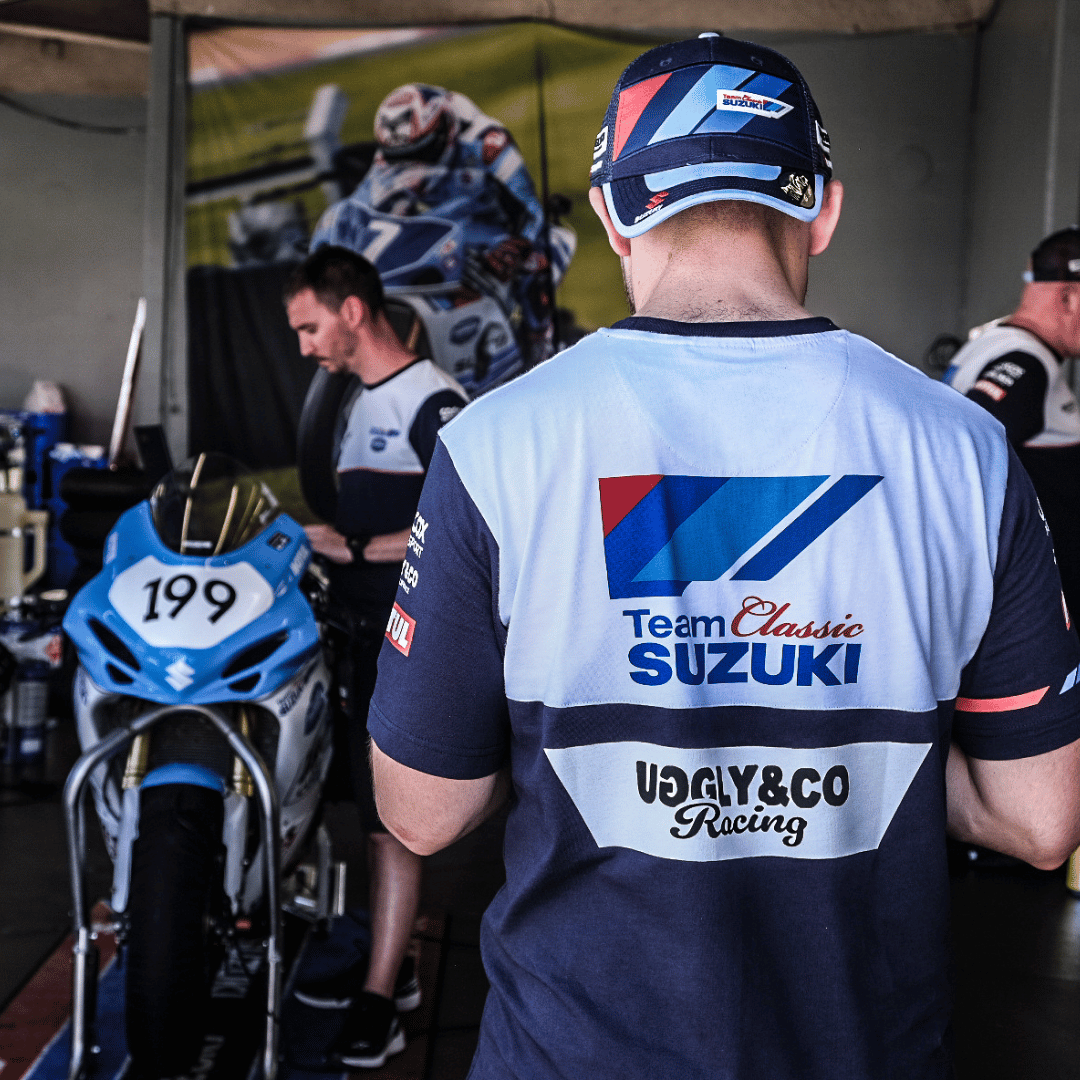
As much as technology is revolutionising race performance, the importance of branding and merchandise cannot be overlooked. Fans are passionate about their drivers, and official merchandise like official JAMES HILLIER merchandise represents a strong connection with the racing culture. Here are some factors that make merchandise essential:
- Fan Engagement: Merchandise plays a crucial role in engaging fans, allowing them to showcase their support and allegiance to their favourite riders.
- Promoting Brands: Official merchandise amplifies brand visibility, helping teams and riders to broaden their fan base.
- Boosting Revenue: Licensing deals and merchandise sales contribute significantly to the financial sustainability of racing teams.
Conclusion That Ignites Passion
The fusion of technology and racing is a testament to human ingenuity and creativity, constantly pushing the boundaries of what is possible on the track. With advancements in aerodynamics, data analytics, safety innovations, and more, technology is not just aiding performance; it’s revolutionising the racing experience. Fans will be more connected than ever – wearing their hero's branded apparel, such as official JAMES HILLIER merchandise, and cheering as these technological triumphs unfold on the race circuit. The future is bright for both technology and the exciting world of racing; who knows what innovations are around the bend?
Frequently Asked Questions
1. How has technology transformed competitive racing?
2. What role do aerodynamics play in racing vehicle design?
3. What are some safety innovations in modern racing?
4. How is data analytics used in racing?
5. Why is official merchandise important in racing?
Glossary
| Term | Meaning |
|---|---|
| Aerodynamics | The study of how air interacts with moving vehicles, crucial for speed and handling. |
| Telemetry | The collection of real-time data from vehicles to analyse performance and make adjustments. |
| Wind Tunnel | A facility used to test vehicle designs by simulating airflow around them. |
| Crash Technology | Innovations designed to protect drivers during collisions, such as crumple zones. |
| Wearable Safety Devices | Advanced gear like helmets that enhance safety and communication for drivers. |
| Electric Racing | A new racing category featuring electric vehicles with unique performance metrics. |
| Artificial Intelligence (AI) | Technology used for predictive analysis to enhance race strategies and performance. |
| 3D Printing | A method for quickly creating custom parts for vehicles, aiding in rapid prototyping. |
| Simulators | Advanced training tools that allow drivers to practice in a controlled environment. |
| Official Merchandise | Branded products that connect fans to their favourite drivers and teams. |
Linked Product

JAMES HILLIER's Racing Tee
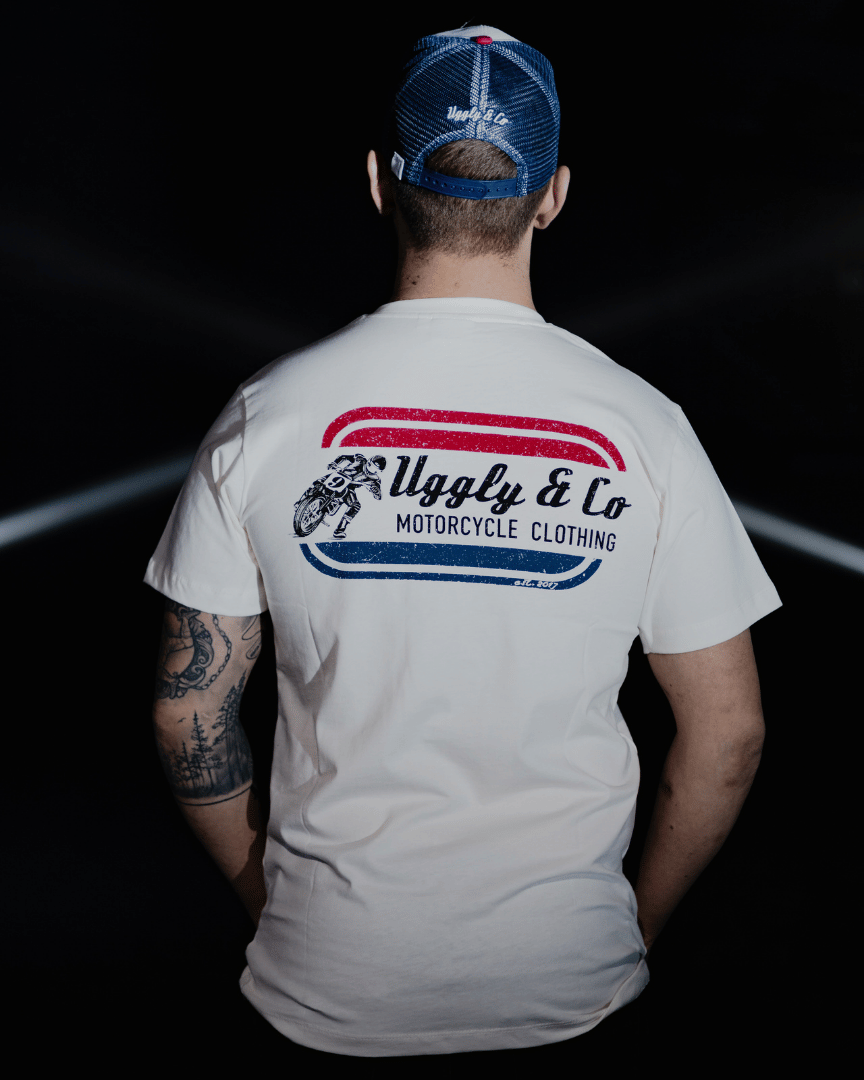
The JAMES HILLIER Racing Tee features a boxy fit made from 100% Airlume combed and ringspun cotton, providing comfort for both casual wear and racing enthusiasts. Designed in collaboration with James Hillier, a seasoned racer with multiple podium finishes, this tee celebrates his legacy in motorsports. It serves as official merchandise for fans looking to support Hillier's racing achievements.
View Product