








Overview
The Isle of Man TT is a historic motorcycle race that has evolved since 1907, showcasing advancements in technology and culture while celebrating the spirit of riders. The article explores the TT's journey through different eras, highlights key technological developments, and discusses its cultural impact. As the event looks to the future, electric motorcycles and innovative technologies may shape the next chapter of this legendary race.
Key Takeaways
- The Isle of Man TT has been a premier motorcycle racing event since its inception in 1907, showcasing the evolution of motorcycle technology and culture.
- The 1930s marked significant advancements in motorcycle design, with manufacturers like AJS and Norton introducing more powerful and aerodynamic models.
- Post-World War II, the TT solidified its status with legendary racers such as Geoff Duke and Mike Hailwood, pushing performance boundaries.
- The 1980s introduced crucial safety measures, including improved helmet designs and protective gear, as speeds continued to rise.
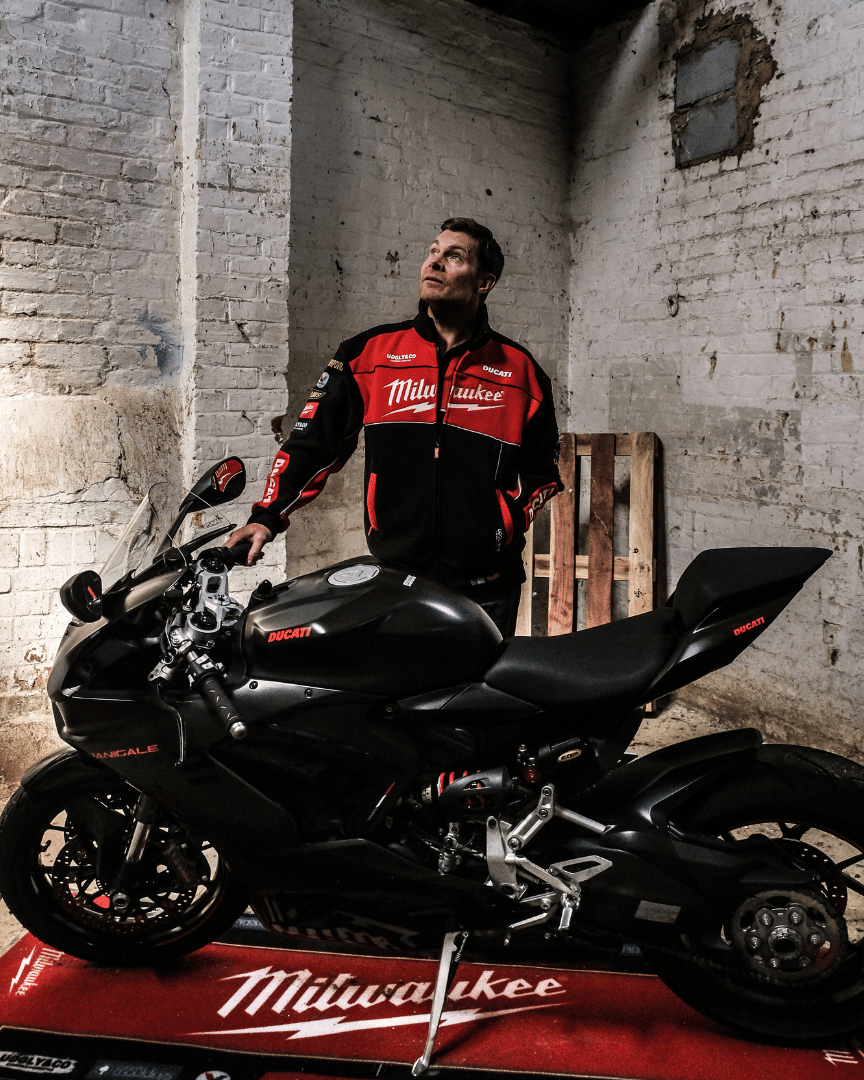
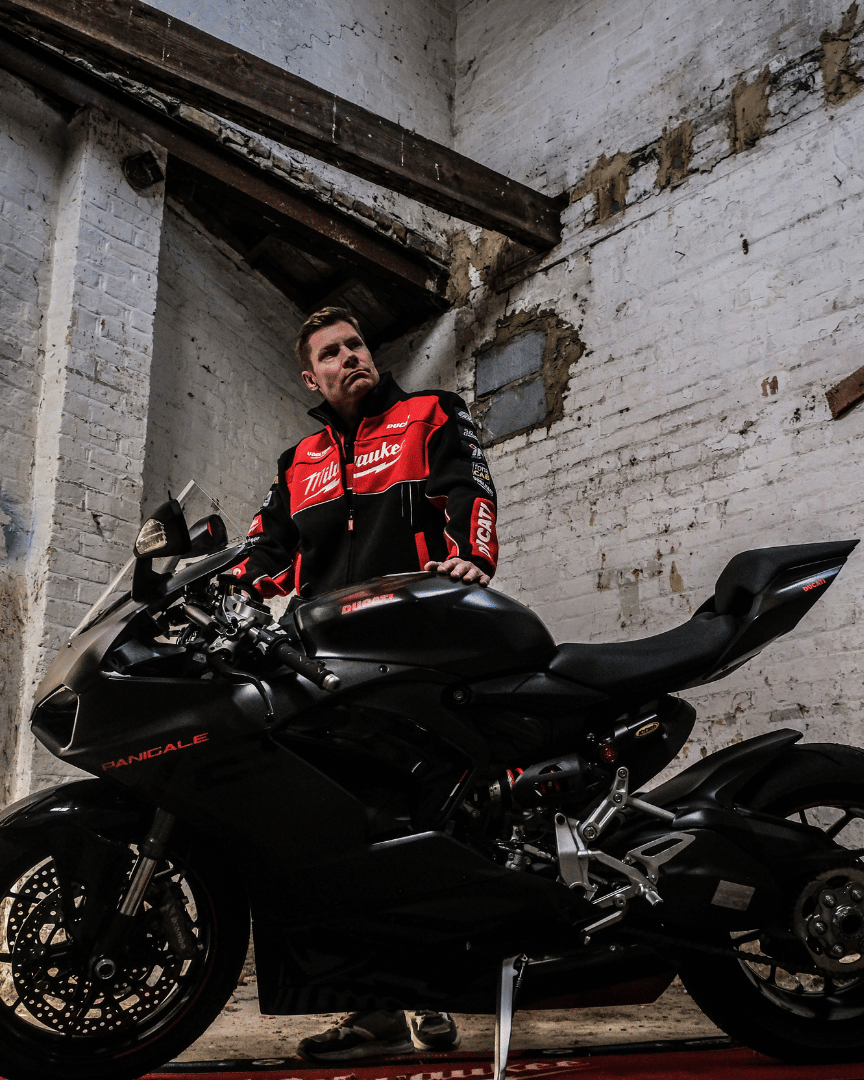
- Modern motorcycles, such as the Kawasaki ZX-10R and Ducati Panigale V4, exemplify cutting-edge technology and performance, reaching top speeds of over 200 mph.
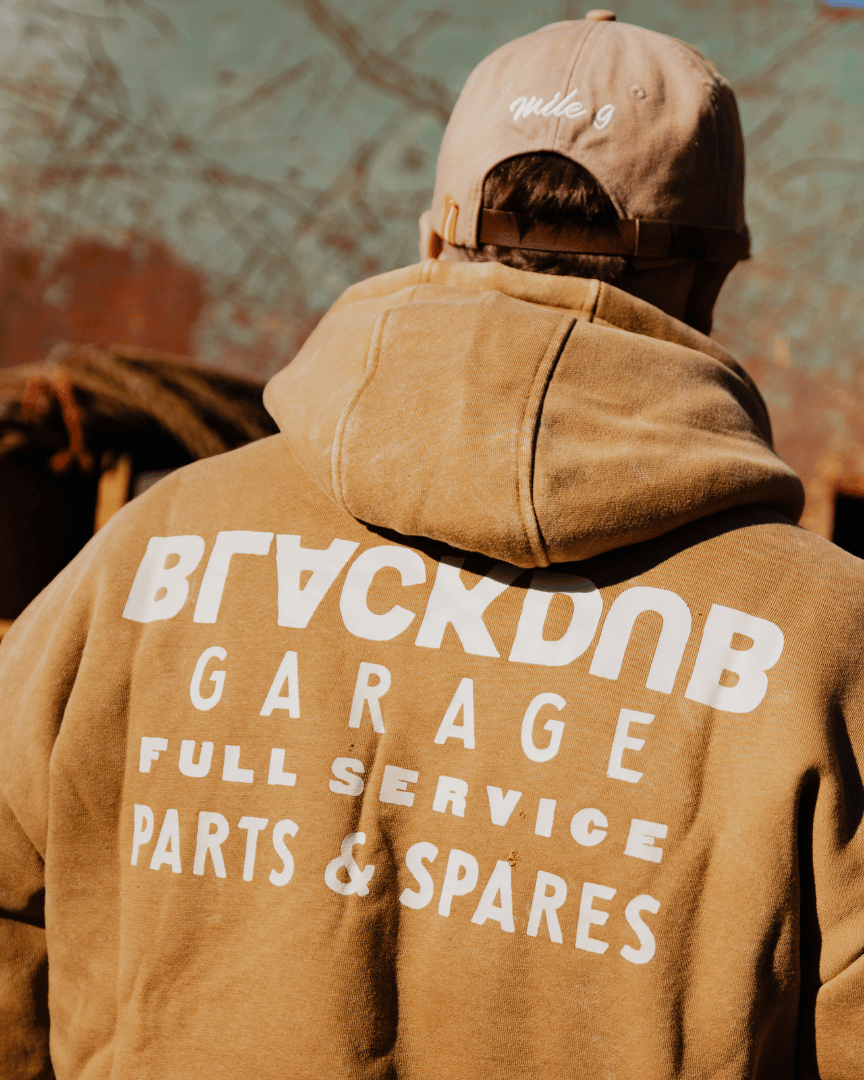
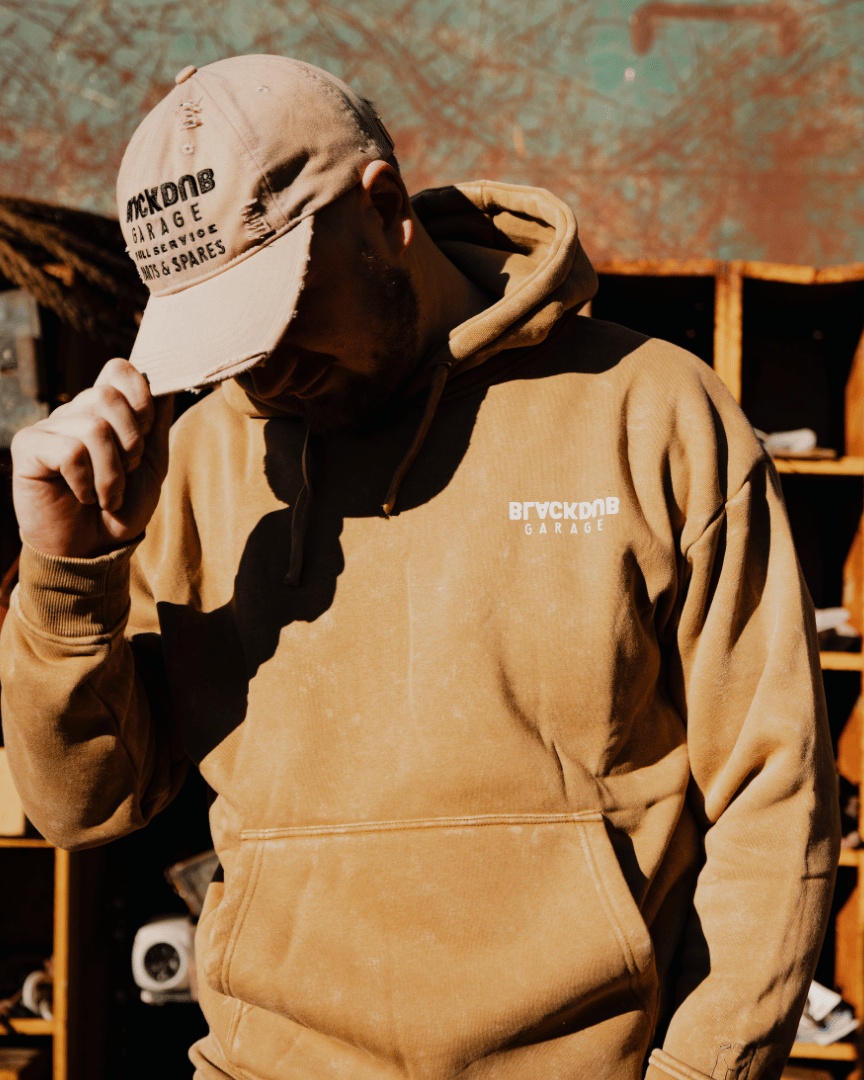
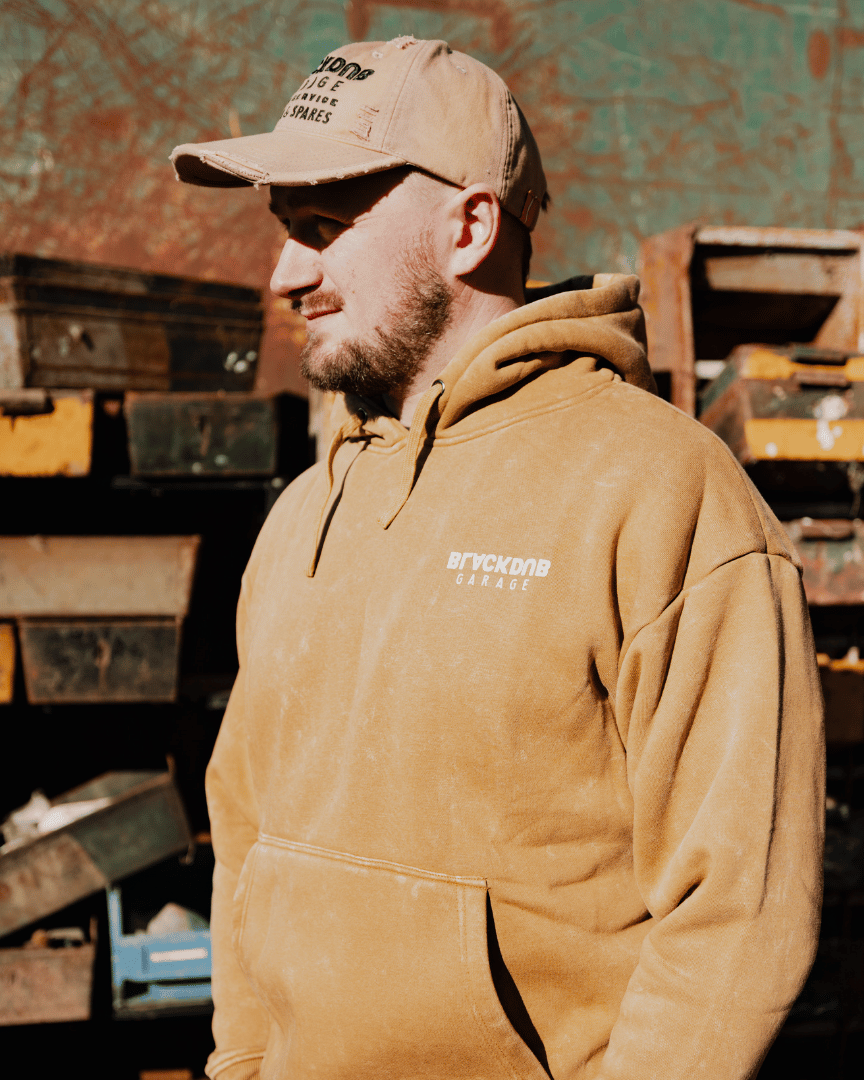
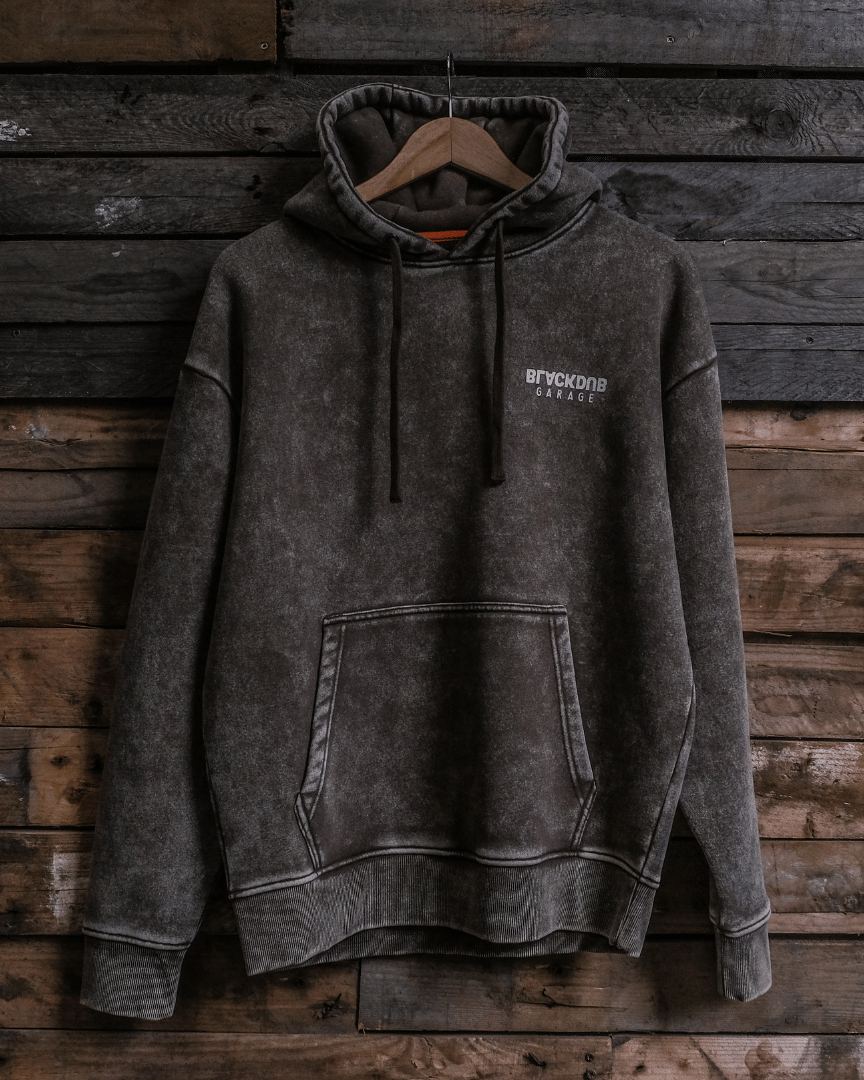
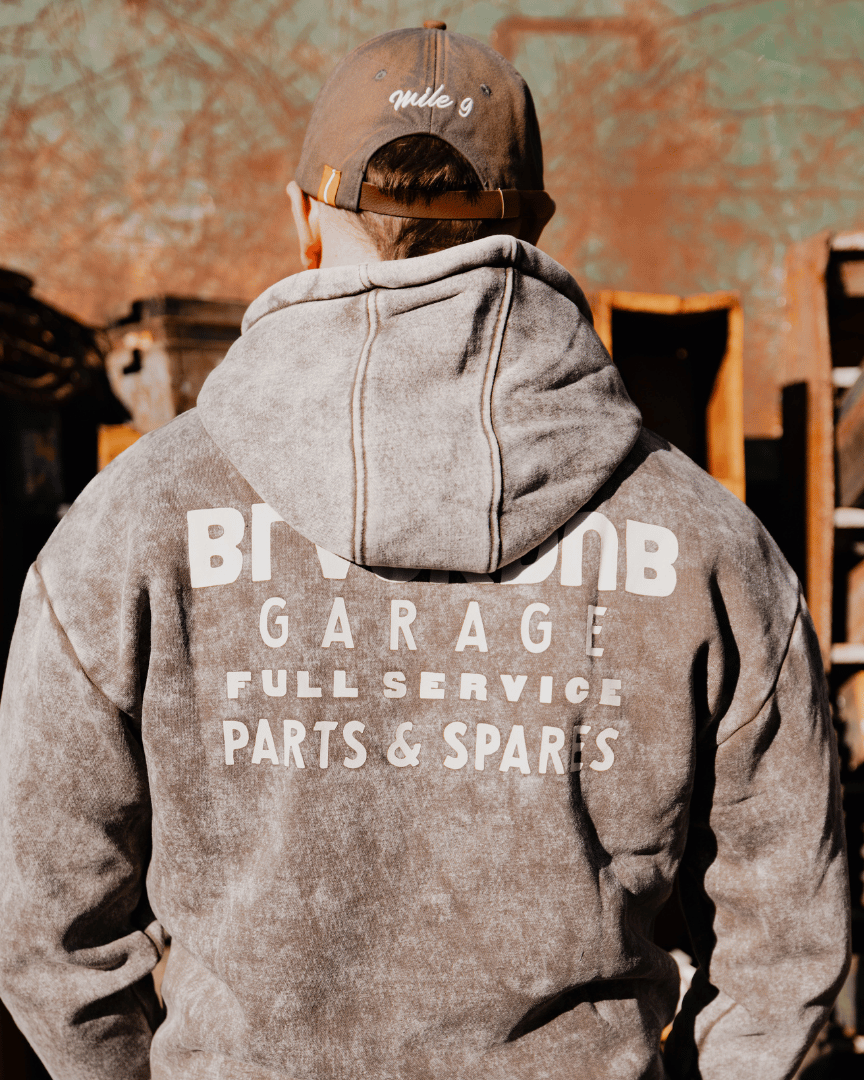
- The TT has a profound cultural impact, uniting motorcycle enthusiasts globally and inspiring fashion trends like "garage inspired clothing."
- Looking ahead, the integration of electric motorcycles and advanced technology is set to shape the future of the TT, promoting sustainability without sacrificing performance.
Frequently Asked Questions
1. What is the Isle of Man TT?
2. Who won the first Isle of Man TT race?
3. What significant advancements occurred in motorcycle technology during the 1930s?
4. How did the safety measures evolve in the Isle of Man TT?
5. What is the future of motorcycles at the Isle of Man TT?
The Isle of Man Tourist Trophy (TT) is more than just a race; it’s a celebration of motorcycle evolution, passion, and the undying spirit of riders. Since 1907, the TT has showcased the cutting-edge advancements and thrilling spectacles that motorcycles have to offer, turning the quiet roads of the Isle of Man into a high-octane theatre of speed. In this article, we will delve into the fascinating journey of motorcycles within the TT, exploring their evolution, technological advancements, and cultural impact. Buckle up as we take you on this exhilarating ride!
The Early Years: 1907-1920s
The inaugural Isle of Man TT race took place in 1907 and has since been held annually, barring the interruptions caused by both World Wars. The early motorcycles were rudimentary at best, often resembling bicycles with engines. The bikes generally had small engines and limited tech, reflecting the era’s innovation levels.
Competitors such as Charlie Collier, who won the first TT on a Matchless, laid the groundwork for future races. The sheer bravery and skills showcased during these early races set a precedent for motorcycle racing that persists to this day. After all, riding at speeds of 40 mph on poorly defined roads required immense courage!
The Triumph of the 1930s
The 1930s saw significant advancements in motorcycle technology. During this era, the races witnessed the emergence of iconic manufacturers like AJS, Norton, and BMW. Motorcycles became more powerful and sophisticated, equipped with improved aerodynamics and better handling.
Racers started using lightweight frames and better tyres, allowing for increased speeds, with some models even reaching over 80 mph. The introduction of innovations like the swinging arm suspension significantly changed how motorcycles performed on the notorious bends of the TT course.
Post-War Era: 1940s-1960s
After World War II, the Isle of Man TT regained its position as one of the most prestigious motorcycle races in the world. This era brought with it fierce competition and some of the most legendary figures in motorcycle racing history, including Geoff Duke and Mike Hailwood.
Technological advancements led to the birth of motorcycles that further pushed performance boundaries. The introduction of larger, more powerful engines saw race speeds dramatically increase. This was a golden age of motorcycling, where the sport brought communities together, fostering a culture of camaraderie and tradition among riders.
The 1970s-1980s: A New Wave
The late 20th century marked a transformative period for the Isle of Man TT and motorcycles in general. Manufacturers like Yamaha, Suzuki, and Kawasaki revolutionised the motorcycle industry by introducing more powerful two-stroke engines, which dominated the racetrack. These motorcycles were quicker off the line than many riders could handle.
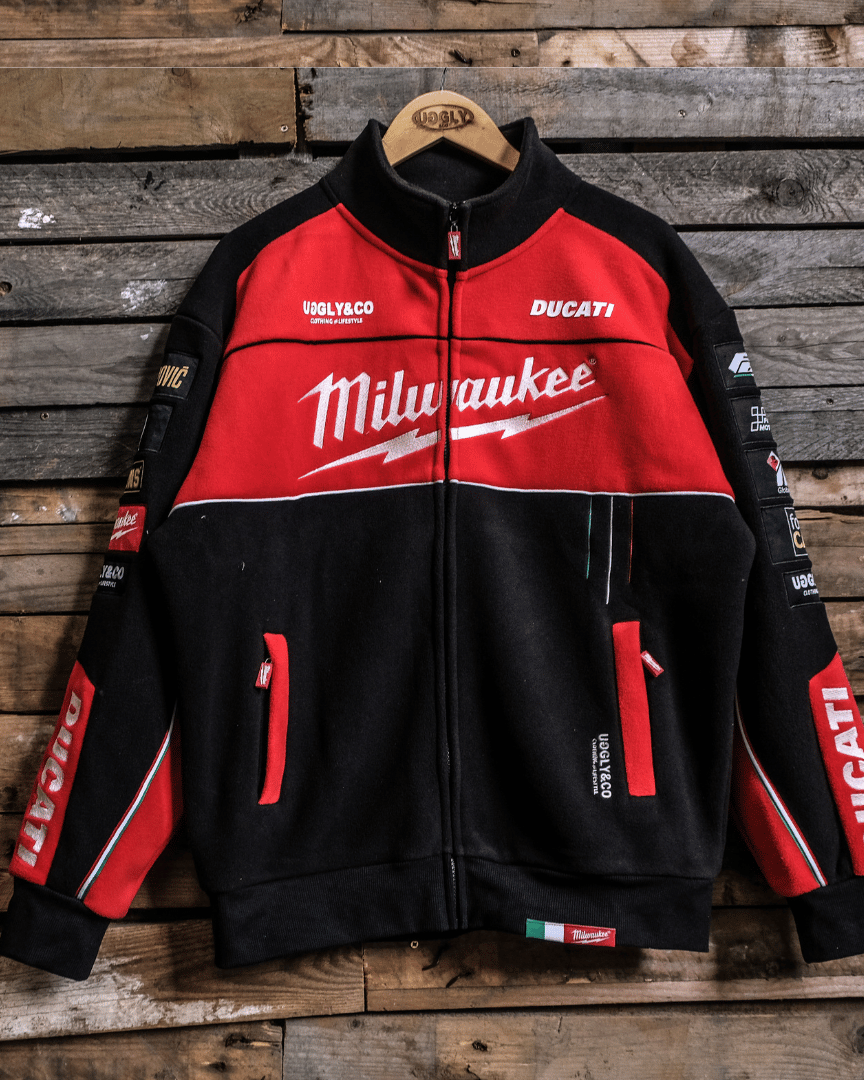
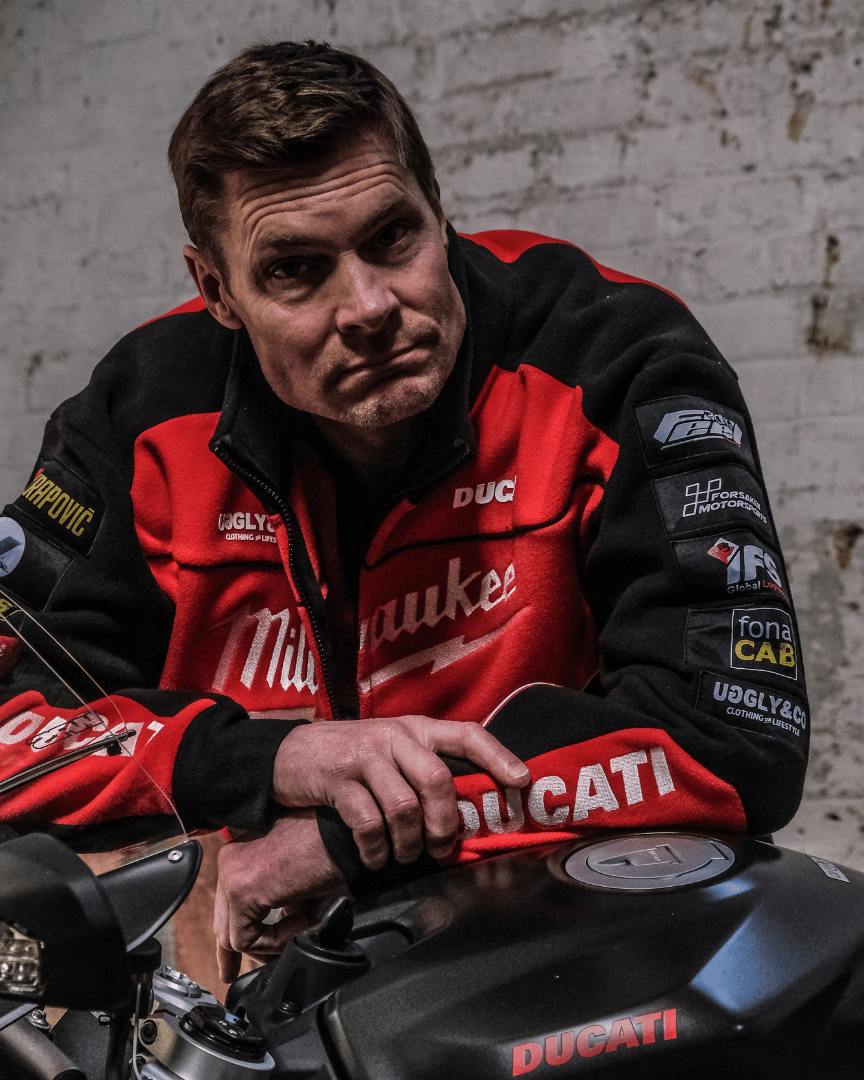
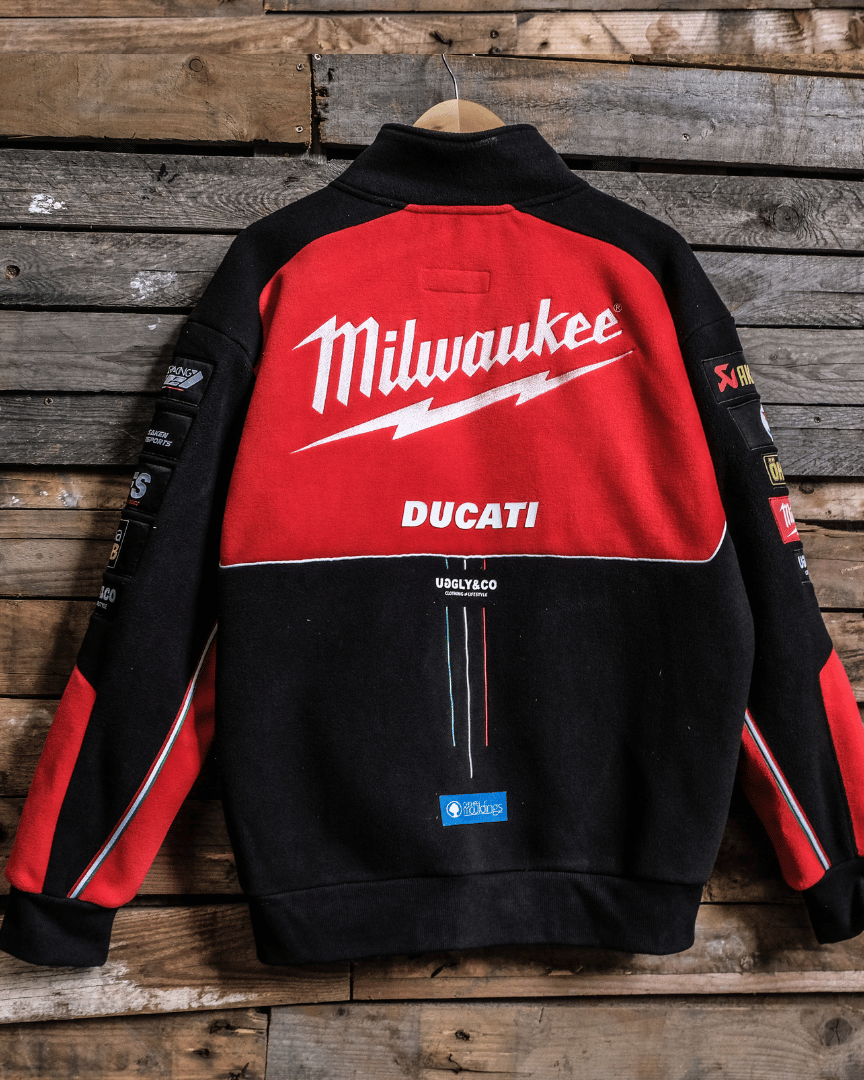
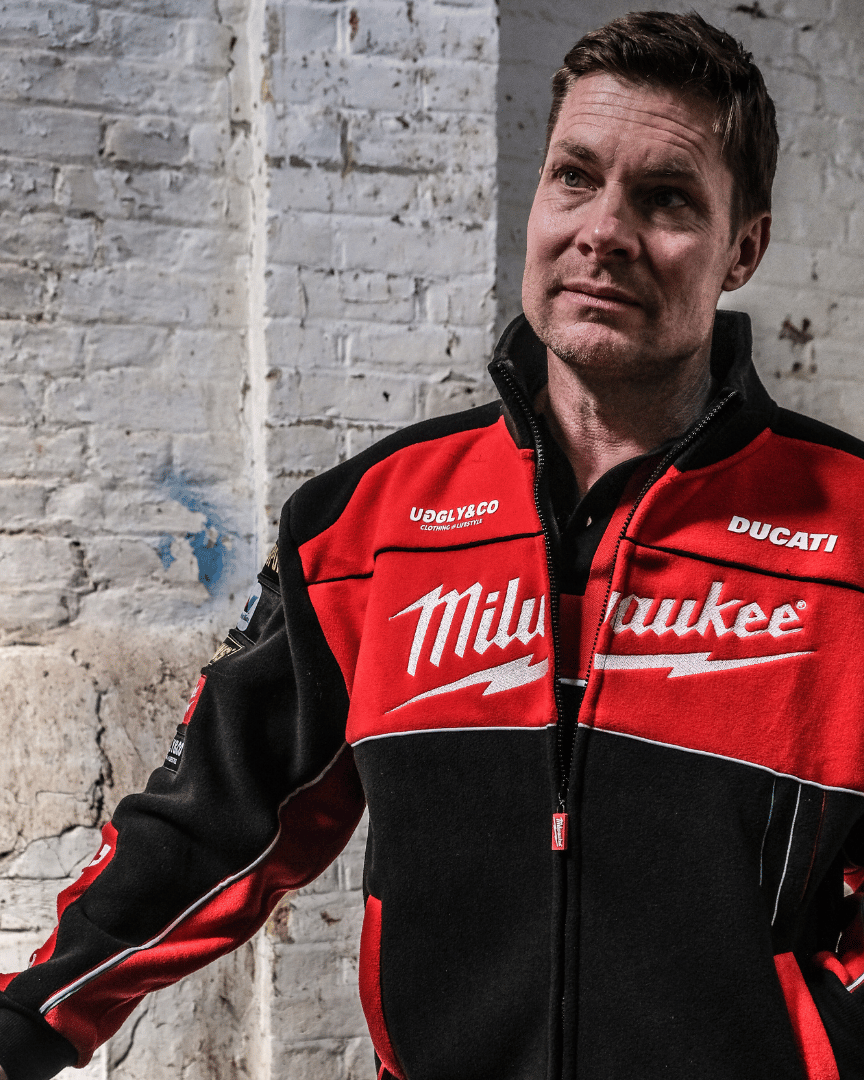
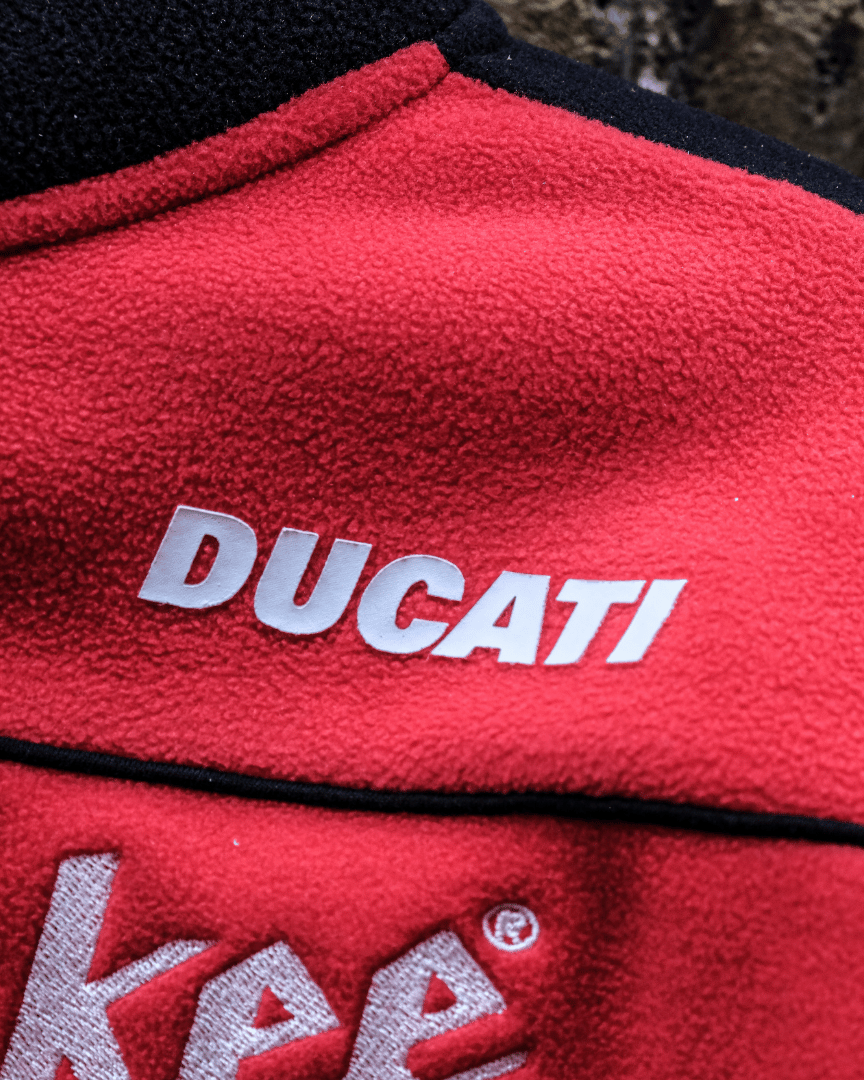
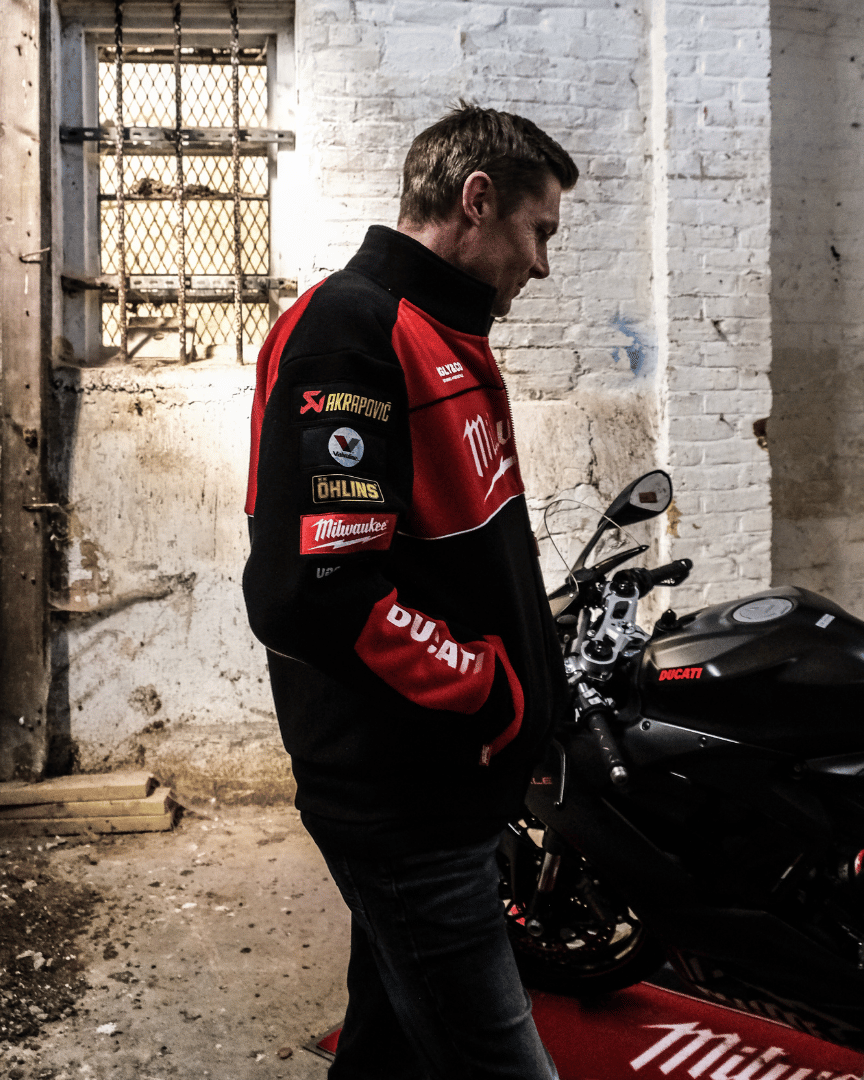
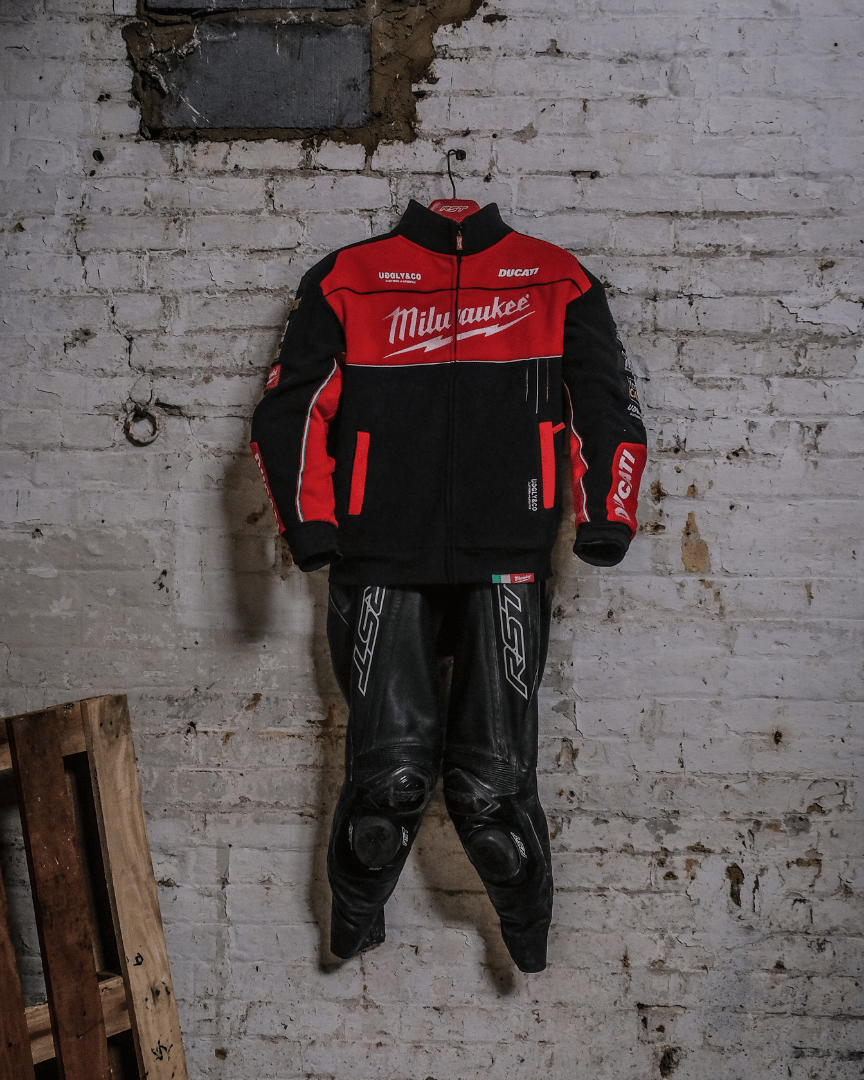
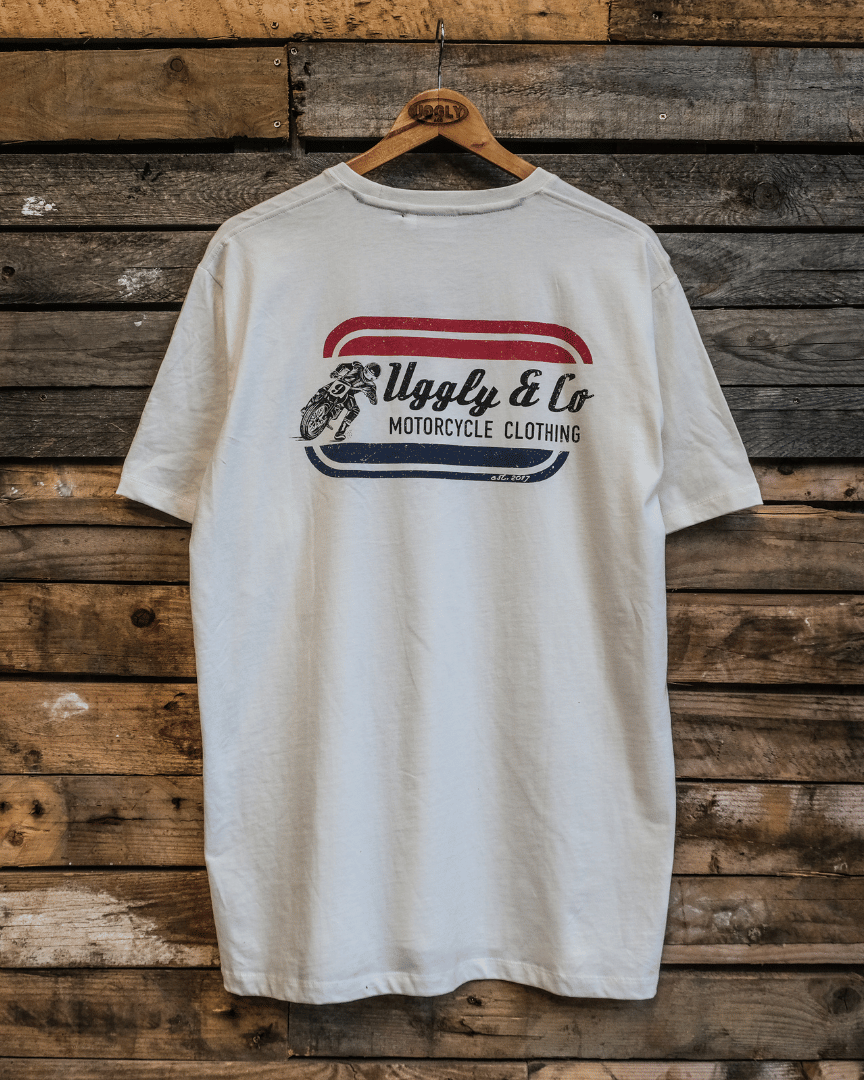
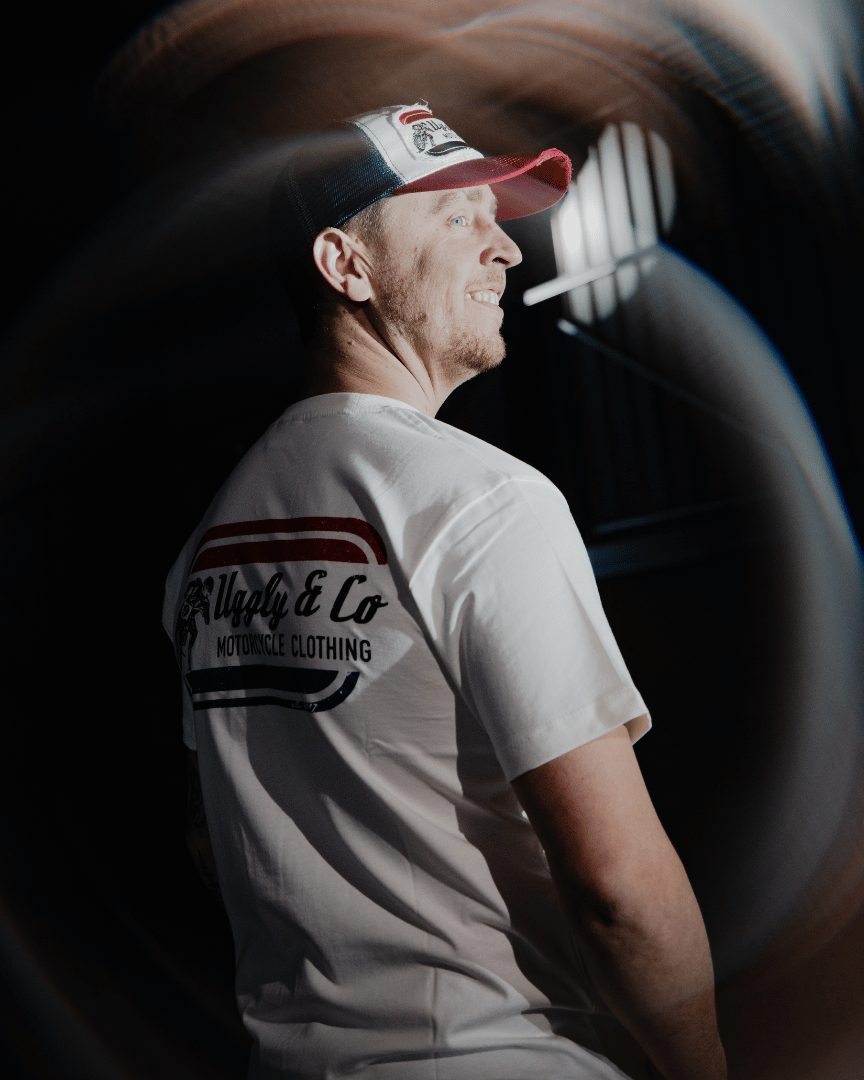
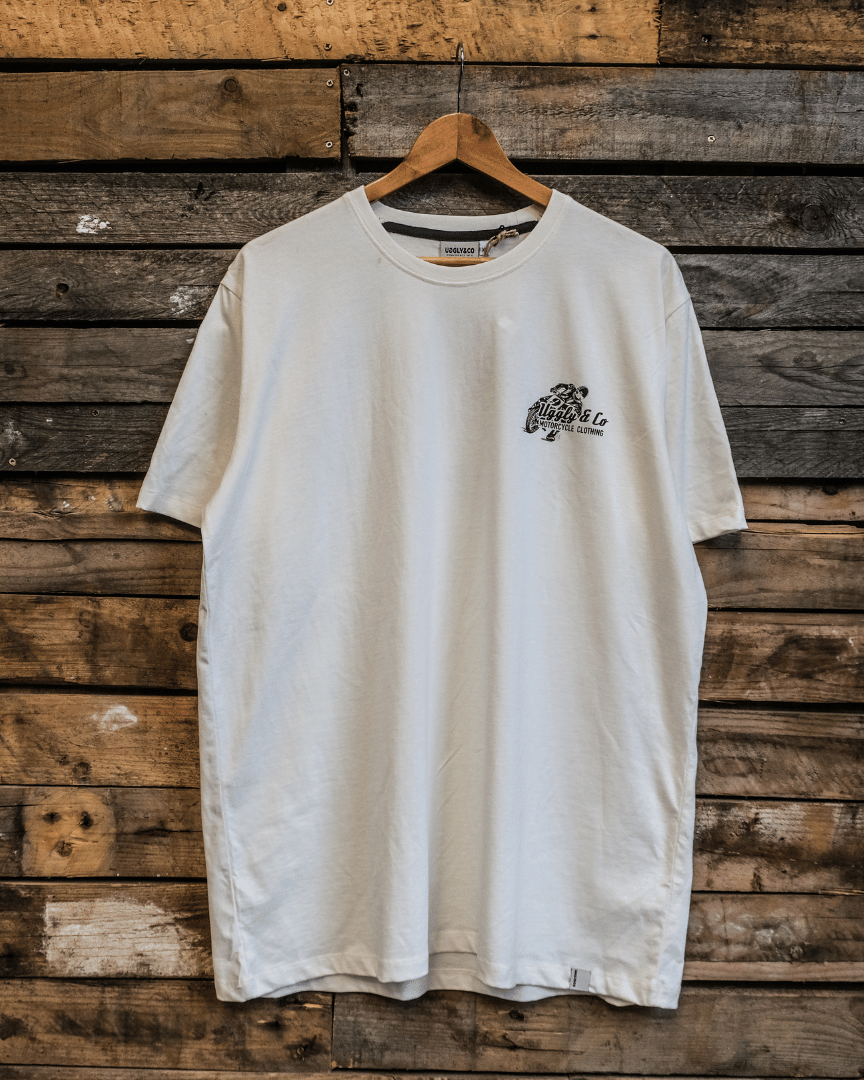
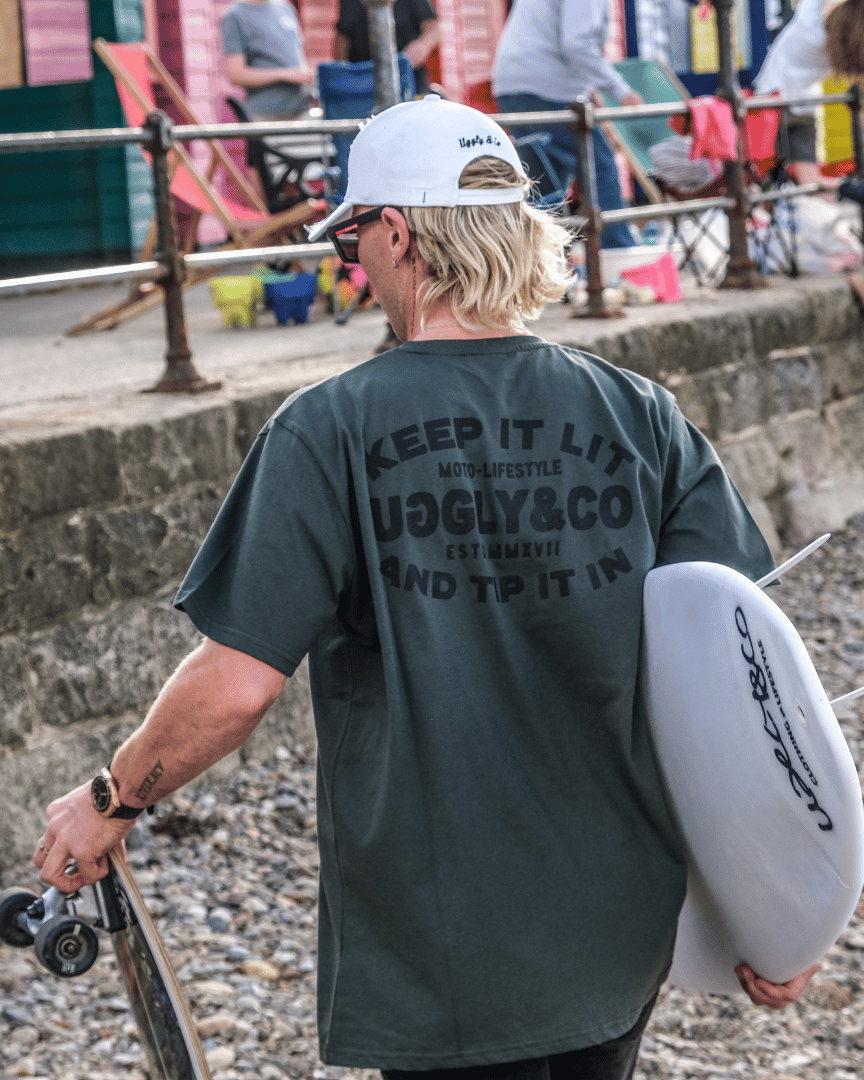
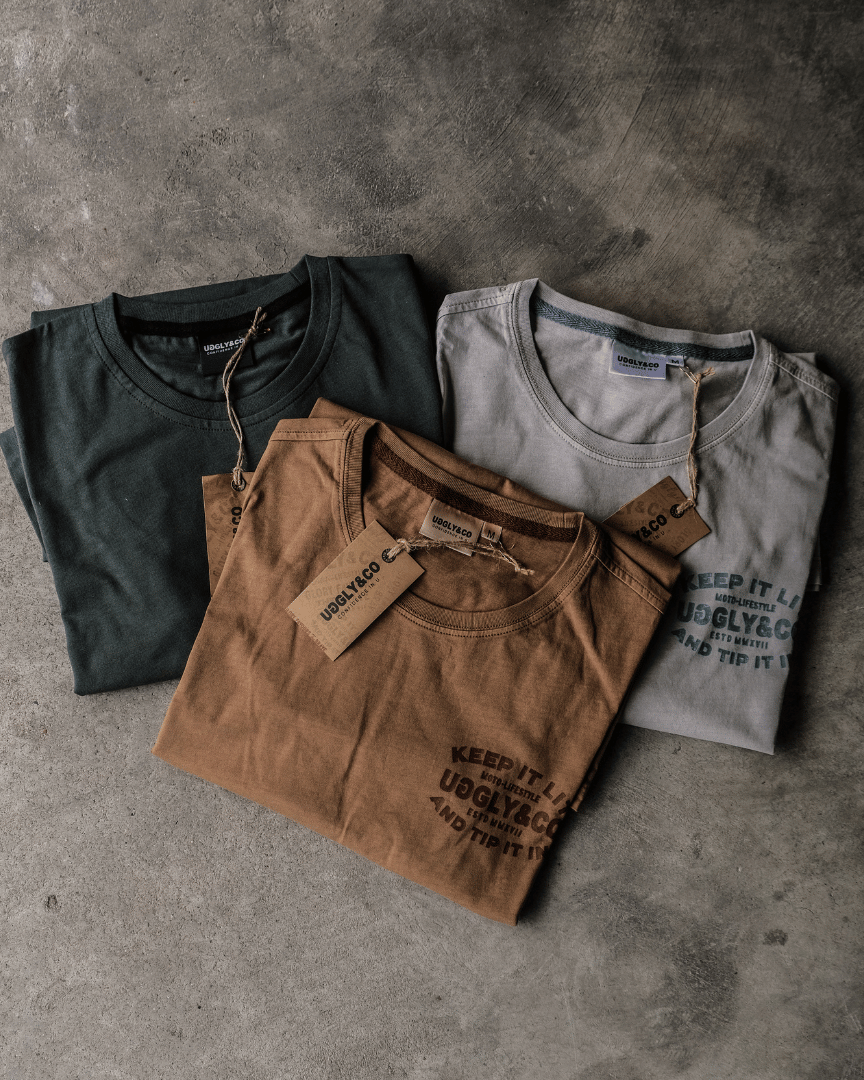
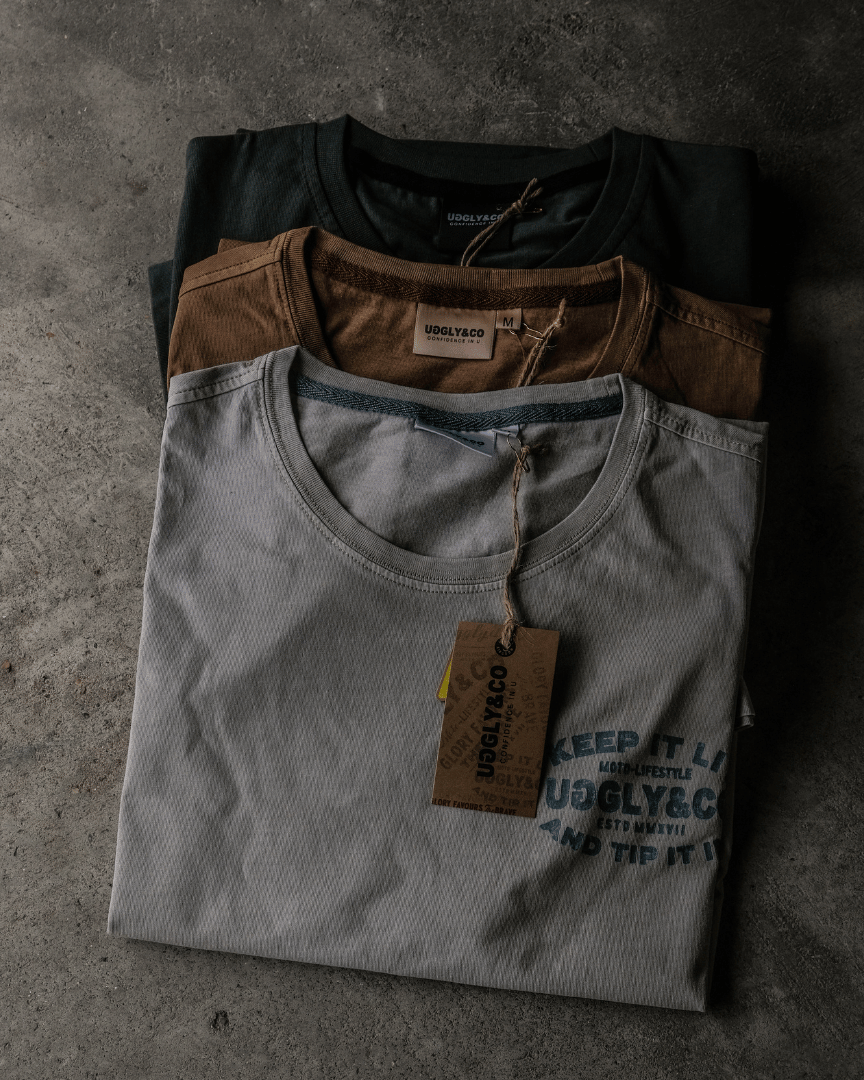
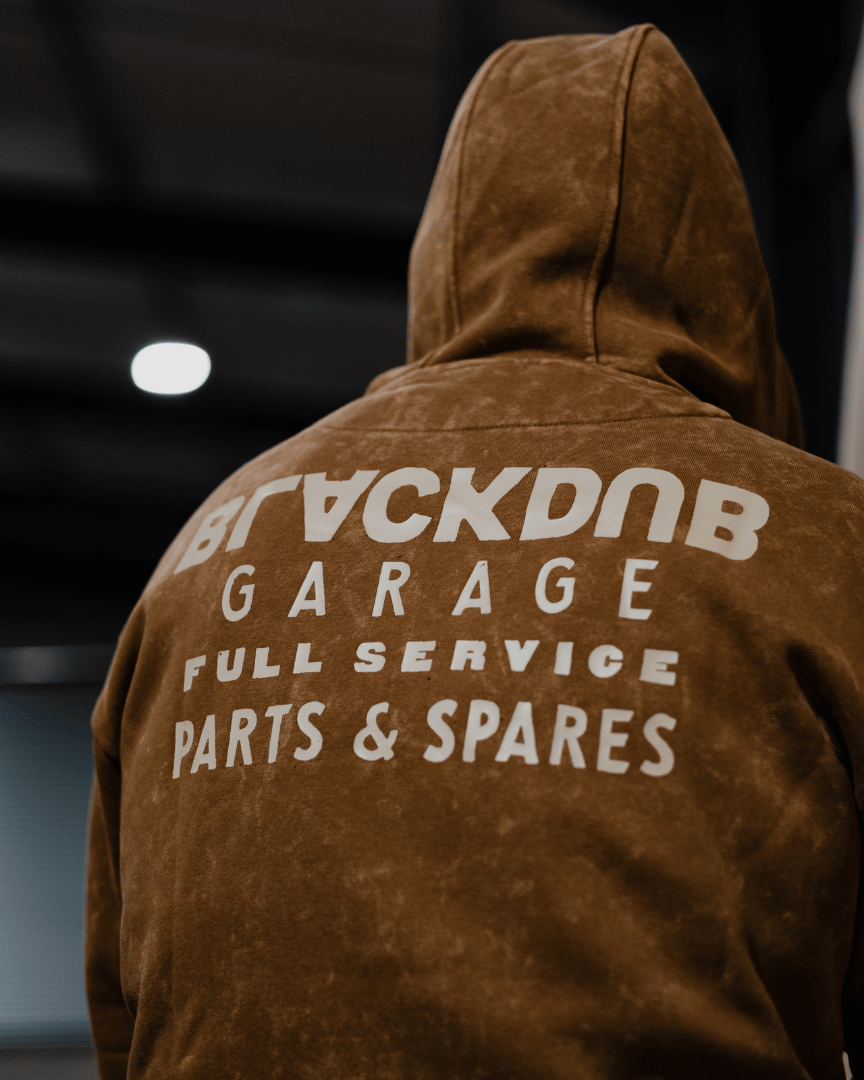
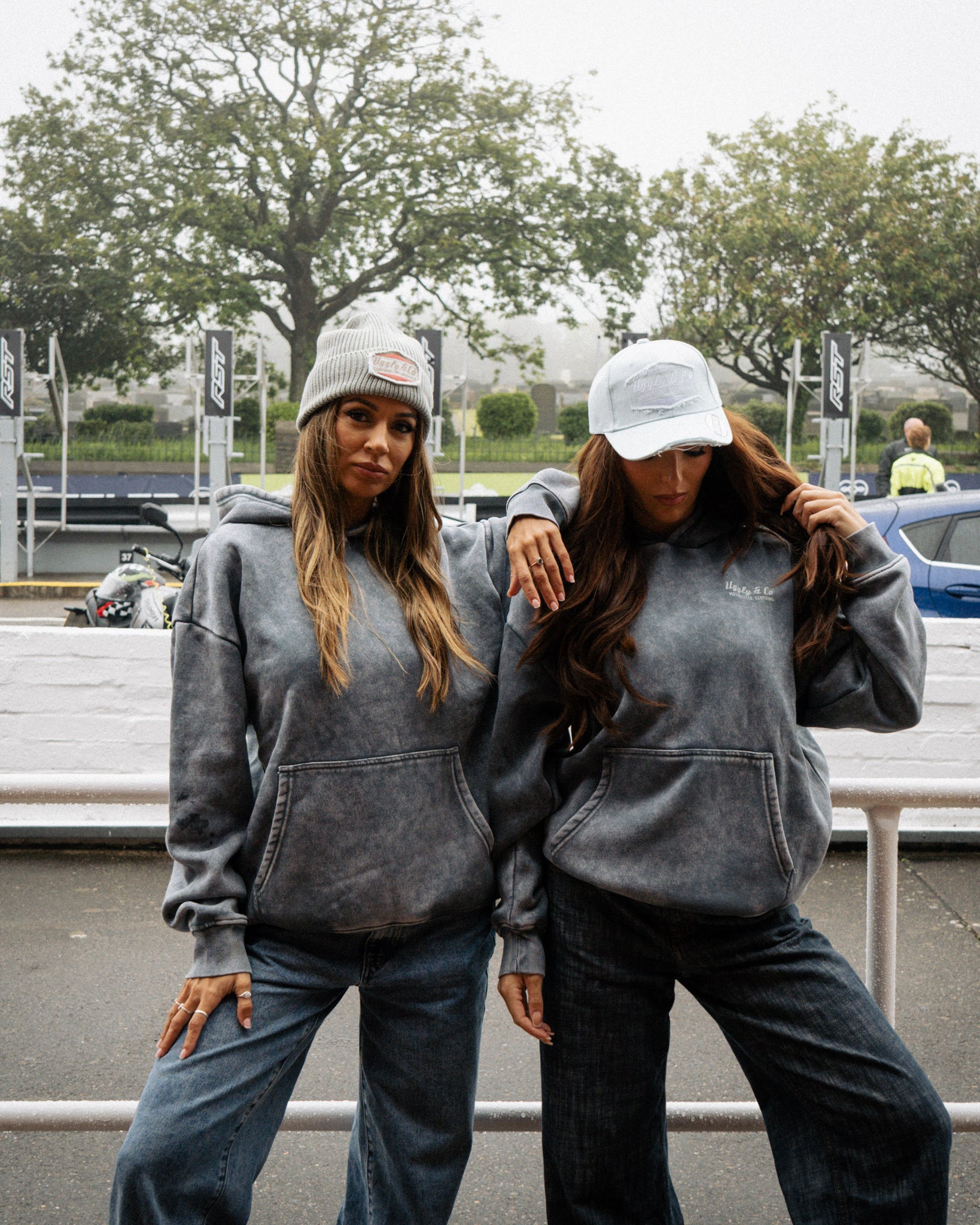
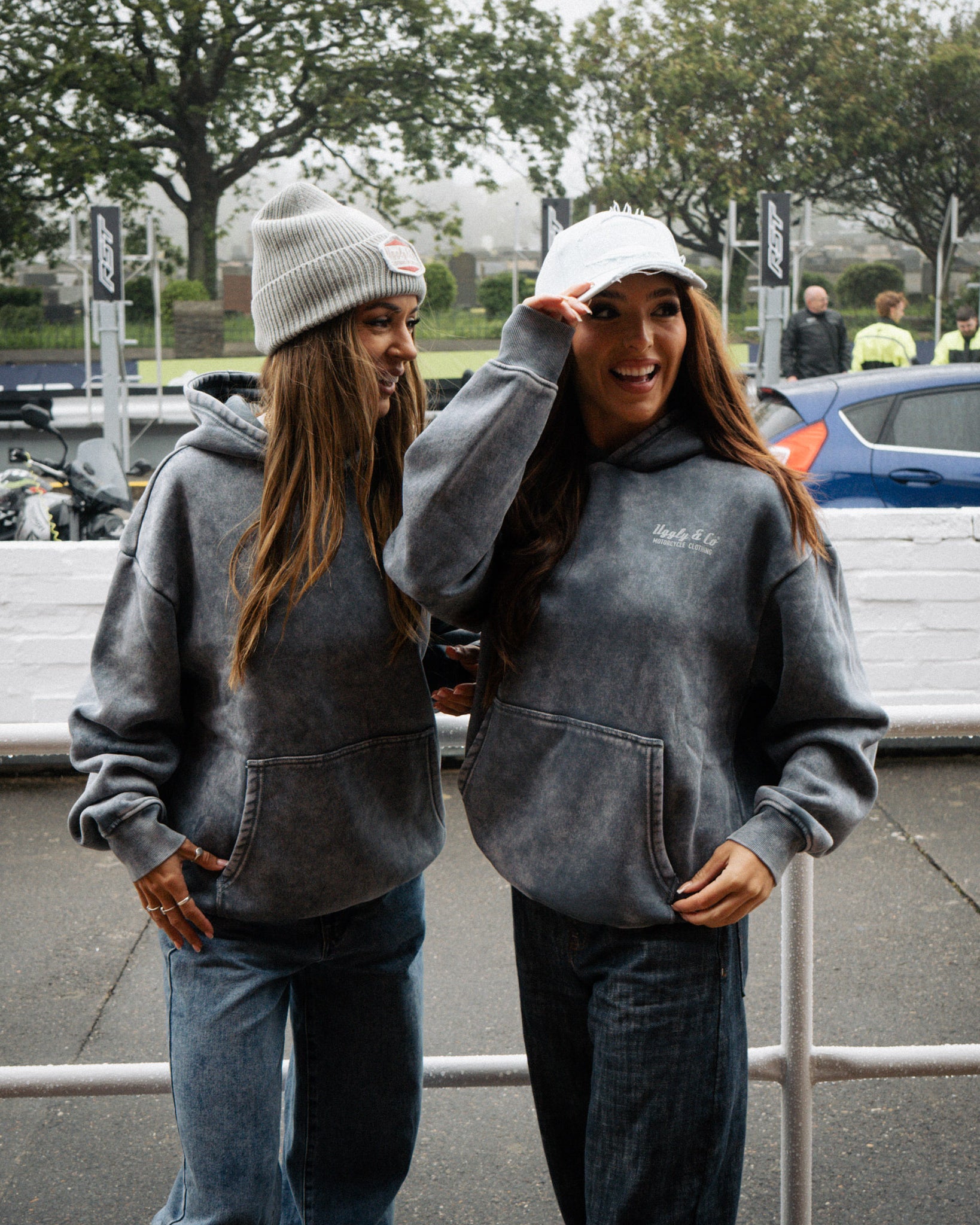
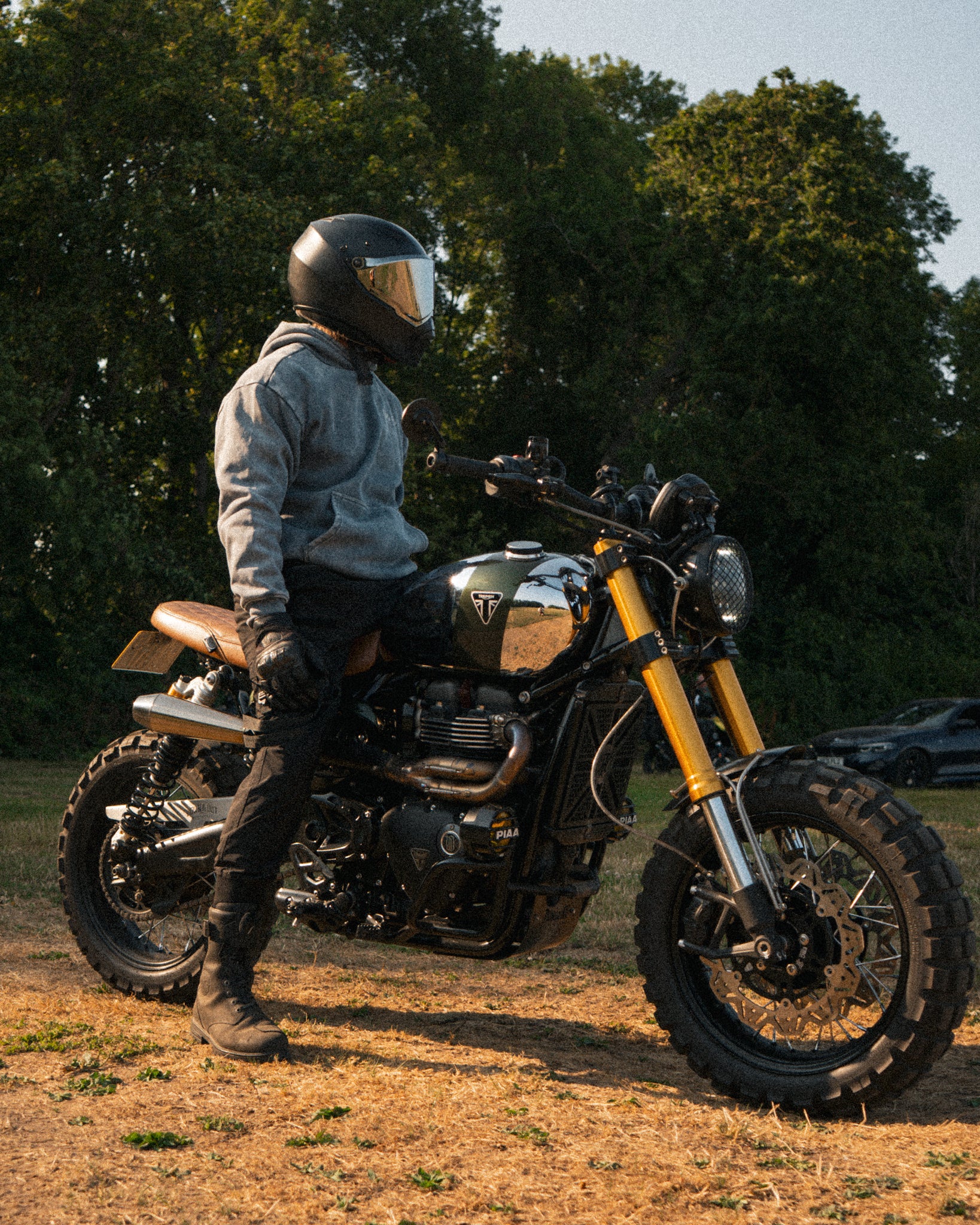
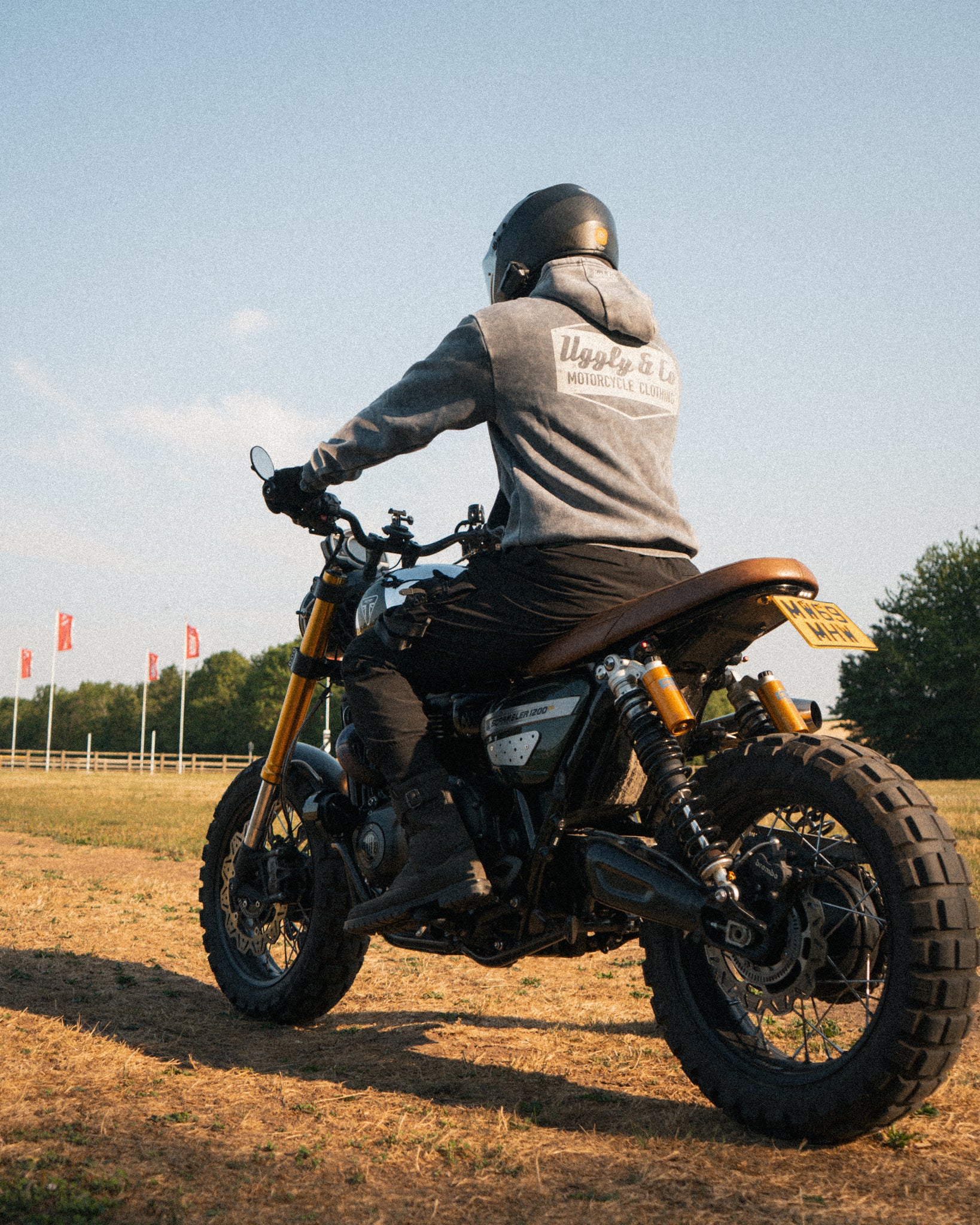
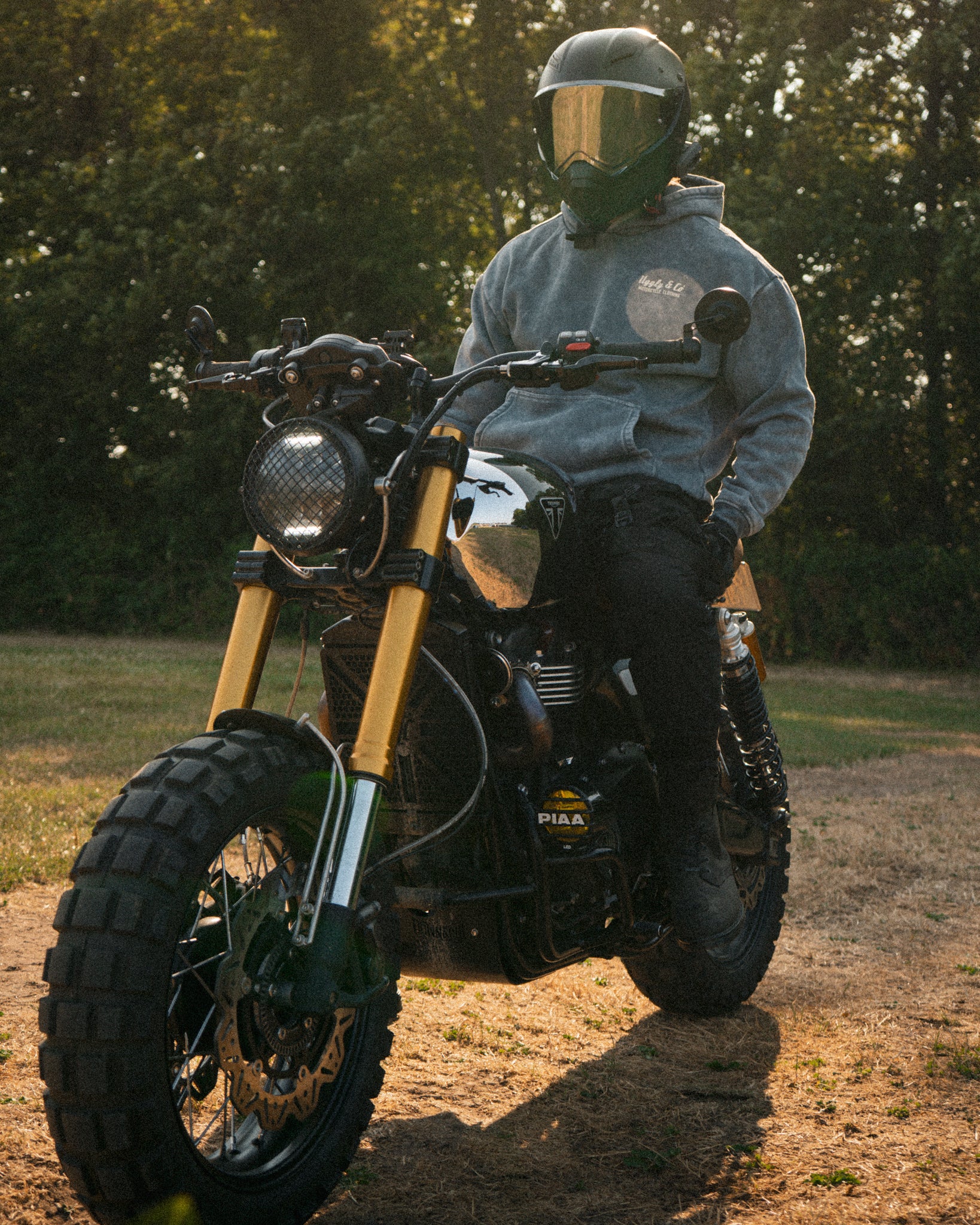
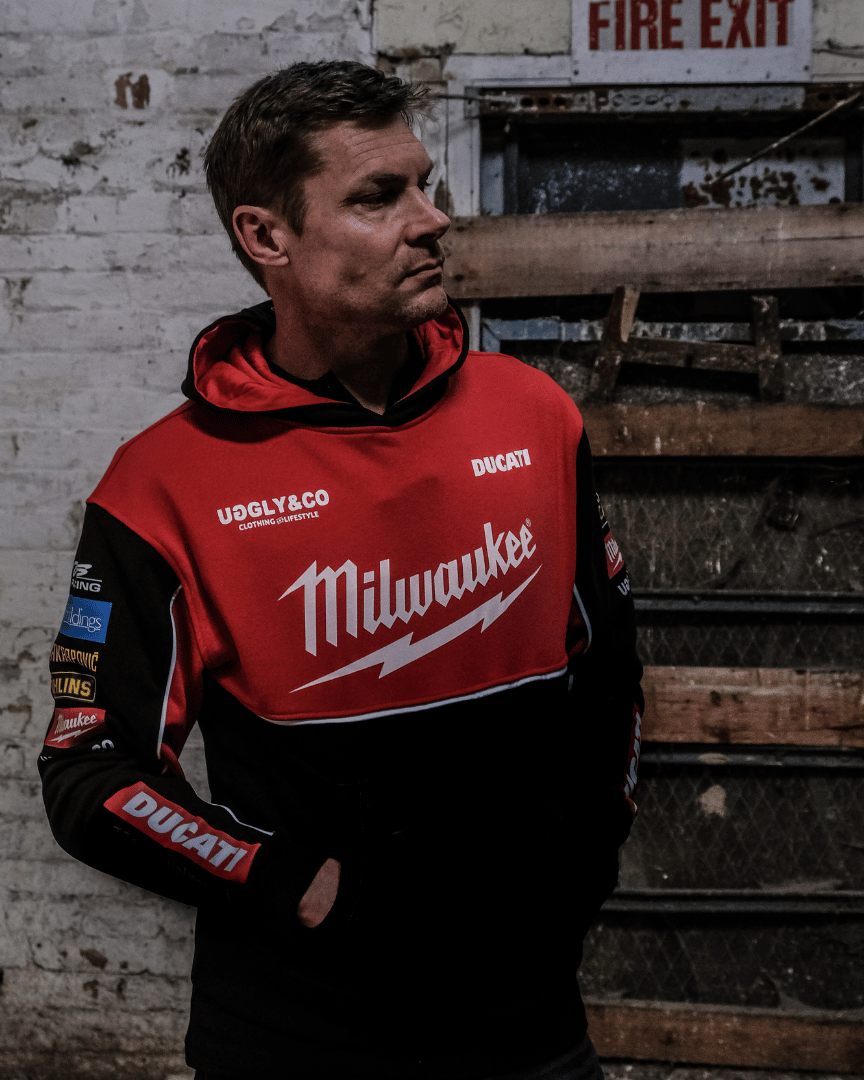
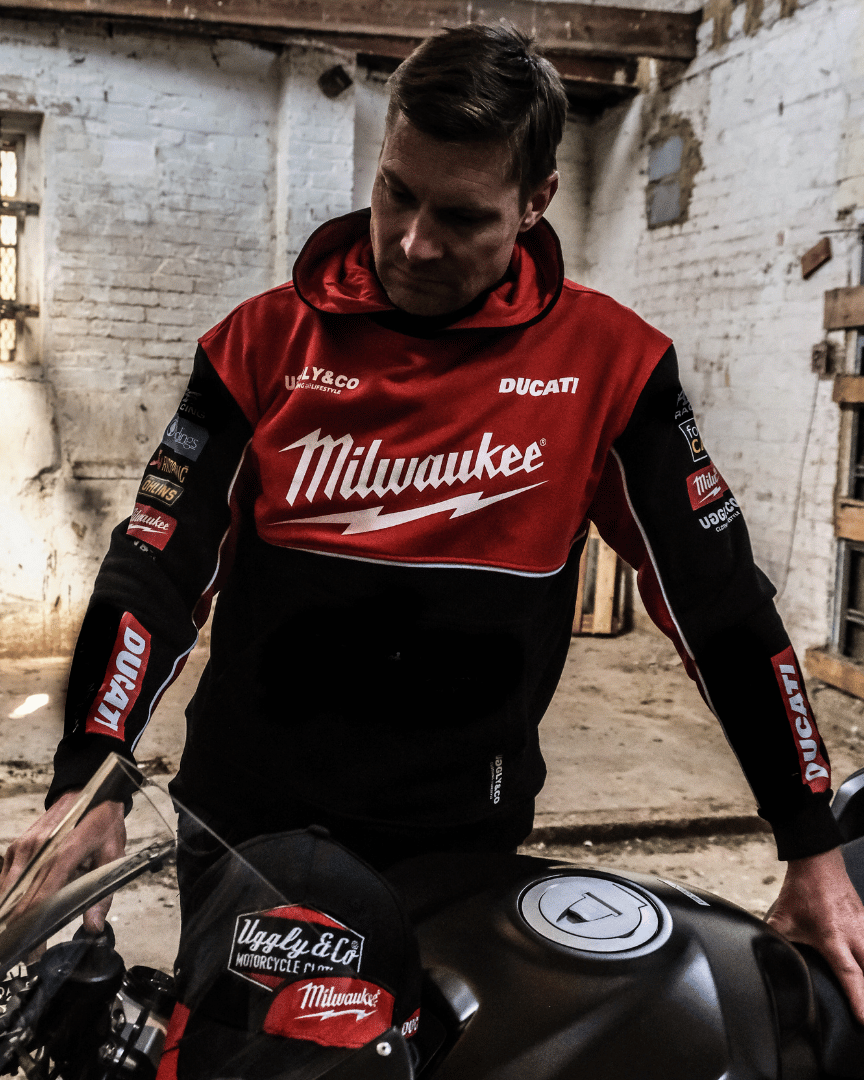
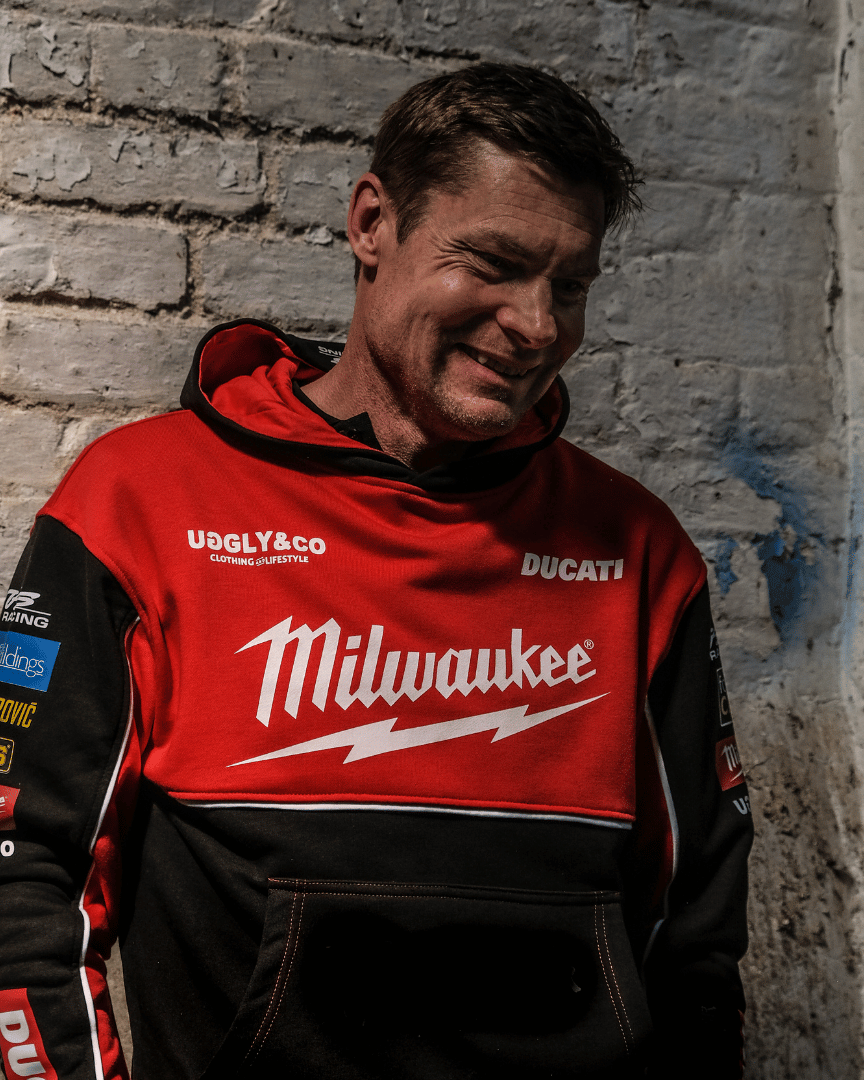
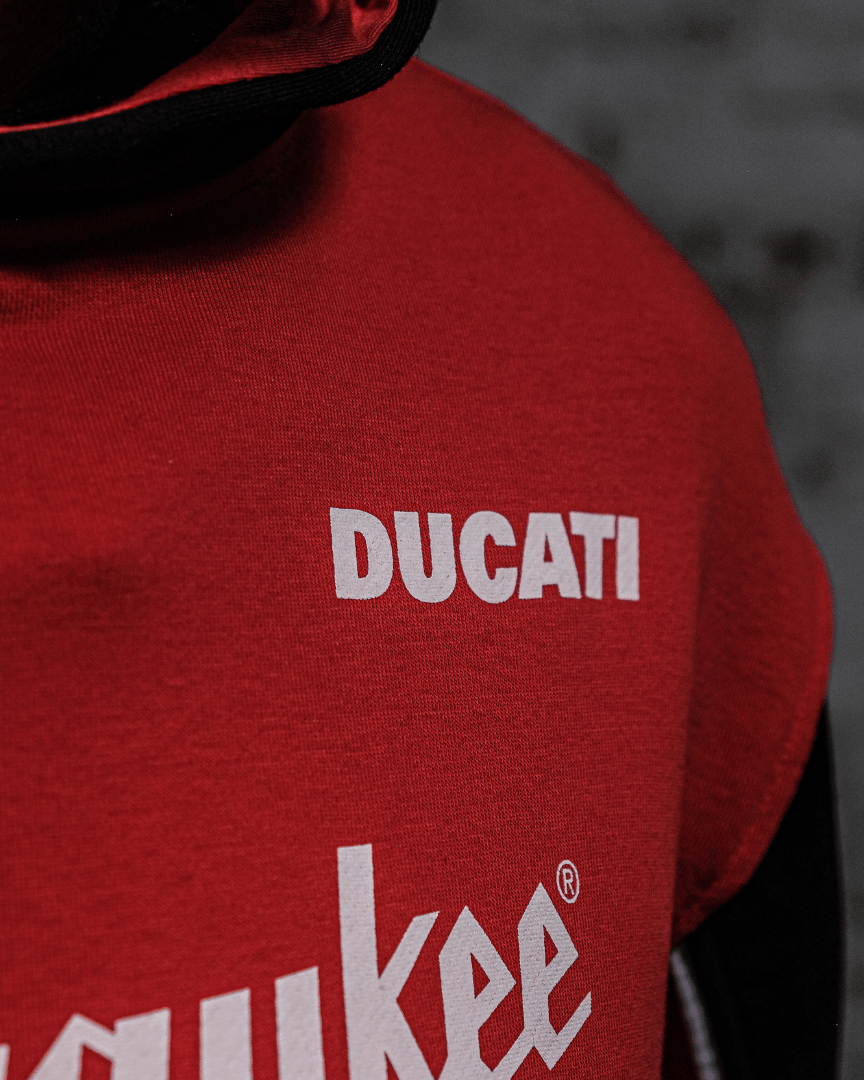
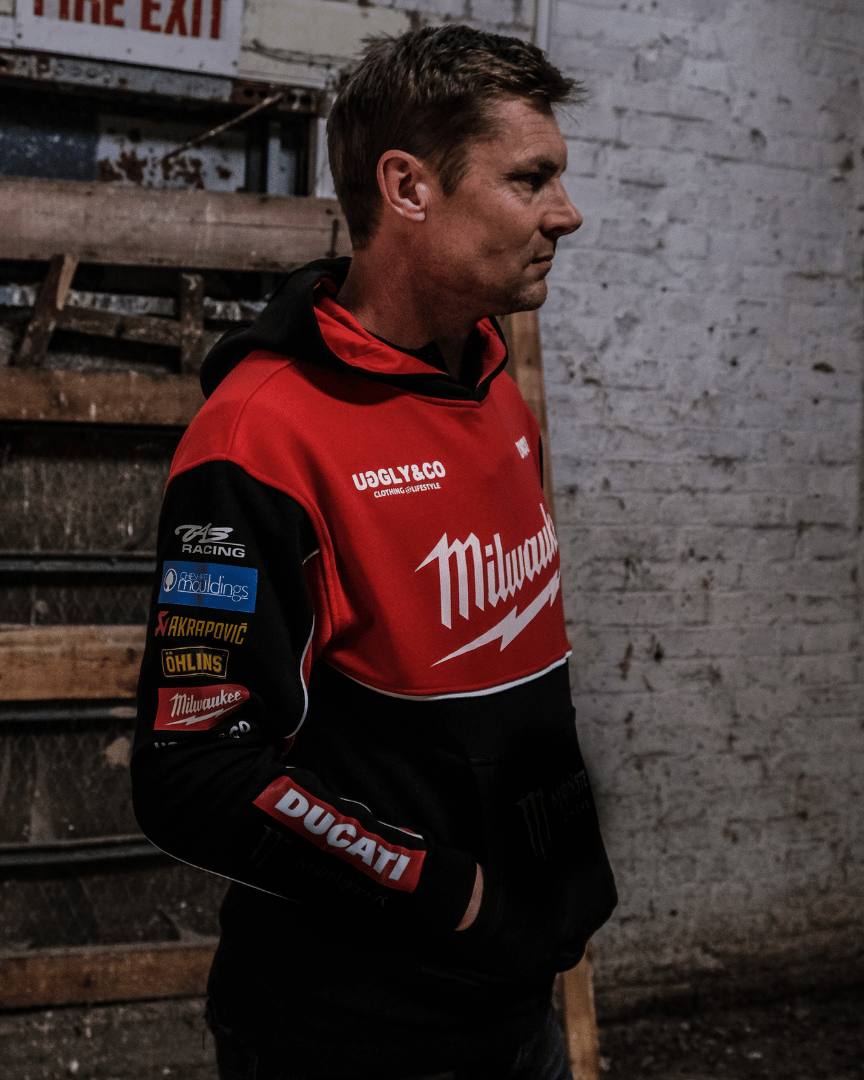
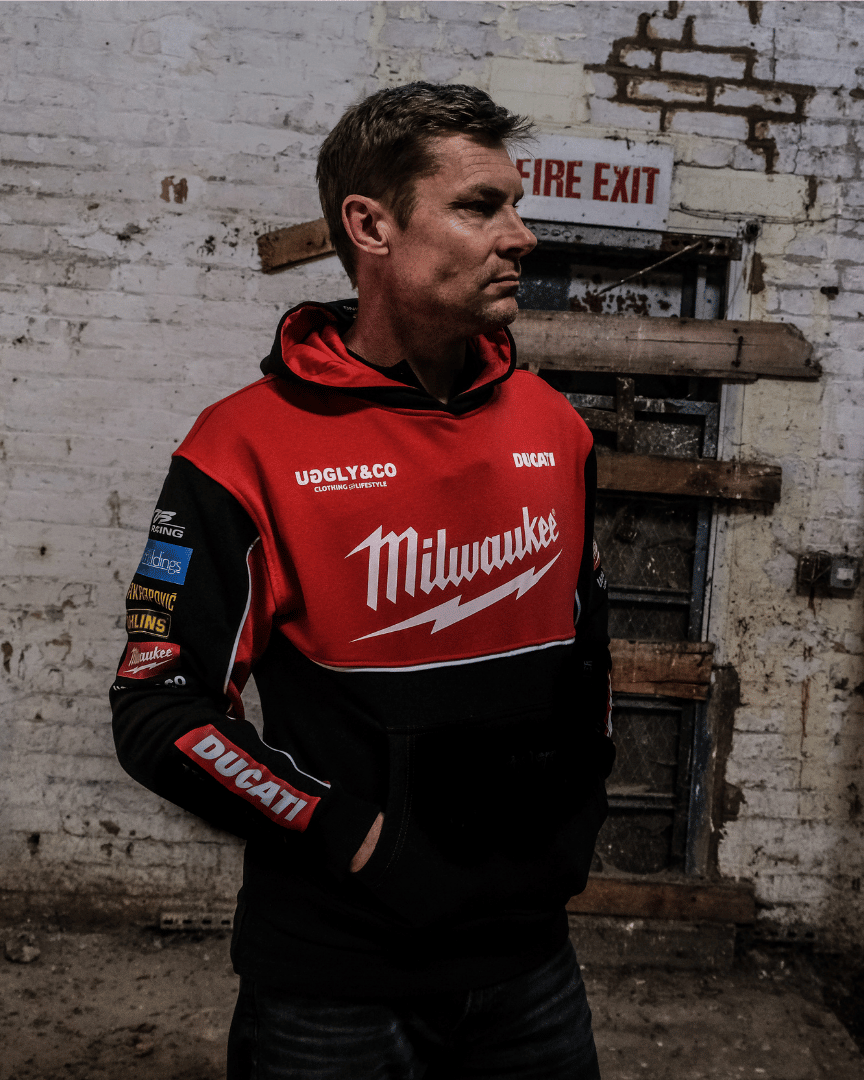
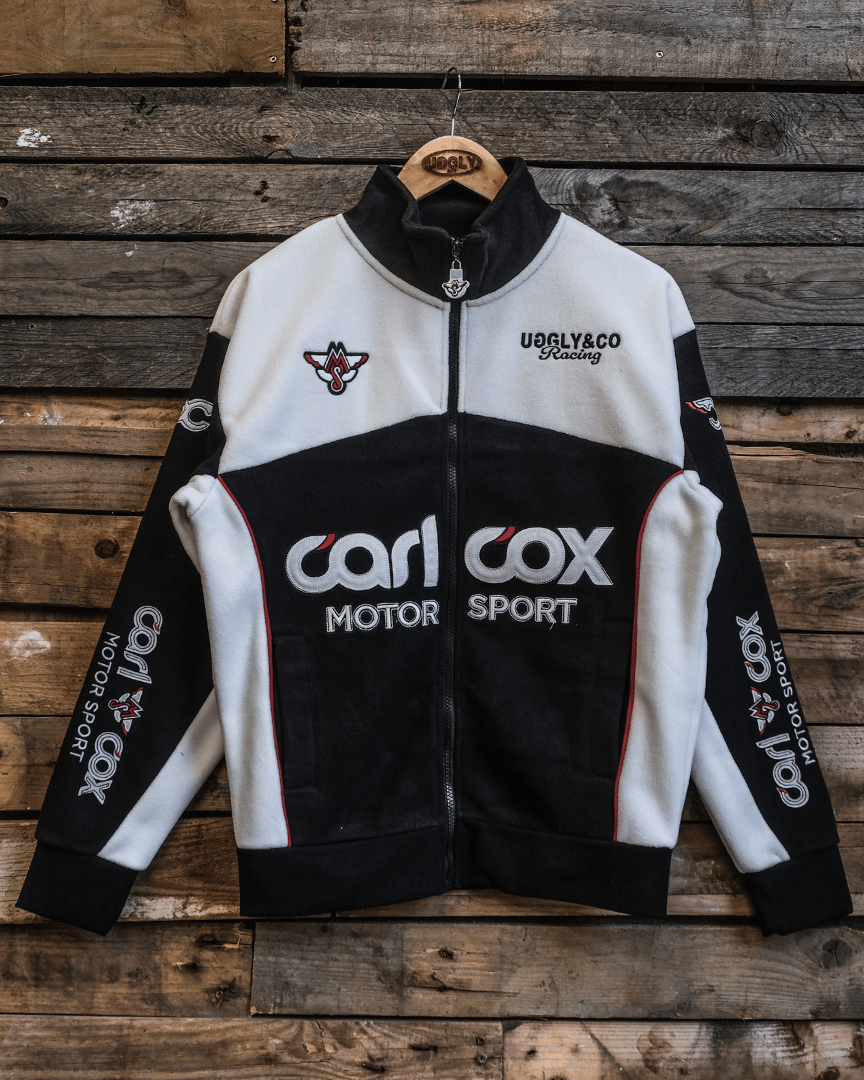
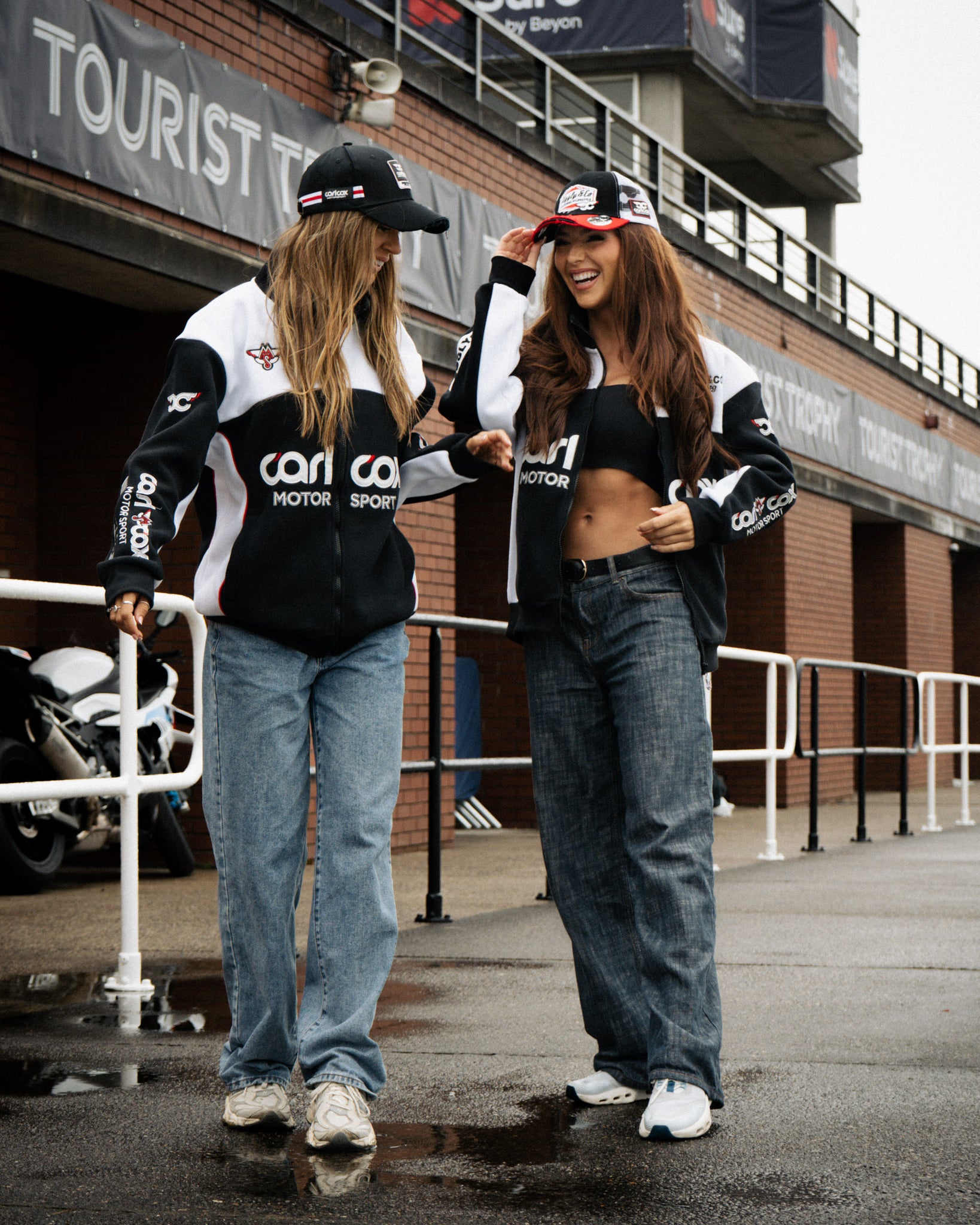
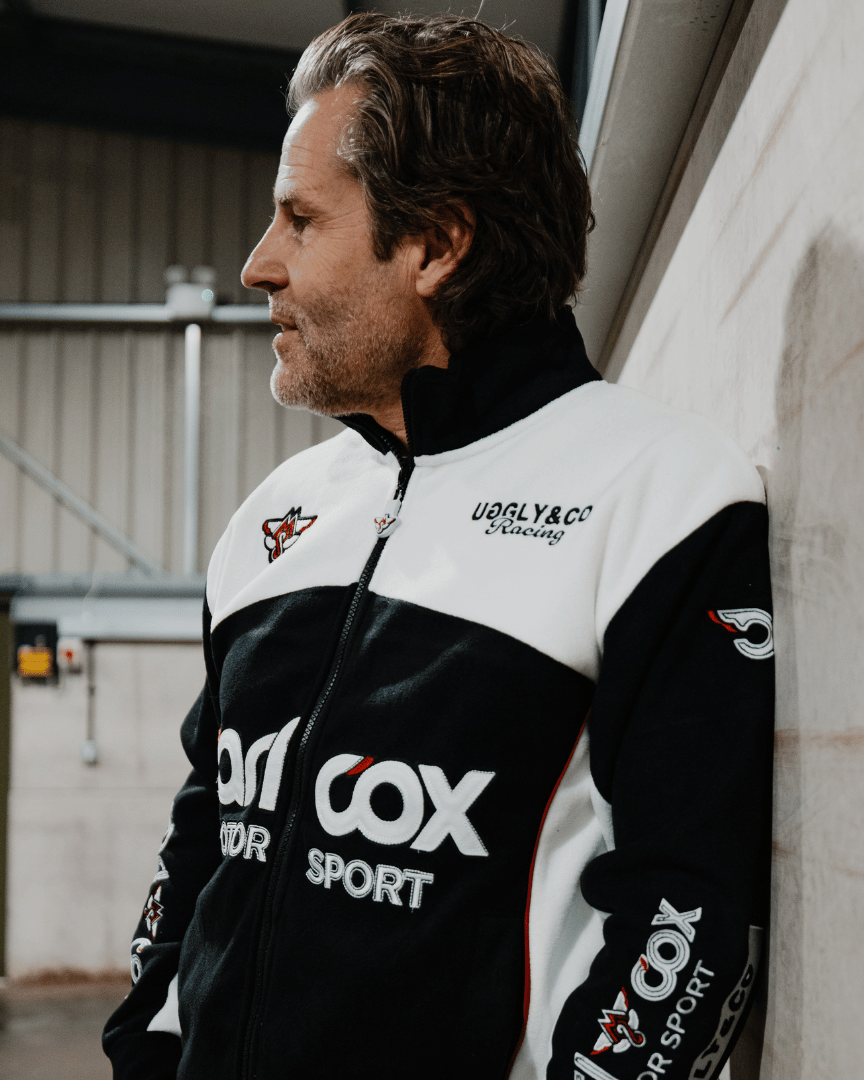
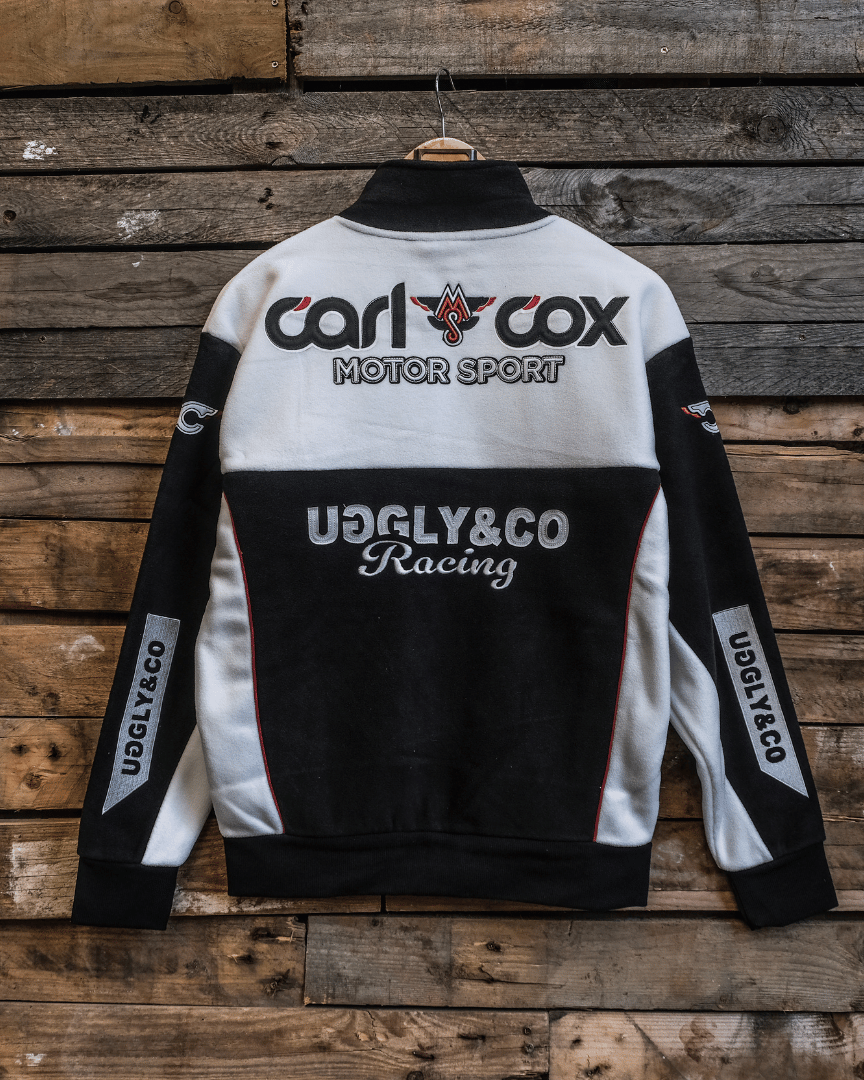
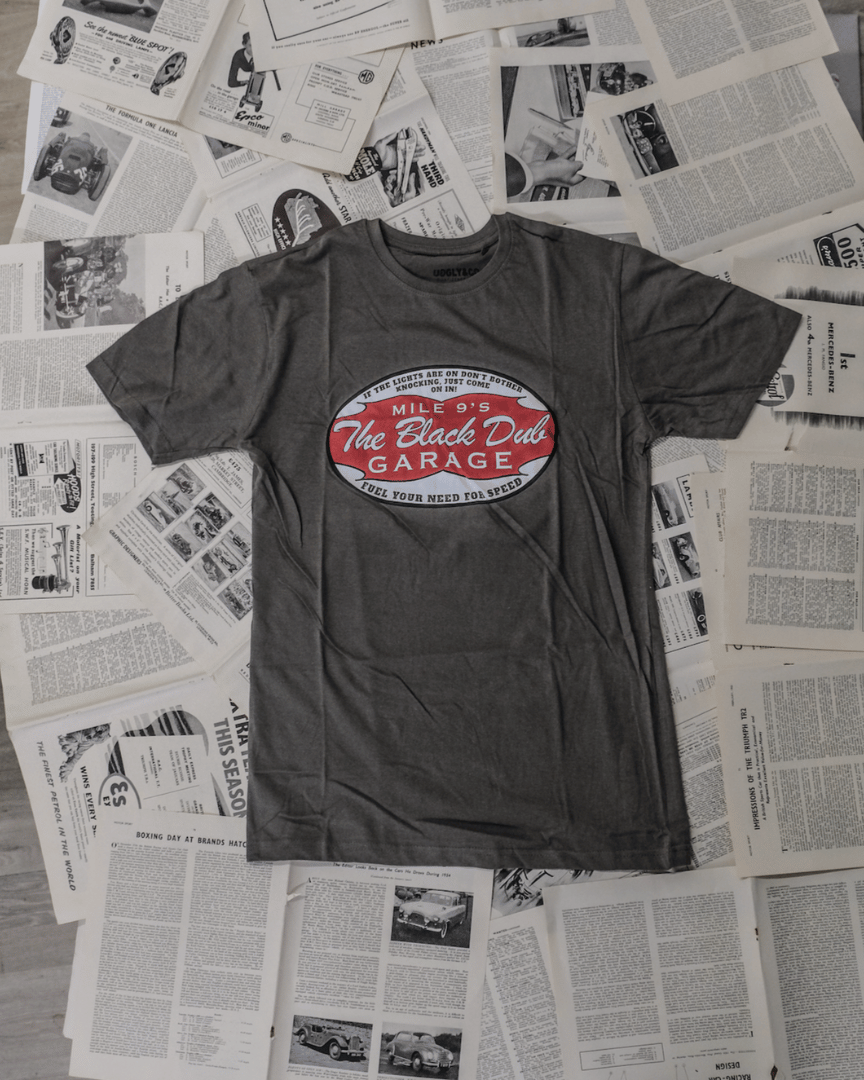
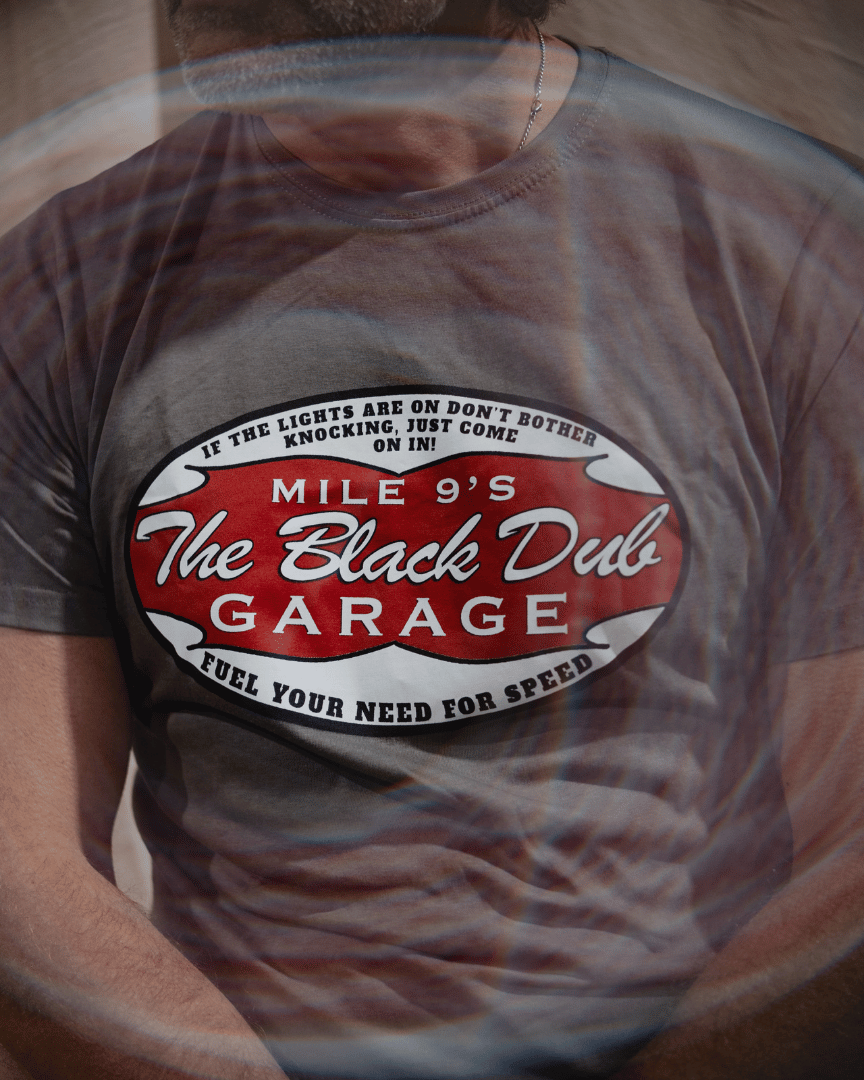
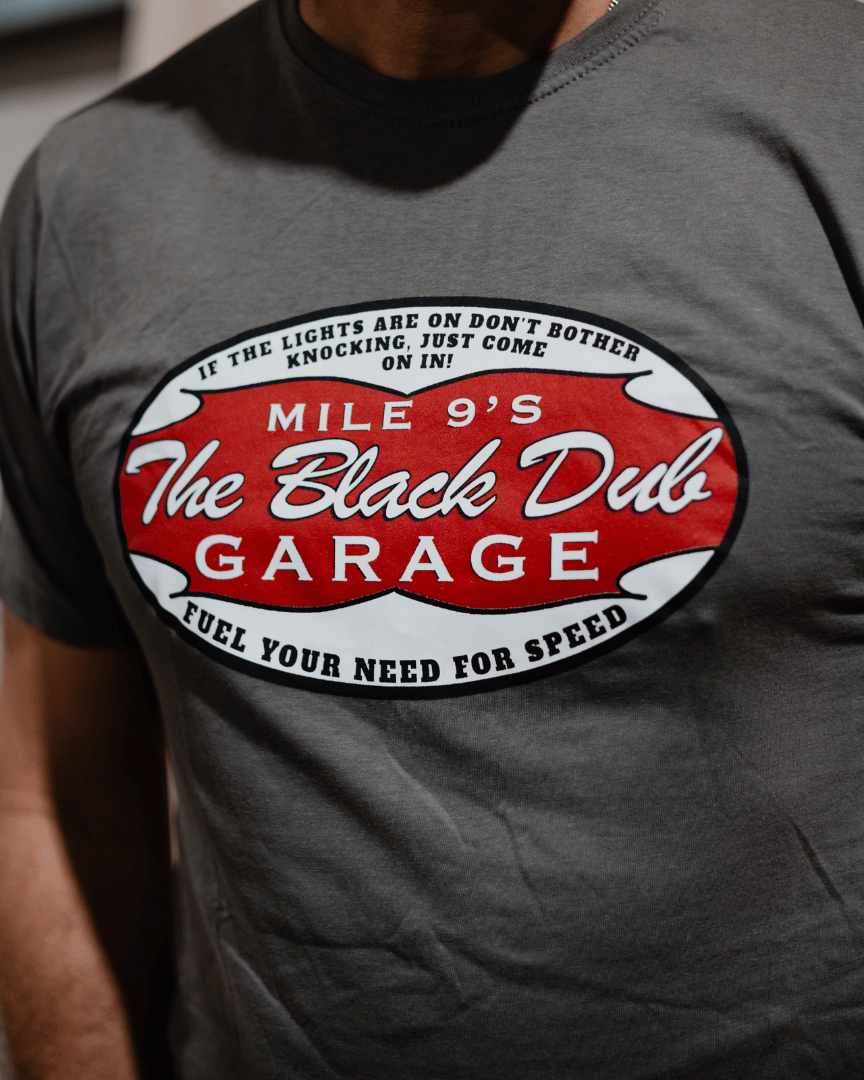
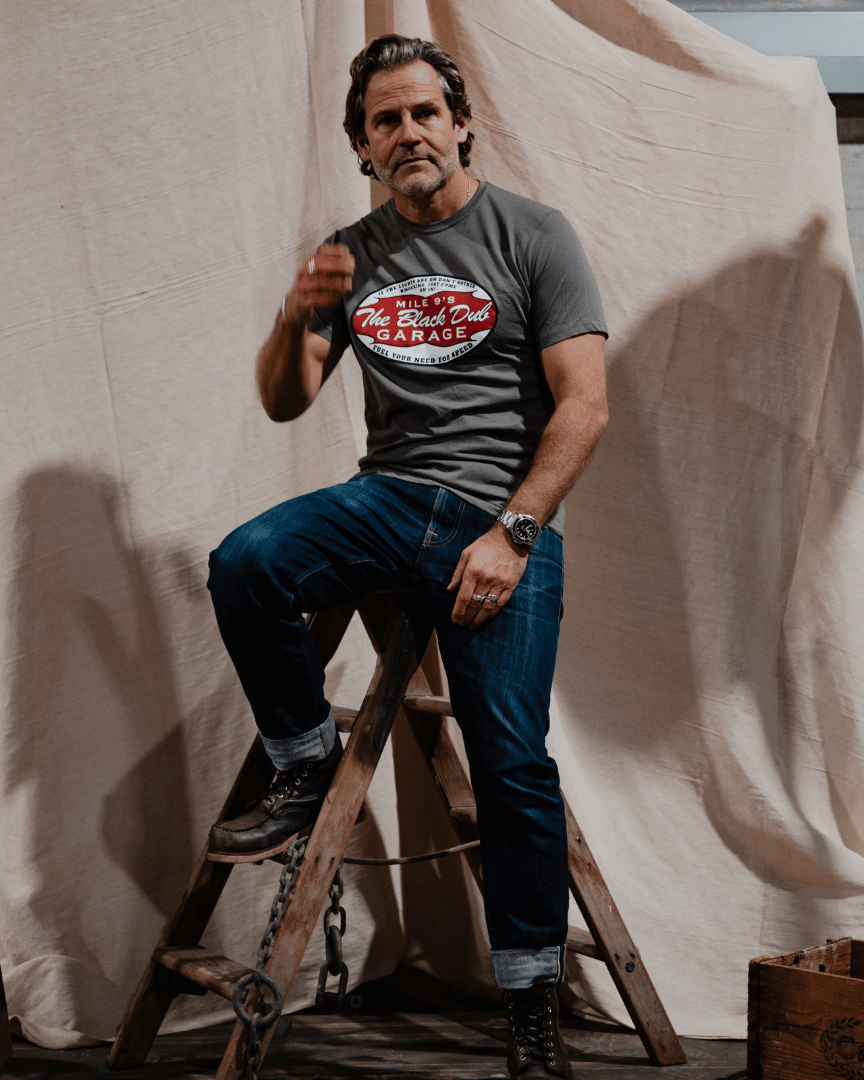
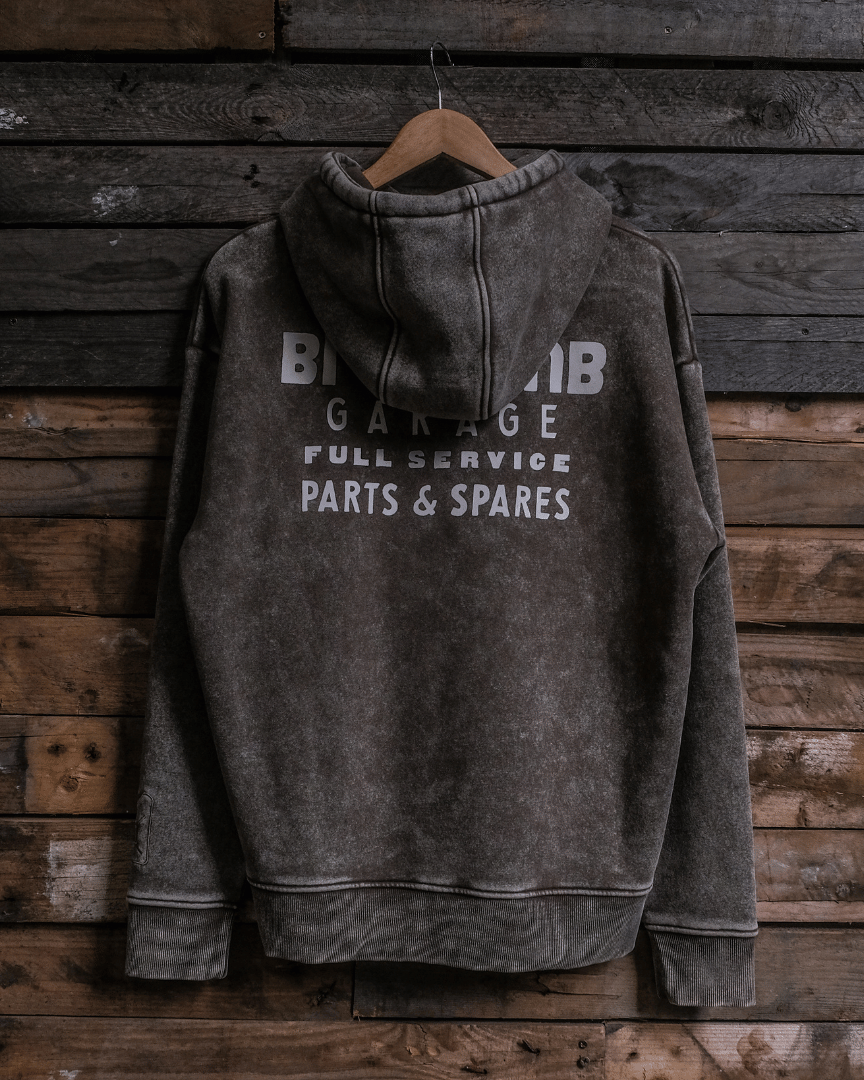
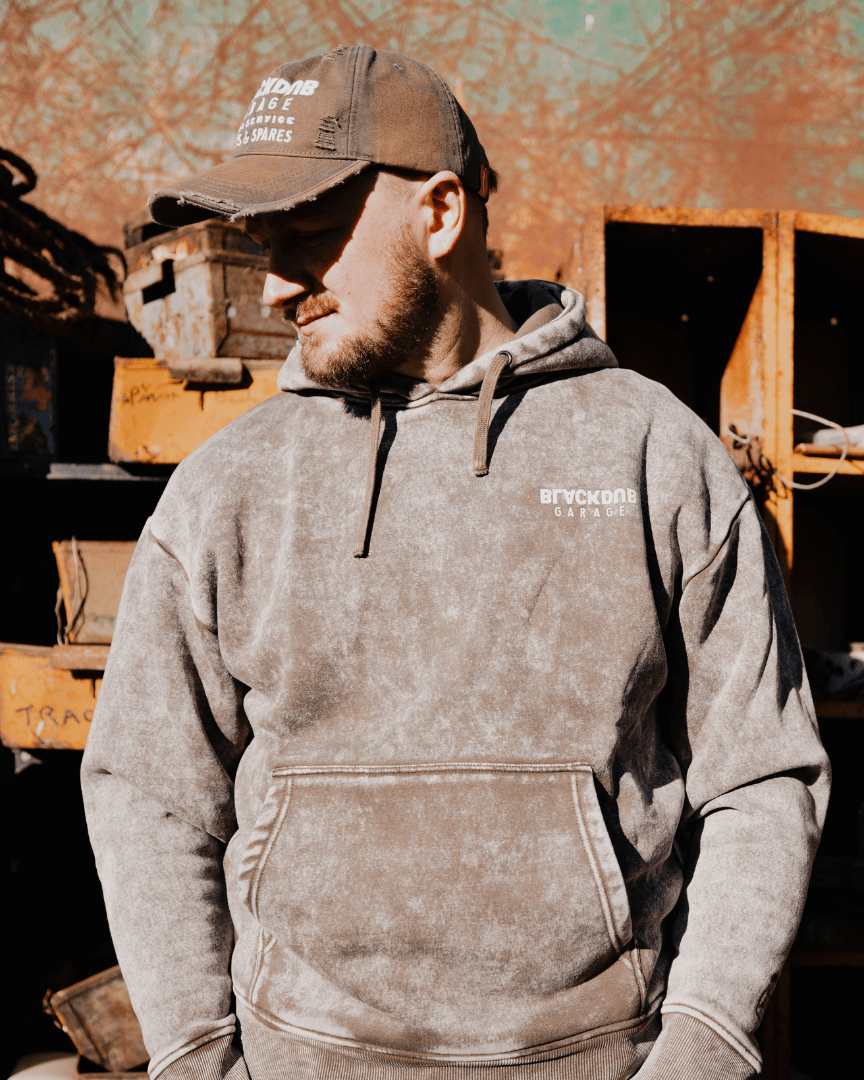
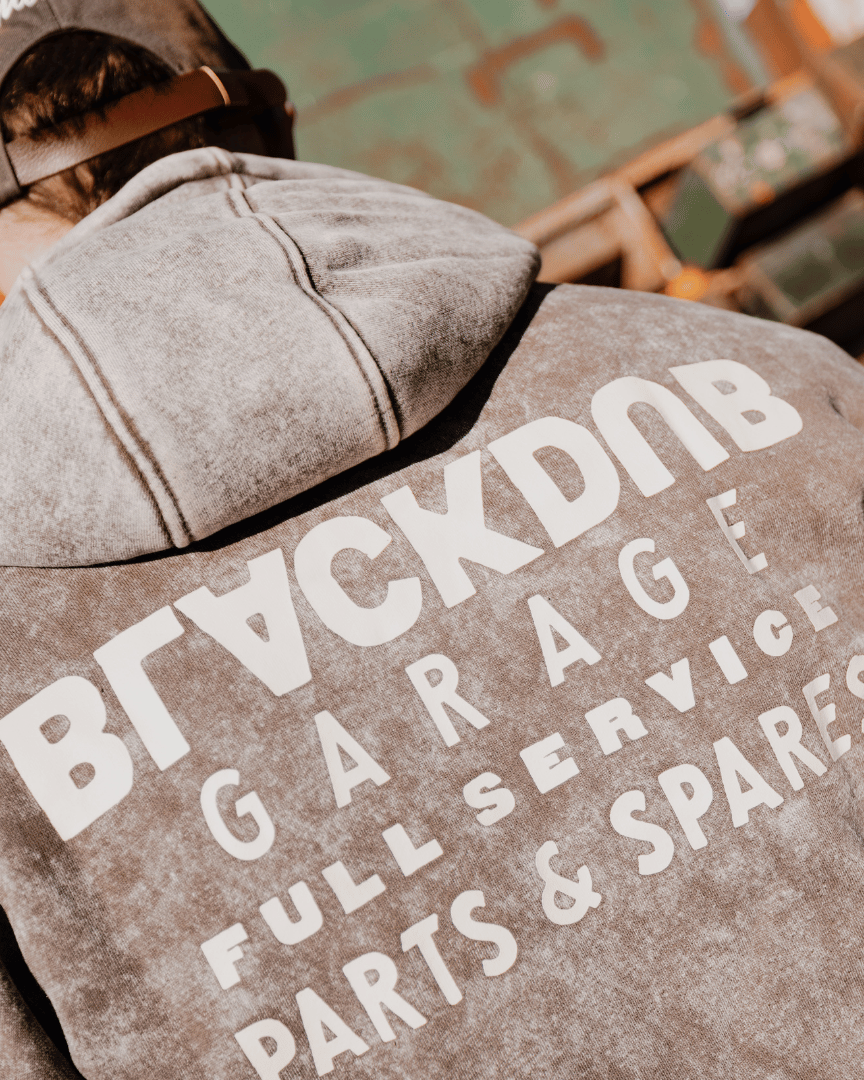
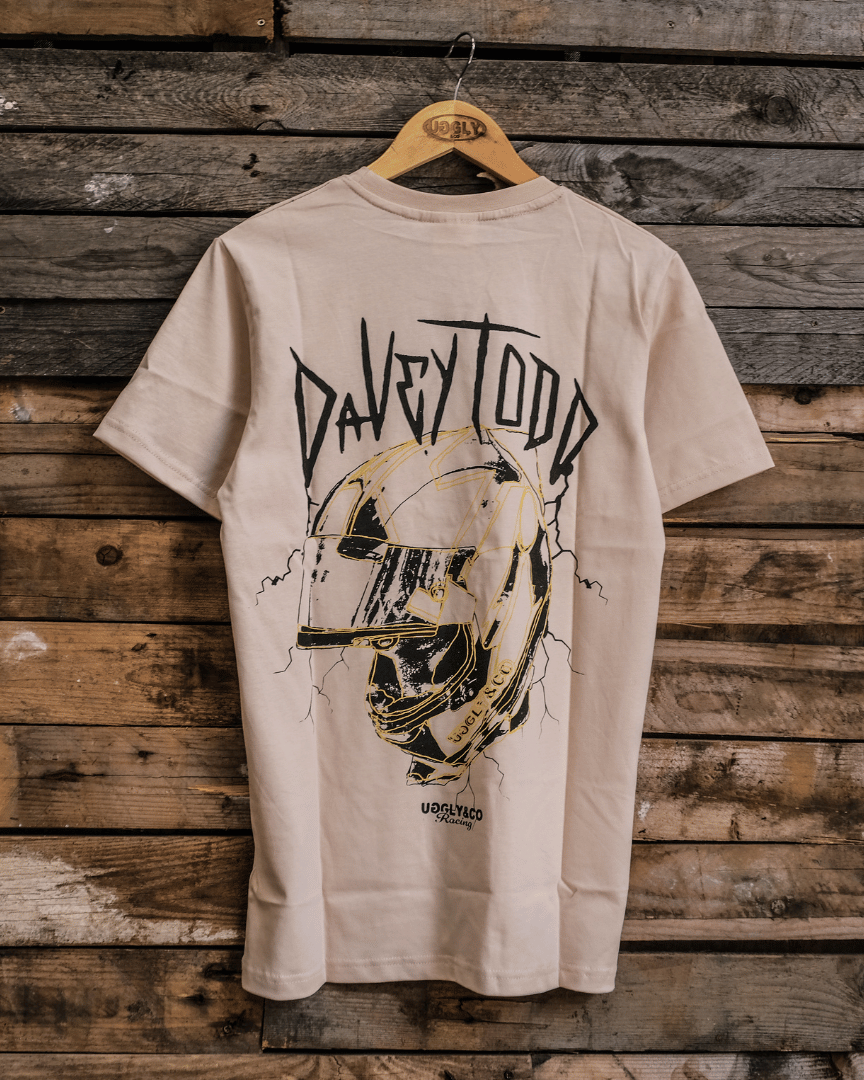
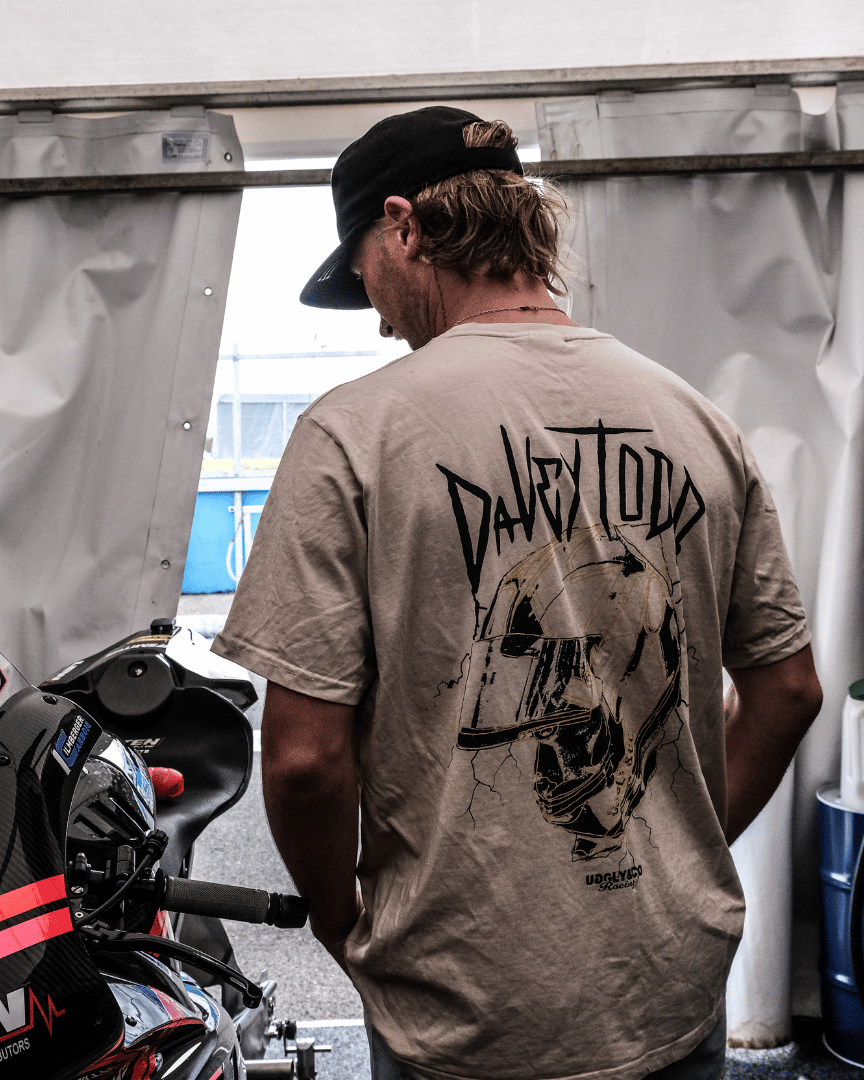
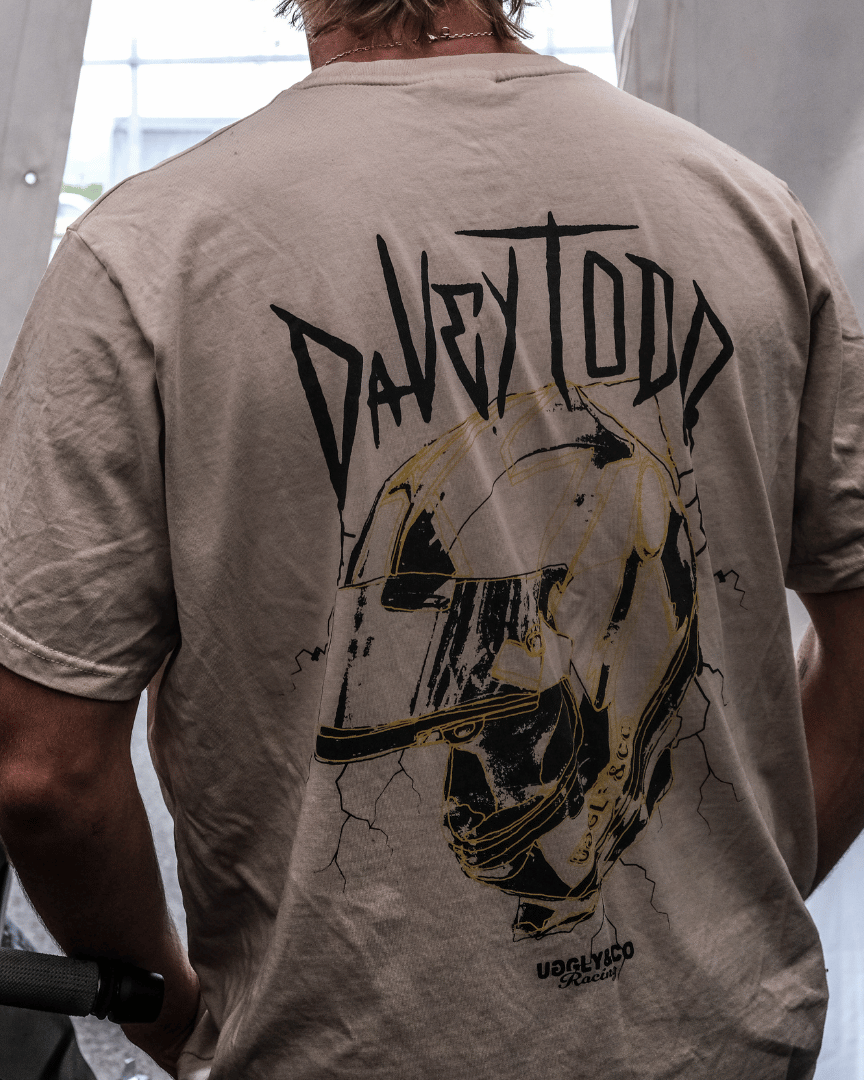
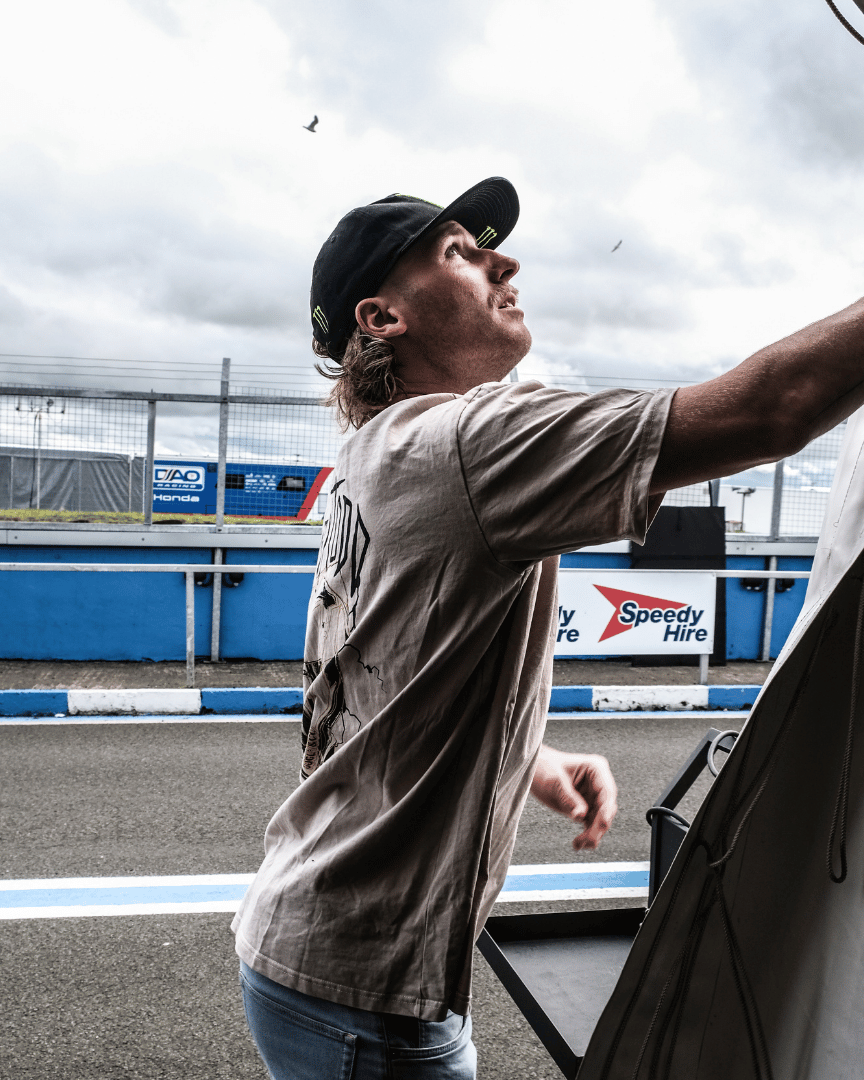
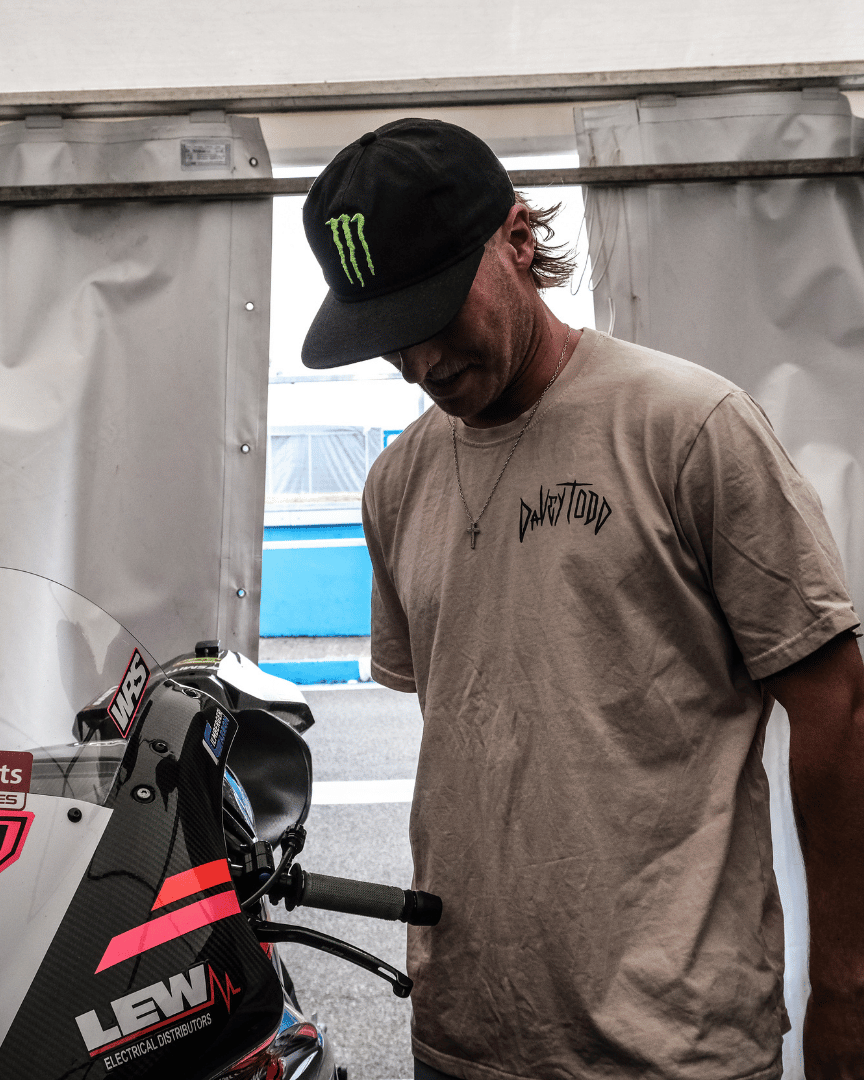
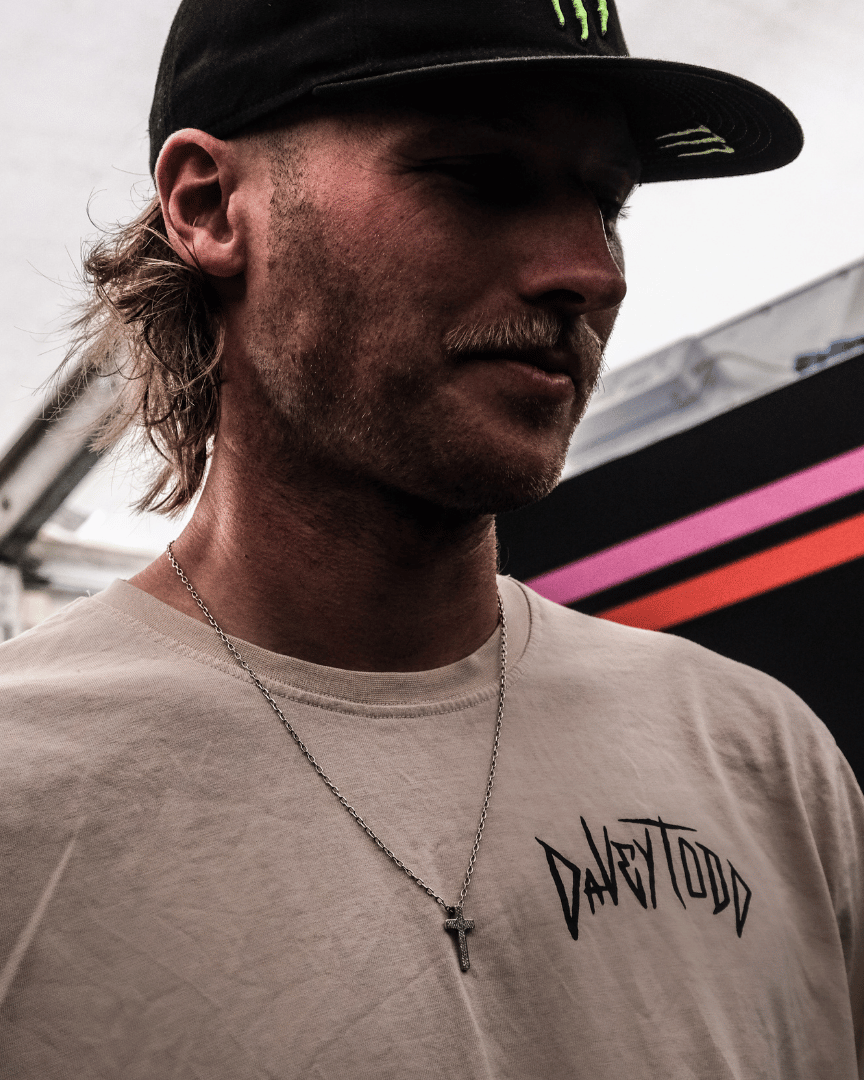
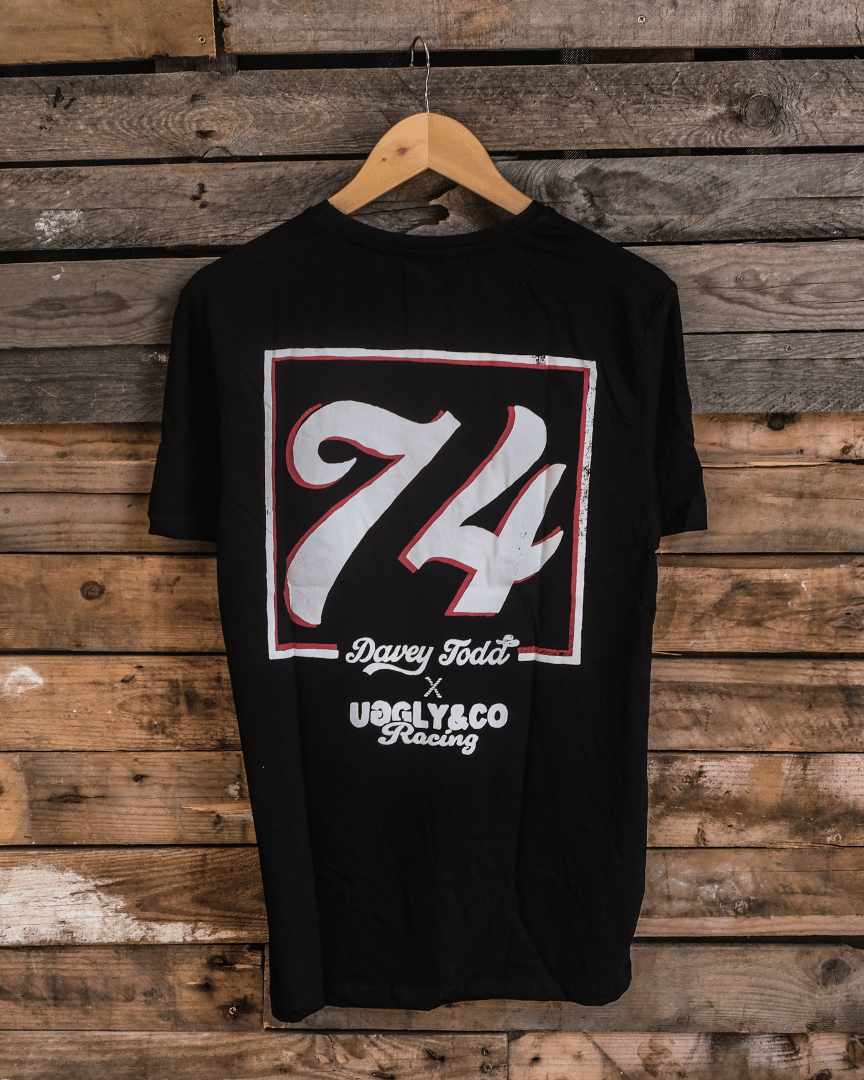
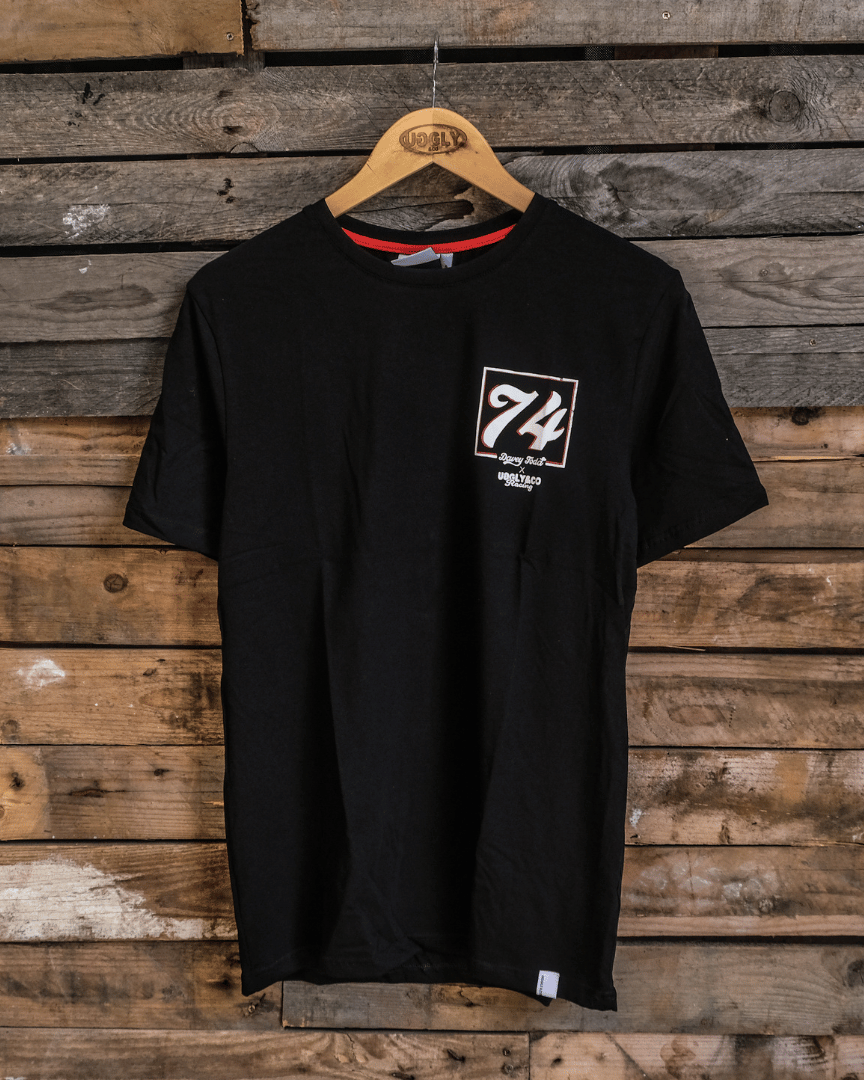
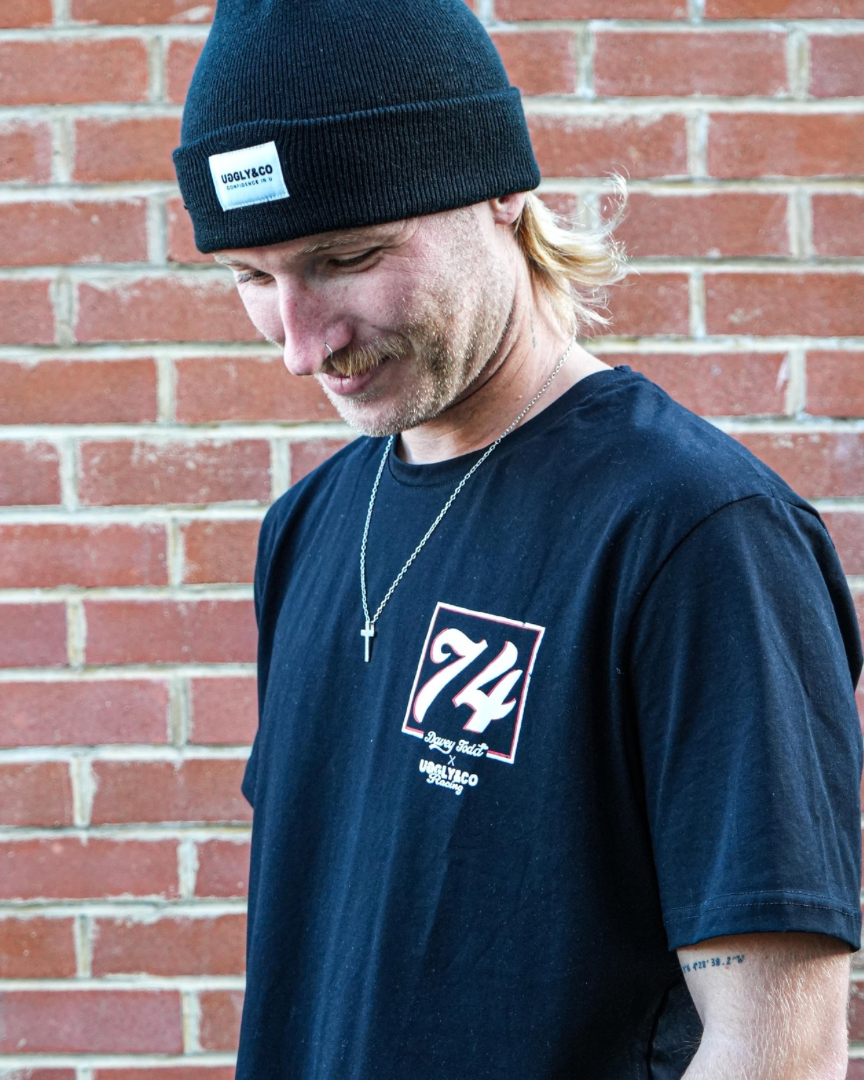
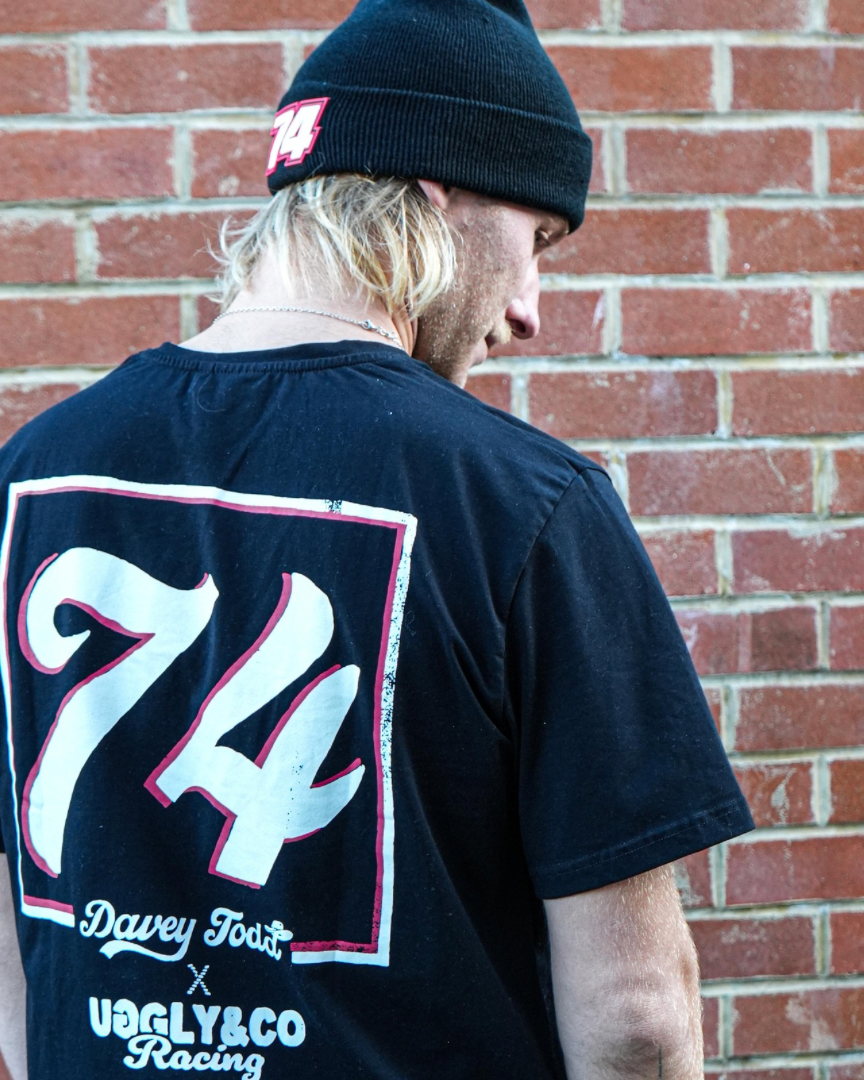
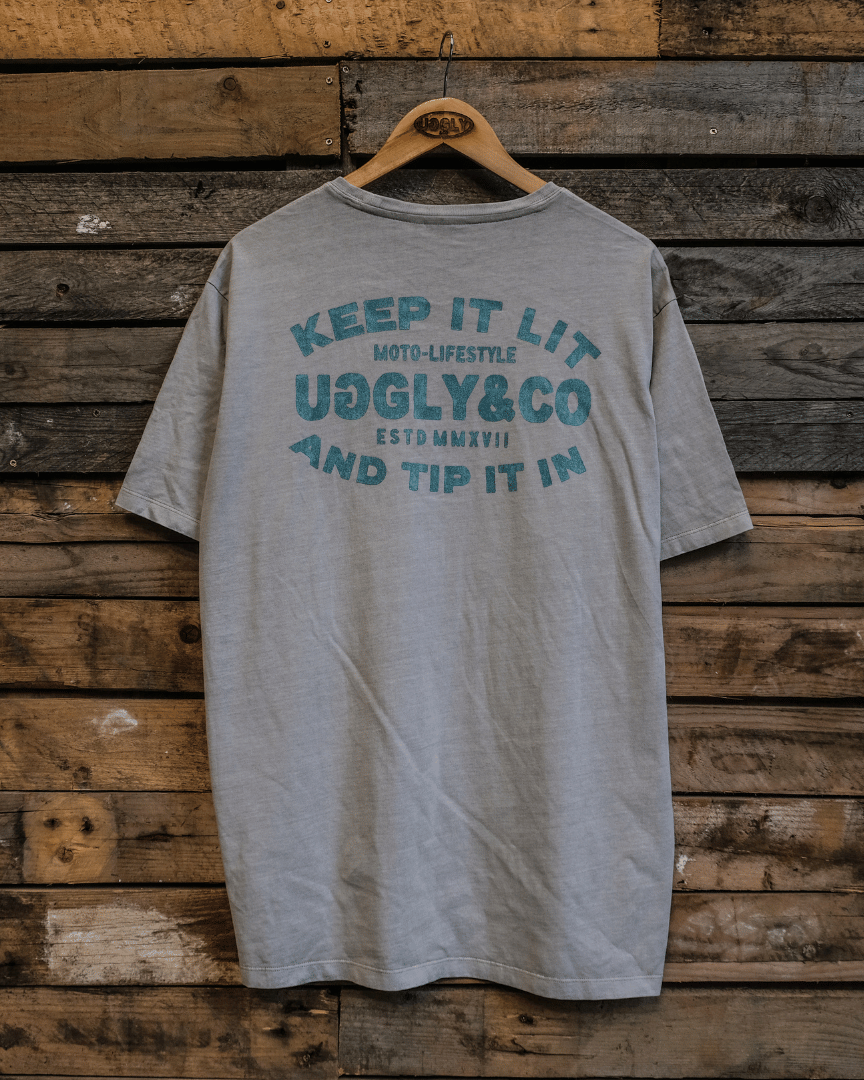
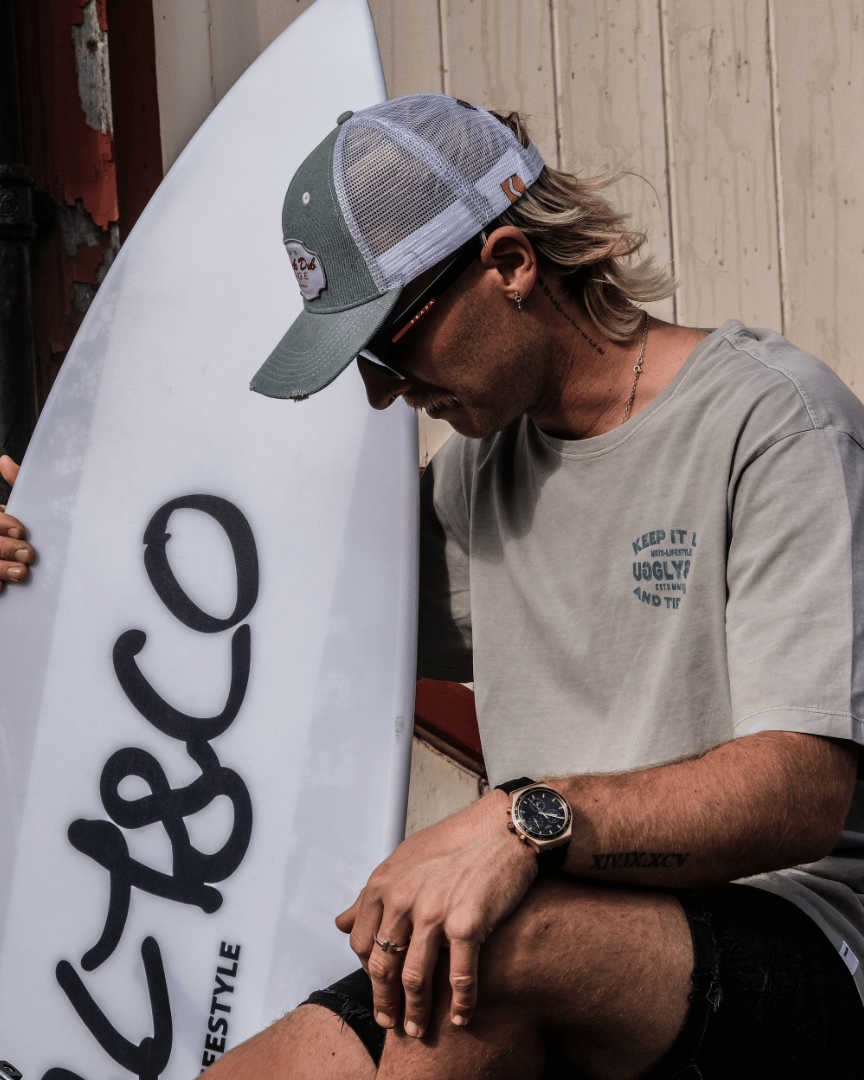
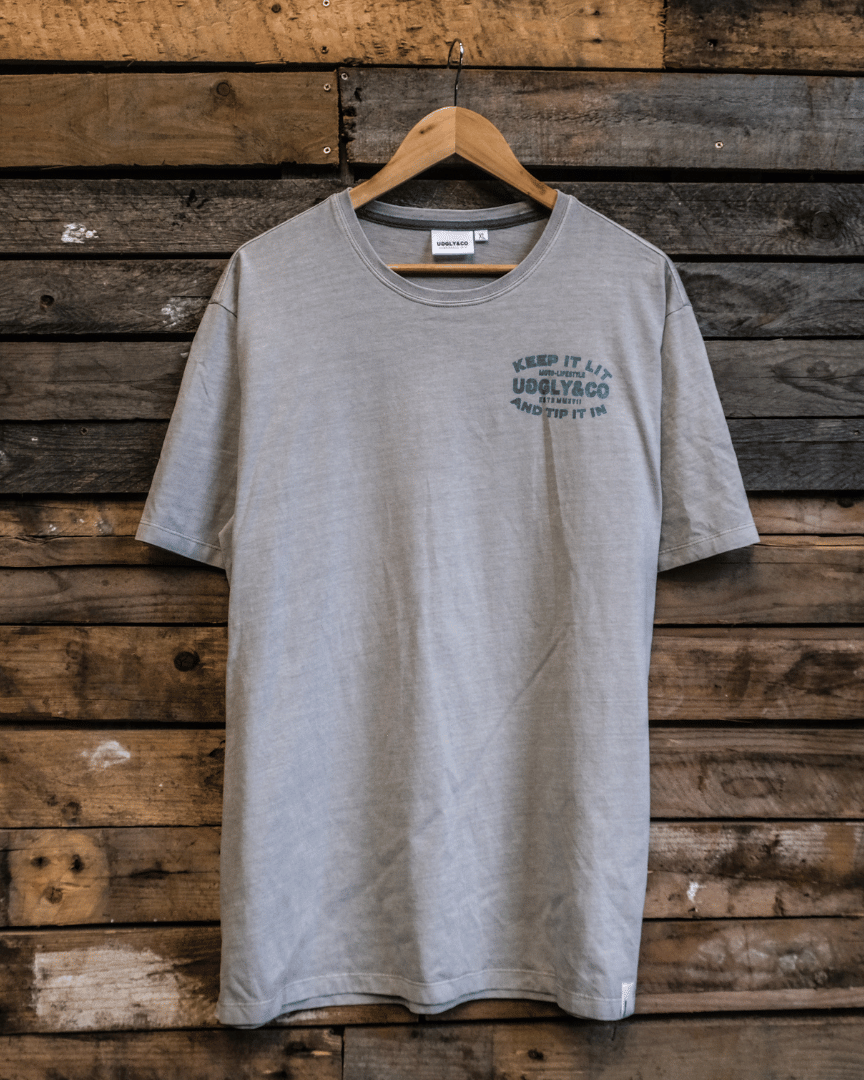
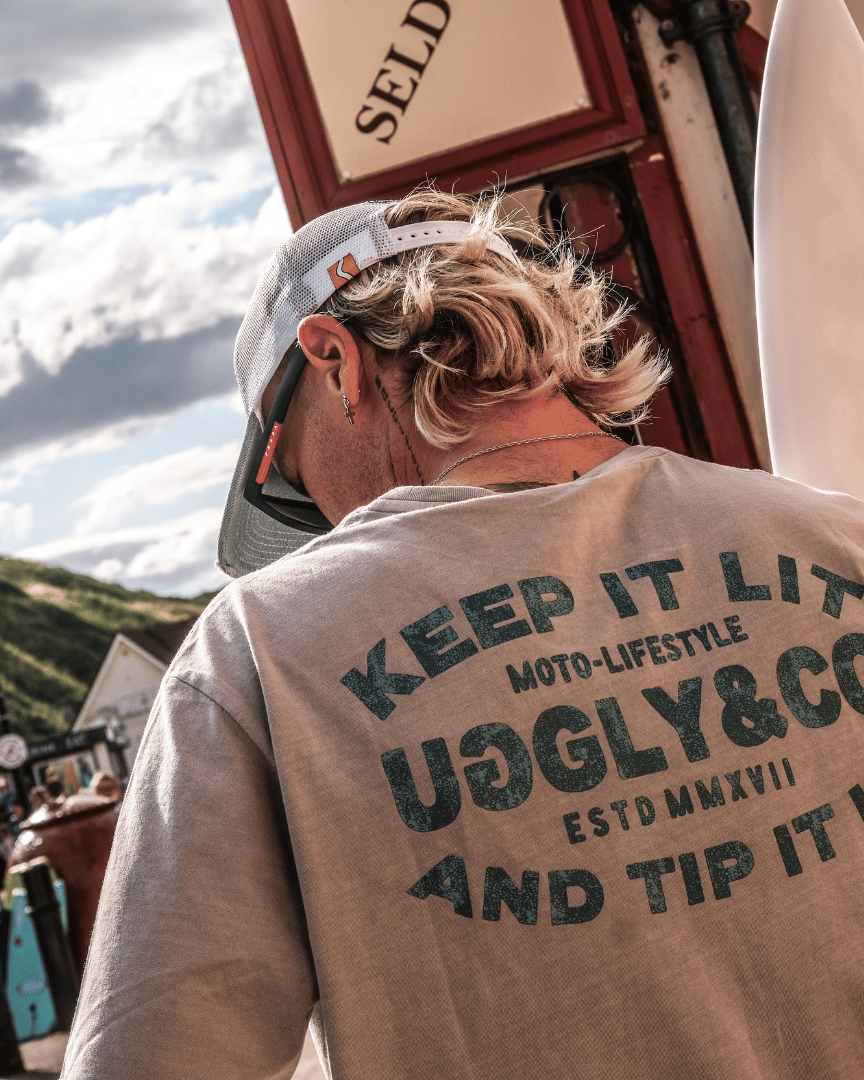
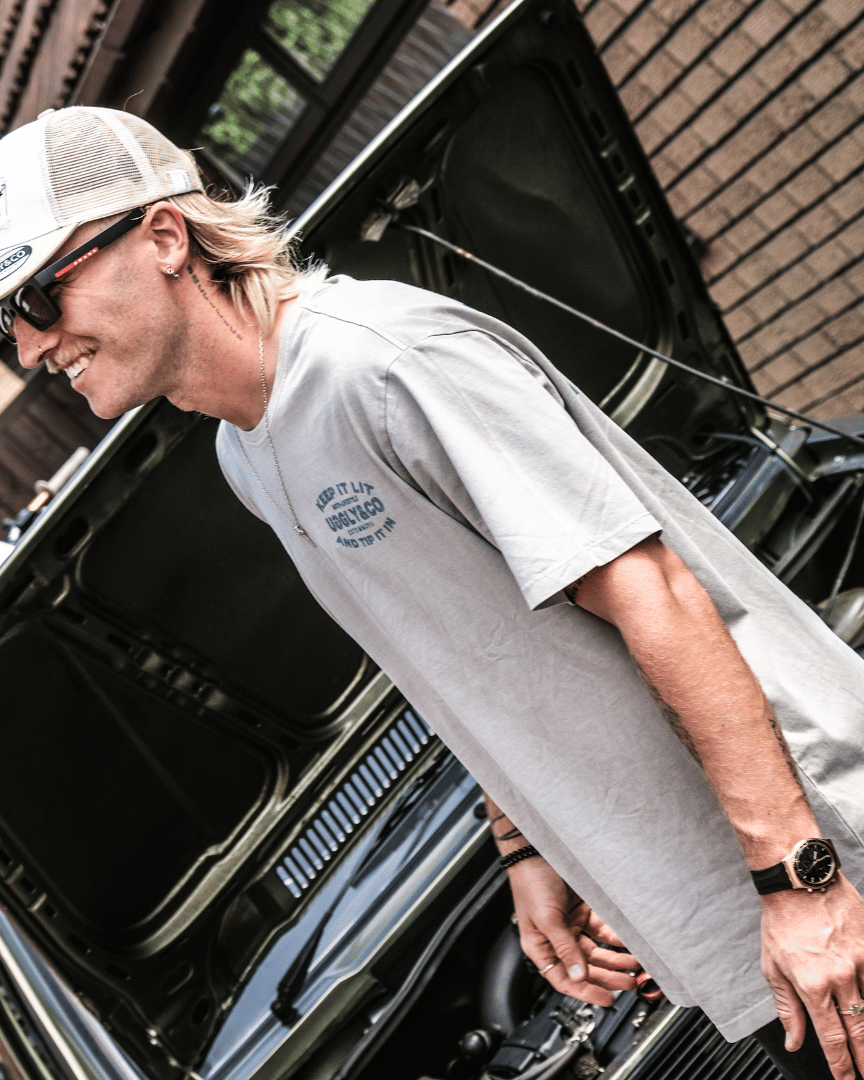
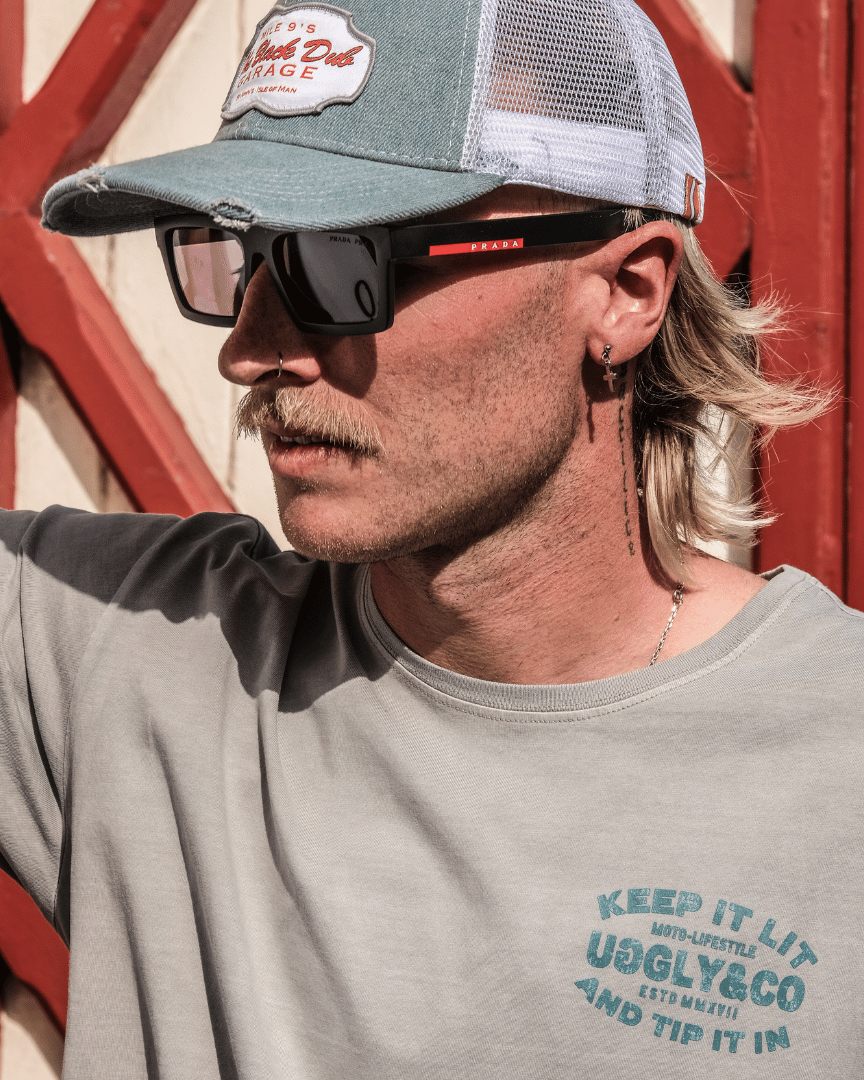
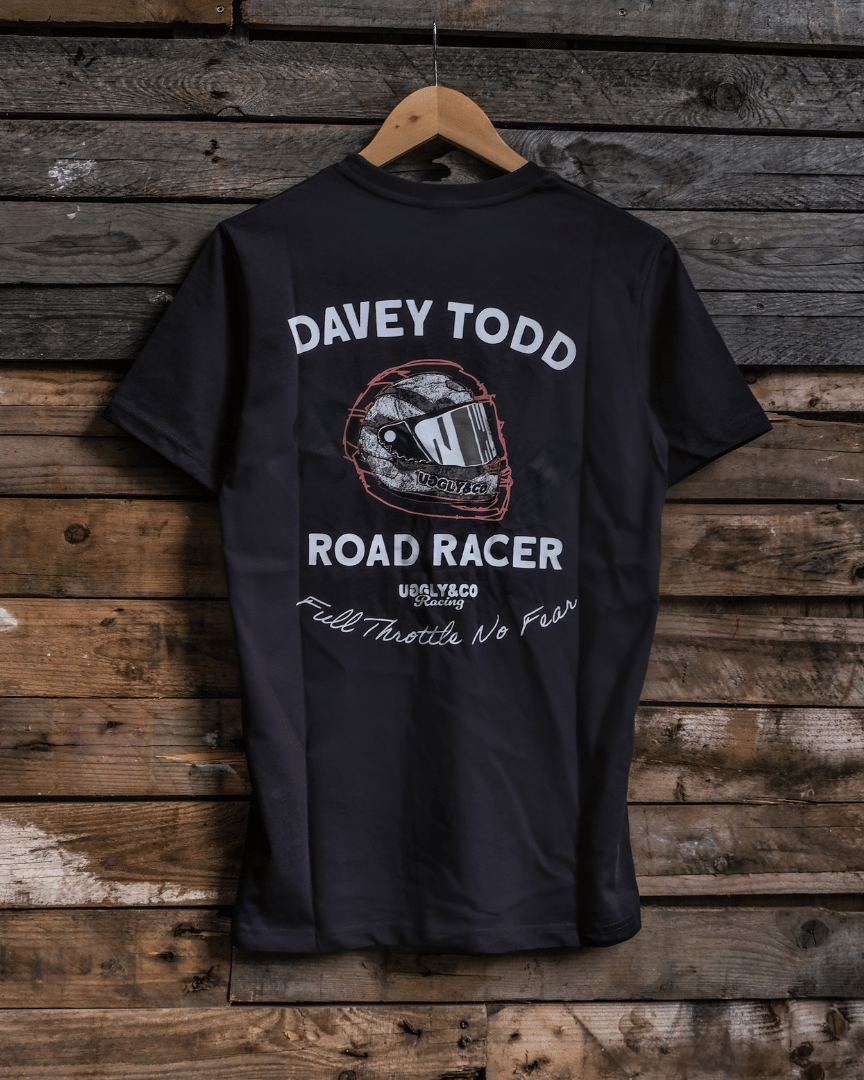
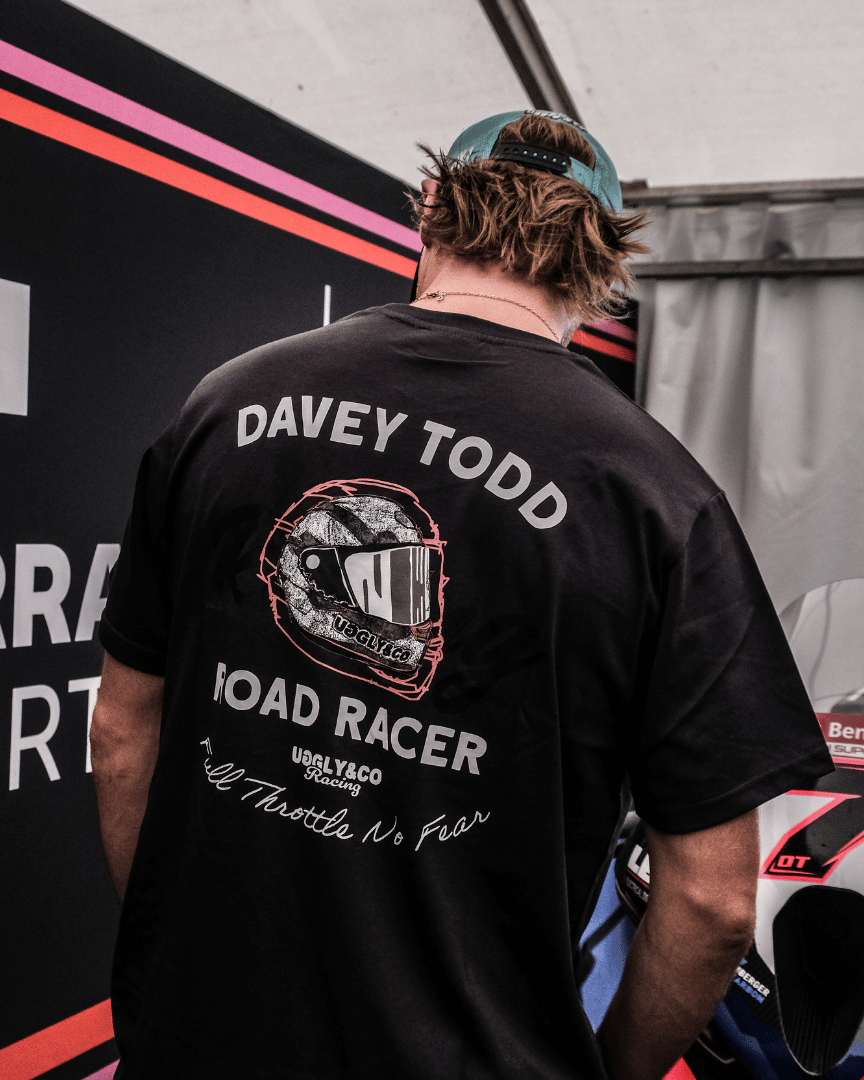
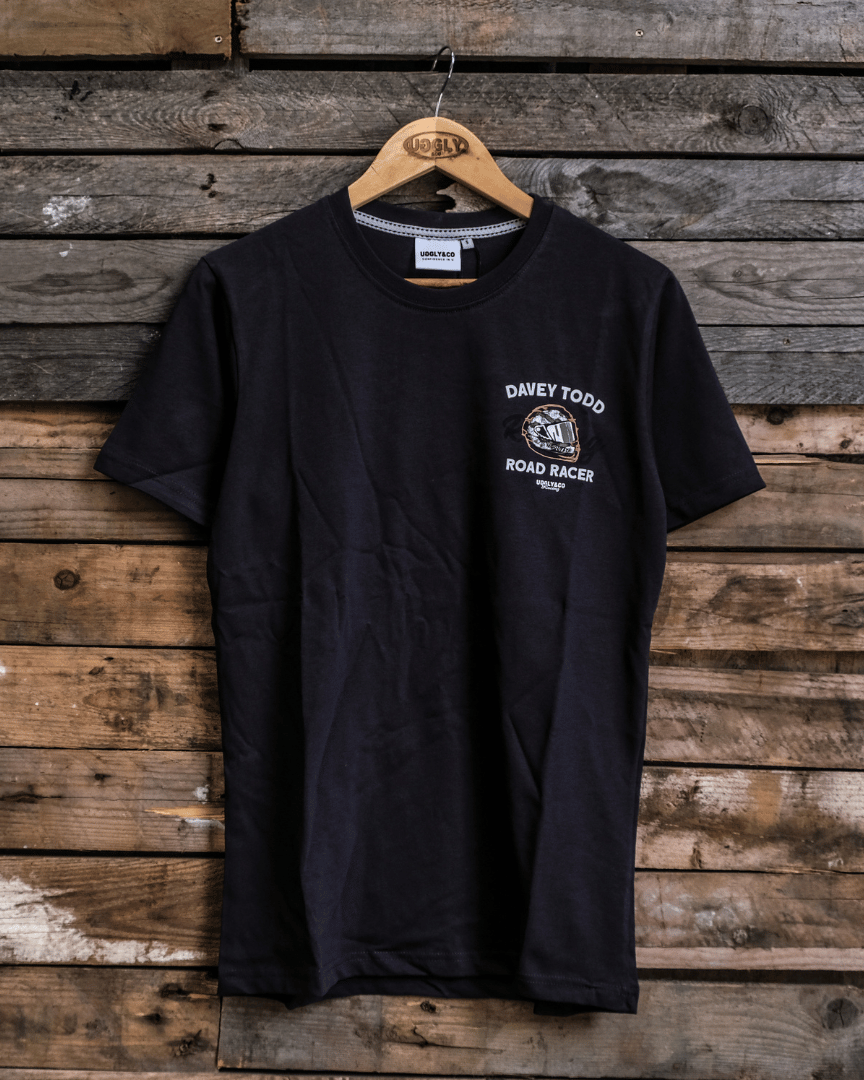
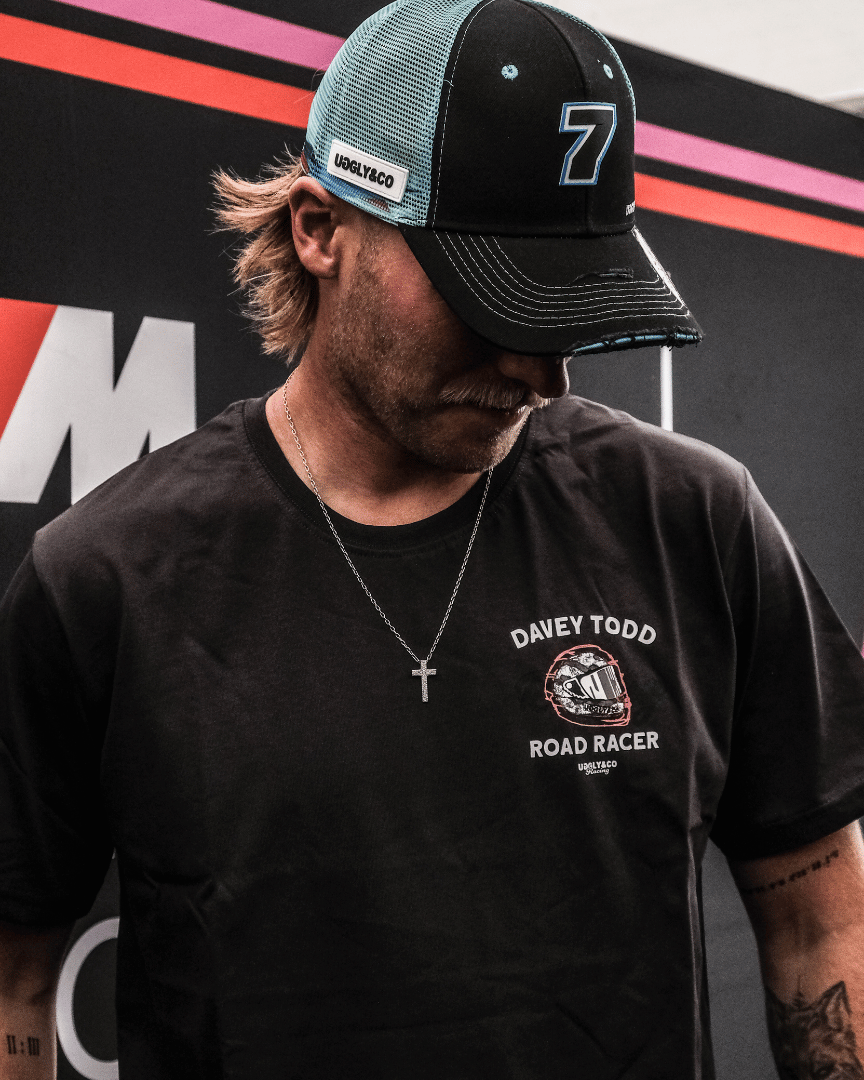
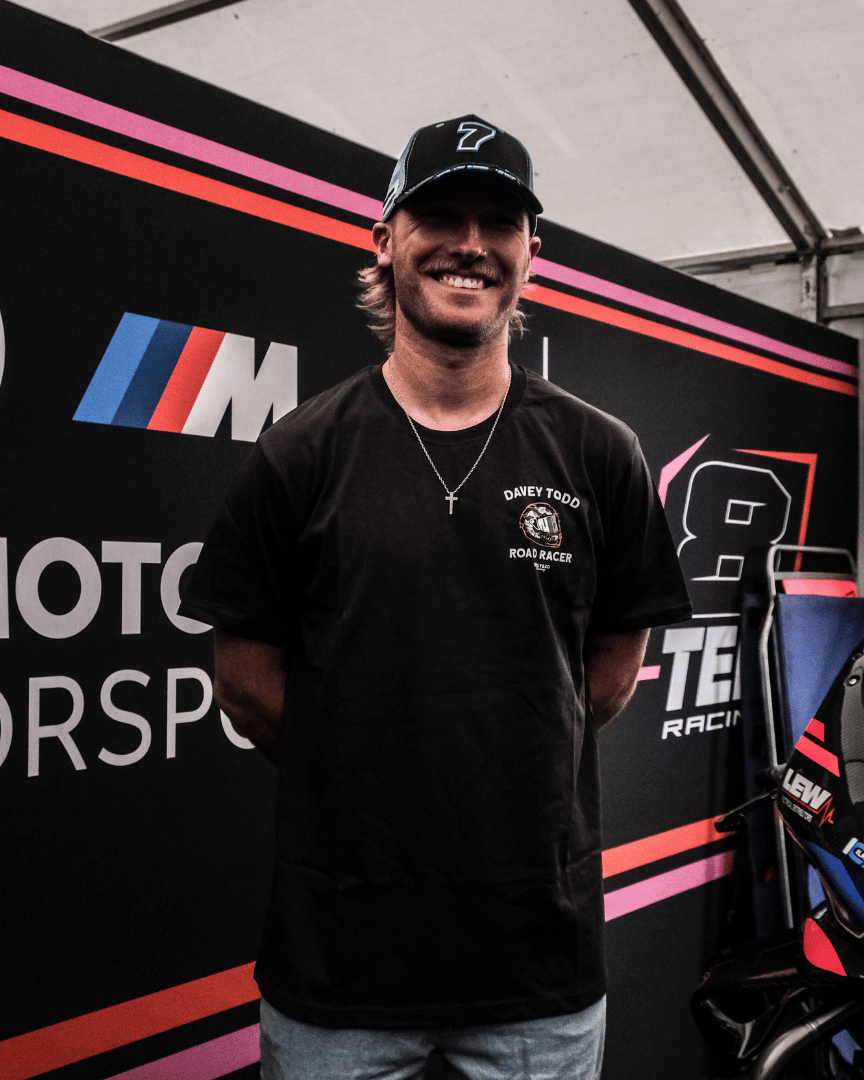
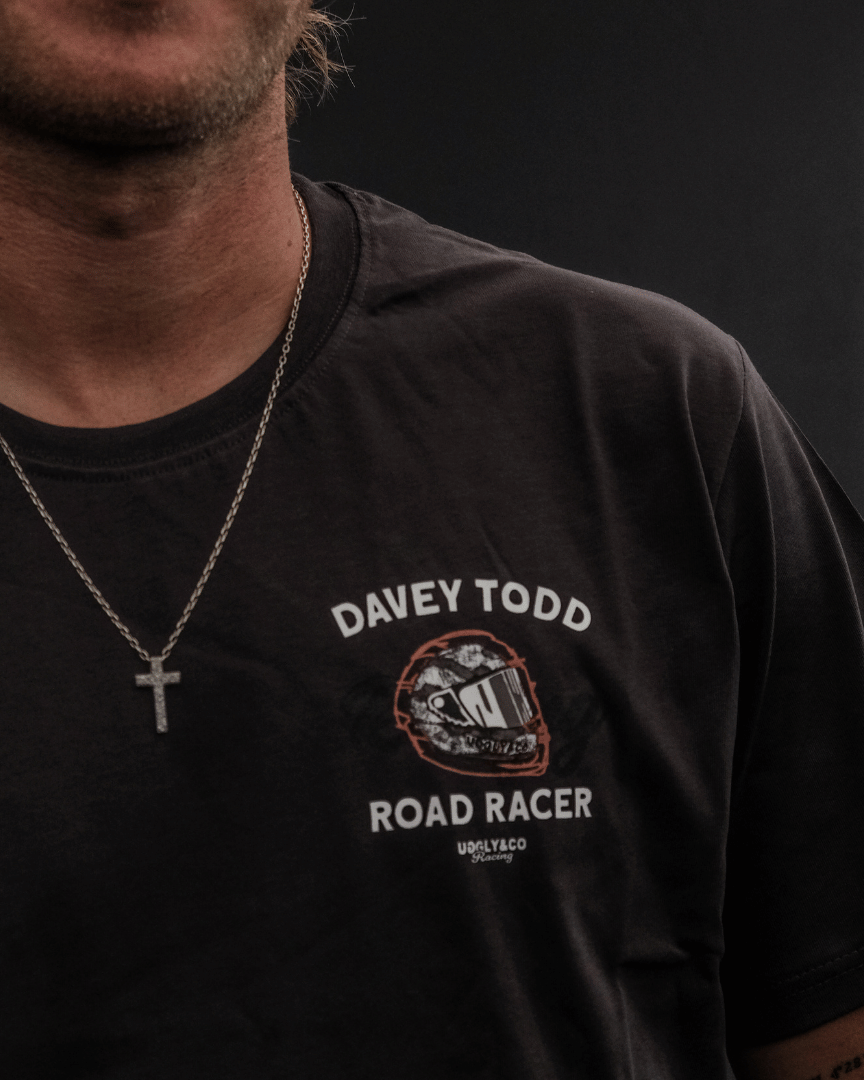
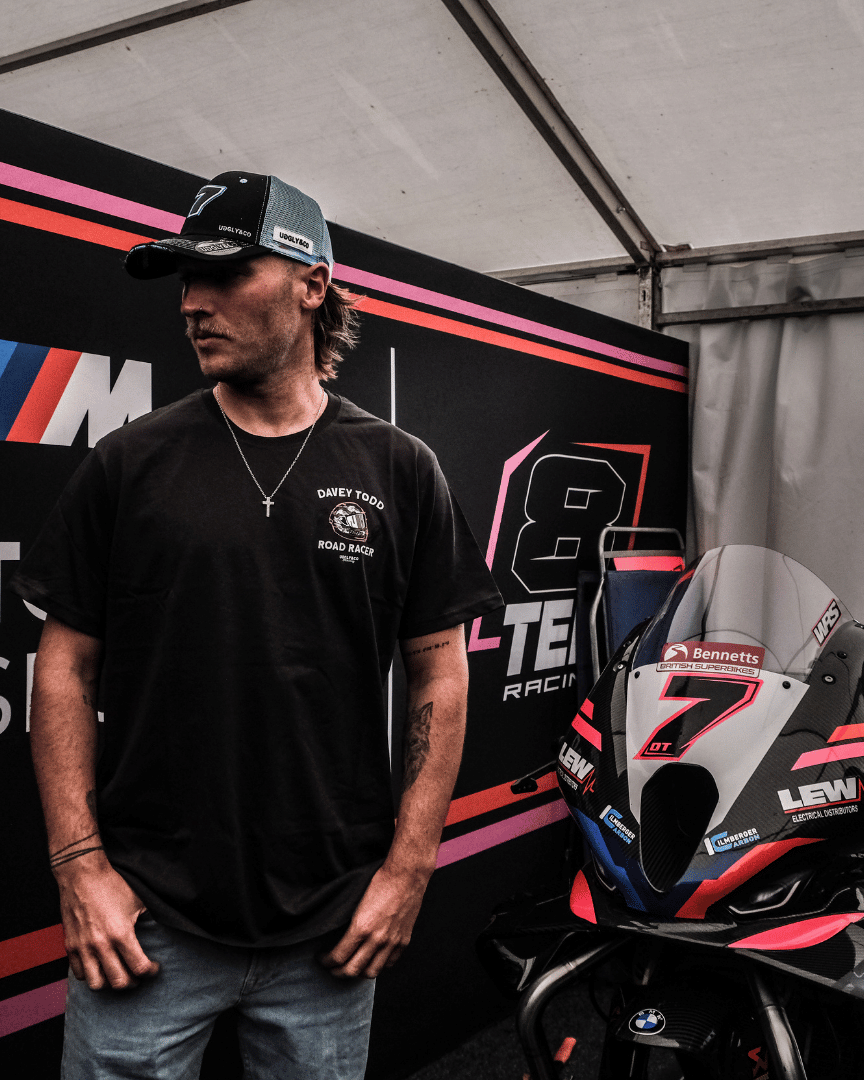
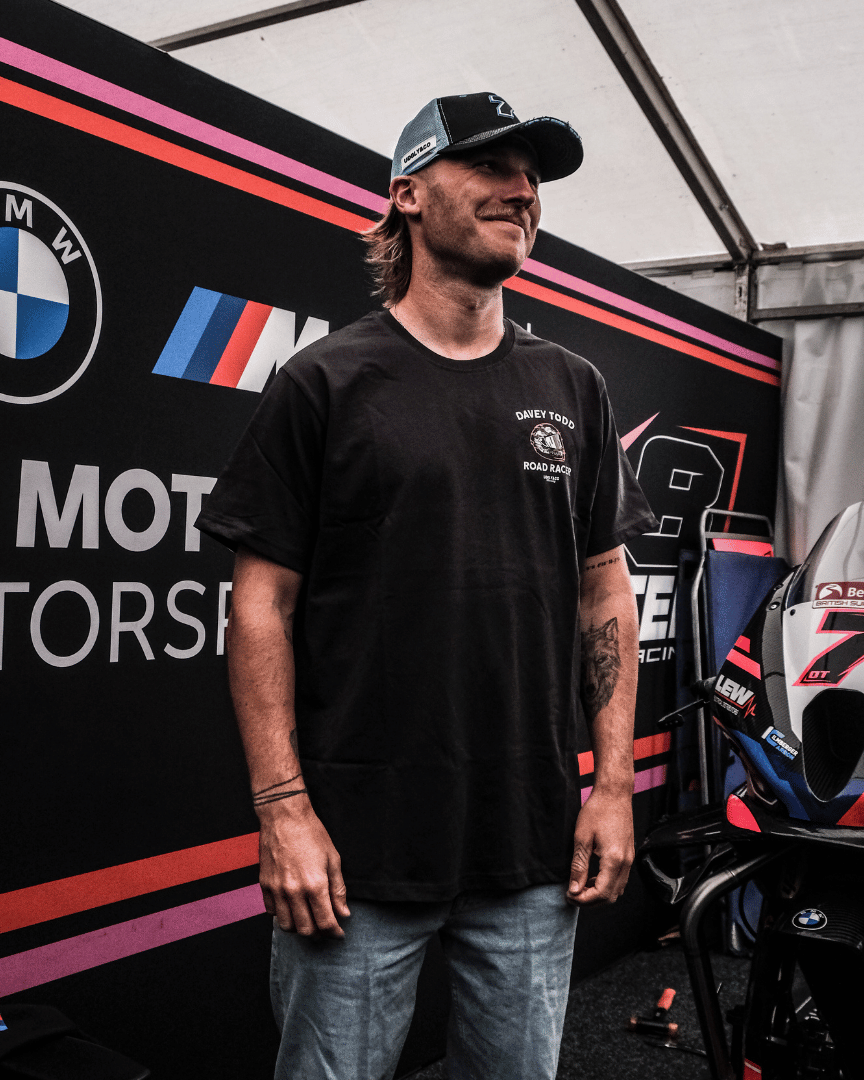
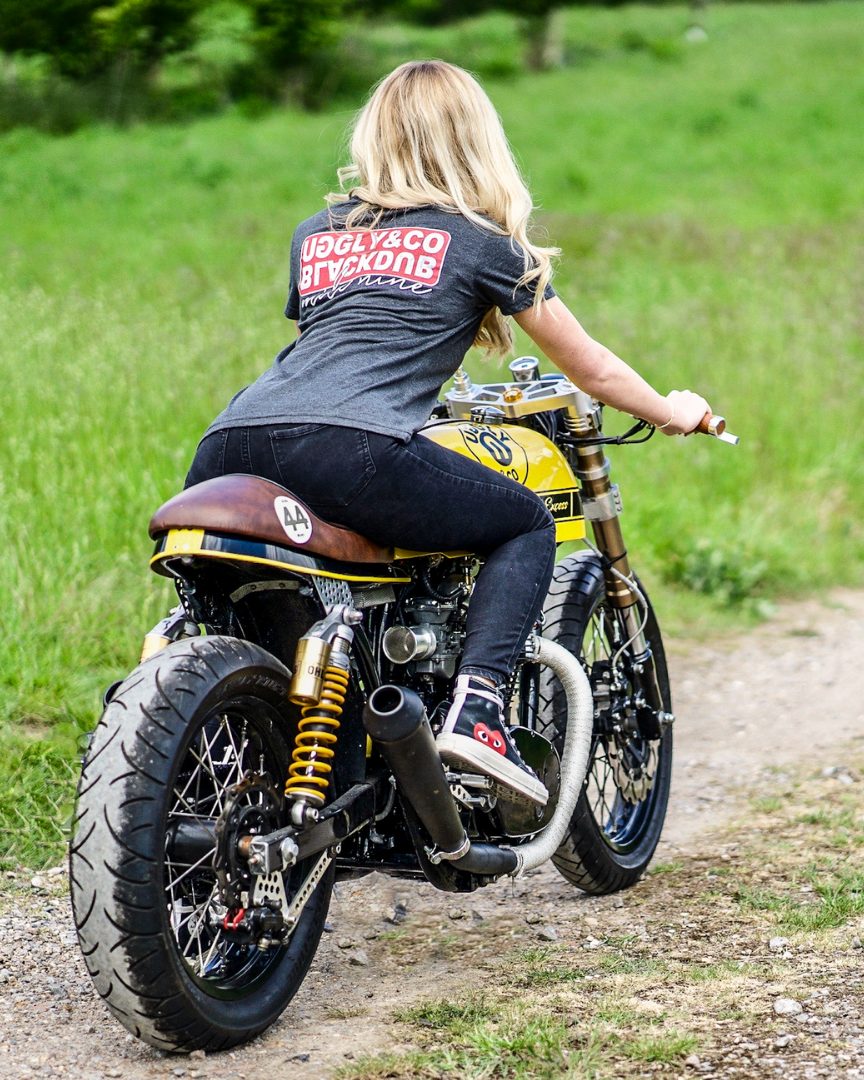
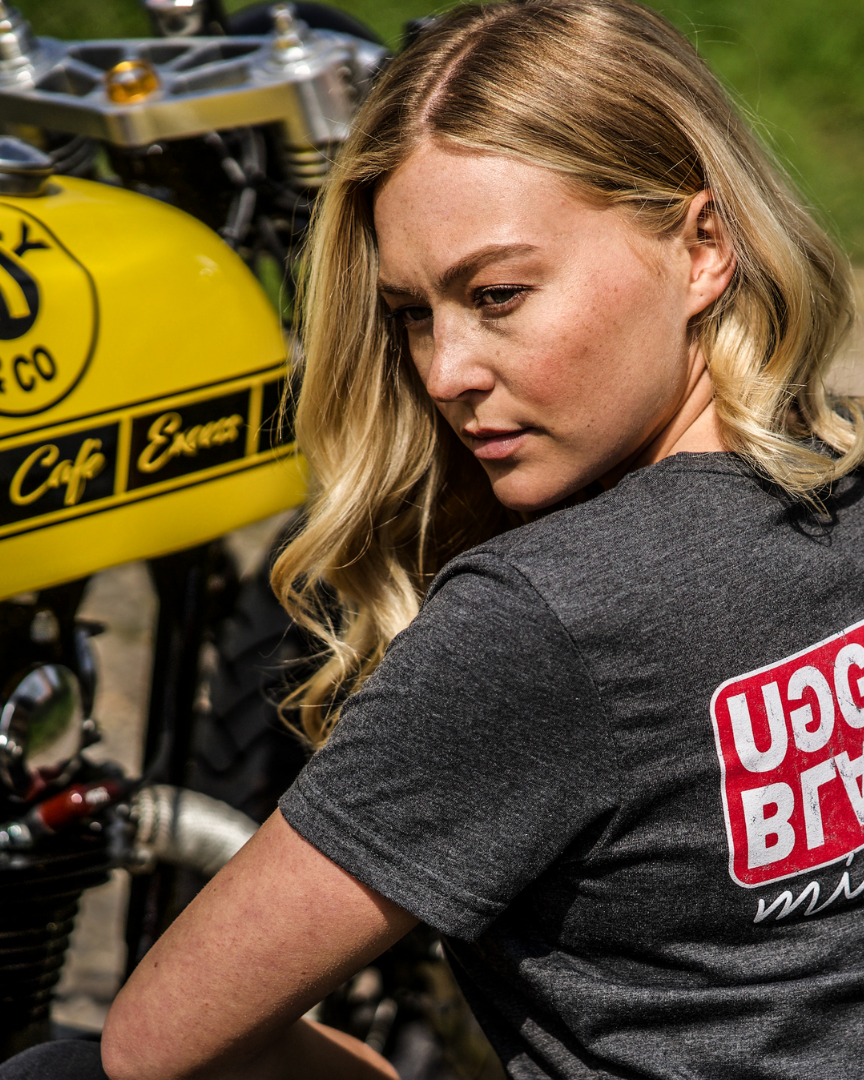
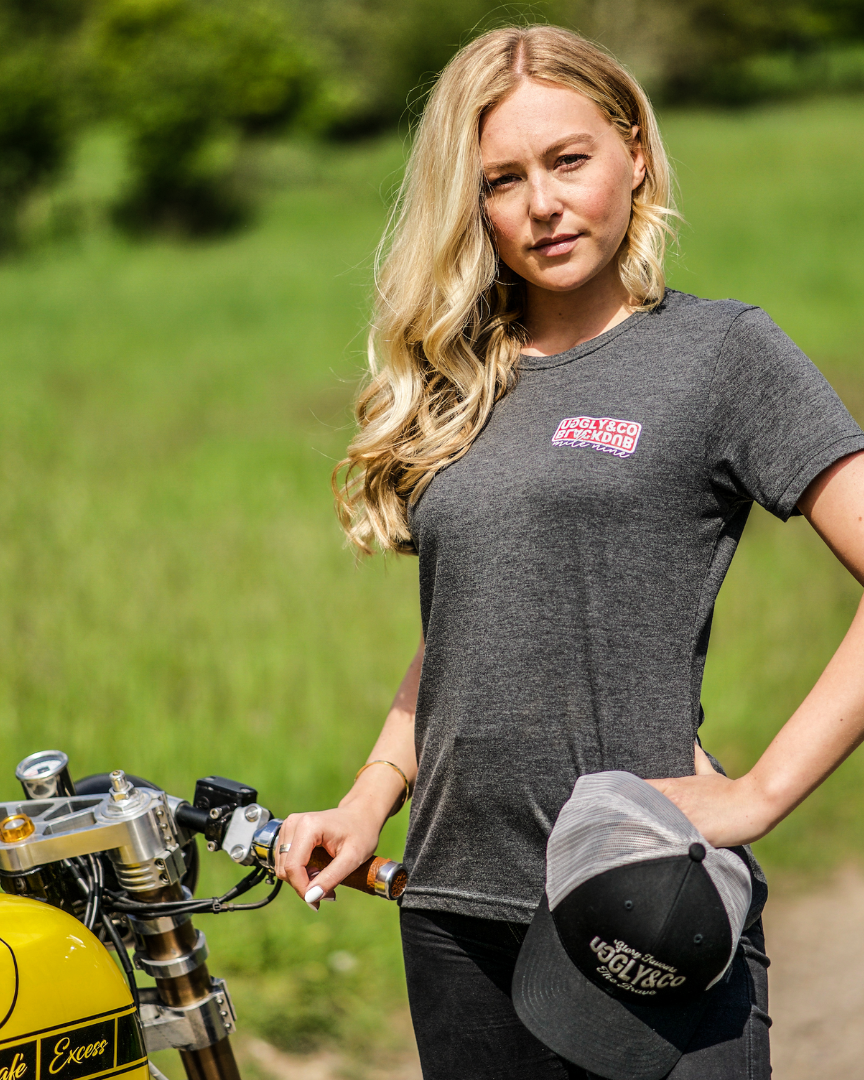
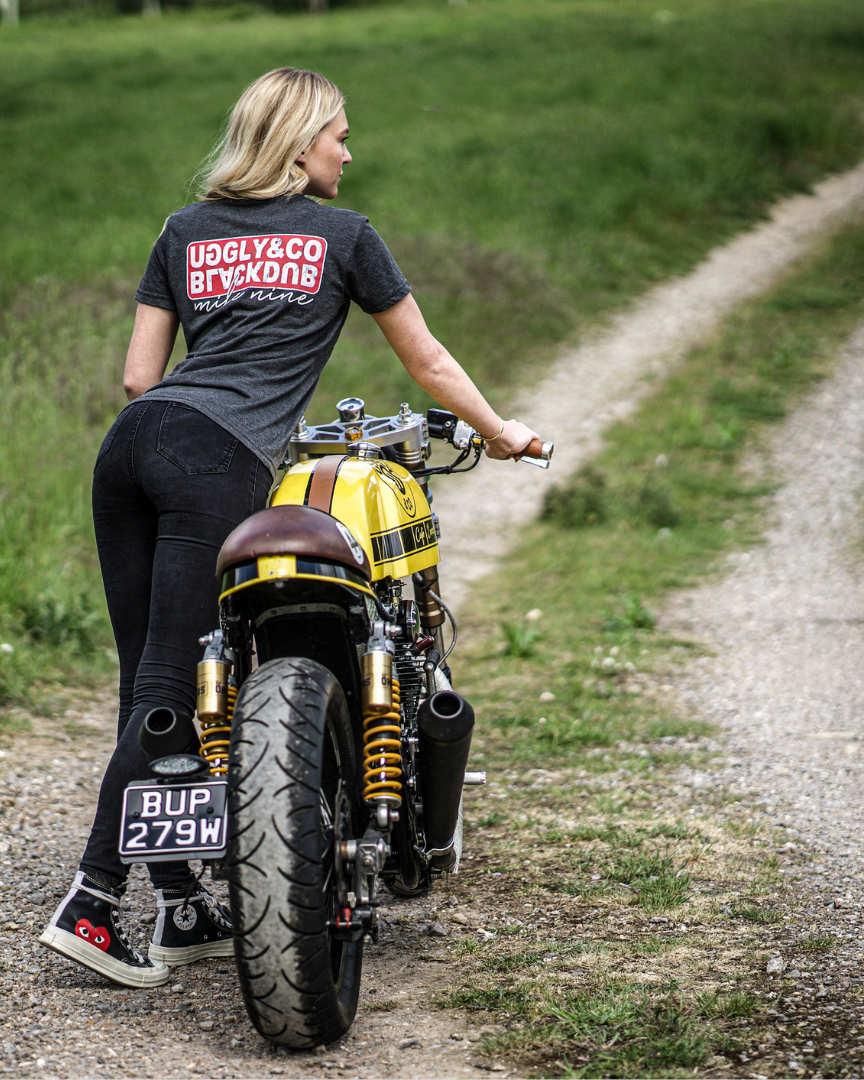
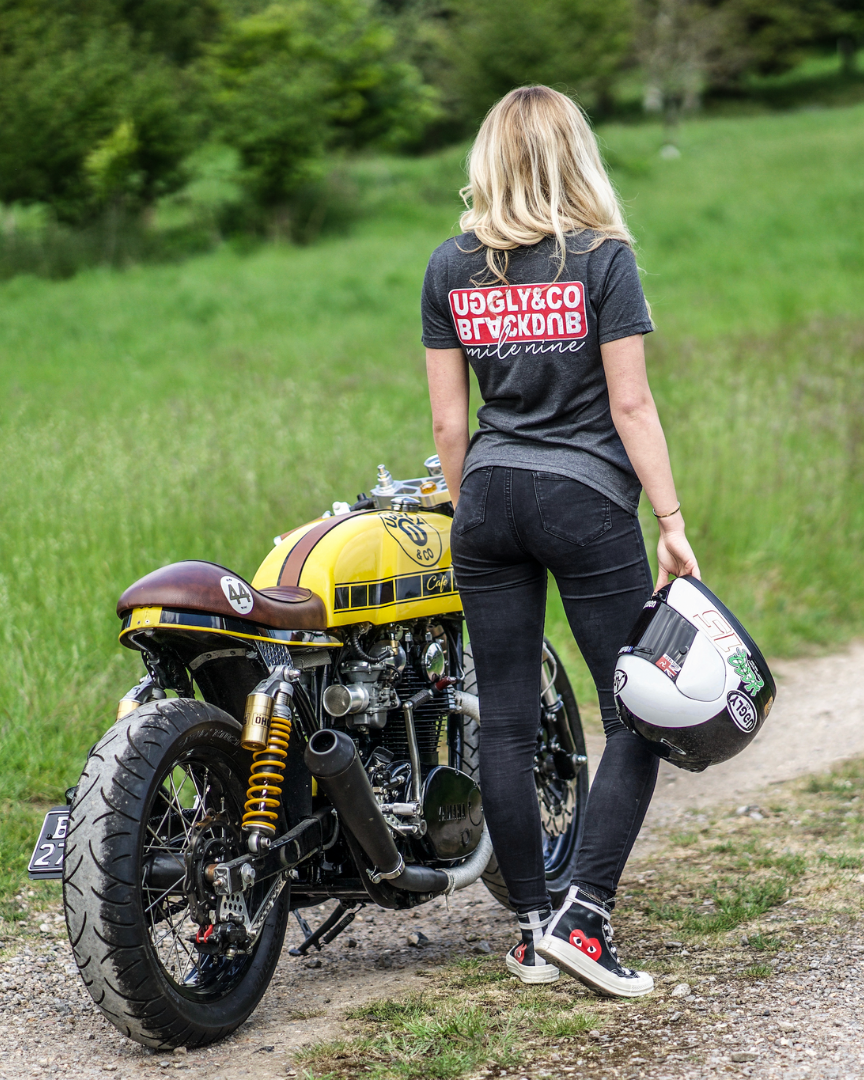
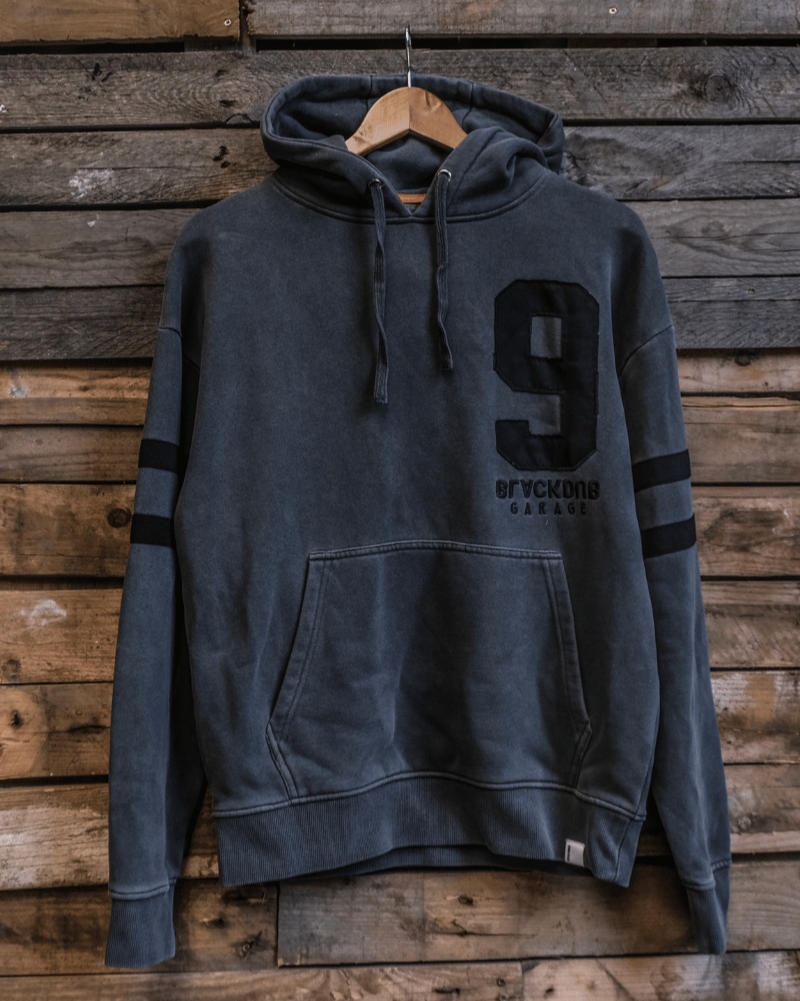
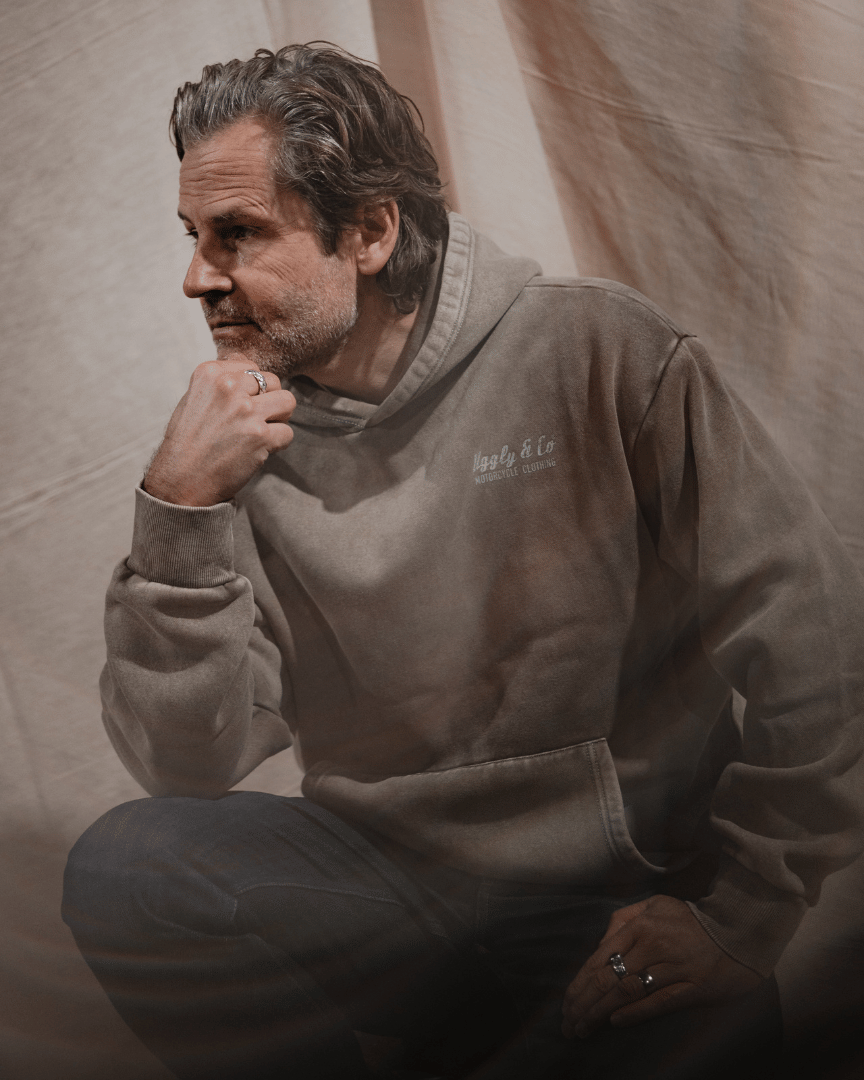
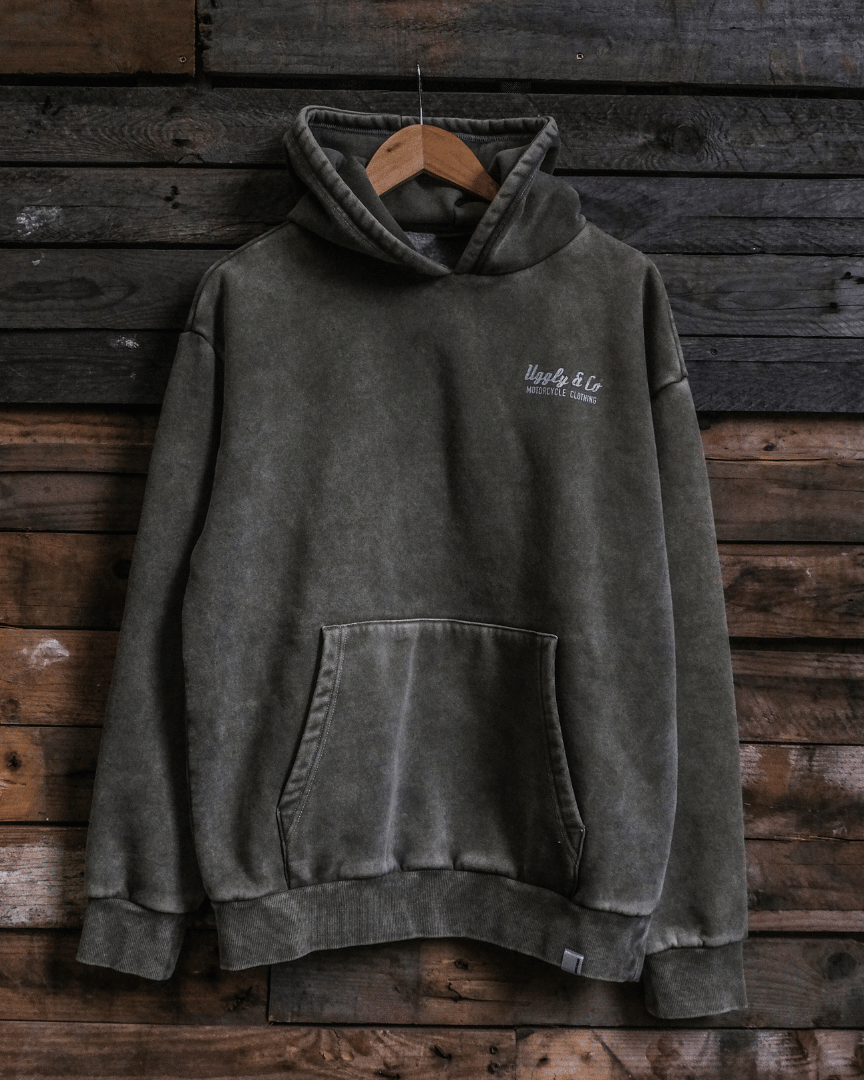
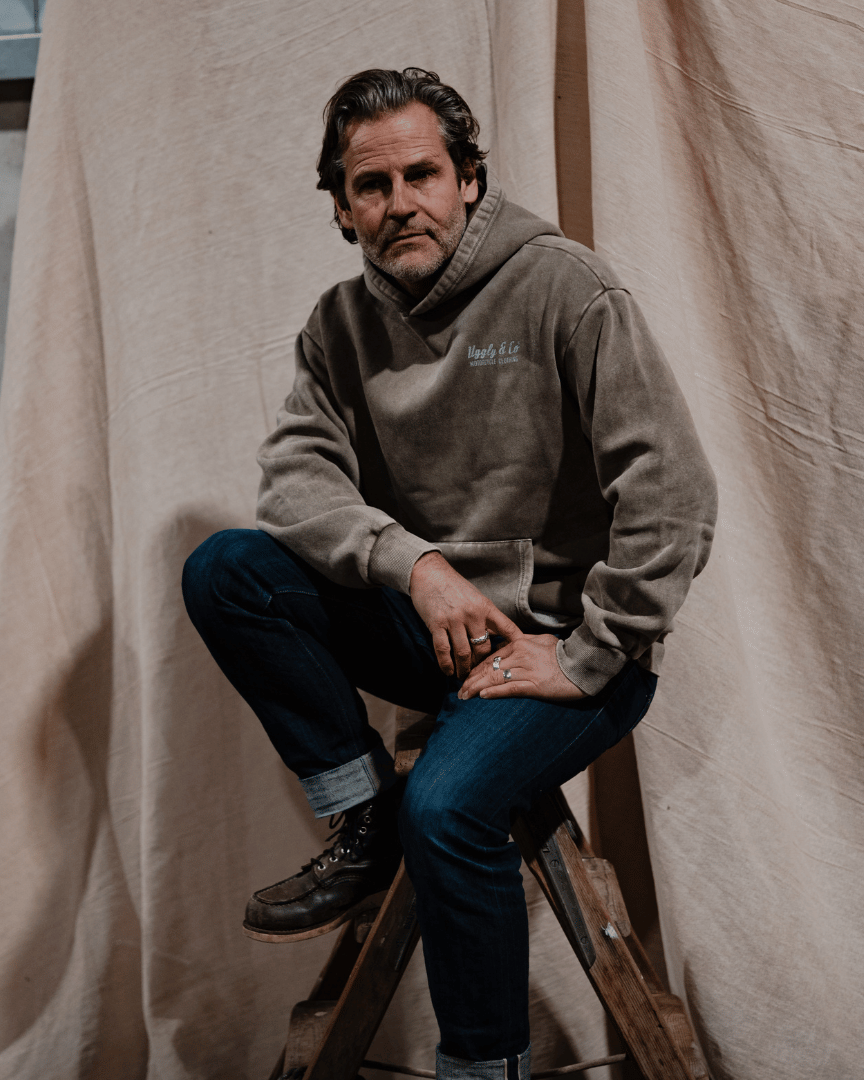
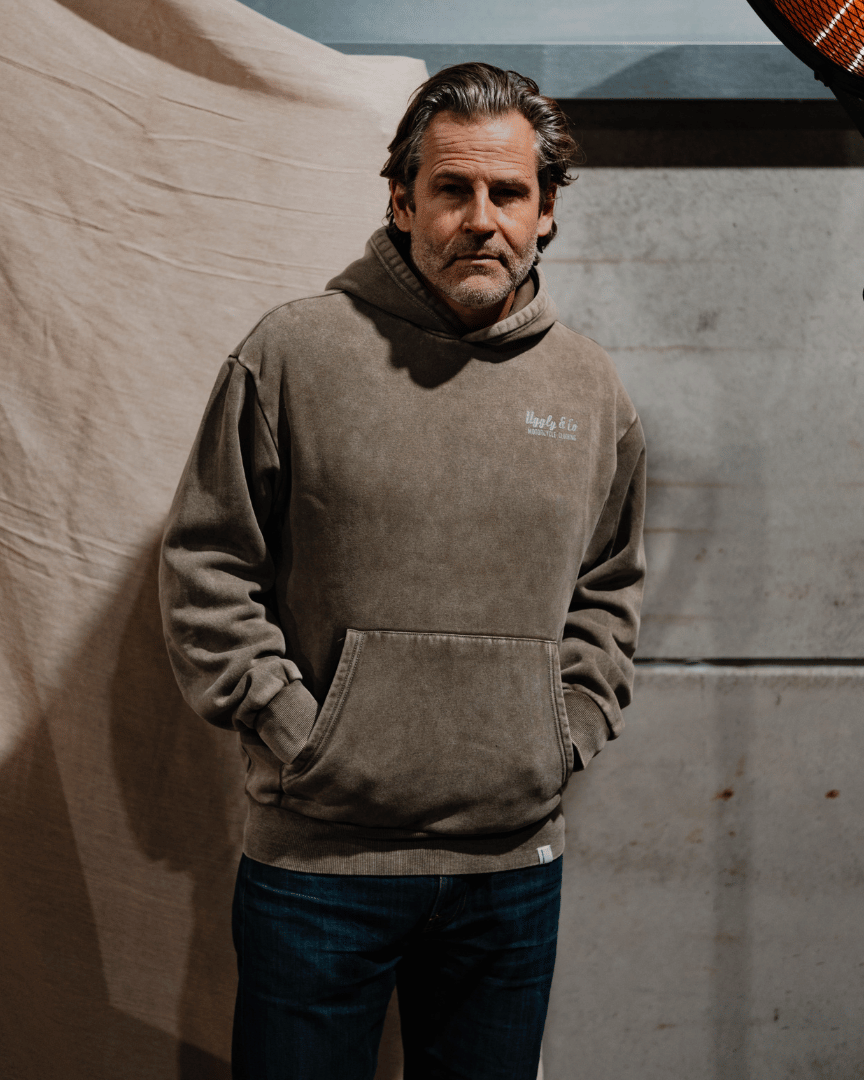
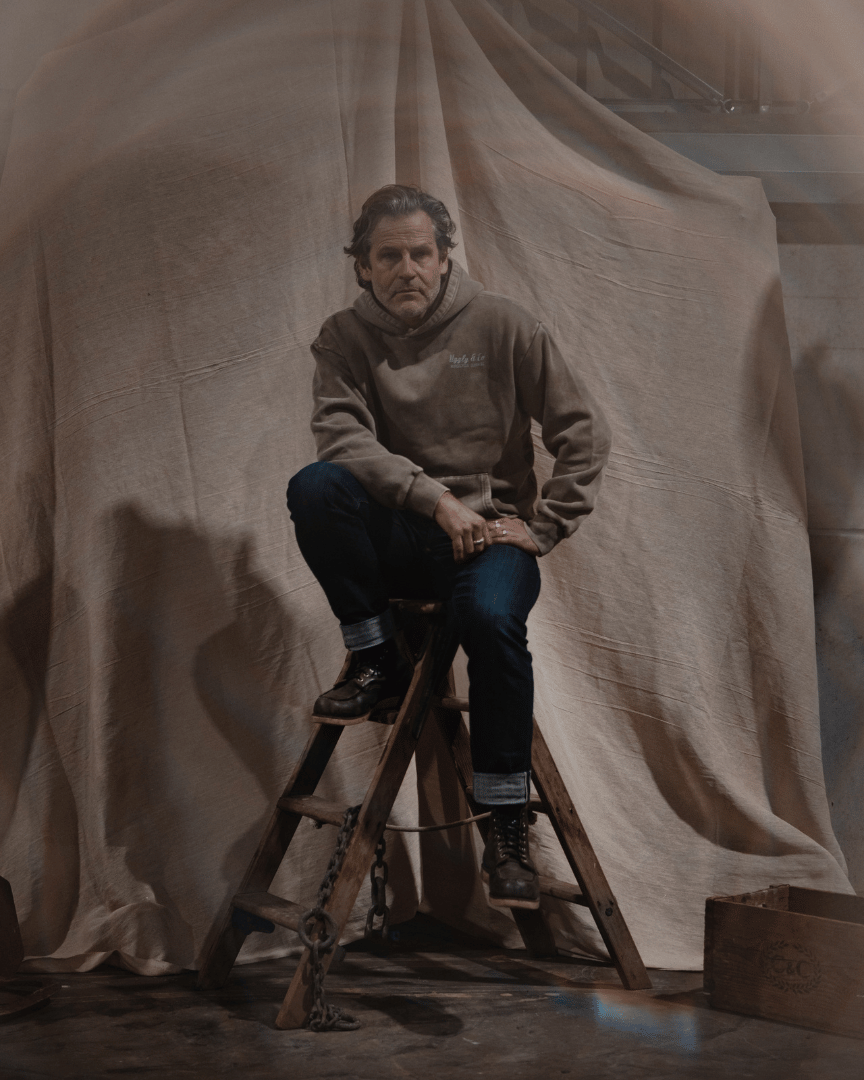
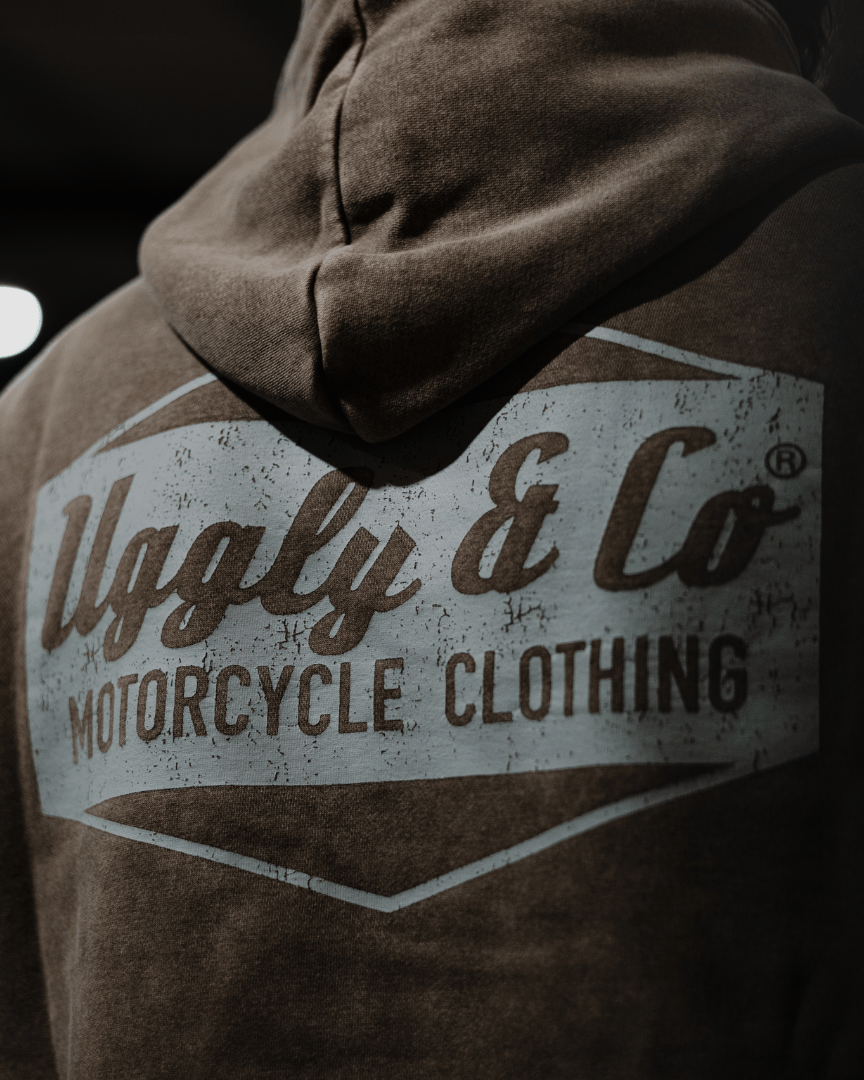
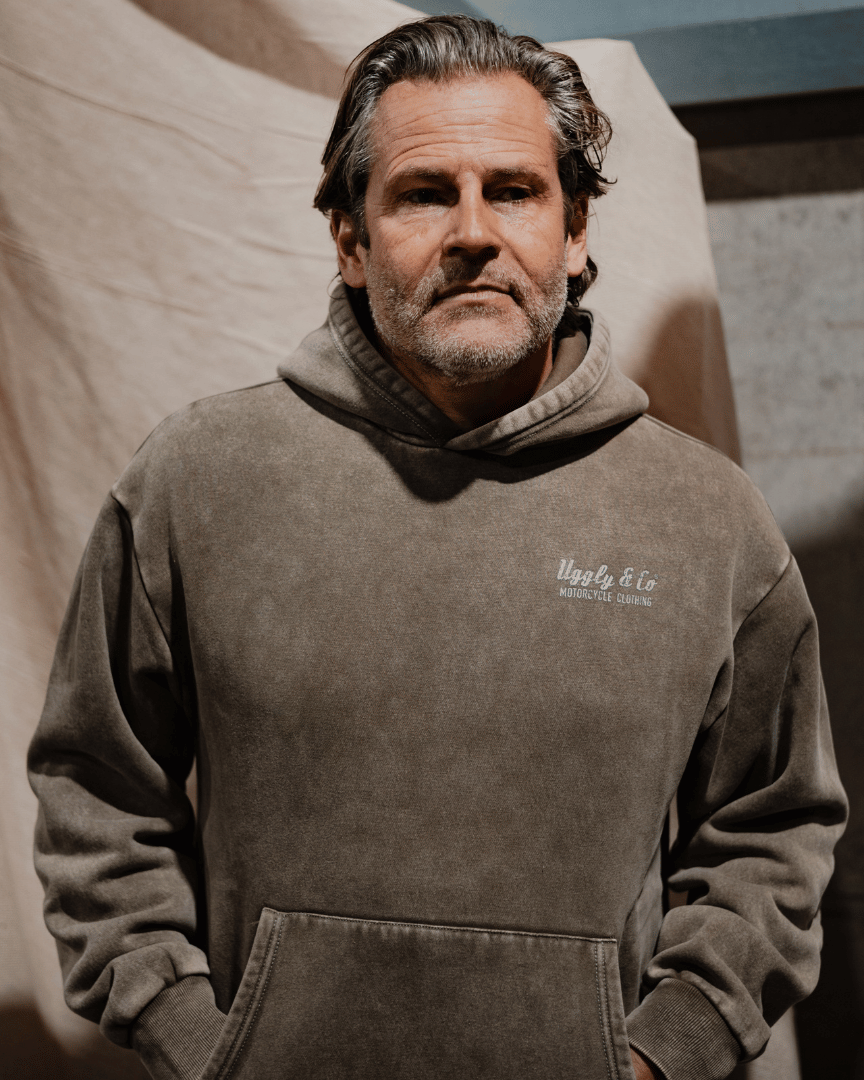
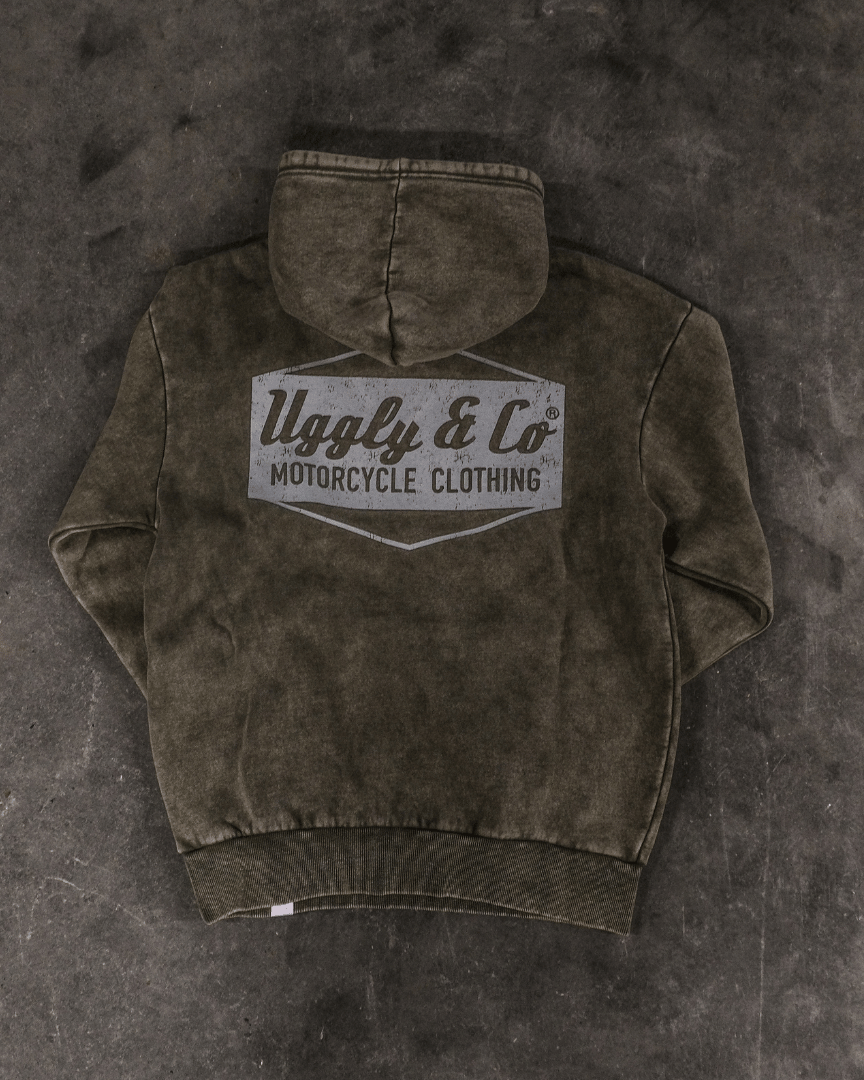
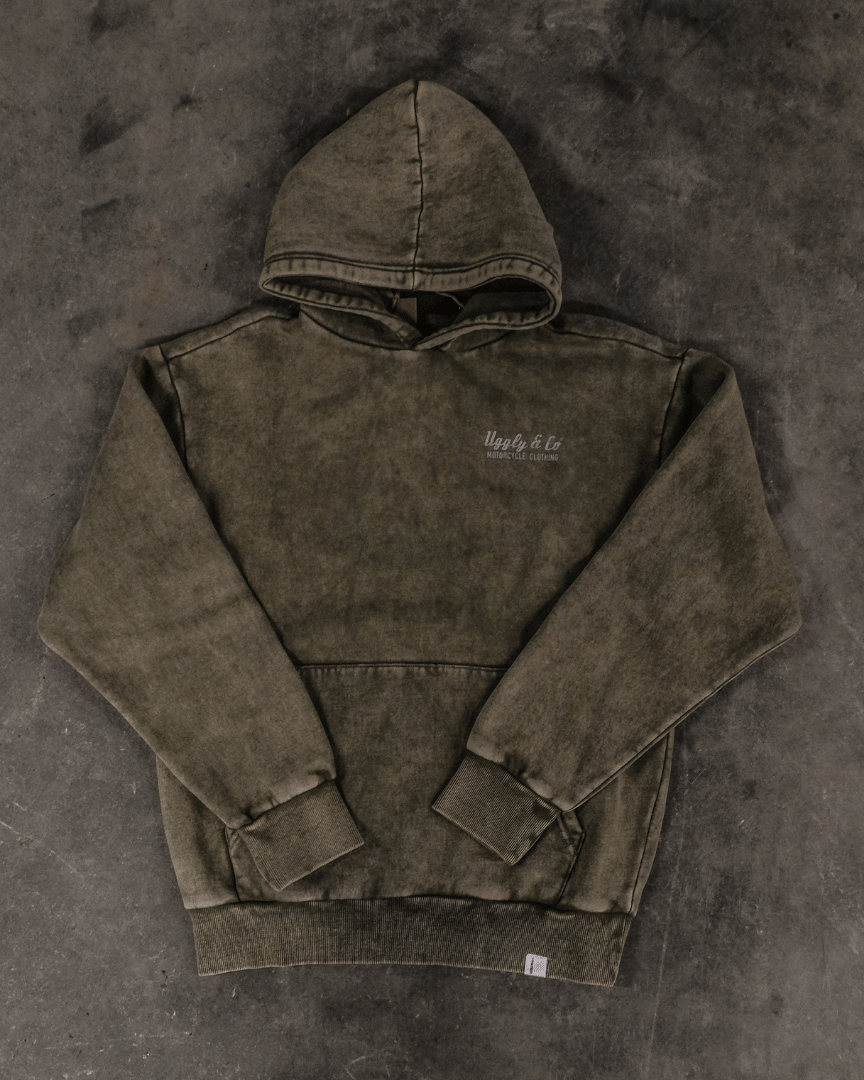
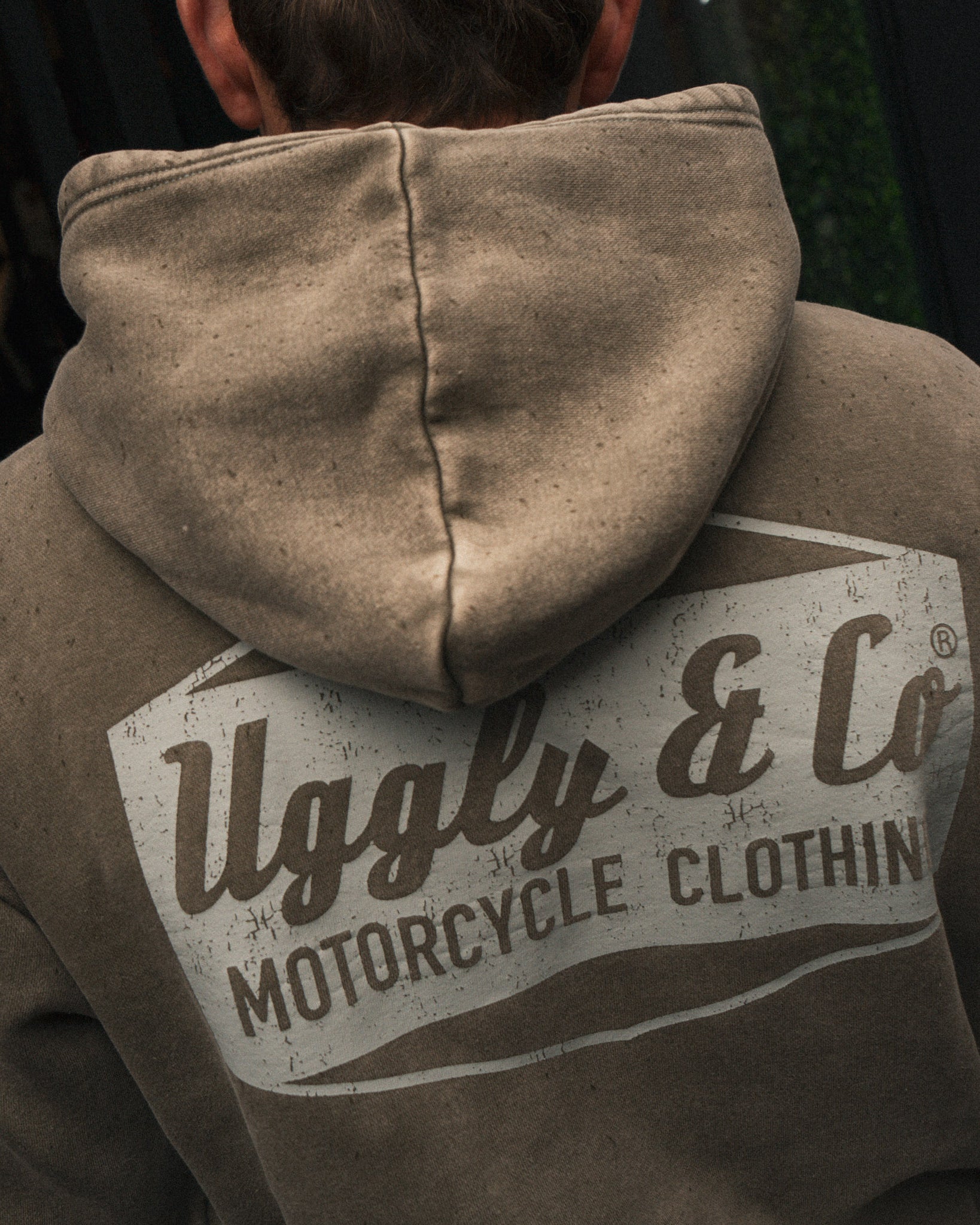
The emergence of "garage inspired clothing" also shaped the culture. As riders sought to emulate their idols, style became synonymous with speed. This period saw the rise of motorcycle apparel brands, paving the way for the fashionable enduro champion jersey, allowing fans and racers alike to show their devotion to the sport.
The Safety Revolution
As speeds increased, so did the emphasis on safety. The 1980s introduced crucial safety measures both on and off the track. Innovations such as improved helmet designs and protective gear became essential for racers. Organisations began to enforce stricter safety protocols to reduce the risks associated with high-speed racing.
The Modern Era: 1990s-Present
The late 1990s and early 2000s were characterised by a technological arms race. Bikes became lighter, faster, and more efficient as computerisation took hold of motorcycle design. The introduction of advanced suspension systems, electronic fuel injection, and lightweight materials revolutionised both competition bikes and street motorcycles.
Brands like Ducati and Honda led the charge by developing racing motorcycles that would dominate both the racetrack and the streets. The Isle of Man TT evolved, welcoming newcomers and seasoned veterans alike, all while keeping safety and performance in mind.
Significant Contemporary Models
In today’s world, several motorcycles have achieved legendary status at the TT. Notably, the following models are often revered:
| Motorcycle Model | Engine Type | Top Speed (mph) |
|---|---|---|
| Kawasaki ZX-10R | Inline-4 | 200 |
| Ducati Panigale V4 | V4 | 214 |
| BMW S1000RR | Inline-4 | 202 |
| Honda CBR1000RR | Inline-4 | 186 |
These motorcycles have changed the game, pushing boundaries and showcasing the remarkable advancements made by engineers and designers. They exhibit the raw power and appeal that continues to captivate racing enthusiasts worldwide.
The Cultural Impact of the Isle of Man TT
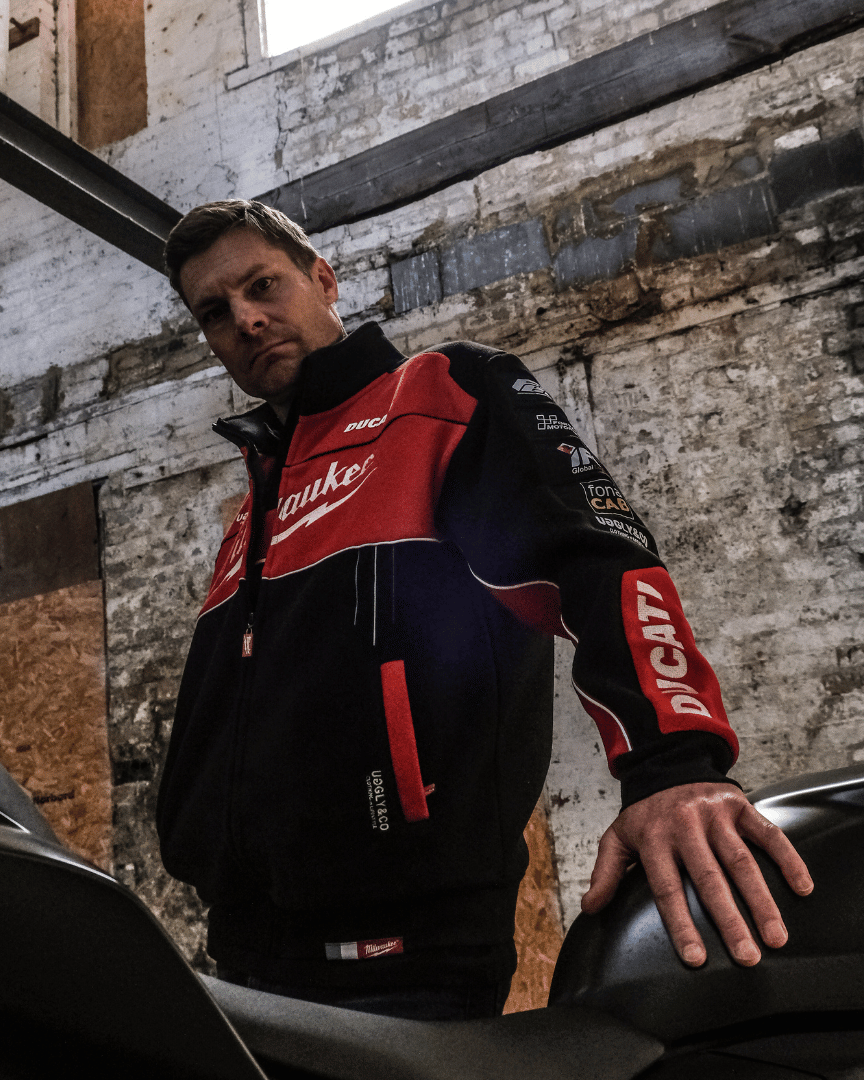
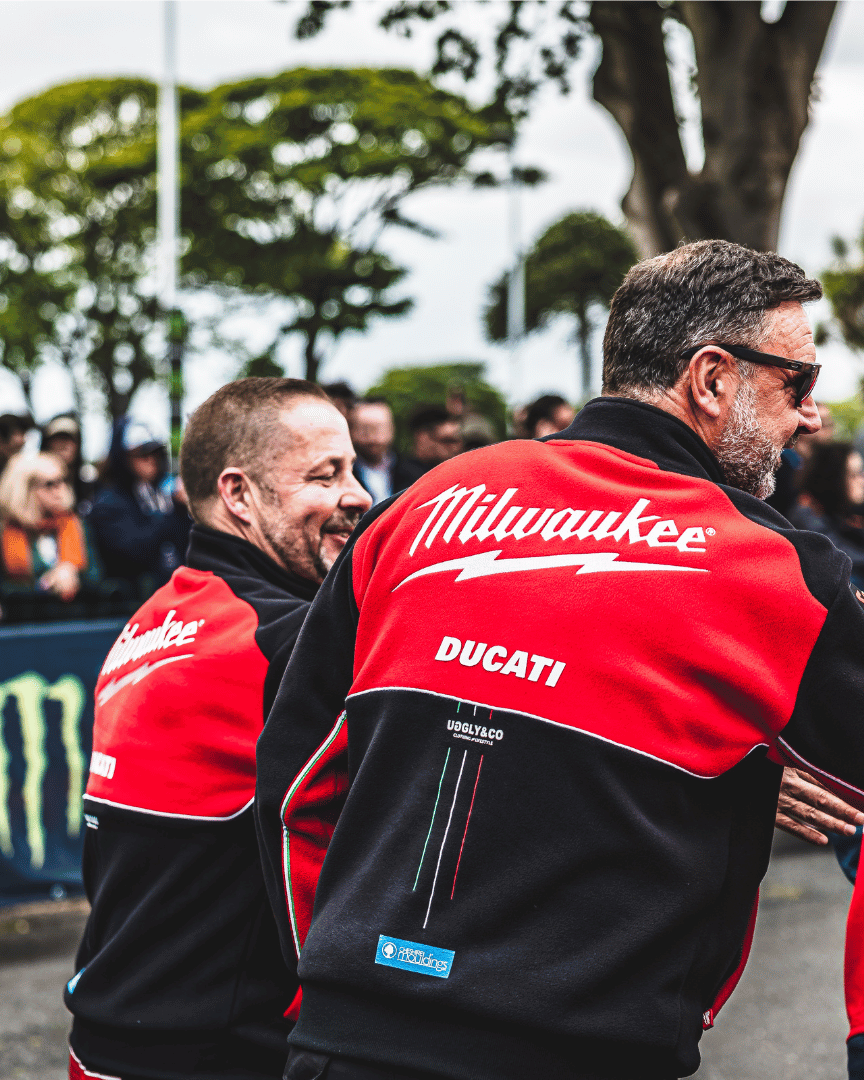
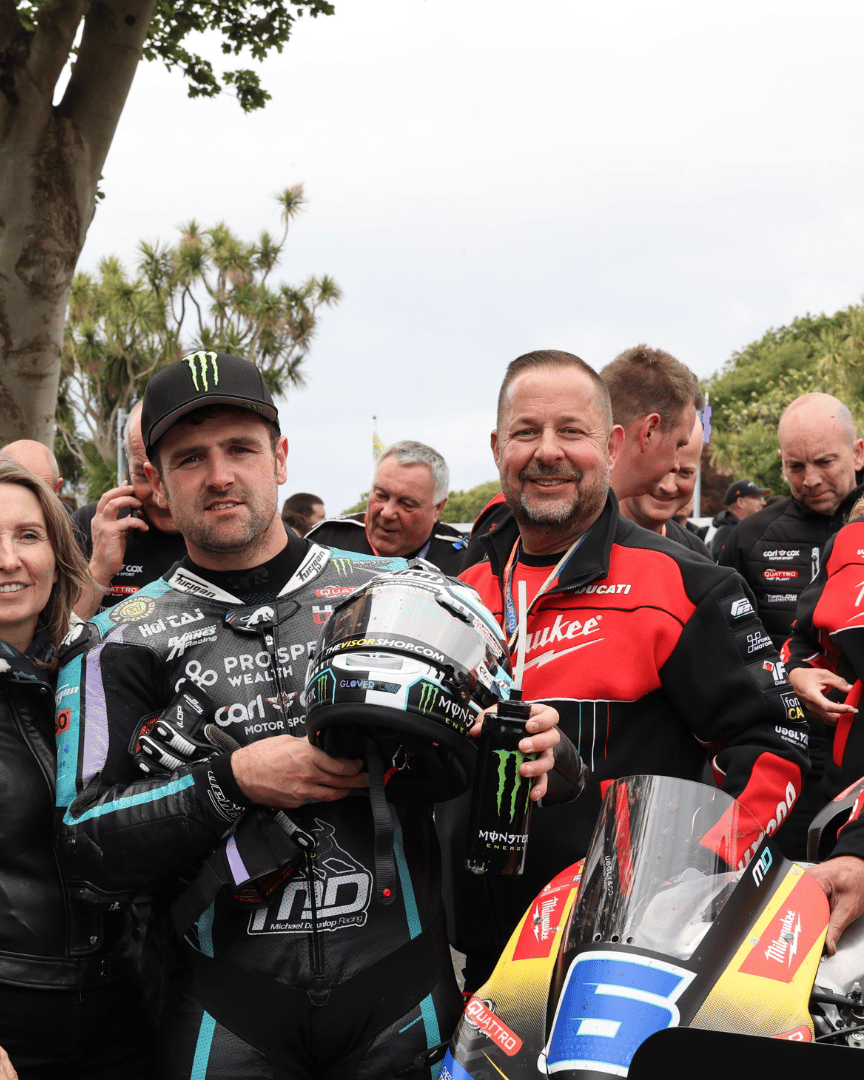
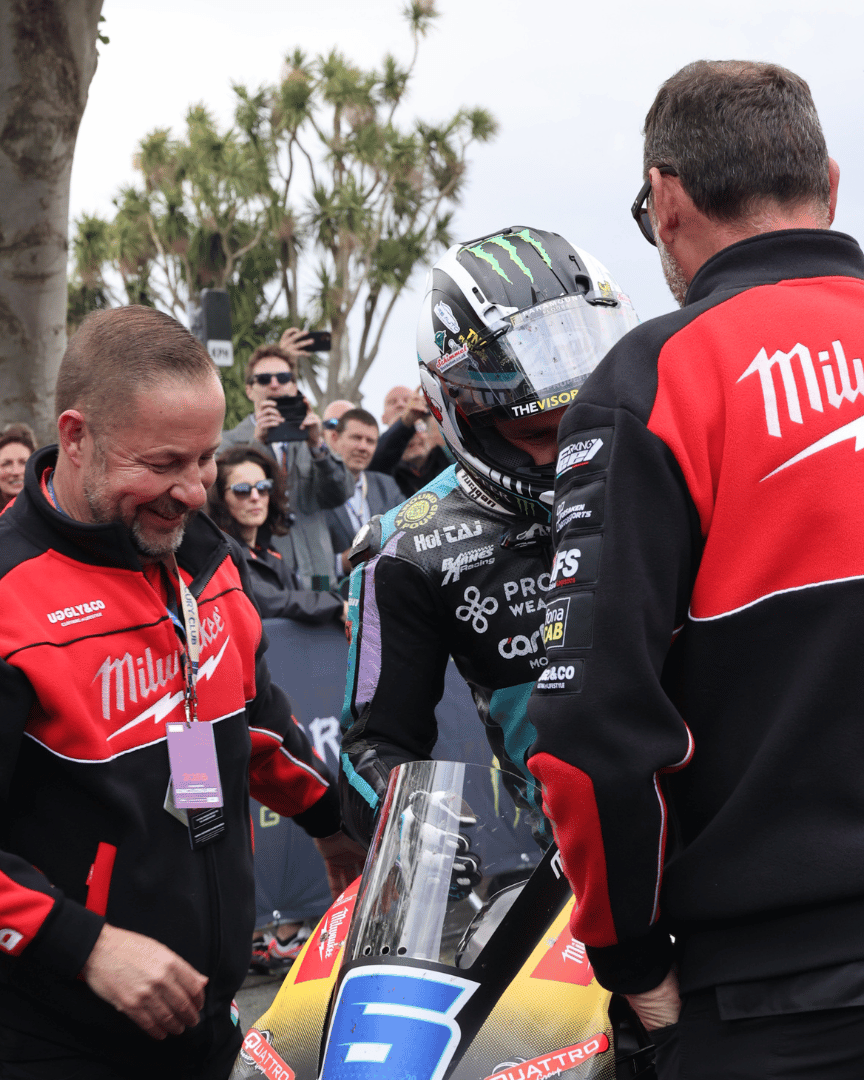
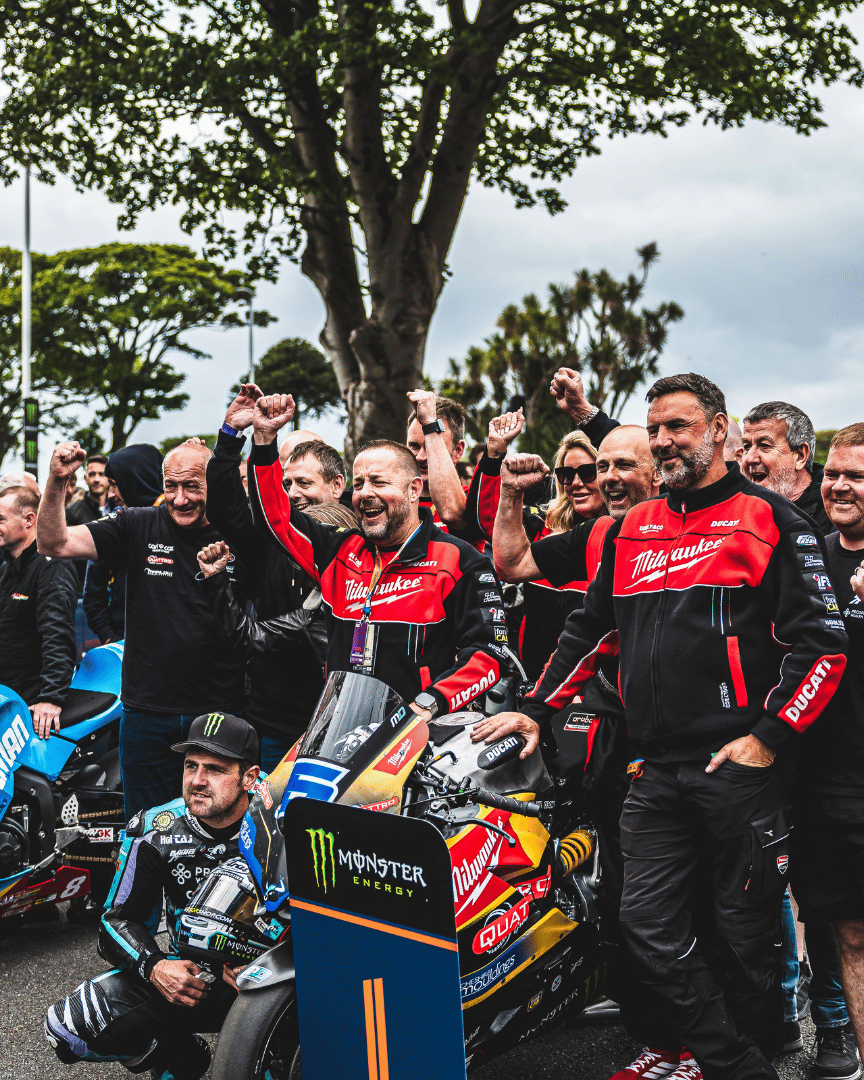
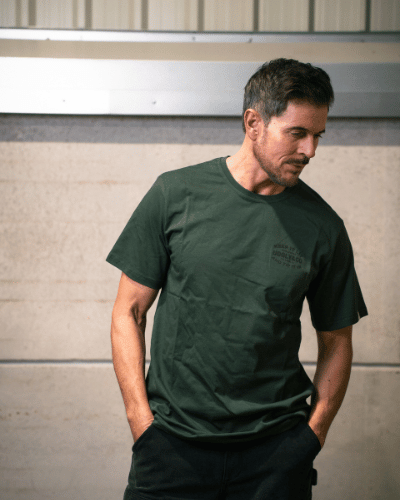
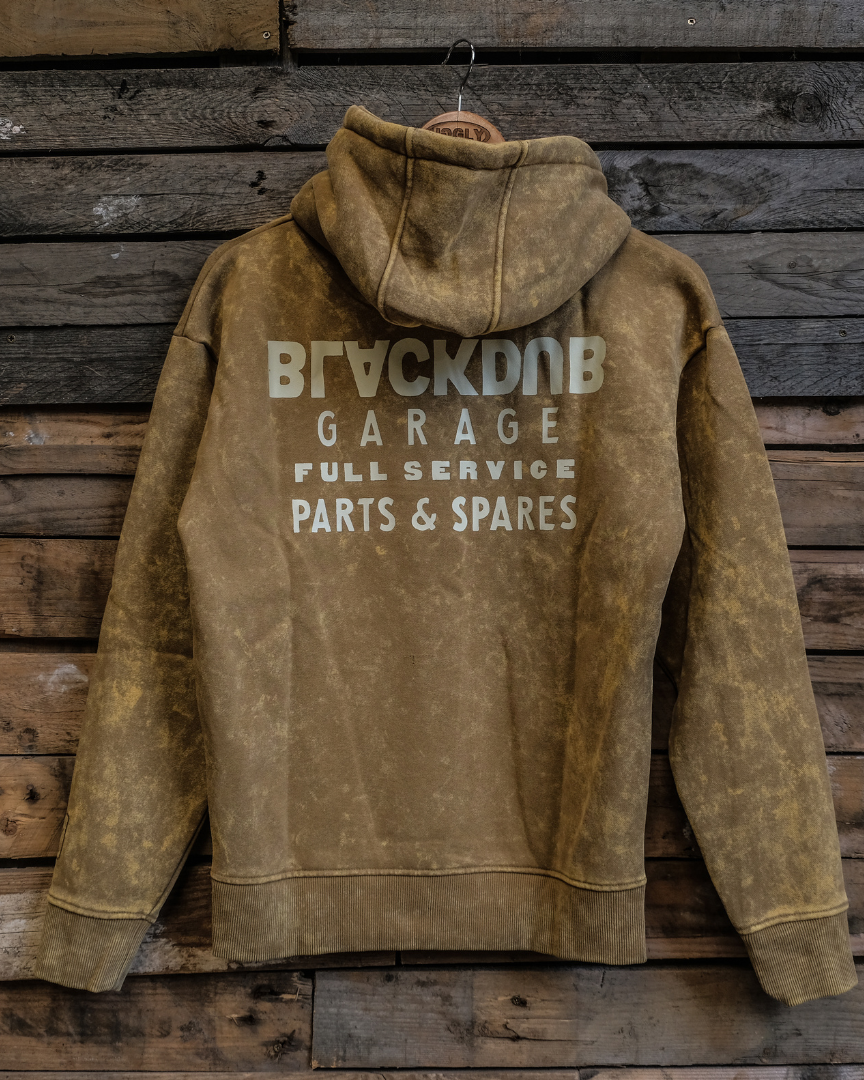
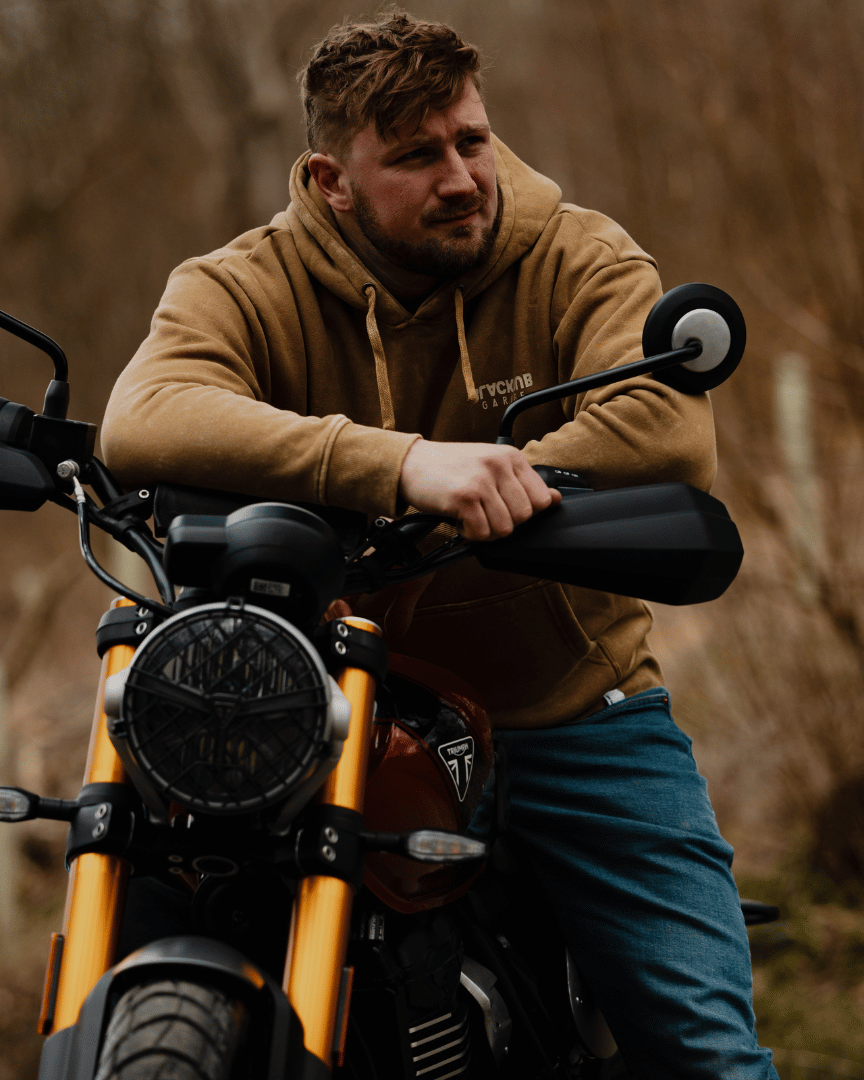
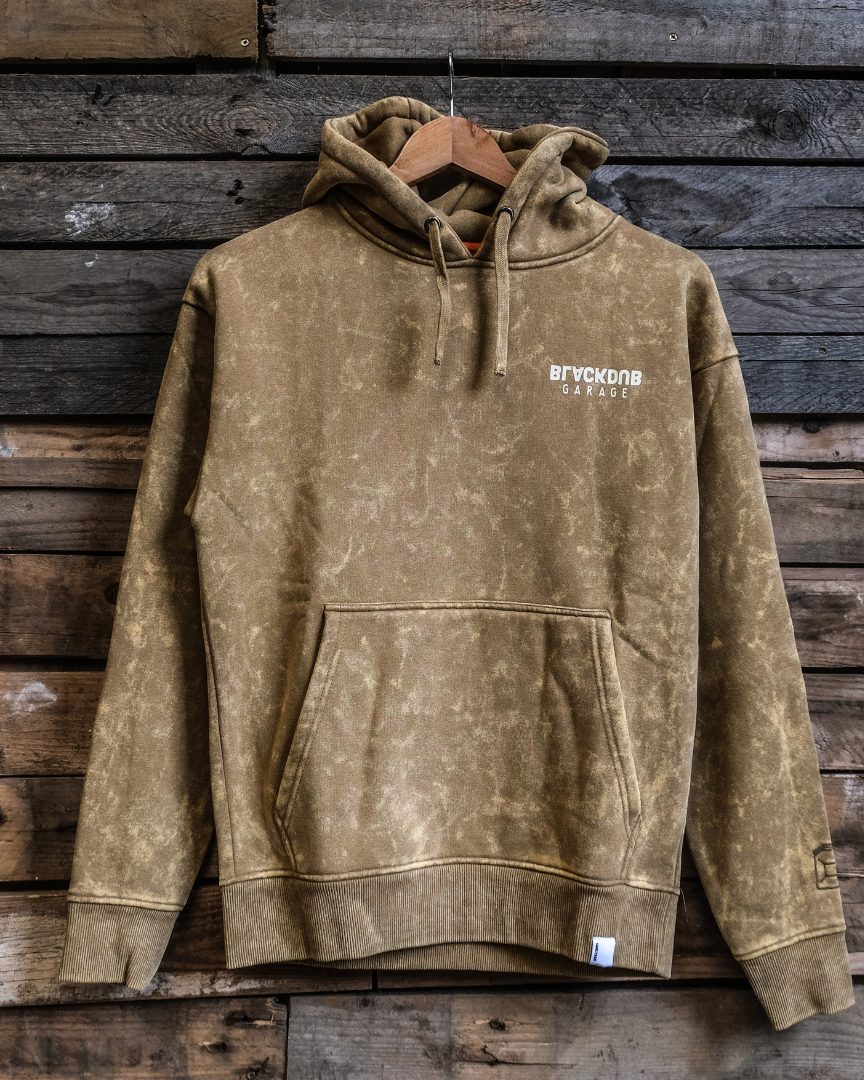
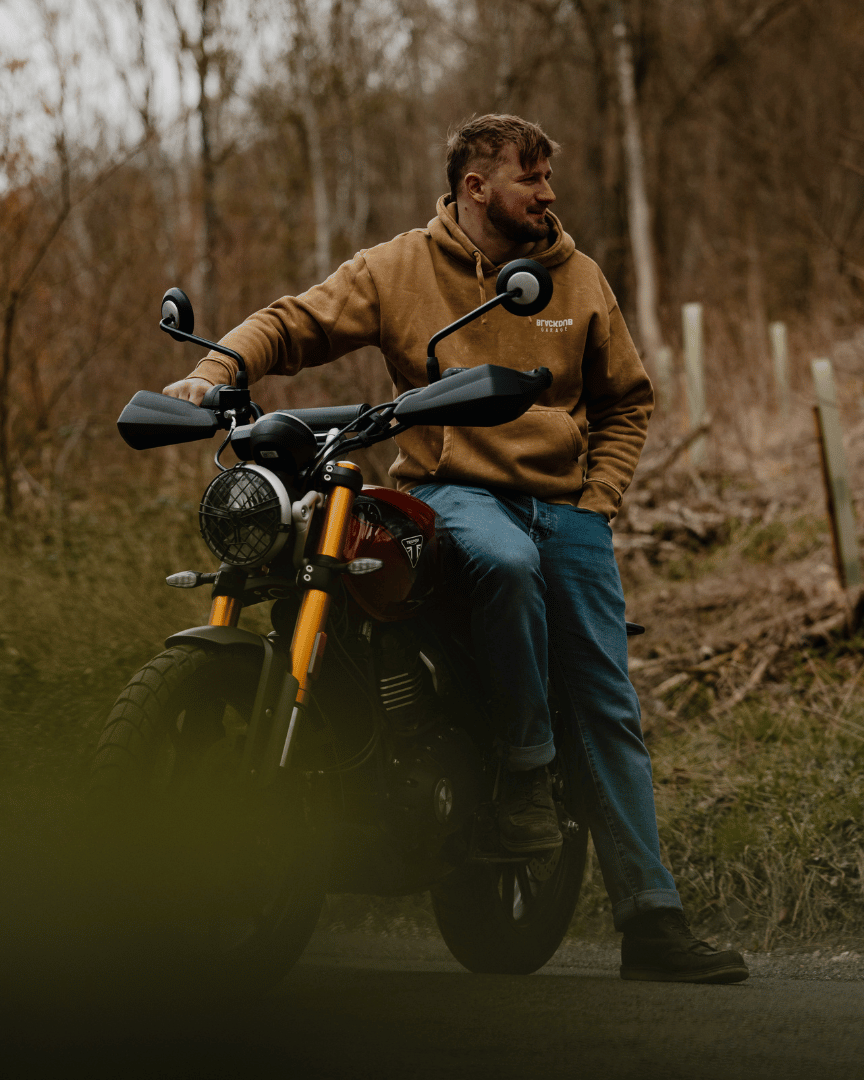
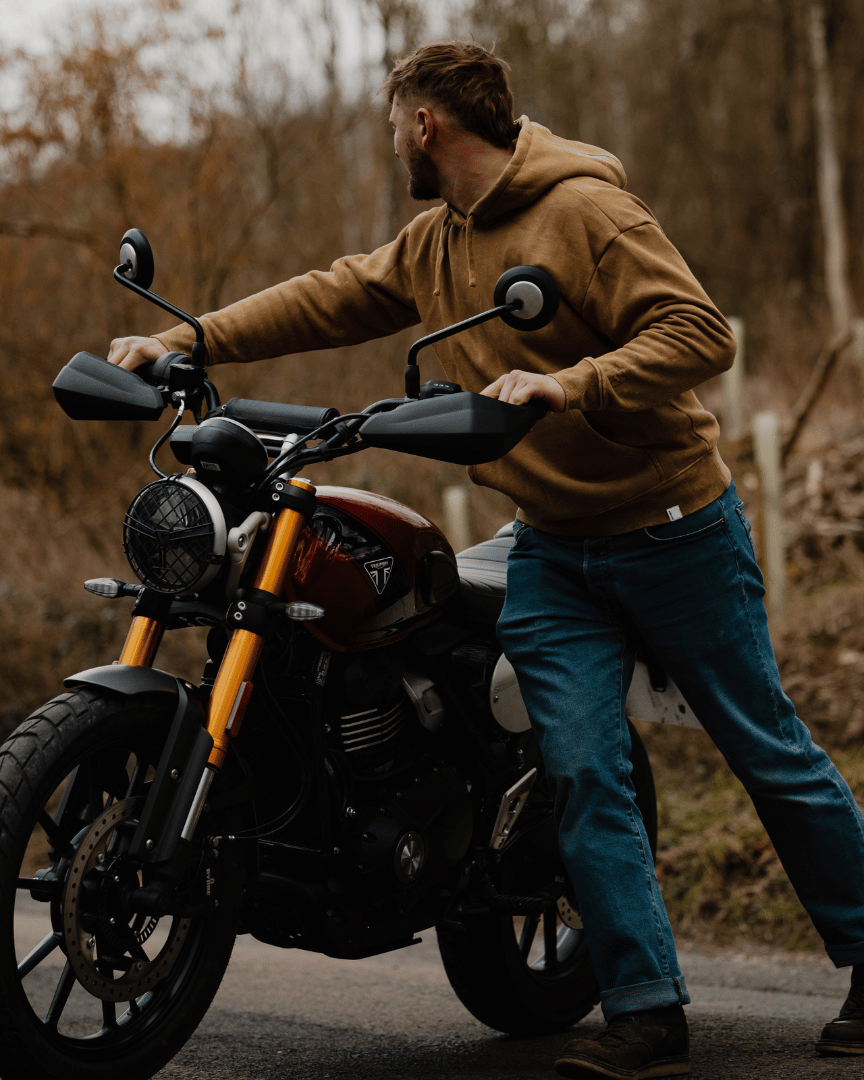
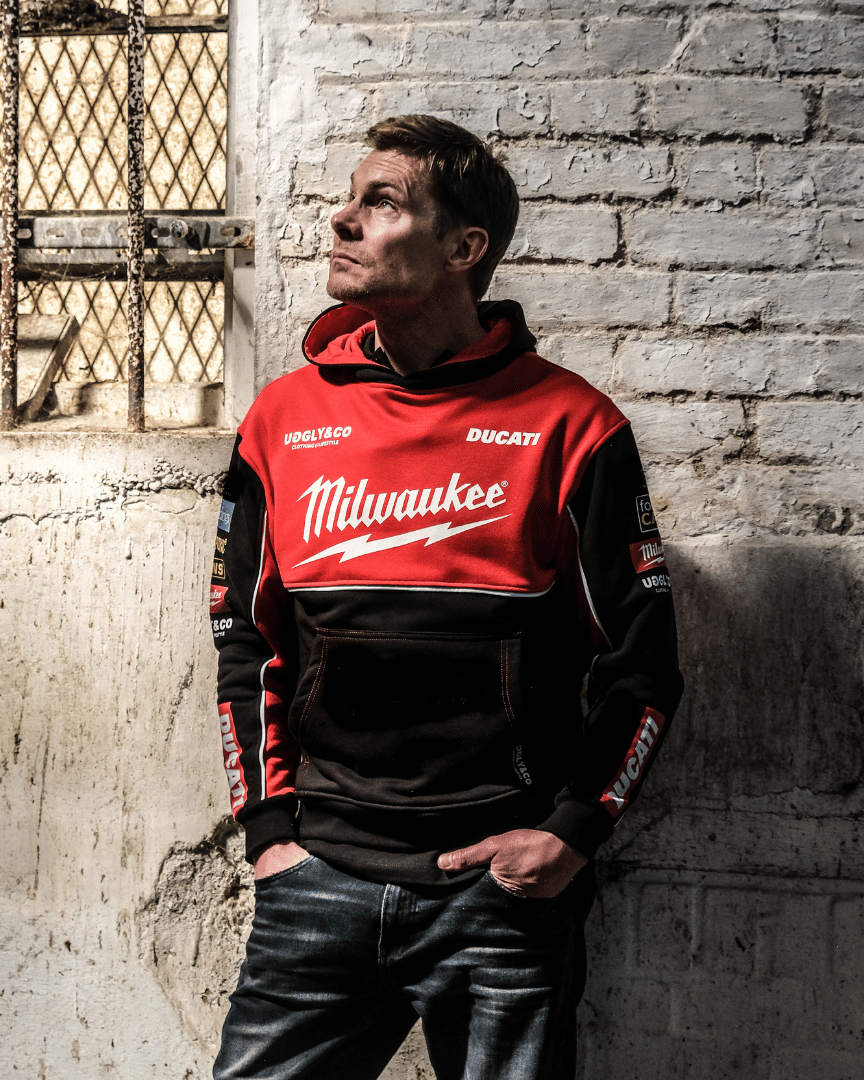
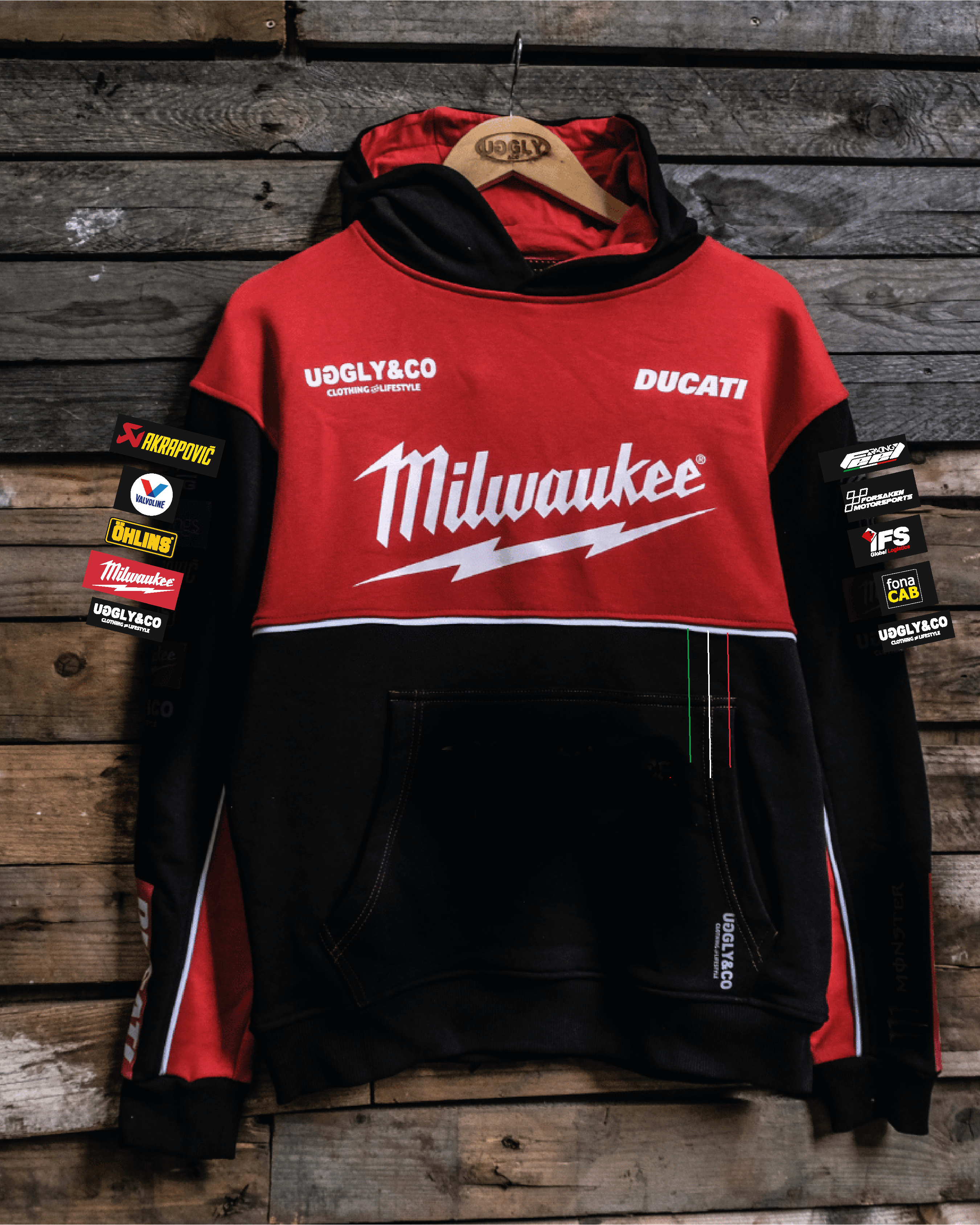
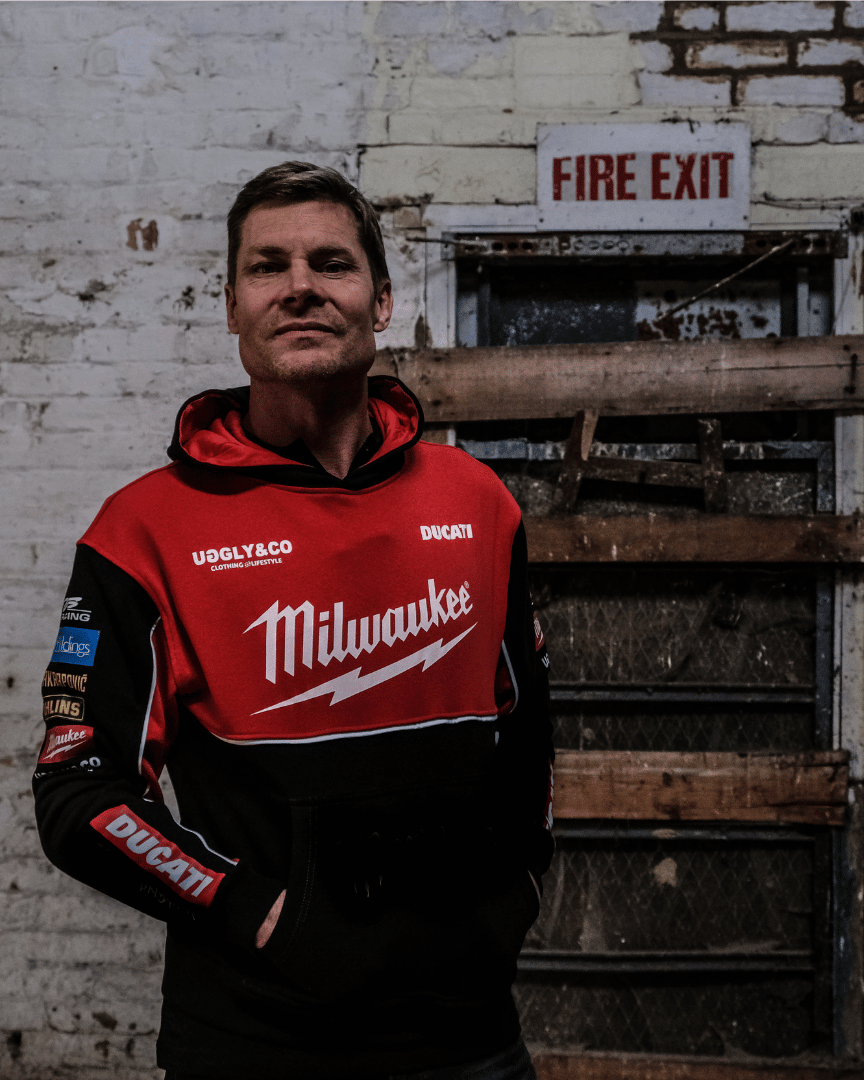
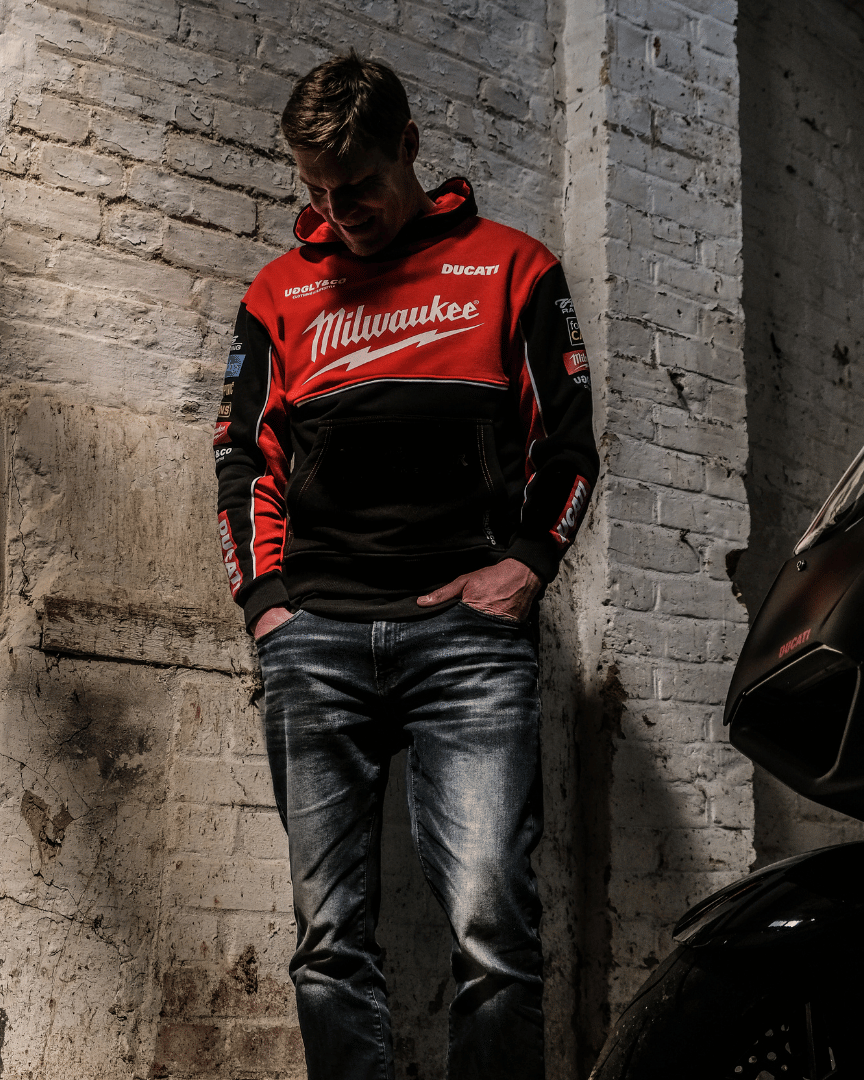
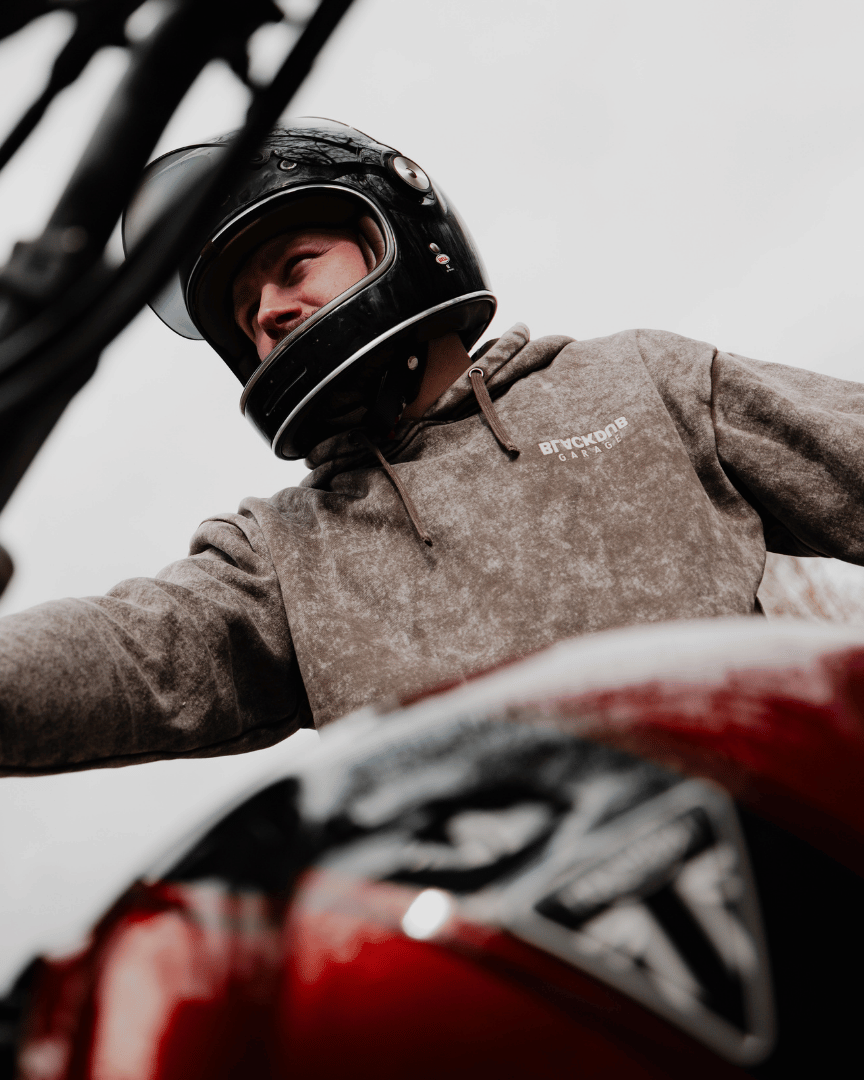
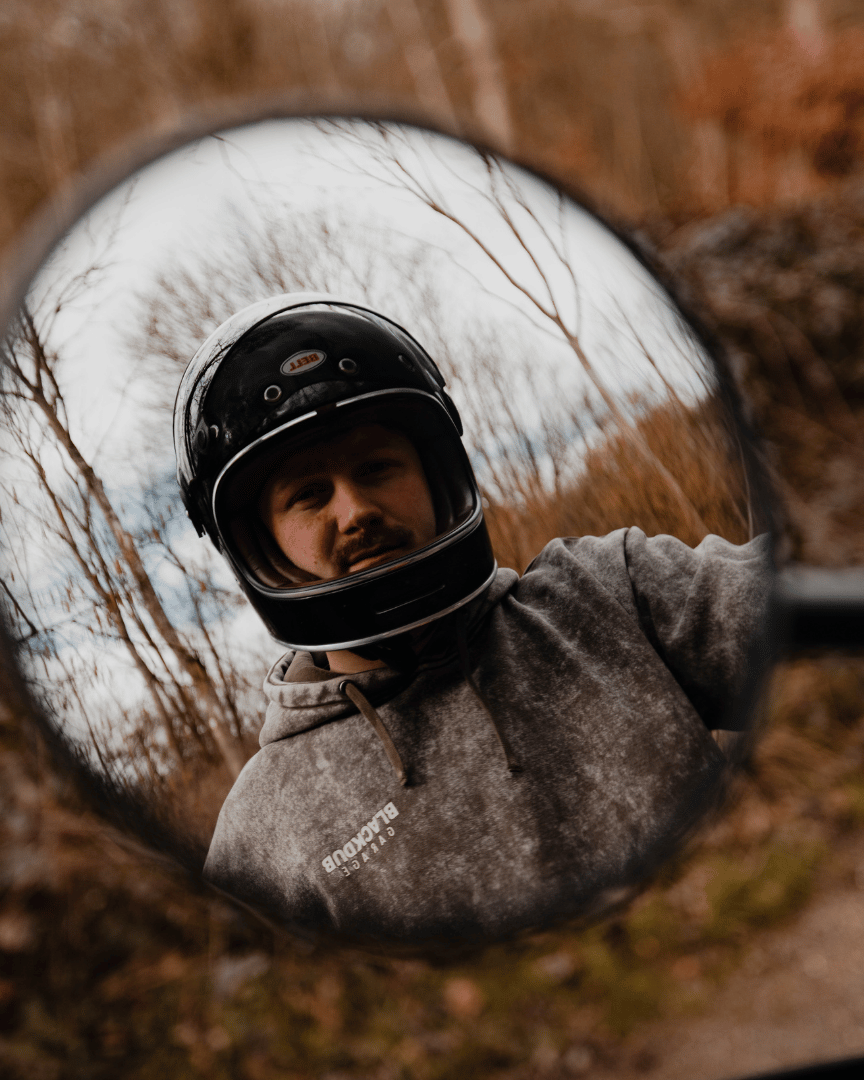
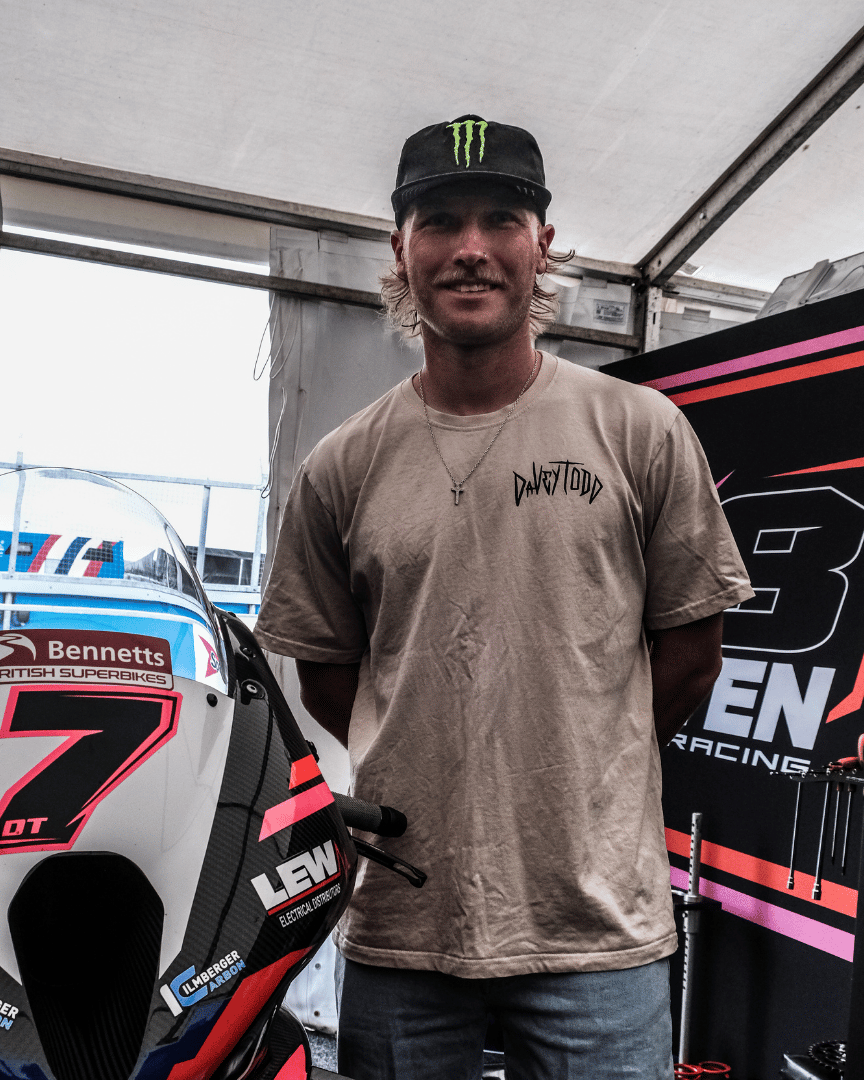
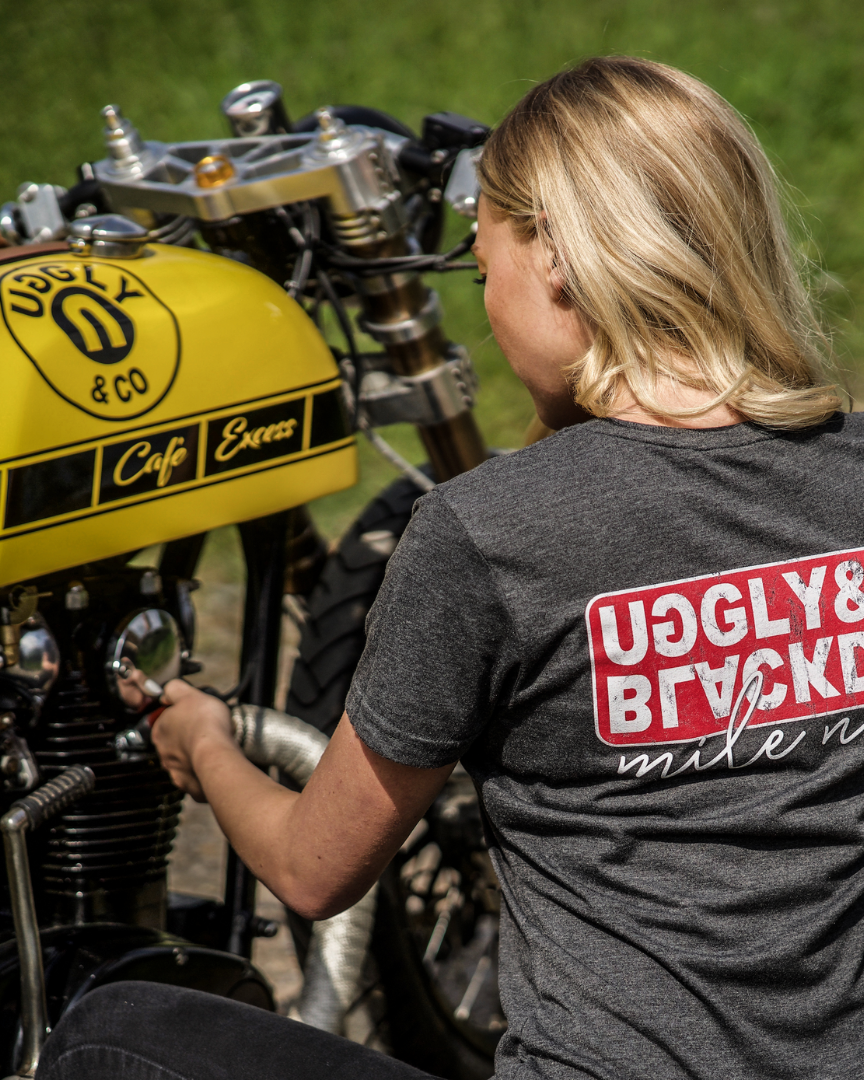
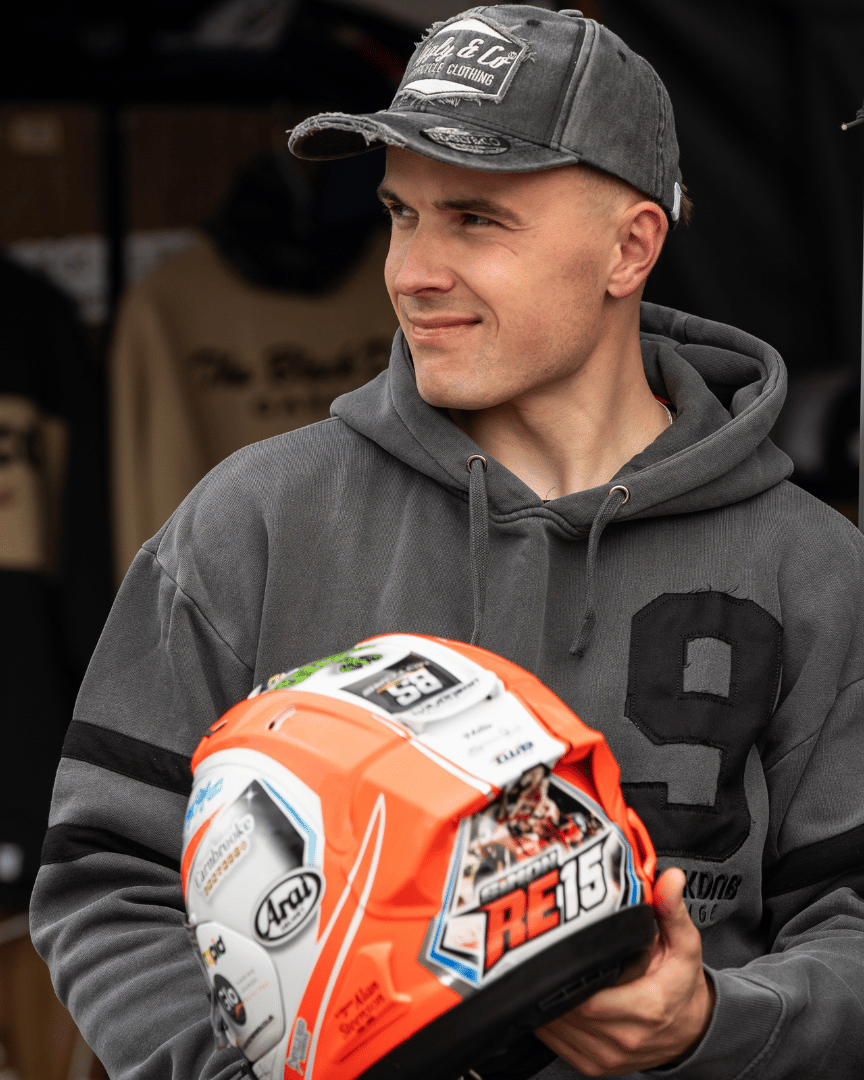
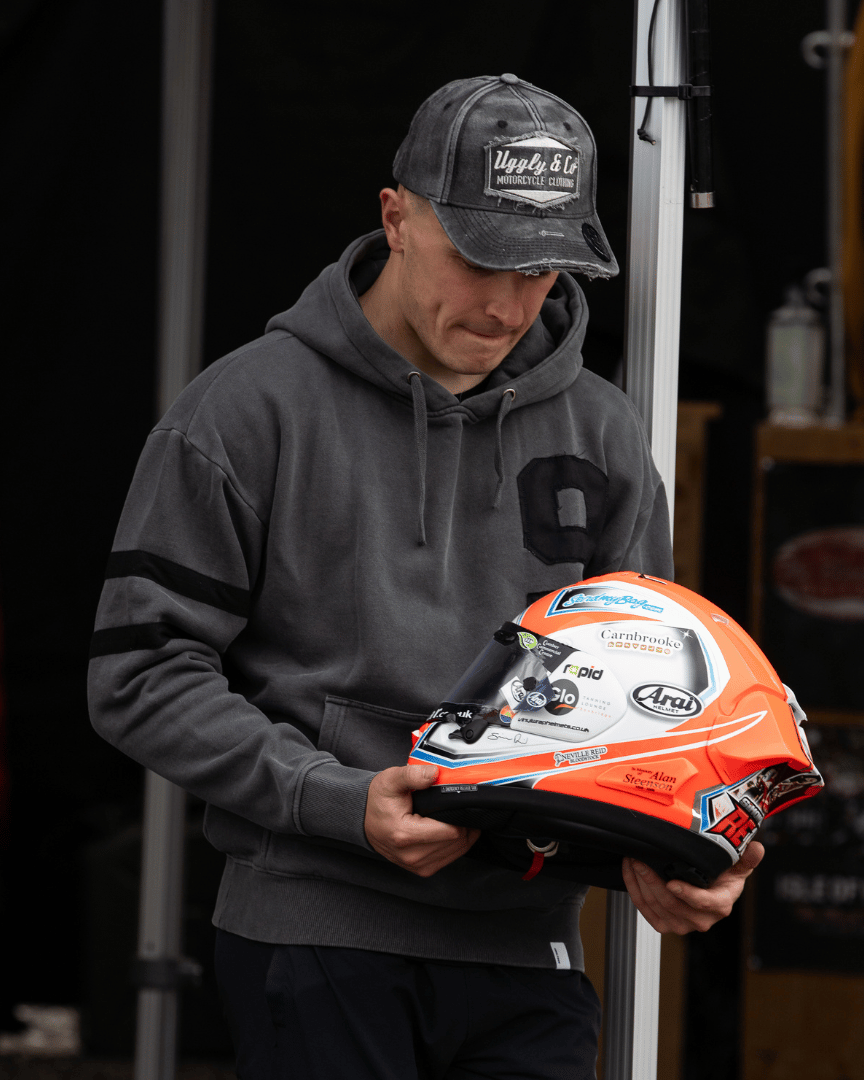
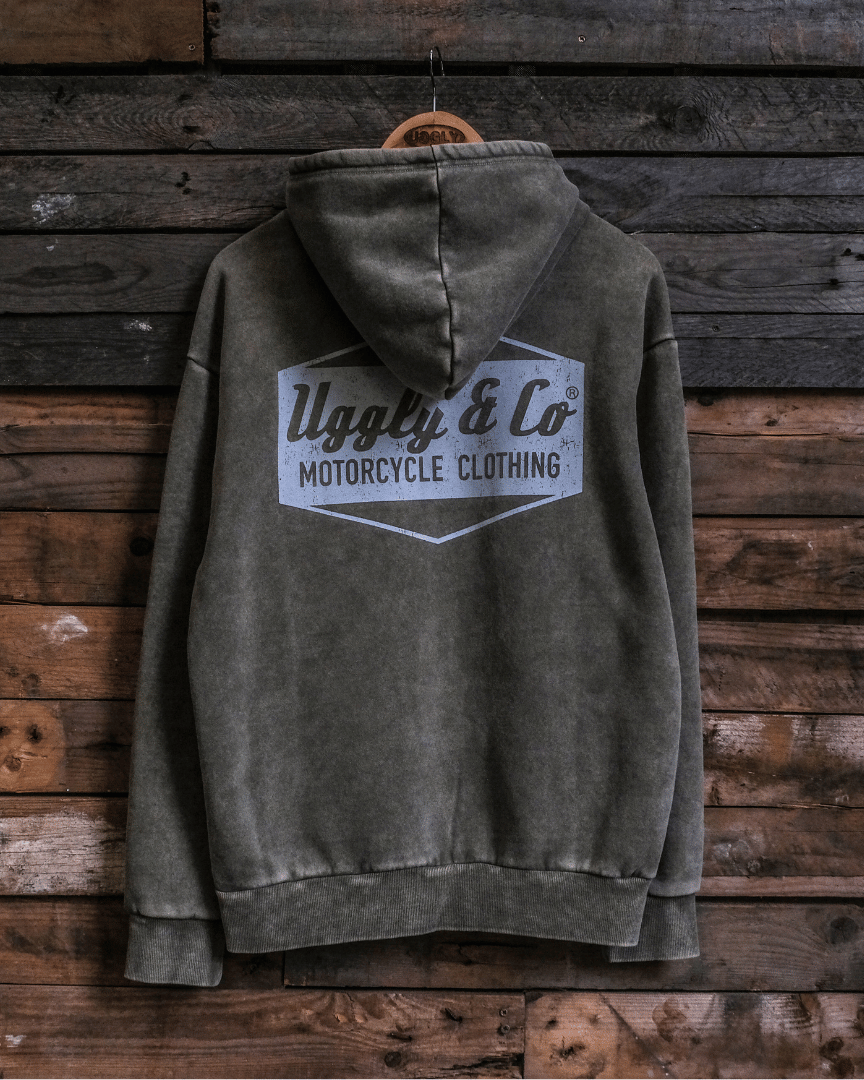
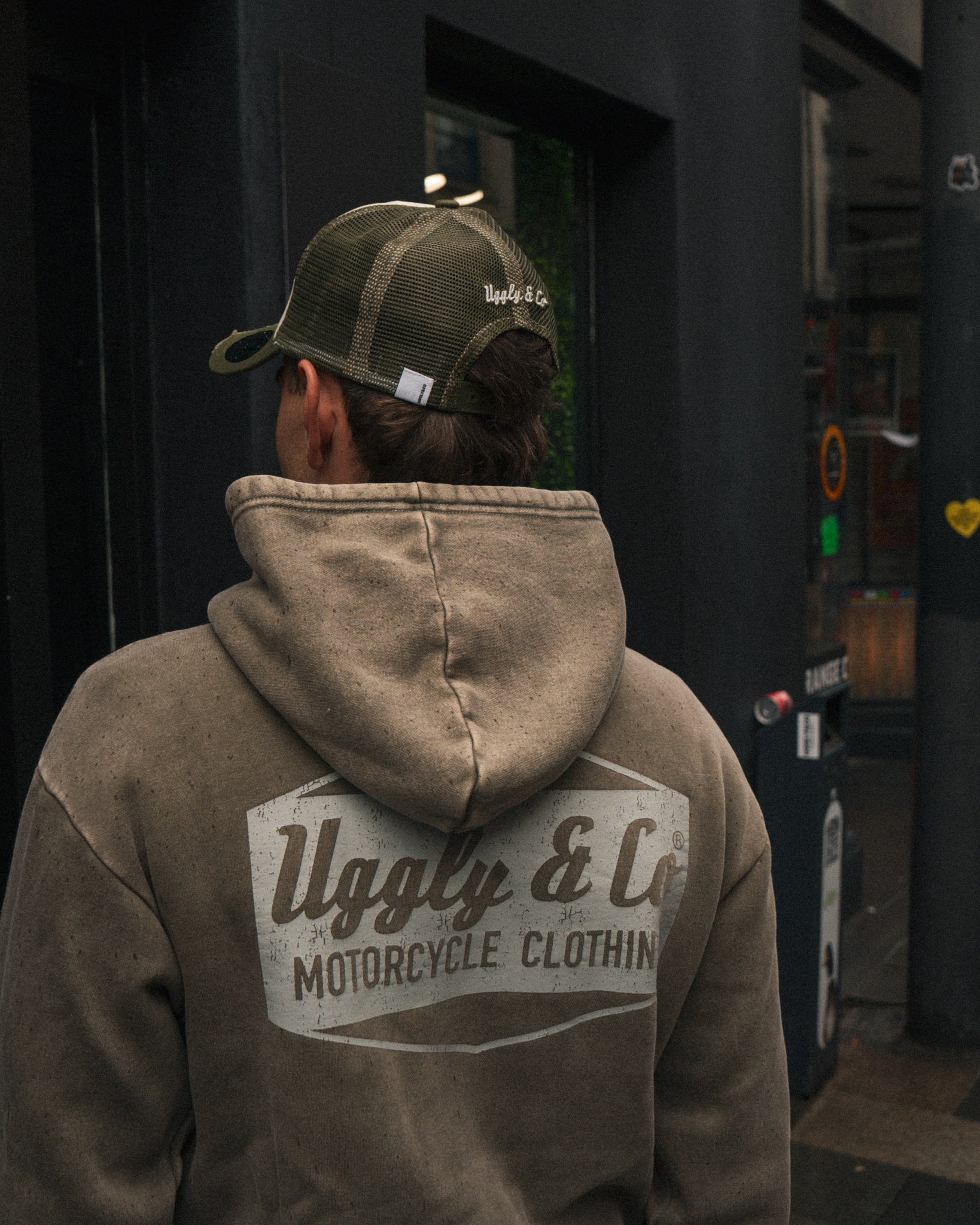
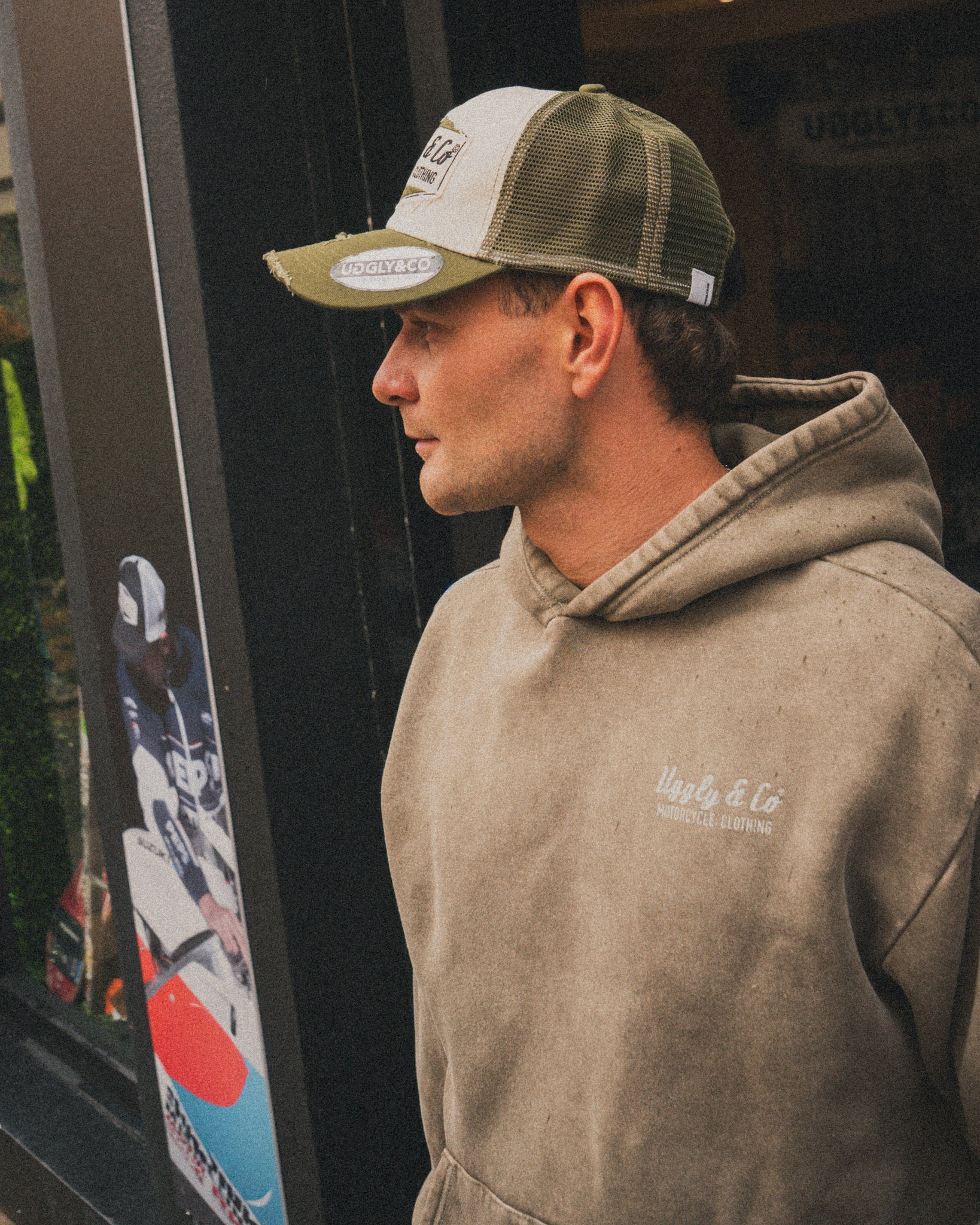
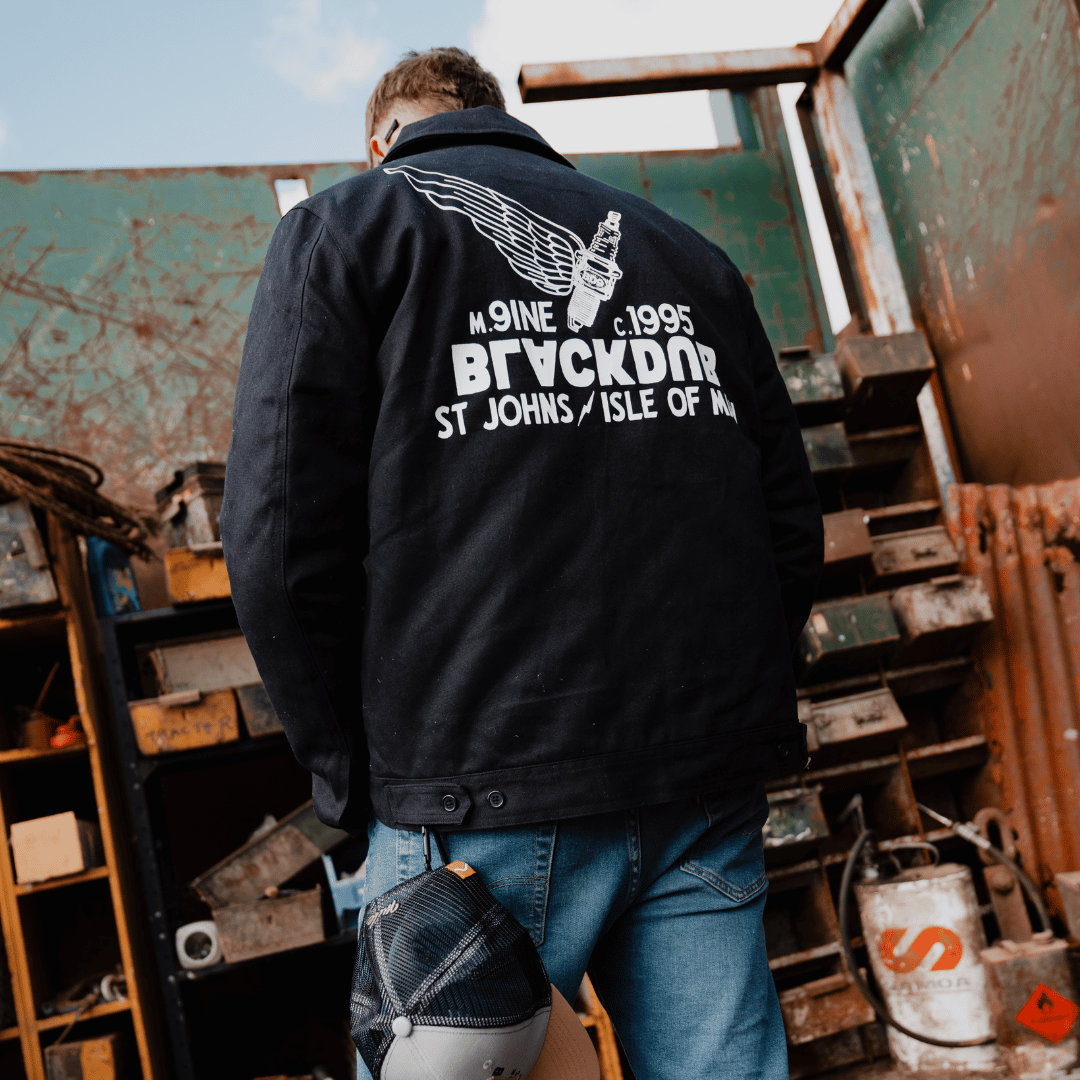
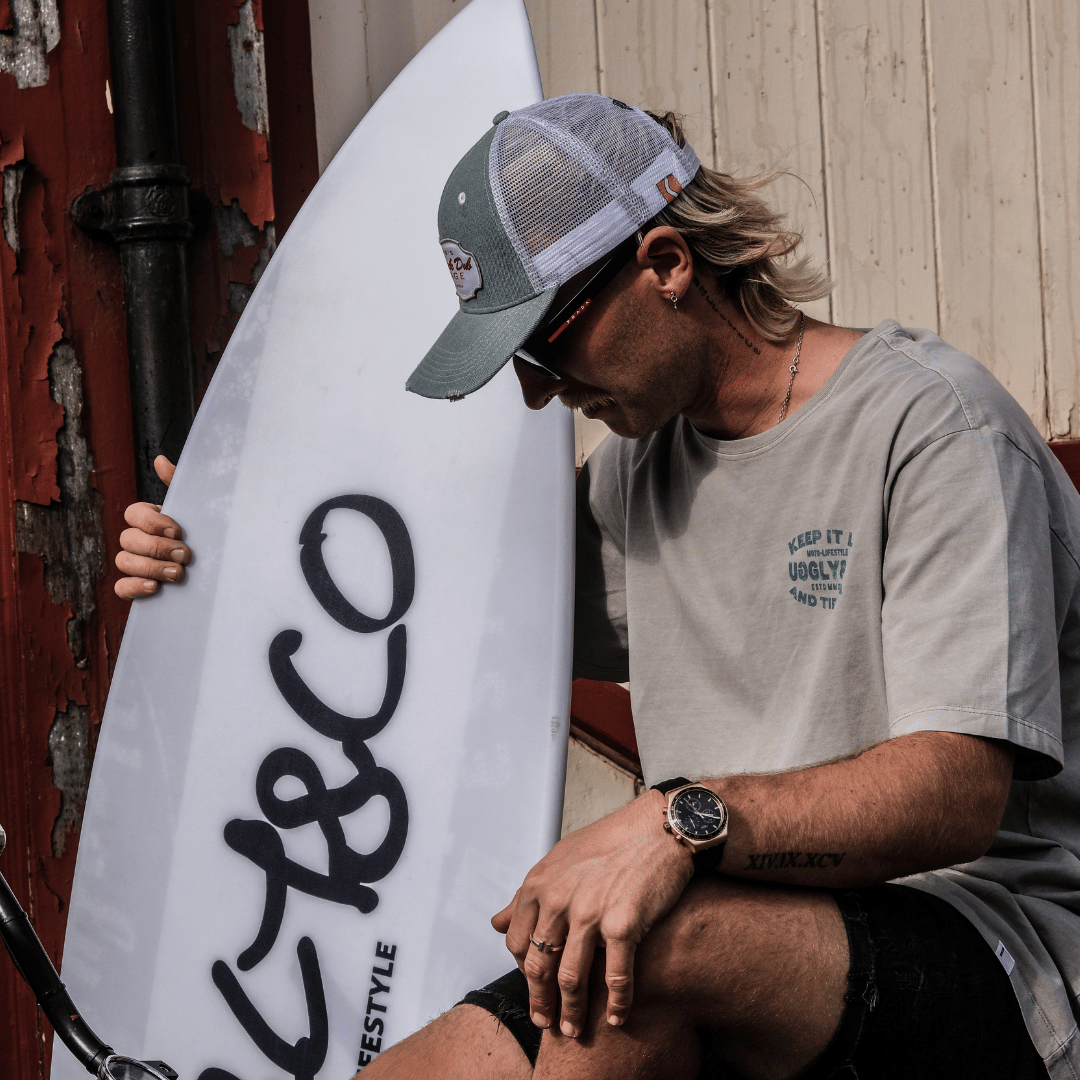
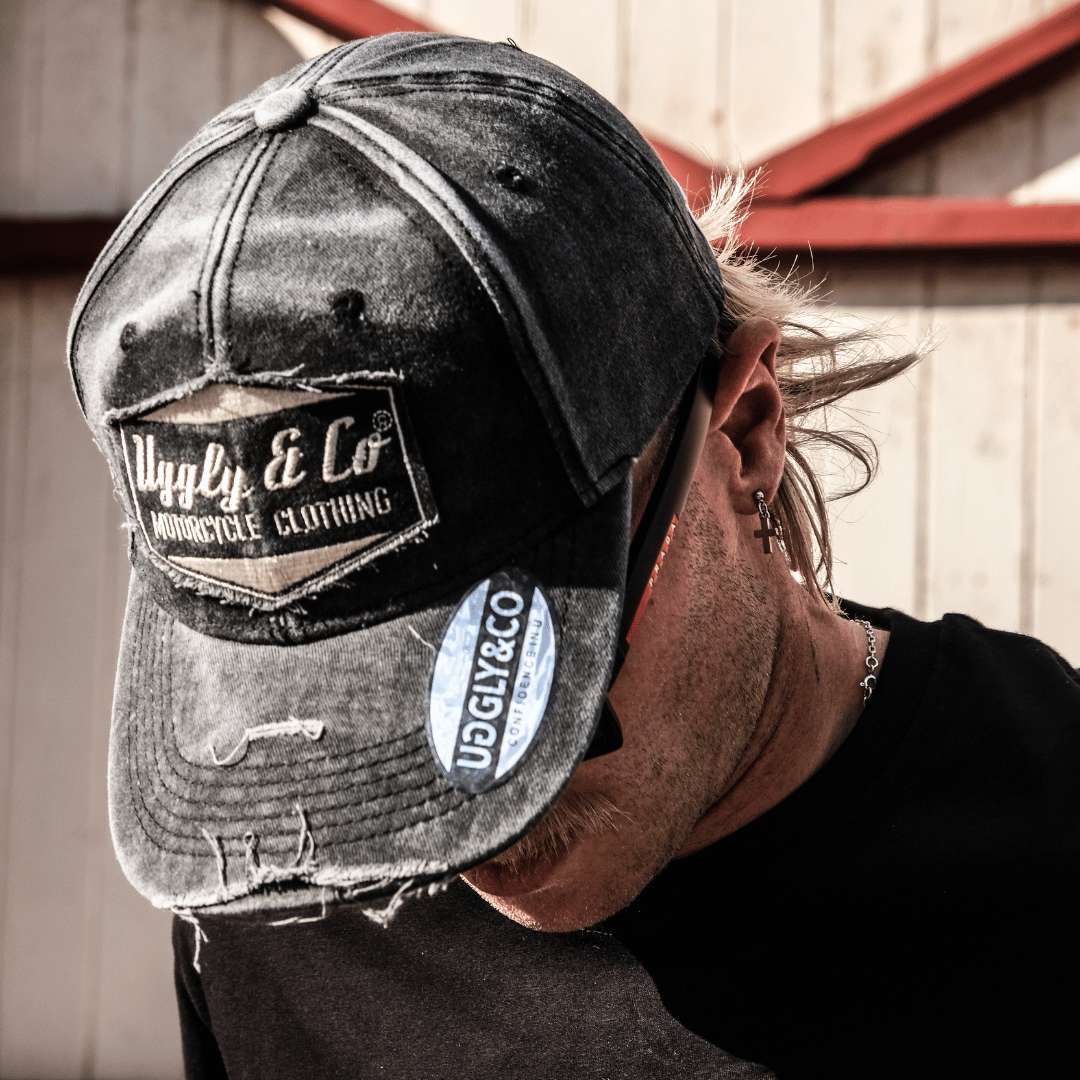
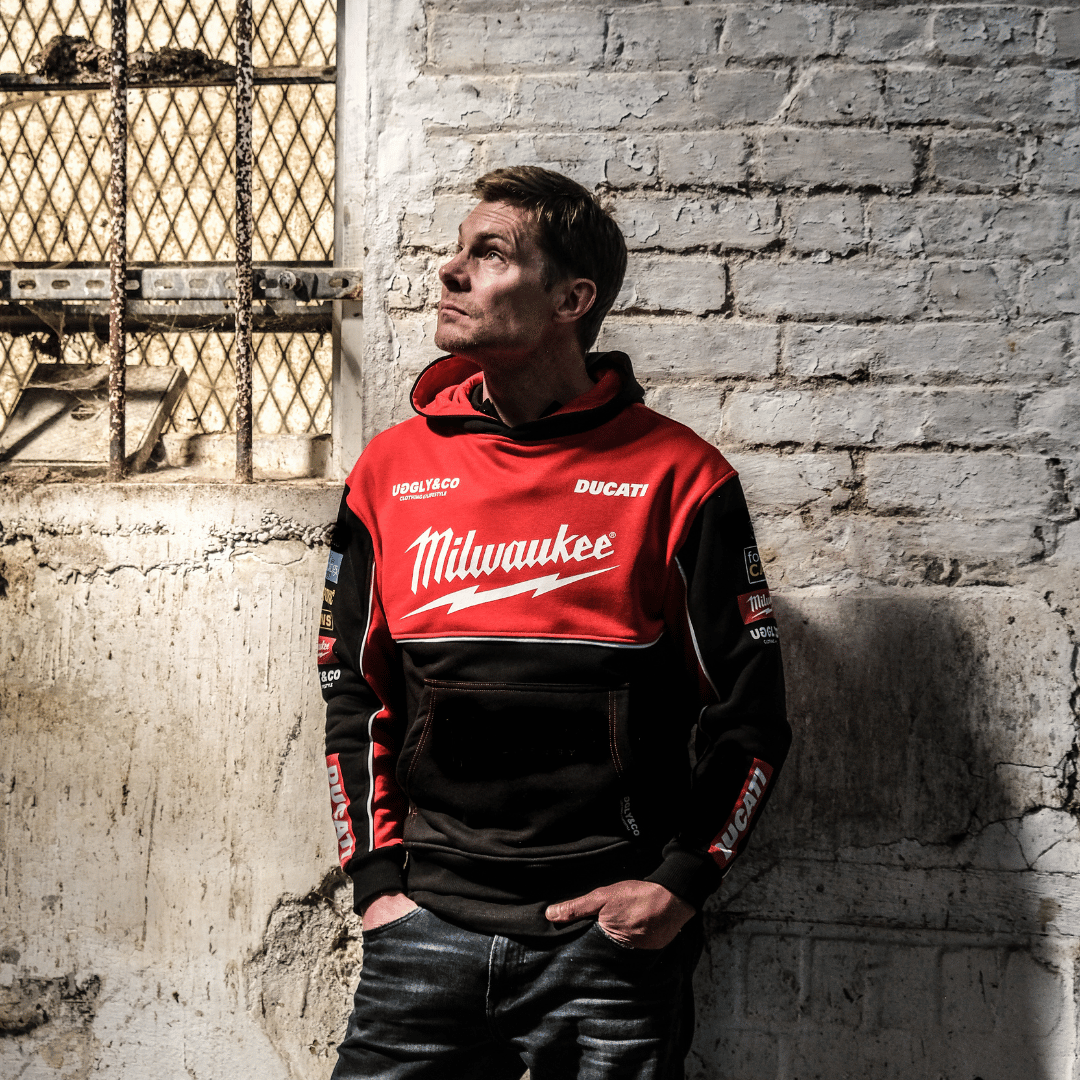
The TT has left an indelible mark on motorcycle culture, uniting fans and competitors from all walks of life. It has become a pilgrimage for enthusiasts who travel from around the globe, eager to witness the thrill and camaraderie that define this unique event. Riders often wear fashionable "garage inspired clothing" to showcase their passion, including various motorcycle brands and personal styles.
In addition, the flexibility for riders riding different types of motorcycles—ranging from traditional bikes to cutting-edge racers—means that the TT is inclusive, allowing for a diverse array of customisation and personal expression.
Legends of the TT
Every year, the Isle of Man TT produces stories of remarkable bravery and sheer skill. Some of these tales have inspired the next generation of bikers and racing enthusiasts, creating a legacy that transcends generations. Noteworthy riders such as:
- Joey Dunlop - The King of the TT, with 26 wins to his name.
- John McGuinness - Known for his awe-inspiring records and fierce determination.
- Michael Dunlop - Continues to make history with his remarkable skills.
These riders have not only won races but have become legends, inspiring countless fans worldwide to pursuit their own adventures on two wheels, whether it’s in competitive racing or casual riding.
The Future of Motorcycles at the Isle of Man TT
As we look towards the future, the evolution of motorcycles is set to continue at an unprecedented rate. The integration of electric motorcycles has begun making its mark on the TT—albeit still in the infancy stage. With sustainability becoming an increasing concern, we may see more eco-friendly alternatives participate in future races.
Technology and Sustainability
While high-performance petrol bikes have long been synonymous with racing events like the TT, there’s a growing interest in electric motorcycles. Brands are beginning to invest in innovation that prioritises environmental impact without compromising performance. We might see the introduction of models designed specifically for the rigours of the TT course!
Moreover, with advancements in AI and machine learning, we can expect enhanced safety mechanisms and race analytics that will revolutionize how riders prepare and compete.
Additionally, incorporating advanced wearable technology may enable real-time performance evaluation for both racers and audiences, creating a more engaging spectator experience and elevating the grassroots feel of the races.
Joining the Legacy
Whether you're a seasoned motorcyclist, a fan of the sport, or simply someone who appreciates a high-speed thrill, the Isle of Man TT is an event that embodies the spirit of motorcycling. With its rich history, cultural significance, and exciting future, the TT is not just a race; it’s a celebration of everything that makes motorcycling thrilling and exhilarating.
As you embrace the motorcycle culture, don’t forget to express your identity through apparel that reflects your passion. From stylish enduro champion jerseys to stylish garage inspired clothing, there’s a world of fashion to explore that complements the motorcycle lifestyle.
So, gear up and embrace the wind at your back—your journey in the motorcycle world has only just begun!
Glossary
| Term | Meaning |
|---|---|
| Isle of Man TT | Annual motorcycle race celebrating speed and innovation. |
| AJS | Iconic motorcycle manufacturer known for racing success. |
| Two-stroke engine | A type of engine known for high power output and speed. |
| Garage inspired clothing | Fashion reflecting motorcycle culture and rider identity. |
| Suspension systems | Components that improve motorcycle handling and comfort. |
| Electric motorcycles | Eco-friendly bikes using electric power for performance. |
| Joey Dunlop | Legendary TT racer with 26 wins, known as 'The King of the TT'. |
| Motorcycle apparel | Clothing designed for riders, combining style and safety. |
| Safety protocols | Measures to ensure rider safety during races. |
| Performance analytics | Data analysis to enhance rider performance and safety. |
Linked Product

David Knight 101 Motocross Jersey
The David Knight 101 Motocross Jersey combines a stylish all-black design with practical features for both casual wear and high-performance riding. Made from lightweight, breathable fabric, it ensures comfort during off-road adventures and everyday activities alike. This jersey allows fans to celebrate a legendary enduro champion while enjoying functionality and versatility in their gear.
View Product